How to care for chrysanthemum in Bali's humid climate
Keep your chrysanthemums looking beautiful longer in Bali's heat and humidity — practical care tips from a Canggu florist who works with them every week.
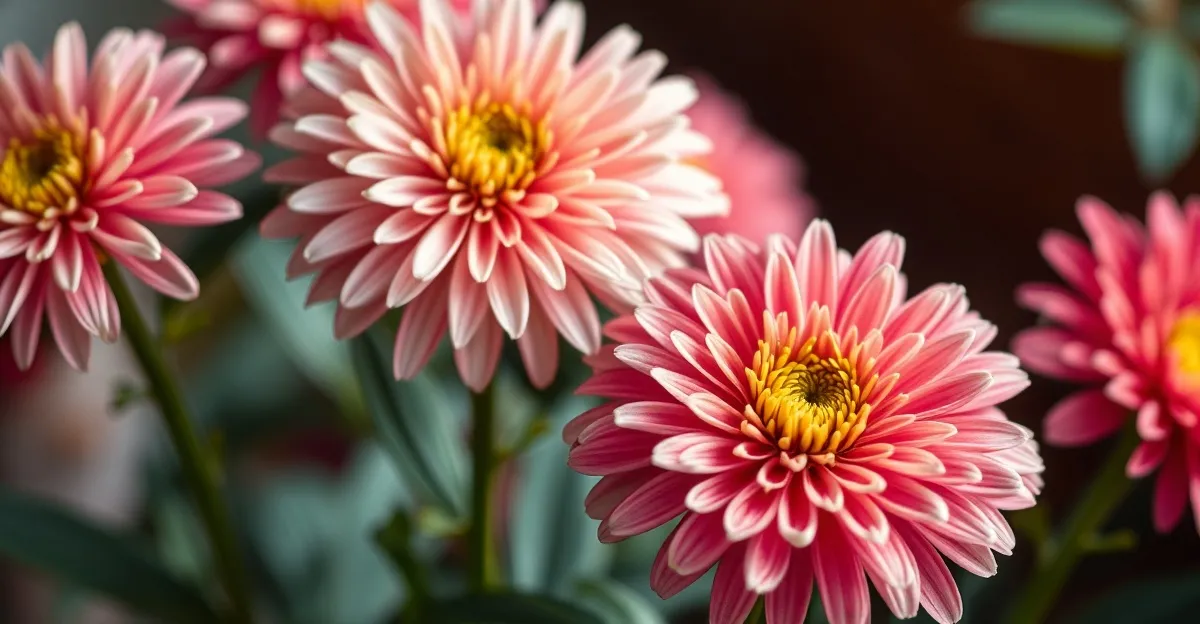
Chrysanthemums are among the longest-lasting cut flowers in the world — under the right conditions. In Bali, "right conditions" requires some active effort. The combination of heat and humidity that makes this island so lush is also the combination that accelerates bacterial growth in vase water, speeds petal decline, and tests even the hardiest blooms.
The good news is that chrysanthemums handle Bali better than most flowers. With a few deliberate habits, you can regularly get two weeks from a fresh bunch. Here is how.
Starting right: what to do when your flowers arrive
The first thirty minutes with fresh flowers matters more than anything that comes after. Many problems that show up days later were set in motion by poor handling at the start.
Cut the stems properly
Always recut stems before placing chrysanthemums in water. Cut at a 45-degree angle — this increases the surface area available for water uptake and prevents the stem from sitting flat against the vase bottom, which would block water absorption.
Cut at least 2–3cm off the bottom of each stem. Use a sharp knife or clean scissors. Blunt tools crush the stem tissue and reduce water uptake. If you have garden scissors or floral shears, use them. Kitchen scissors generally work better than craft scissors.
Cut underwater if possible — this prevents air bubbles from entering the stem. Hold the stems under running water or in a bowl while cutting.
Strip lower leaves immediately
Any leaves that will sit below the waterline need to come off before the stems go in the vase. Leaves submerged in water decompose quickly, feeding bacterial growth that will shorten your flowers' life dramatically.
In Bali's temperatures (typically 28–34°C at sea level), bacterial growth in vase water is very rapid. Keeping the water as clean as possible from day one is essential.
Use cool water
This seems counterintuitive in a tropical climate, but chrysanthemums prefer cool water. If your tap water is warm (it often is in Bali), let it run cold first, or add a few ice cubes to the vase water. Room temperature water in Bali is warm water, and warm water accelerates bacterial growth.
Choosing and preparing the vase
Cleanliness first: Wash the vase with soap and hot water before use. Residual bacteria from previous flower use will immediately colonise fresh water. A thorough wash with dish soap, rinsed completely, gives your flowers a clean environment.
Size and depth: Chrysanthemums prefer deeper vases where stems can fully extend. About two-thirds of the stem should be in water. Too shallow and stems cannot absorb efficiently.
Glass versus ceramic: Glass vases have the advantage of letting you see the water condition and change it more readily. This is practically useful in Bali where you need to monitor water more frequently than in cooler climates.
The vase water itself
Change water every two days: This is the single most impactful thing you can do to extend chrysanthemum life in Bali. Every time you change the water, also recut 1cm from the stem ends. This takes about three minutes and makes an enormous difference.
Flower food packets: If your florist provides flower food sachets, use them. They typically contain a biocide (which slows bacterial growth), a pH acidifier (which aids water uptake), and a small amount of sugar (which provides energy for the bloom). In Bali's heat, the biocide component is particularly valuable.
DIY flower food: If you do not have sachets, a very dilute mix works adequately: one tablespoon of sugar, one teaspoon of white vinegar, and one teaspoon of bleach (no more) per litre of water. The sugar feeds the flower, the vinegar adjusts pH, and the bleach controls bacteria.
Avoid adding aspirin, coins, or vodka: These are common internet suggestions but have no consistent scientific support. Stick with the basics.
Location, light, and temperature
Keep away from direct sun: Direct sunlight speeds up respiration, dehydrates petals, and shortens vase life. In Bali this means keeping flowers away from windows that receive afternoon light. Morning light is softer and less damaging.
Air conditioning is your friend: If you have air conditioning, keeping flowers in an air-conditioned room makes a significant difference. The cooler, drier environment slows bacterial growth and reduces the rate at which flowers metabolise. Flowers placed in a sitting room with all-day AC will last noticeably longer than those on an open-air terrace.
Away from fans and AC vents directly: Moving air dehydrates petals. Do not place flowers directly in front of a fan or directly under an AC vent. Good air circulation in the room is fine — direct airflow on the blooms is not.
Away from fruit and vegetables: Ripening fruit emits ethylene gas, which accelerates flower ageing. Keep chrysanthemums away from fruit bowls, and definitely away from the kitchen counter if you have bananas, mangoes, or papayas ripening nearby.
Specific care by chrysanthemum type
Standard large-headed chrysanthemums
The big, dense heads of standard mums are beautiful but also heavy. If stems weaken, the heads droop. Keep water consistently deep and stems freshly cut to maintain strong water uptake.
Spray chrysanthemums (multi-headed)
Spray mums benefit from pinching off individual spent blooms as they fade — this directs energy to the remaining buds, which will then open. It extends the effective display life significantly.
Pompom and button chrysanthemums
These dense, round varieties are particularly heat-tolerant and last extremely well in Bali. They are a good choice when you know flowers will be in a warm environment.

The team
your florists
weekly subscription · Bali
We write about flowers because we love them. We deliver them because someone should — properly, weekly, across Bali.
— heyflowerPay once for 3, 6, or 12 months, no auto-renewal.
Signs your chrysanthemums need attention
Drooping heads before wilting petals: This usually means stems are not absorbing water adequately. Recut stems, change water, and ensure no leaves are submerged.
Water turning cloudy quickly: High bacterial growth in the vase. Change water immediately, wash the vase thoroughly, recut stems, and consider adding a small amount of bleach to the new water.
Petals turning brown at the edges: This can indicate the room is too warm or too dry. Move to a cooler location.
Smell from the vase: Bacterial overgrowth. Change water, wash vase, recut stems immediately.
For more general guidance on getting the most from Bali-sourced flowers, see our piece on how to preserve a carnation bouquet after the event — many of the same principles apply across flower types.
Outdoor use in Bali
Chrysanthemums in outdoor settings — at a Bali villa terrace dinner, for example — will last for an event without trouble, but should not be expected to last multiple days in open-air tropical conditions. For outdoor use, treat them as event flowers: arrange them the morning of the event and enjoy them for the day.
If you need flowers that genuinely thrive outdoors in Bali's climate, tropical varieties — anthuriums, heliconias, ginger flowers — are a better long-term choice. But for the beautiful, lush look that chrysanthemums provide at an outdoor gathering, they absolutely deliver.
Frequently Asked Questions
How long can chrysanthemums last in Bali?
With proper care — fresh water every two days, stems recut regularly, kept in air-conditioned space — chrysanthemums can easily last ten to fourteen days. Without active care in Bali's heat, expect five to seven days.
Why do my chrysanthemums wilt so quickly in Bali?
Usually one of three issues: warm vase water with high bacterial growth, leaves decomposing in the water, or insufficient water uptake from stems not being recut. Check all three and address them.
Can I keep chrysanthemums outside in Bali's sun?
For a few hours during an event, yes. For long-term display, no — direct tropical sun and heat will significantly shorten their life. Keep them in shade if outdoors.
Should I mist chrysanthemum petals?
Light misting in the morning can help in very dry air-conditioned environments. However, in Bali's generally humid climate, misting is rarely necessary and can encourage mould on petals if they stay wet. Skip the misting and focus on vase water management instead.
Do chrysanthemums need flower food in Bali?
Flower food is more beneficial in Bali than in cooler climates because the biocide component controls the faster bacterial growth that tropical temperatures encourage. If your florist provides it, definitely use it.
Fresh flowers deserve proper care. At heyflower.co, our Canggu-based team selects and conditions chrysanthemums before delivery so they arrive in the best possible state — ready for two weeks of beauty in your home.
More on Chrysanthemum