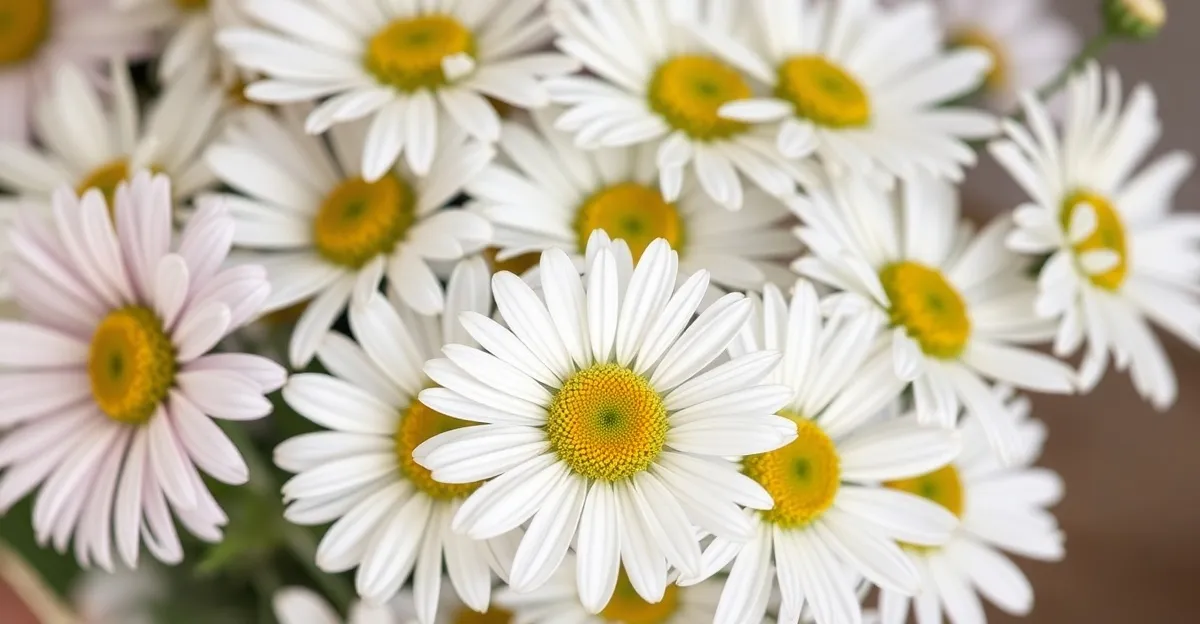
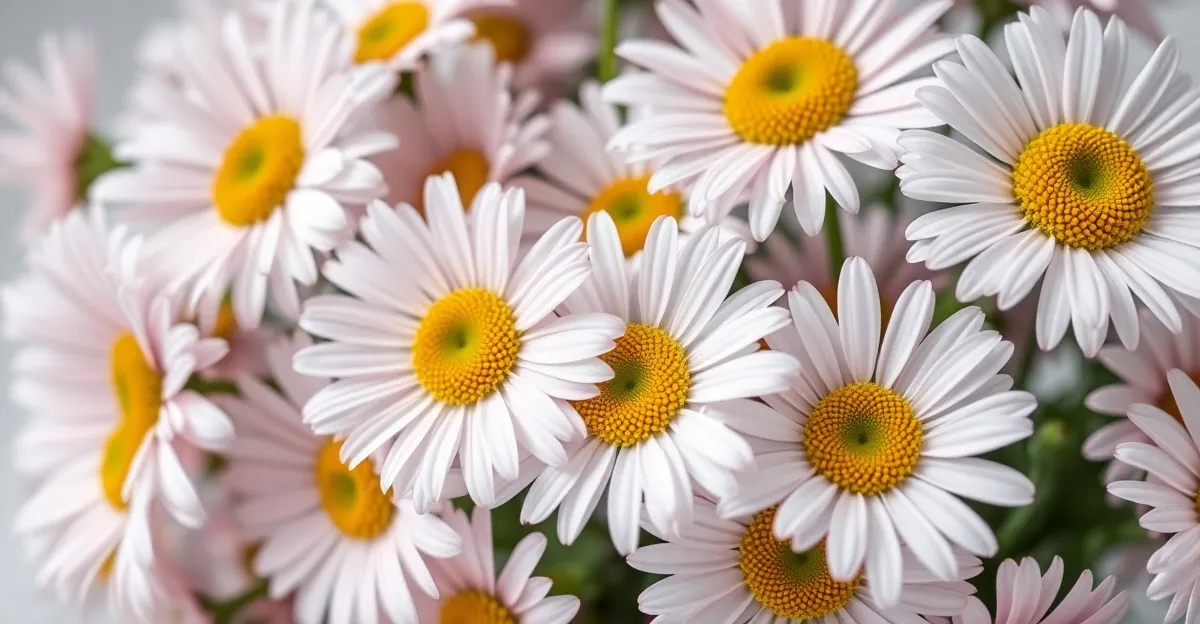
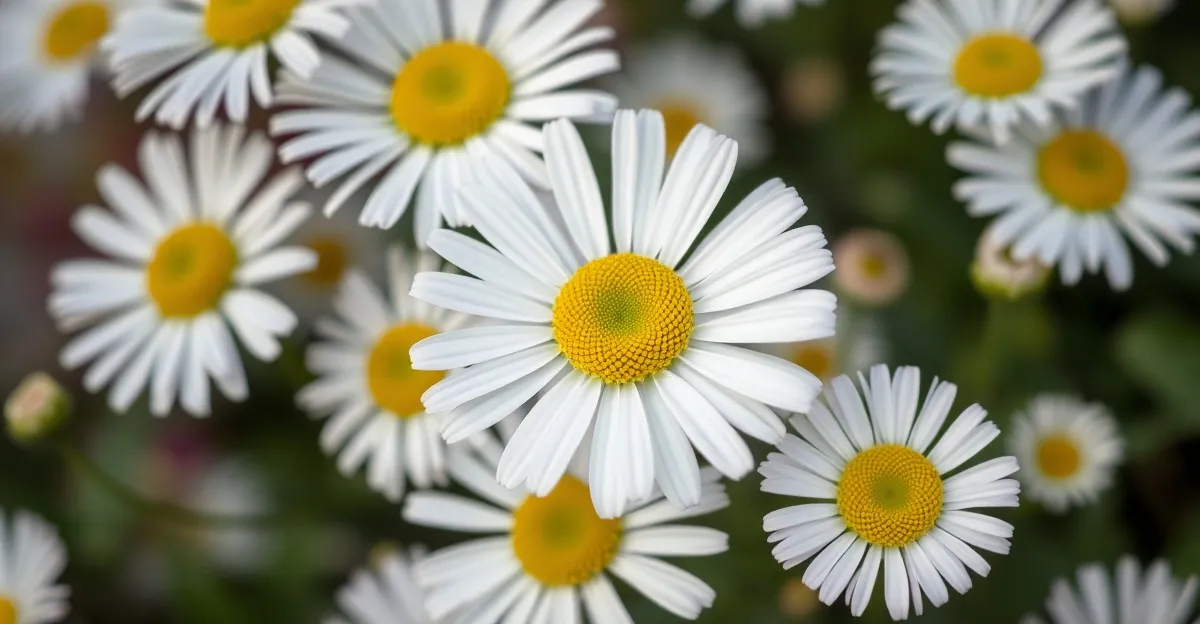
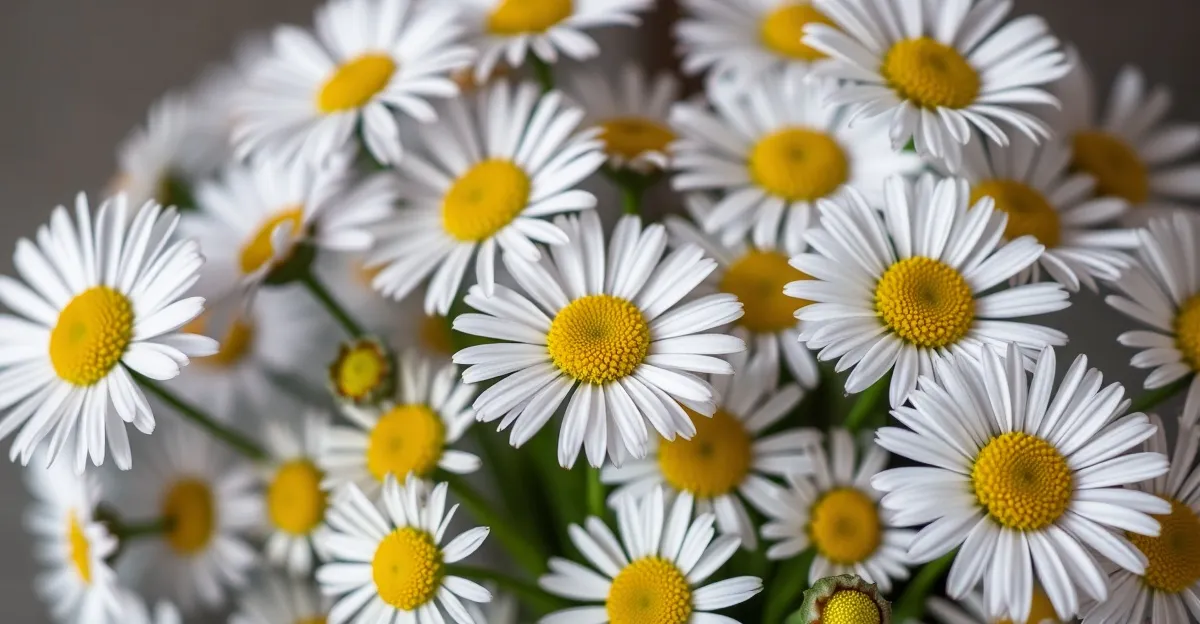
How to Care for Daisy in Bali's Humid Climate
Keep your daisies fresh and vibrant in Bali's tropical heat. Practical care tips for gerbera and other daisy varieties from a local Canggu florist.
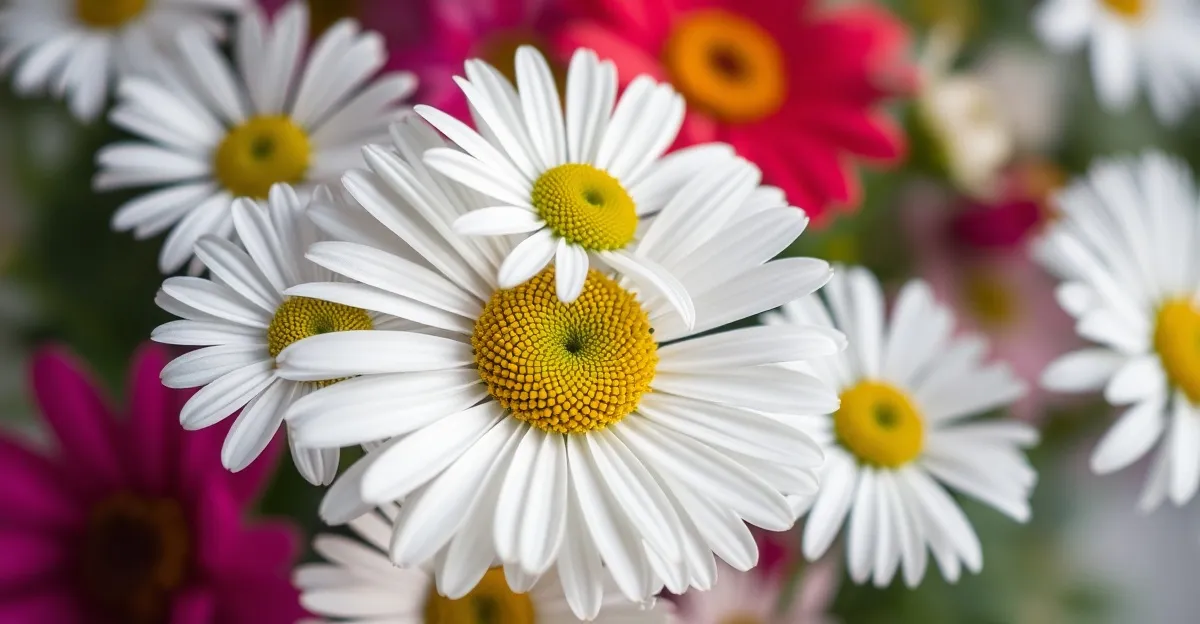
Bali is an extraordinary place to live with fresh flowers. The island's warmth, the way afternoon light moves through open-air living spaces, the constant presence of greenery — all of it makes having blooms in your home feel natural and deeply right. But that same tropical warmth that makes Bali so alive is also the force working against your cut flowers. The heat accelerates bacterial growth. The humidity, while generally kinder than dry environments, can encourage mould on stems and petals when air circulation is poor.
Daisies — particularly the popular gerbera daisy — are more sensitive than some other tropical-adapted flowers, but they are absolutely worth the small amount of care they require. With the right techniques, your daisy arrangement can look vibrant for a full week or more, even during Bali's hottest months.
Understanding Why Daisy Is Sensitive in the Tropics
Gerbera daisies, the most common variety found in Bali florists and our own arrangements at heyflower.co, have thick, slightly hollow stems that are prone to a specific problem: air bubbles. When an air bubble forms in the stem, it blocks the flower's ability to drink water, and the bloom wilts far sooner than it should — sometimes within a day or two of purchase, even when the stems are sitting in a full vase.
Add to this Bali's average temperatures of 27–33°C and the bacterial activity that warm water encourages, and you start to understand why daisies in the tropics need a bit more attention than daisies in, say, London or Melbourne.
The good news is that once you know what to watch for, the solutions are simple and the results are noticeable.
Step-by-Step: Preparing Your Daisies When They Arrive
How you set up your flowers in the first hour makes the biggest difference to how long they last.
1. Re-cut the Stems Immediately
The moment you receive your daisies, trim 2–3 centimetres off the bottom of each stem at a 45-degree angle. Use sharp scissors or, ideally, a clean floral knife. A clean diagonal cut maximises the surface area for water uptake and prevents the stem from sitting flat on the bottom of the vase (which blocks water flow).
Do this cut under running water or submerged in a basin if possible. This prevents any air from entering the stem as you cut, which is the number one cause of premature wilting in gerberas.
2. Choose the Right Vase Depth
This is counterintuitive but important: gerbera daisies do better in relatively shallow water — about 5 to 8 centimetres deep. Deep water can lead to bacterial build-up along the submerged stem, and gerberas are particularly susceptible to stem rot. A wide, low vase or a straight-sided vessel that supports the stems without submerging them deeply is ideal.
3. Use Lukewarm, Clean Water
Cold tap water in Bali can sometimes come with mineral content that clogs stem pores. Room temperature or slightly warm water is absorbed more readily. If you have access to filtered water, even better — but regular tap water works fine as long as you change it frequently.
Add a small drop of bleach (literally just a few drops per litre) or the flower food sachet that comes with our heyflower.co deliveries. These inhibit bacterial growth and make a real difference to vase life.
Placement in Your Bali Space
Where you put your daisies is almost as important as how you prepare them.
Avoid Direct Sunlight
This is the single biggest error people make in Bali. The instinct is to put beautiful flowers in the brightest spot in the room — by a window, on a terrace table, in an open-air living area. But direct tropical sunlight will dramatically shorten the life of cut daisies. The heat dries out petals rapidly and accelerates bacterial activity in the vase water.
Choose a bright spot that receives indirect, filtered light. Near a window with a sheer curtain, on a dining table in a well-lit but shaded room, or on a kitchen counter away from direct sun — all of these work well.
Air Conditioning and Fans
Bali living often means choosing between air conditioning and natural ventilation. For your flowers, both have trade-offs. Air conditioning keeps temperatures low (great for flowers) but can dry out the air and the petals. If your room is heavily air conditioned, misting the petals lightly with clean water once a day helps maintain humidity around the blooms.
Open-air spaces with fans are better for the flowers' moisture balance, but make sure the vase water is changed more frequently in warmer conditions.
Keep Away from Fruit
This one surprises people. Ripening fruit — particularly mangoes and bananas, both abundant in Bali — releases ethylene gas, which dramatically accelerates the ageing process in cut flowers. Keep your daisy vase away from the fruit bowl.
Similarly, cigarette smoke, cooking fumes, and strong chemical cleaners can shorten flower life. Good ventilation in the room generally helps.
Daily Maintenance Routine
Once your daisies are set up well, a simple daily routine keeps them looking their best.
Change the Water Every 1–2 Days
In Bali's heat, vase water becomes cloudy and bacterial relatively quickly. Even if the water looks clear, try to change it every day or at least every second day. Each time you change the water, give the vase a quick rinse too.
When you change the water, make another small trim of the stems — just 0.5 to 1 centimetre is enough. This removes any sealed or bacteria-blocked section and gives the flower fresh access to water.
Remove Dying Blooms Immediately
As individual blooms begin to fade and wilt, remove them from the arrangement promptly. Dying flowers release ethylene gas (similar to ripening fruit) and can accelerate the decline of the flowers around them. A little daily tidying keeps the whole arrangement looking fresh for longer.
Check for Bent Necks
A gerbera with a "bent neck" — where the stem curves just below the flower head and the bloom droops sideways — is usually experiencing an air bubble. The fix: re-cut the stem again, quite short, and place it in a fresh container with just a few centimetres of warm water in a cool spot for a few hours. Many bent-neck gerberas recover fully with this treatment.
Seasonal Considerations in Bali
Bali's two seasons behave quite differently for flower care.
Dry Season (April–October)
Lower humidity and consistently warm temperatures mean your flowers dry out more quickly. Misting daily is particularly helpful during this period. If you have arrangements outdoors — on a terrace or in an open bale — consider bringing them inside or into shade during the hottest hours of the day (11am–3pm).
Wet Season (November–March)
Higher humidity is generally kinder to cut flowers in terms of petal dryness, but the increased warmth and moisture can accelerate bacterial growth in vase water. During rainy season, change your water more frequently — daily if possible — and watch for any signs of stem rot or mould at the waterline.
For tips on which flowers are best suited to each season, our article on flower subscriptions for villa rentals in Canggu discusses how we curate seasonal selections for ongoing delivery.

The team
your florists
weekly subscription · Bali
We write about flowers because we love them. We deliver them because someone should — properly, weekly, across Bali.
— heyflowerPay once for 3, 6, or 12 months, no auto-renewal.
Keeping Daisies in Bali Gardens
If you are keeping potted daisy plants rather than cut arrangements:
Gerbera daisies grow well in Bali when planted in well-draining soil with plenty of organic matter. They need bright, indirect light rather than full tropical sun, which can scorch their leaves. Water regularly but allow the soil to dry slightly between waterings — gerberas dislike waterlogged roots. In Bali's humidity, watch for fungal issues on the leaves and remove any affected foliage promptly.
Potted gerberas on a shaded terrace or balcony, in the morning sun only, will reward you with flowers for months with minimal maintenance.
When Your Daisies Are Past Their Best
Even well-cared-for flowers have a natural end. When your daisy arrangement is past its peak, the petals can be dried and scattered as potpourri or placed in a shallow bowl as a fragrant decoration. Daisy petals pressed in a heavy book make beautiful natural art for framing. Composting spent flowers is of course the most sustainable option, and they break down quickly in Bali's warm, active soil.
For a more detailed look at how long you can realistically expect your daisies to last, see our guide on daisy vase life in the tropics: how long do they last?.
Frequently Asked Questions
Why do my gerbera daisies wilt so quickly in Bali?
The most common culprits are: air bubbles in the hollow stems (fixed by re-cutting under water), warm vase water encouraging bacterial growth (fixed by changing water daily and adding flower food), or too much direct sunlight. Try addressing each of these and you should see a significant improvement in how long your gerberas last.
Can I put daisies in the refrigerator overnight in Bali?
Yes, and this is actually a great technique for extending vase life in Bali's heat. Place the entire vase in your refrigerator overnight when you are not enjoying the arrangement. Avoid putting them near fresh fruit or vegetables that release ethylene gas. Remove them in the morning and they will last noticeably longer.
How do I revive wilted daisies that still look healthy?
Re-cut the stems under water, remove any foliage below the waterline, place them in fresh warm water with flower food, and move them to a cool spot for a few hours. Many wilted daisies recover beautifully with this treatment. If the petals have already gone limp and papery, the blooms are unfortunately past the point of revival.
Is tap water in Bali okay for daisies?
Yes, tap water is generally fine. If your local supply has high chlorine levels (you will smell it), either let the water sit in an open container for an hour before using it (the chlorine dissipates) or use filtered water. Adding a small drop of bleach to the vase water actually benefits flowers regardless of source water quality.
What is the best type of daisy to buy in Bali for long vase life?
Gerbera daisies are the best choice for cut flower longevity in Bali. They are specifically bred for cut flower use, come in a wide range of colours, and with proper care consistently last 7 to 10 days. The smaller daisy varieties tend to be more delicate and have shorter vase lives in tropical conditions.
Fresh flowers in your Bali home or villa should bring joy, not anxiety. Once you have these simple habits in place — fresh stems, clean water, indirect light, cool nights — caring for daisies in the tropics becomes second nature.
At heyflower.co, we source only the freshest cut flowers from Bali's best growers and deliver them to your door across the island. Our weekly and fortnightly subscription plans mean you always have a fresh arrangement waiting — no last-minute trips to the market required. Explore our flower subscription options and let Bali's finest blooms become a regular part of your week.
More on Daisy