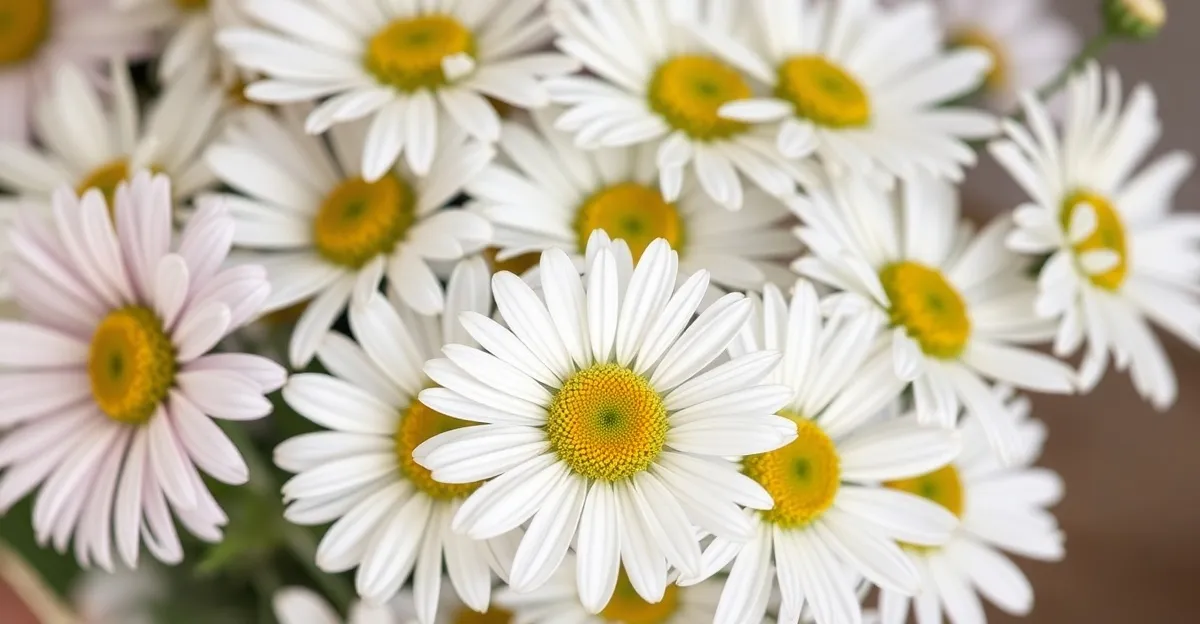
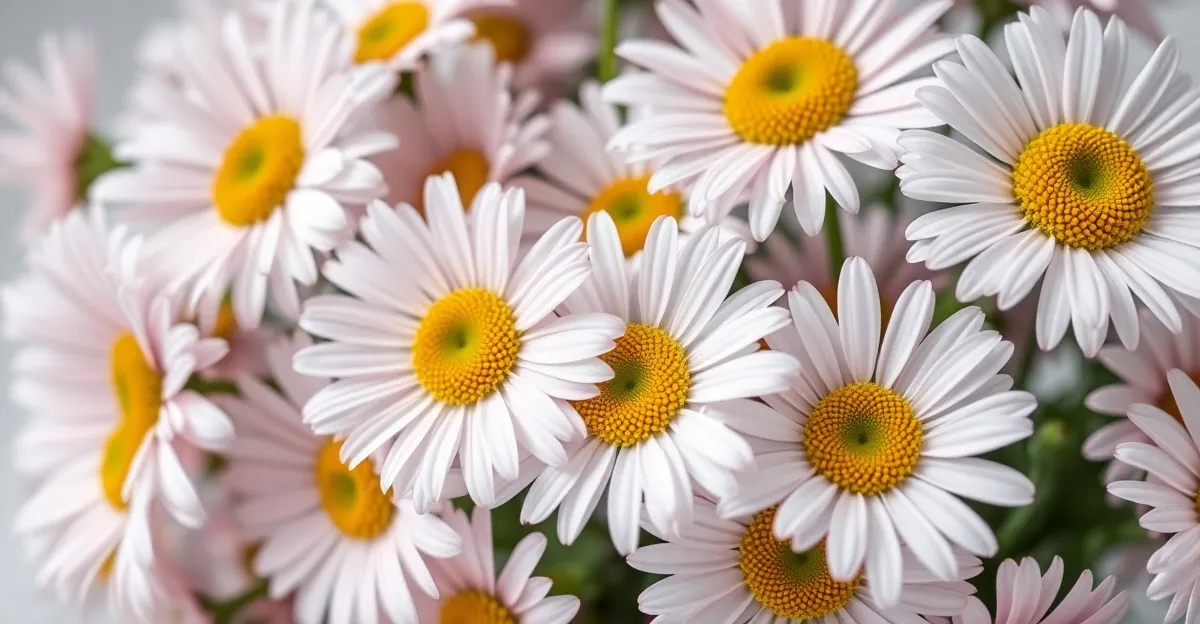
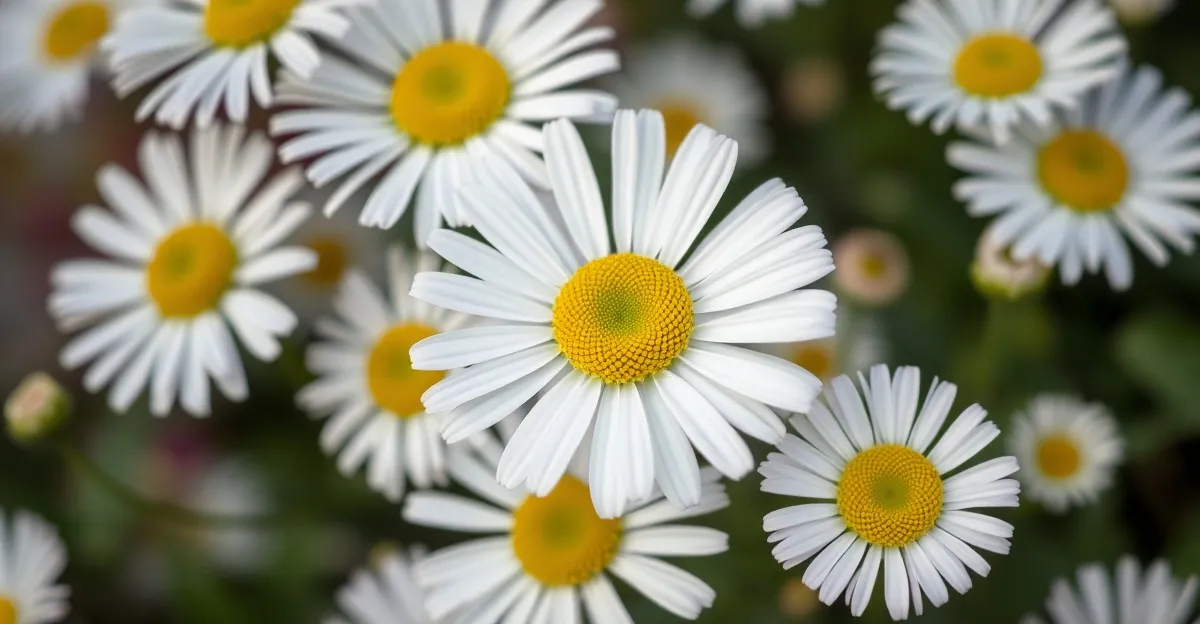
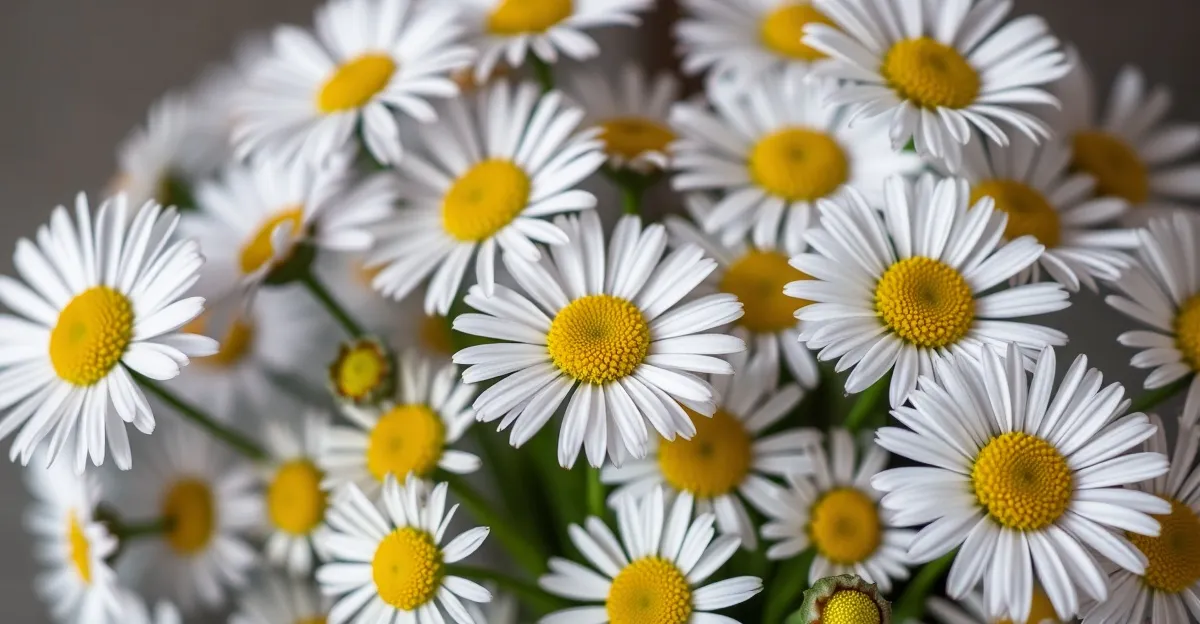
Daisy Vase Life in the Tropics: How Long Do They Last?
How long do daisies really last in Bali's heat and humidity? Honest answers and practical tips from a Canggu florist who works with them every day.
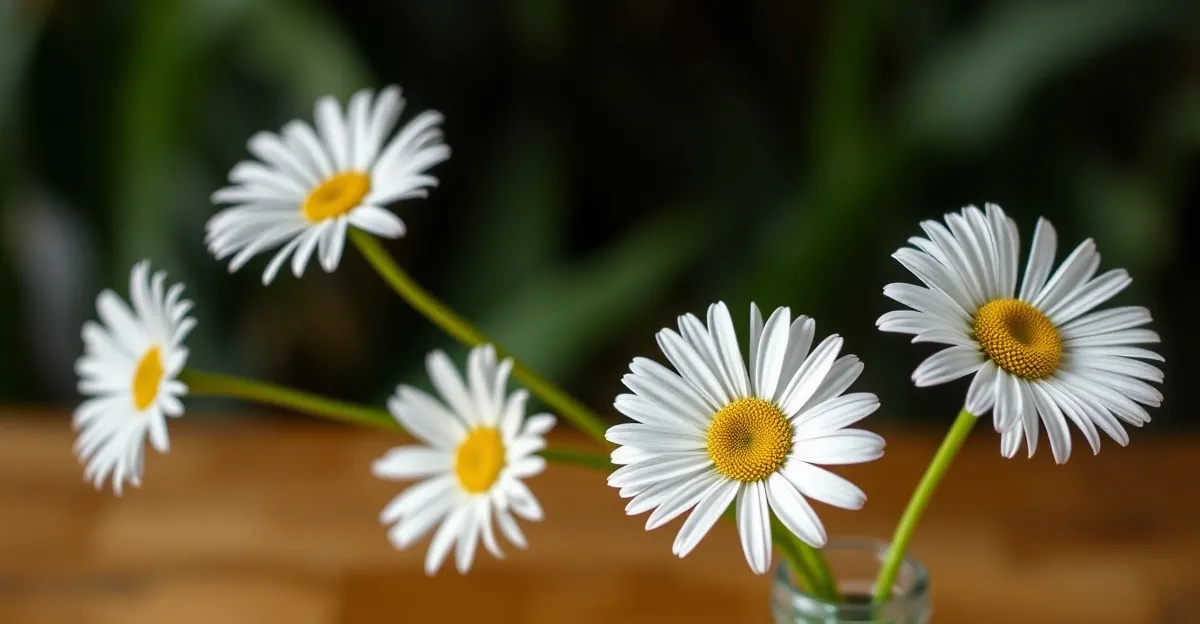
The most common question we hear from customers in Bali who receive a daisy arrangement is some version of: "Are they supposed to last this long, or am I doing something wrong?" Occasionally it is the pleasant surprise version — the flowers are still going strong a week later and they expected less. Sometimes it is the less pleasant version — the gerberas wilted within two days and they are wondering what happened.
The honest answer is that daisy vase life in the tropics is variable, and that variability is almost entirely within your control. Daisies are sensitive flowers, but they respond well to proper care. In Bali's heat and humidity, the gap between a daisy arrangement that lasts five days and one that lasts twelve days is almost always a matter of technique rather than luck.
This guide gives you the honest numbers and the specific practices that push those numbers in the right direction.
Realistic Vase Life Expectations in Bali's Climate
Let's start with honest baselines.
Gerbera daisies with good care: 7–12 days in Bali's climate. This is the range you should aim for and can consistently achieve with the practices described below.
Gerbera daisies with minimal care: 3–6 days. This is what most people experience when they put flowers in a vase and don't think much about it in a tropical climate.
Shasta and other white daisies: 5–8 days with good care, 2–4 days without. These smaller varieties are more delicate than gerberas and less forgiving of neglect.
Chamomile: 5–7 days with good care. The small blooms are delicate but the stems are robust, and chamomile holds up reasonably well in arrangements.
Compare these figures to cooler climates where gerberas can sometimes last 14–21 days, and you can see that Bali's warmth does take a toll. But 12 days is still a genuine, achievable result that makes a daisy arrangement feel genuinely valuable.
The Four Main Enemies of Daisy Vase Life in Bali
Understanding what kills daisies in the tropics is the first step to preventing it.
1. Bacterial Growth in Warm Water
This is the primary challenge. Bacteria thrive in warm water, and Bali's ambient temperatures keep vase water at 26–30°C even in air-conditioned rooms. This warm water accelerates the bacterial colonisation of the cut stem ends, blocking water uptake and shortening vase life dramatically.
Prevention: change vase water every day or, at minimum, every second day. Add a small drop of bleach or the flower food sachet from your florist with each water change. Clean the vase with soap and water each time you refill it.
2. Air Bubbles in Gerbera Stems
Gerbera stems are slightly hollow, which makes them prone to trapping air bubbles when cut. An air-blocked stem cannot absorb water, and the flower wilts despite sitting in a full vase. This is the cause of the "mysteriously wilted gerbera" that puzzles many Bali residents.
Prevention: always re-cut gerbera stems under running water or submerged in a basin. The water prevents air from entering the stem as you cut. Use a sharp, clean knife or scissors for a clean cut rather than a crushing cut.
3. Direct Sunlight and High Temperatures
The instinct to place beautiful flowers in the brightest spot is understandable but counterproductive. Direct sunlight in Bali between 10am and 3pm is intense enough to dehydrate petals rapidly and significantly accelerate bacterial activity in vase water.
Prevention: place arrangements in bright, indirect light — near a window with a curtain, in a well-lit interior space, or on a covered terrace. Avoid spots that receive direct midday sun.
4. Ethylene Gas
Cut flowers are sensitive to ethylene gas, which accelerates ageing and petal drop. The main sources of ethylene near flower arrangements are: ripening fruit (mangoes and bananas, very common in Bali), dying flowers within the same arrangement, cigarette smoke, and vehicle exhaust (avoid placing arrangements near open windows facing busy streets).
Prevention: keep flower arrangements away from fruit bowls and promptly remove any individual blooms that start to fade.
Day-by-Day Vase Life Guide
Here is what you can realistically expect with proper care in Bali.
Days 1–2: Peak freshness. Gerberas are fully open and vibrant. This is the best time to enjoy the arrangement in prominent positions and photograph it. Scent is at its highest for any fragrant varieties.
Days 3–4: Still excellent. Blooms are fully open but at their maximum diameter — sometimes more beautiful than day one because fully opened gerberas have a generous, confident quality. Continue water changes.
Days 5–7: Very good with care. Some outer petals may show the faintest signs of age. Remove any individual blooms that start to soften and add any fresh stems you have. Water changes remain essential.
Days 8–10: Arrangement is still attractive if well maintained. Gerberas at this stage are past their peak but not unpleasant. Many people find them beautiful right until the end.
Days 11–12+: The upper end of what good care achieves. Any daisies reaching this point in Bali are doing so with excellent conditions.
Techniques That Extend Vase Life Significantly
Beyond the basics already mentioned, several specific techniques make a real difference.
The Overnight Refrigerator Method
This is the single most effective extension technique for Bali's climate: put the entire vase in your refrigerator overnight. The cool temperature dramatically slows bacterial activity and dehydration. Remove the arrangement in the morning and let it return to room temperature.
This technique alone can add two to three days to vase life in Bali's tropical conditions. It is the technique many of Bali's hotel flower teams use to keep lobby arrangements looking good for longer.
The only caution: keep the arrangement away from fruit and vegetables in the refrigerator, as ethylene from ripening produce will work against you.
Flower Food
The flower food sachets provided with florist arrangements are not decorative. They contain a precise combination of acidifier (to lower water pH, inhibiting bacterial growth), sugar (to feed the flower), and biocide (to further control bacteria). Adding them to fresh vase water genuinely extends vase life.
If you do not have sachets, a home version works reasonably well: per litre of water, add one teaspoon of sugar, a few drops of household bleach, and a few drops of white vinegar (or a squeeze of lemon juice). This is not quite as effective as commercial flower food but significantly better than plain water.
Supportive Vase Height for Gerberas
Gerbera stems have a natural tendency to soften near the base when sitting in water for extended periods. This is accelerated by warm tropical conditions. A vase that supports the stems — where the stem leans against the vase wall rather than floating freely — reduces the bending stress and keeps the bloom facing the right direction for longer.
Alternatively, cutting stems quite short (to 20–25 centimetres) and using a low bowl or wide-mouthed vase reduces the leverage on the stem and helps the flower hold its position naturally.
Removing Lower Leaves
Any leaves submerged in the vase water will decompose rapidly in Bali's heat, dramatically increasing bacterial load. Before placing any flowers in a vase, remove all leaves that would sit below the waterline. Strip them cleanly from the stem.

The team
your florists
weekly subscription · Bali
We write about flowers because we love them. We deliver them because someone should — properly, weekly, across Bali.
— heyflowerPay once for 3, 6, or 12 months, no auto-renewal.
Seasonal Considerations
Bali's wet season (roughly November through March) brings higher humidity and slightly lower temperatures, which can actually be slightly kinder to cut flowers than the dry season in terms of dehydration. However, the higher humidity also encourages mould on leaves and petals if air circulation is poor. During wet season, prioritise good airflow around your arrangements.
Dry season (April through October) brings stronger heat and lower humidity — the most challenging conditions for cut daisies. During these months, the refrigerator technique is most valuable, and water changes should be daily without exception.
For broader context on how different flowers cope with Bali's climate year-round, flower subscriptions for villa rentals in Jimbaran discusses how we select seasonal flowers that perform well through the year.
When to Let Go
Part of getting full value from a daisy arrangement is knowing when to retire it gracefully. When petals become papery and translucent, when stems are visibly soft or starting to smell, when the overall arrangement has lost more than half its blooms — it is time. Letting an arrangement deteriorate too far before replacing it means living with something that no longer brings joy.
At heyflower.co, our subscription customers receive a fresh delivery before the previous arrangement fully reaches this point. This means there is always something beautiful in the home — never a gap between wilted flowers and the next delivery.
If you want to preserve something beautiful before the arrangement fully fades, pressing individual daisy petals or drying the whole bloom is very achievable. See how to preserve a daisy bouquet after the event for specific techniques.
Frequently Asked Questions
Why do my gerbera daisies always wilt on day two in Bali?
Two-day wilting almost always means an air bubble in the stem or severe bacterial activity in the vase water. Re-cut the stems under running water, change to fresh water with flower food, and place the arrangement in a cooler spot out of direct sunlight. If the flower does not revive within a few hours, the stem blockage is too established to reverse.
Does cutting stems shorter make daisies last longer?
It can help, particularly for gerberas. Shorter stems mean less distance for water to travel to the bloom, and less surface area for bacteria to colonise. The practical limit is that very short stems reduce your vase options. A medium stem length of 25–35 centimetres is a good balance for most vase arrangements.
Is it true that putting a coin in the vase water helps flowers last longer?
The old copper coin trick is based on the idea that copper acts as a mild fungicide in water. While there is some truth to this in theory, the effect is minimal compared to using proper flower food or a drop of bleach. It will not hurt, but it should not be relied on as a primary care strategy.
How do I know if my daisy arrangement is past saving?
Check the stems below the waterline: if they are soft, slimy, or dark brown/black rather than firm and green, the bacterial damage is too advanced to reverse. Petals that are soft and translucent rather than firm and velvety are also at end of life. A flower that has good-looking petals but a fully bent neck (stem collapsed just below the bloom) may still recover with a fresh cut and cool water.
Can I extend daisy vase life with aspirin?
Aspirin is sometimes recommended as a home remedy to acidify vase water and inhibit bacteria. It does work to some degree — crush one standard aspirin tablet per litre of water. It is less effective than commercial flower food but better than plain water. The most important variables remain stem cutting, water temperature, frequency of water changes, and placement away from heat and sunlight.
Fresh daisies in your Bali home are entirely achievable — and with these techniques, genuinely long-lasting. The tropical climate is not an insurmountable enemy; it just requires a bit more intention than cooler climates demand.
At heyflower.co, every arrangement leaves our Canggu studio with freshly cut stems and flower food included. Our delivery team handles the flowers carefully so they arrive in peak condition. For the most consistent freshness, explore our weekly flower subscription plans — designed specifically around Bali's climate and the rhythm of tropical living.
More on Daisy