How to Care for Anthurium in Bali's Humid Climate
Good news: anthuriums are naturally at home in tropical conditions. Here's how to keep them thriving — whether as cut stems or growing plants — in Bali.
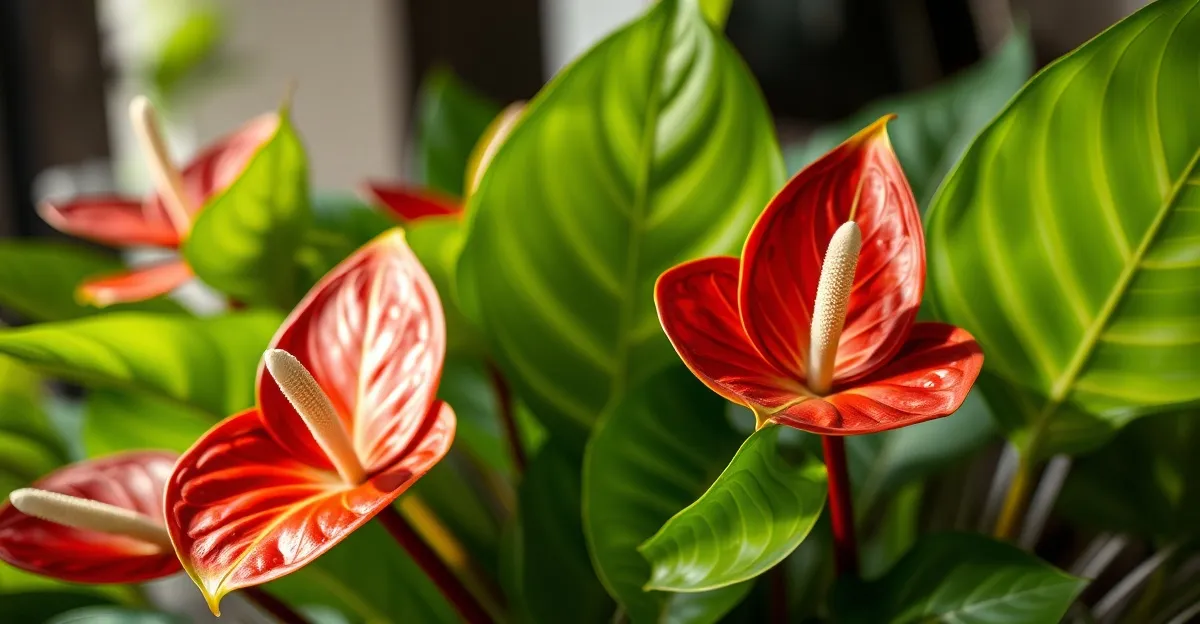
Unlike hydrangeas or roses, which need significant coaxing to perform well in tropical conditions, the anthurium has a different relationship with Bali's climate. It evolved in tropical environments. The heat, the humidity, the rainfall — these are natural conditions for the plant rather than obstacles to manage.
This does not mean anthuriums need zero care. But it does mean the typical advice given for cut flower care in temperate climates applies somewhat differently here. This guide covers care for both cut anthurium stems (the most common retail purchase) and growing anthuriums as plants in Bali — something many villa residents and expats do successfully.
Cut Anthurium Care in Bali
Why Anthuriums Last So Well
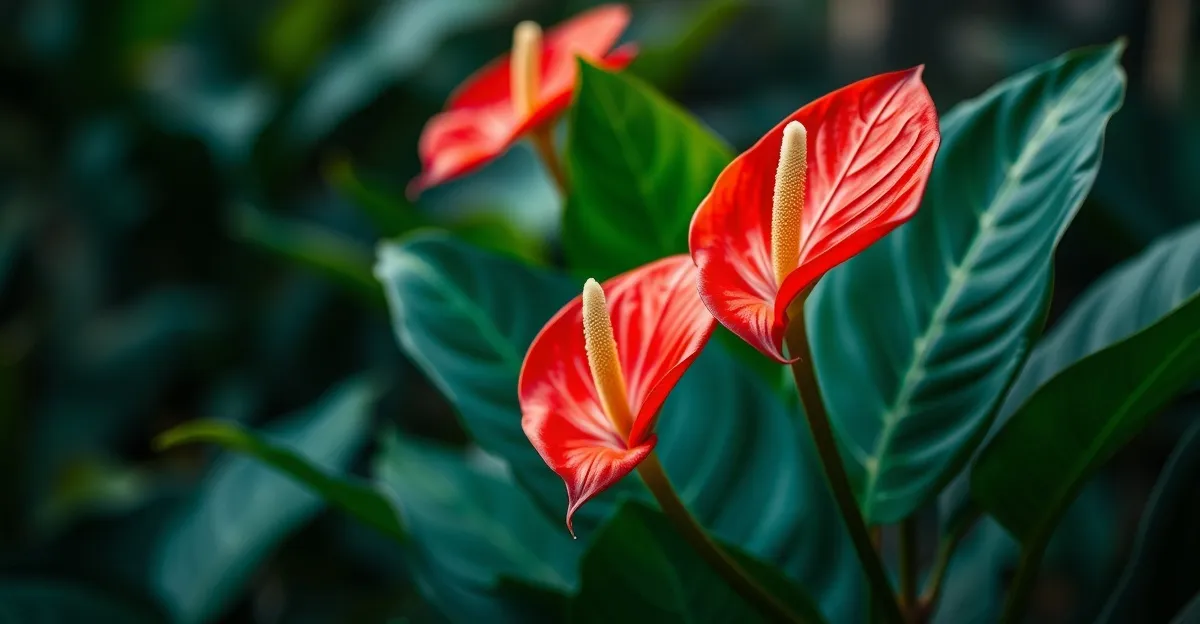
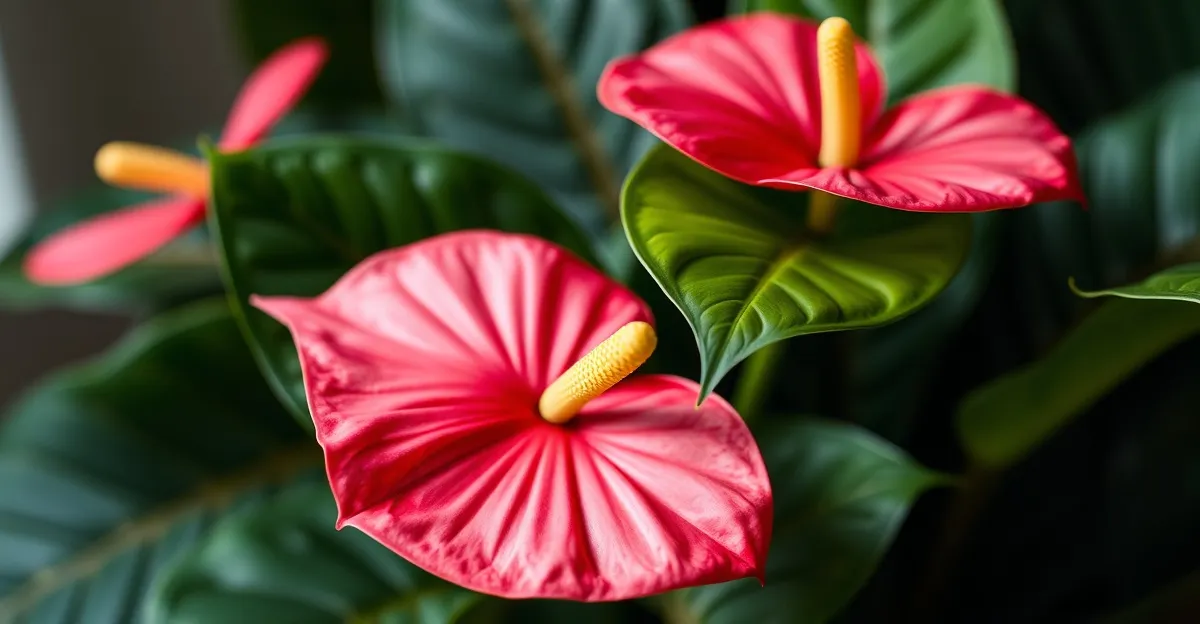
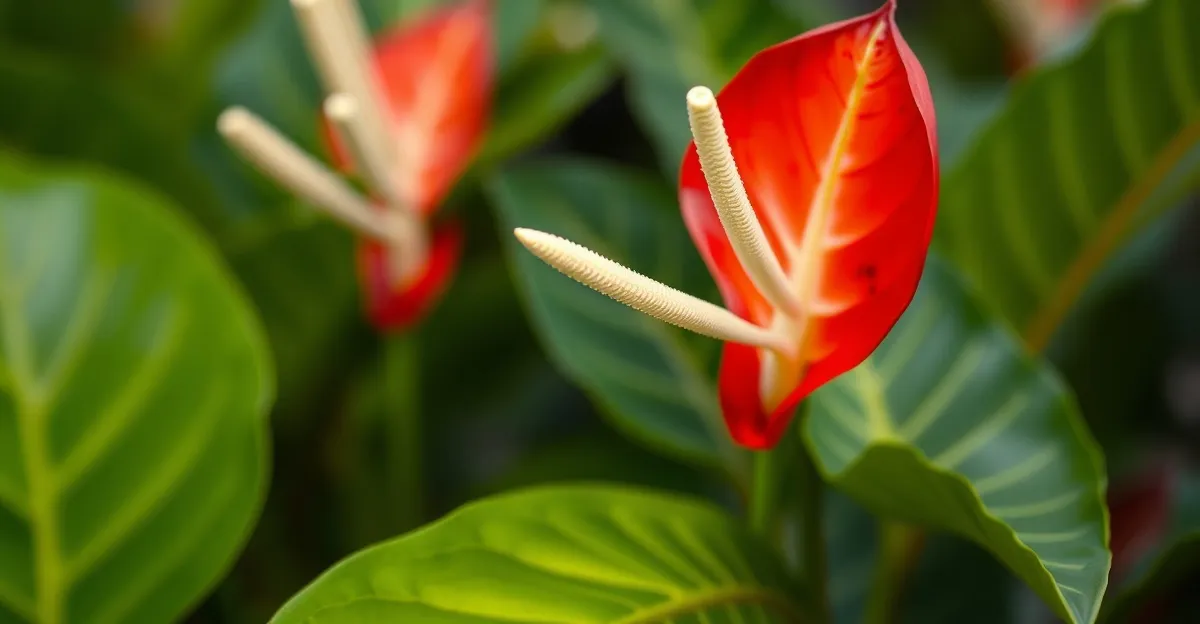
The anthurium's waxy spathe (the "flower") is an adaptation to tropical conditions. The wax coating reduces moisture loss from the petal surface — exactly the problem that kills many other flowers in heat. This is why a well-conditioned anthurium stem can last two to four weeks as a cut flower, compared to one to two weeks for a rose under similar conditions.
This resilience is a significant practical advantage for Bali's florist market and for anyone who wants beautiful cut flowers that justify the delivery cost by lasting meaningfully.
Immediate Care When You Receive Anthurium Stems
-
Recut the stems: Cut 2–3 cm from the stem end at a 45-degree angle. Like all cut flowers, anthuriums form a seal at the cut end that limits water uptake. Fresh-cut stems hydrate more effectively.
-
Use room temperature water: Unlike hydrangeas, which benefit from cold water, anthuriums actually prefer room temperature or slightly warm water — more in keeping with their tropical origins. Very cold water can shock the stems.
-
Adequate water depth: Submerge the lower one-third of the stem. Anthuriums have relatively efficient water uptake and do not need extremely deep water, but adequate coverage is important.
-
Remove any damaged leaves or spathes: Any damaged material deteriorates quickly and can affect the rest of the stem.
Vase Placement
The placement rules for anthuriums are almost the inverse of what you would follow for hydrangeas:
Good placement for anthuriums:
- Warm, humid areas (they like tropical conditions, remember)
- Indirect bright light — they evolved as understory plants and prefer filtered light rather than deep shade
- Away from direct AC vents — dry cold air is not their friend
- Open-air areas with good ventilation, as long as they are in shade
Avoid:
- Direct strong sunlight — the waxy surface reflects some UV but prolonged direct sun fades the colour
- Deep shade — they need light to maintain their colour
- Extremely dry air (constant AC output)
Water Changes
Change vase water every three to four days for anthuriums — slightly less frequently than for hydrangeas because the water stays cleaner in tropical temperatures when anthurium stems are involved. Recut the stems slightly at each water change.
Anthuriums can handle slightly warm vase water better than most flowers, but do not let it become stagnant. Clear water with a slight clean scent is the target.
Cut Flower Food
Commercial cut flower food works well with anthuriums. The bactericide component keeps the water clean, and the sugar provides a small energy source. Add to vase water from the start rather than after initial conditioning (unlike hydrangeas, which benefit from plain water initially).
Extended Life Tips
Misting: A light misting of the spathes with water once a day helps maintain the waxy surface's moisture balance. Do not drench — a fine mist is enough.
Support: Anthurium spathes are heavy relative to their stems. In a vase with other flowers, position anthuriums so their spathes are supported and do not droop. A narrow vase or floral foam can help maintain position.
Avoid ethylene: Ripening fruit produces ethylene gas which accelerates flower deterioration. Keep anthurium arrangements away from fruit bowls.
Growing Anthuriums as Plants in Bali
This is where anthuriums genuinely shine in Bali's context. Unlike hydrangeas, which struggle at sea level, anthuriums are naturally adapted to tropical rainforest conditions. With the right soil, light, and watering regime, they will thrive in a Canggu garden or Seminyak villa.
The Right Location
Anthuriums grow naturally as understory plants — on the forest floor beneath the tree canopy, where they receive filtered light rather than direct sun. Recreate this in Bali:
- Light: Bright indirect light for most of the day. An east-facing position that gets morning light but is shaded from noon onward is ideal. Under a covered veranda, beneath a tree canopy, or inside near a bright window all work.
- Temperature: Perfect for coastal Bali (25–32°C during the day). They dislike temperatures below 15°C — not a problem in Bali's coastal areas.
- Humidity: The 70–85% humidity typical of coastal Bali is genuinely ideal for anthuriums.
Soil Requirements
The critical requirement: excellent drainage. Anthuriums are epiphytic in nature — in the wild, they often grow on tree branches or in piles of forest debris, with their roots in a loose, airy medium. They absolutely do not like waterlogged roots.
For potted anthuriums in Bali:
- Use a mix of orchid potting bark, perlite, and a small amount of potting compost (roughly 50% bark, 30% perlite, 20% compost)
- Never use heavy clay-based soil — root rot will develop rapidly in Bali's rainfall
- Ensure pots have multiple drainage holes and are not sitting in standing water
For garden planting:
- Incorporate plenty of coarse organic matter and grit to improve drainage
- Raised beds or slightly sloped positions help in monsoon season
Watering Regime
This is where many people go wrong with anthuriums in Bali — they overwater them.
- Allow the top 2–3 cm of soil to dry out between waterings
- During dry season (May–September): water every two to three days
- During monsoon (November–March): protect from prolonged heavy rain; natural rainfall may be sufficient or even too much
- Never let the pot sit in water
The test: stick a finger 3–4 cm into the soil. If it feels moist, do not water. If it feels dry, water thoroughly until water drains freely from the bottom.
Fertilising
Anthuriums are moderate feeders. In Bali's tropical growing conditions, they grow actively year-round (unlike temperate plants that go dormant in winter). Fertilise with a balanced fertiliser (NPK roughly equal, or with slightly higher phosphorus to promote flowering) once every six to eight weeks.
Avoid high-nitrogen fertilisers which push leafy growth at the expense of flowers — you want the beautiful spathes, so balanced or flower-focused fertiliser is better.
Common Problems in Bali
Root rot: The most common issue, caused by overwatering or poor drainage. Signs: yellowing leaves, wilting despite moist soil, dark mushy roots. Solution: repot into fresh, well-draining medium and reduce watering.
Scale insects: Small brown bumps on stems and leaves. Common in Bali's humid conditions. Treat with neem oil spray or wipe with a damp cloth and mild soap solution.
Yellowing leaves: Often overwatering. Can also be a sign of too little light or nutrient deficiency.
Faded spathe colour: Usually too much direct sun. Move to a more shaded position.
For comparison on how another popular cut flower requires different care in Bali's climate, how to care for hydrangea in Bali's humid climate offers useful contrast — hydrangeas need much more management than anthuriums in tropical conditions.

The team
your florists
weekly subscription · Bali
We write about flowers because we love them. We deliver them because someone should — properly, weekly, across Bali.
— heyflowerPay once for 3, 6, or 12 months, no auto-renewal.
Propagating Anthuriums in Bali
If you have a healthy anthurium plant and want more, propagation is straightforward in Bali's warm conditions:
Division: When the plant has multiple stems, carefully separate and pot up individual stems. Each stem needs at least one leaf and some roots to survive.
Stem cuttings: A stem section with at least one node and one leaf can be rooted in a mix of perlite and bark. Keep warm and humid (a plastic bag over the pot helps). Roots develop in three to six weeks.
The warm year-round temperatures in Bali mean propagation success rates are high — plants root and establish quickly without the dormancy periods that slow tropical plant propagation in temperate climates.
Frequently Asked Questions
How long do anthurium plants live?
With good care, anthuriums are very long-lived. Well-maintained plants can flower for years — some specimens kept in appropriate conditions have been producing new spathes for a decade or more. They slow their production in cooler or less favourable conditions, but in Bali's ideal tropical climate, a healthy anthurium can be a years-long companion.
Why are my anthurium flowers pale or washed out?
Usually too much direct light. Move to a position with brighter indirect light rather than direct sun exposure. Another cause is nutrient deficiency — add a balanced fertiliser and see if colour improves over the next flowering cycle.
Can anthuriums be kept outside year-round in coastal Bali?
Yes, in a protected shaded position. Under a roof overhang, in a shaded courtyard, or beneath a tree canopy works well. Avoid full-sun positions and protect from direct monsoon downpours which can damage the spathes.
Are anthuriums toxic to pets or children?
Yes — all parts of the anthurium plant contain calcium oxalate crystals which cause irritation to the mouth, throat, and digestive system if ingested. For households with pets or young children who might chew on plants, keep anthuriums out of reach.
What is the ideal pot size for a Bali anthurium?
A pot that is approximately one-third larger than the root ball. Anthuriums do not need enormous pots — they actually prefer slightly snug conditions. A 20–25 cm diameter pot suits a medium-sized plant well. The main requirement is drainage holes, not size.
Beautiful tropical anthuriums and seasonal flower arrangements delivered weekly or fortnightly across Canggu, Berawa, Pererenan, Seminyak, and Kerobokan — visit heyflower.co to subscribe.
More on Anthurium