Hibiscus meaning and symbolism: a full gifting guide
The full guide to hibiscus meaning and symbolism across cultures — and how to use hibiscus thoughtfully in gifts and arrangements in Bali, Indonesia.
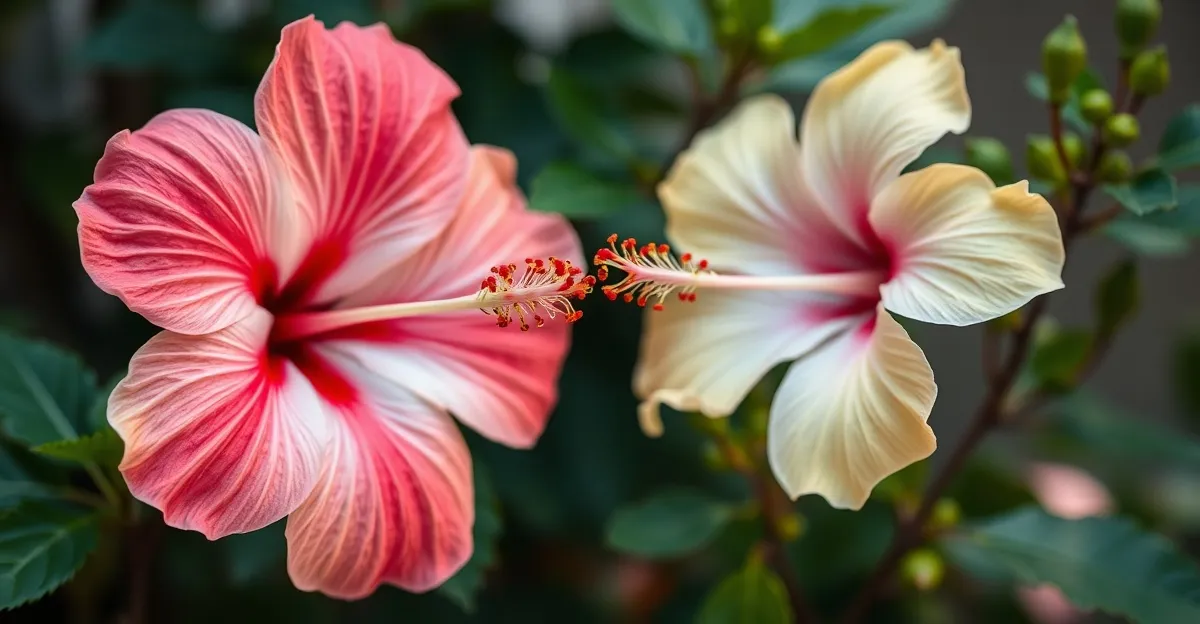
Hibiscus is one of those flowers that means different things in different places — and in Bali, it carries more significance than most visitors realise. It's not just a tropical accent or a poolside garnish. The red hibiscus (Hibiscus rosa-sinensis) is used in Balinese Hindu ceremonies, worn in hair during festivals, and has deep spiritual associations that have been present on this island long before tourism arrived. Understanding hibiscus symbolism makes it a much more thoughtful choice for gifts — and helps you avoid the rare situations where it might not be the right choice.
Hibiscus symbolism in Balinese culture
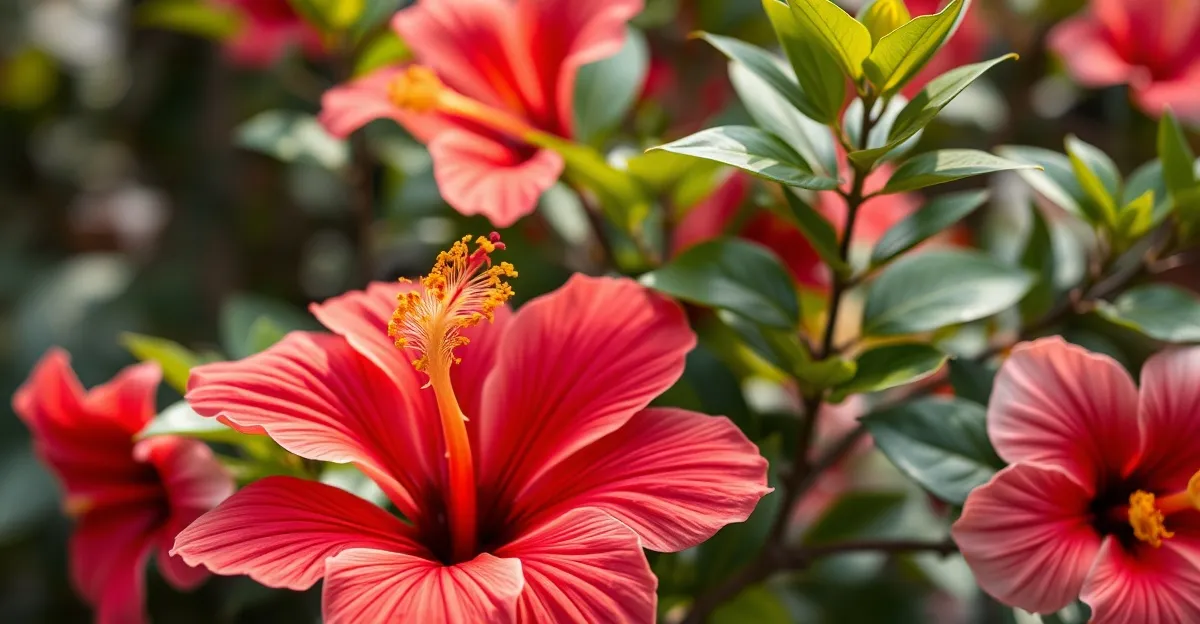
In Balinese Hinduism, the red hibiscus — known locally as pucuk merah or bunga sepatu — has a direct ceremonial role. It's one of the flowers prescribed for use in offerings to the gods, particularly in offerings associated with Brahma, the god of creation. The red colour connects hibiscus to the southern direction in the Balinese cosmological system, where red flowers are placed in canang sari (daily offerings).
This sacred connection elevates hibiscus beyond mere decoration in Bali. When a Balinese woman wears a red hibiscus in her hair during ceremony or festival, it's not just an aesthetic choice — it signals participation in something spiritually significant. The flower itself becomes part of the ceremonial act.
For gifting purposes, this means hibiscus has a positive, auspicious quality in Balinese culture. It's associated with devotion, purity of intention, and connection to the divine. A gift incorporating hibiscus — particularly red hibiscus — carries these associations implicitly.
Hibiscus in broader Indonesian and Southeast Asian tradition
Across Indonesia, hibiscus (bunga sepatu in Indonesian) is one of the most familiar tropical flowers and appears in gardens from Sabang (northernmost Sumatra) to Merauke (eastern Papua). Its cultural associations are generally positive — beauty, vitality, and the warmth of tropical life.
In Malaysia, the red hibiscus (bunga raya) is the national flower, deeply embedded in national identity and ceremony. This gives it a particular resonance in the Malaysian community and among Indonesians who are aware of the regional connection, though it doesn't affect its symbolism specifically in Bali.
In Hindu religious tradition more broadly, hibiscus has strong associations with the goddess Kali in Bengal and parts of India — it's offered at Kali temples and associated with divine energy and power. This specific association doesn't carry the same weight in Balinese Hinduism, which has its own distinct traditions, but it's worth knowing if you're gifting to someone with deep Indian Hindu roots.
What colours of hibiscus mean
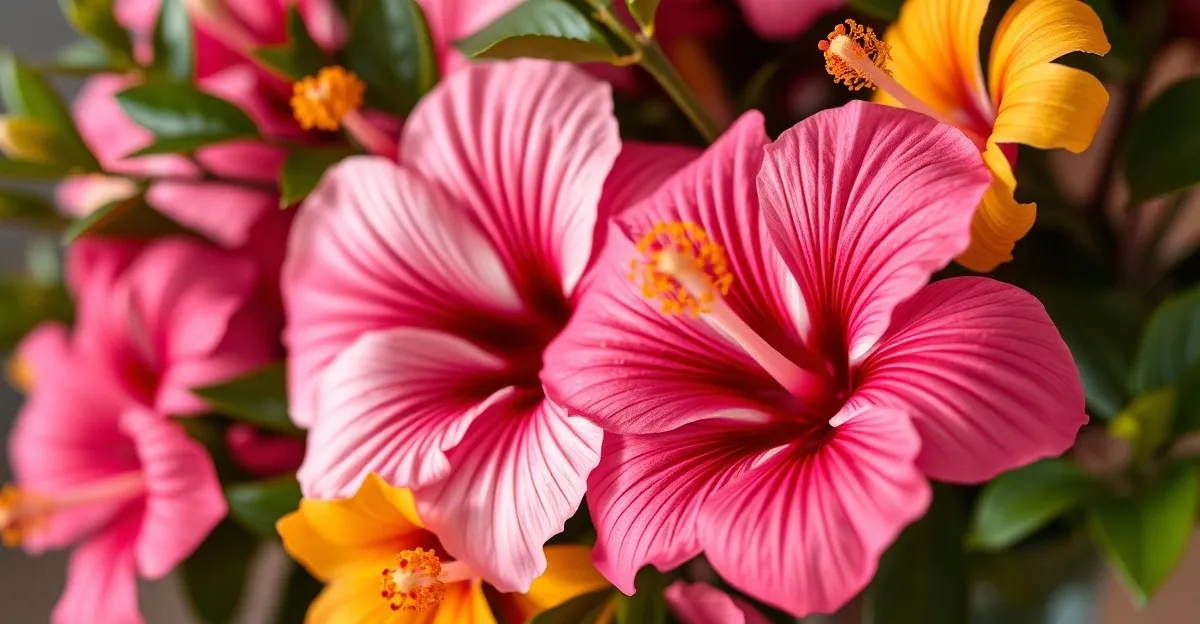
Hibiscus comes in a wide range of colours — from the deep red of the ceremonial varieties to soft pinks, oranges, yellows, whites, and bicoloured forms. Colour matters in gifting.
Red hibiscus: The most ceremonially and symbolically significant in Bali. Passion, devotion, divine connection. Strong choice for any warm celebratory occasion.
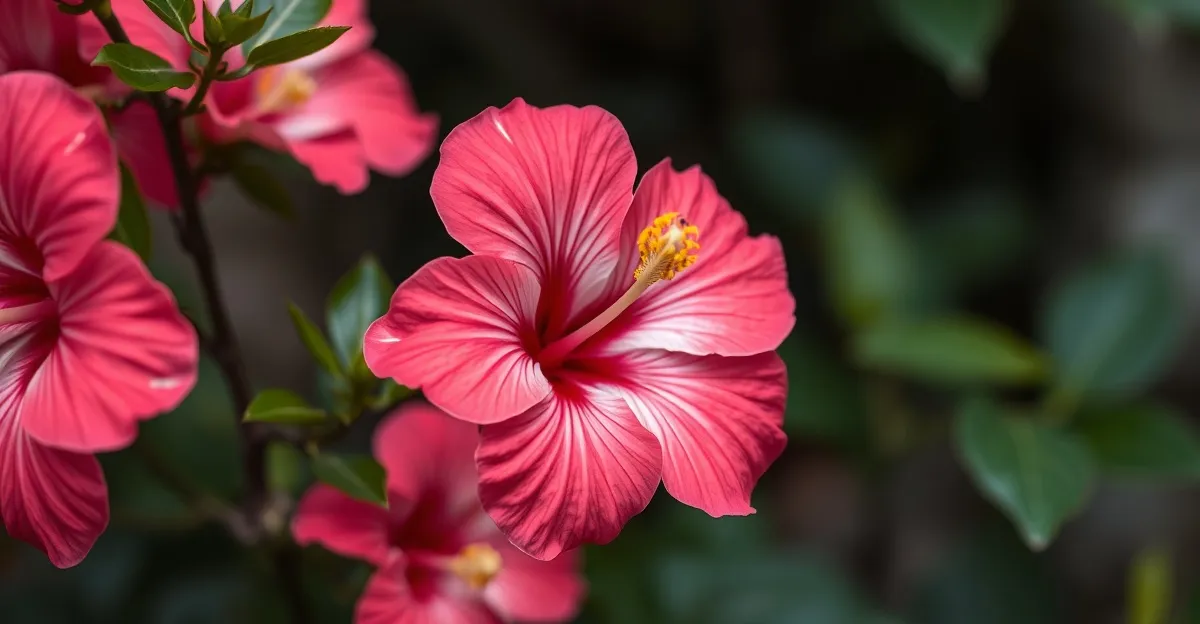
Pink hibiscus: Romance, gentleness, friendship. A softer and more versatile choice for personal gifts across different occasions. Appropriate for birthdays, thank-you gestures, and welcome arrangements.
Yellow hibiscus: Joy, warmth, optimism. In Chinese cultural tradition, yellow can have mixed associations depending on context, but in the Indonesian and Balinese context, yellow hibiscus reads as cheerful and positive.
White hibiscus: Purity and calm. More unusual as a gift because white flowers carry funeral associations in some East Asian contexts, but in the specific context of Balinese ceremony, white is associated with Iswara (east) and has positive ceremonial meaning.
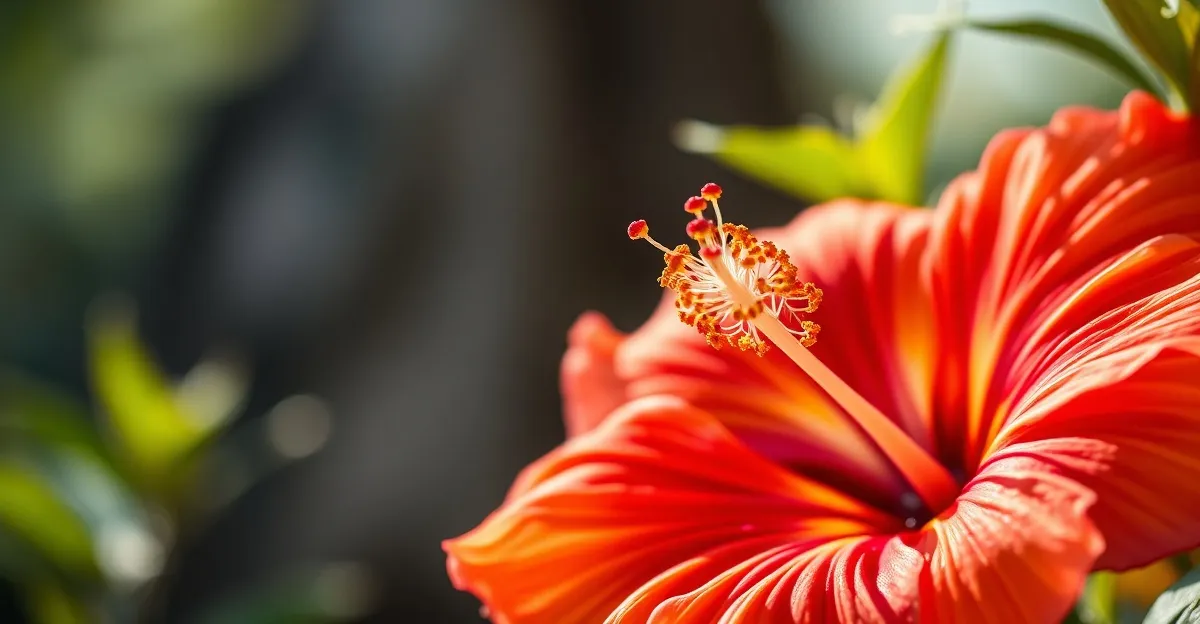
Orange hibiscus: Energy, enthusiasm, celebration. Particularly suited to festive occasions and moments of achievement.
Best occasions to gift hibiscus in Bali
Galungan and Kuningan: These major Balinese holidays are natural occasions to give flowers, and hibiscus — particularly red varieties — is appropriate and appreciated.
Housewarming: The warmth and domestic associations of hibiscus make it a lovely housewarming gift. Combined with other tropical flowers in a generous arrangement, it signals warmth and welcome for a new home.
Birthdays and personal celebrations: Pink and coral hibiscus varieties work beautifully for birthdays. The flower's visual warmth suits celebratory occasions well.
Wellness and spa contexts: Hibiscus has long associations with self-care and beauty — hibiscus flower extracts are used in hair care and skin treatments across tropical Asia. For Bali's wellness and retreat community (the spas and holistic health centres in Ubud and Canggu are significant businesses), hibiscus carries a relevant and resonant symbolism. Bali wellness spas and retreat settings often feature hibiscus in their styling as a result.
Welcome arrangements for guests: Hibiscus has a warm, welcoming quality. Villa owners in Seminyak, Uluwatu, and Jimbaran use hibiscus in welcome flower arrangements for arriving guests — the large, open blooms are visually generous and unmistakably tropical.
Occasions where hibiscus requires more thought
Condolence gifts: White hibiscus specifically should be avoided for condolence gifts to Chinese-Balinese households, where white flowers carry funerary associations. Red and pink hibiscus are generally fine, but very bold colour choices can feel incongruous with the tone of a condolence visit.
Formal business gifts: Hibiscus is a casual, warm flower — it reads more as a garden flower than as a formal florist arrangement. For professional gifting situations where you want to project formality and seriousness, orchids or rose arrangements would typically be more appropriate. Hibiscus works better in a mixed arrangement for business gift contexts rather than as the primary flower.
Gifts to be refrigerated or kept for several days: Hibiscus has a short vase life — individual flowers last only one or two days before being replaced by the next buds on the stem. If the recipient won't be able to enjoy the flowers immediately, choose something longer-lasting.

The team
your florists
weekly subscription · Bali
We write about flowers because we love them. We deliver them because someone should — properly, weekly, across Bali.
— heyflowerPay once for 3, 6, or 12 months, no auto-renewal.
Hibiscus care for recipients in Bali
Hibiscus as a cut flower has very short individual bloom life — each flower typically lasts one or two days, though plants with multiple buds continue opening new blooms for longer. In Bali's tropical heat, individual cut flowers may last only a day. This is worth communicating to gift recipients so they're not disappointed.
For the best experience: hibiscus cut flowers should be in clean, fresh water and placed away from direct sun and air conditioning. Keep the stems trimmed regularly. The short bloom life is part of the flower's character — many tropical cultures regard its brief, intense beauty as part of its meaning, similar to the Japanese aesthetic of mono no aware (the poignant beauty of impermanent things).
For a gift that will last longer than cut hibiscus, consider a potted hibiscus plant — these are readily available from nurseries across Bali and make excellent long-term gifts for residents or people staying long enough to care for a plant.
Pairing hibiscus with other flowers
Hibiscus's large, open blooms work best paired with flowers and foliage that provide contrast in texture and scale. In Bali, natural pairings include:
- Tropical foliage (monstera, palm fronds, banana leaf): frames the bold blooms and reinforces the tropical aesthetic
- Frangipani: a classic Balinese pairing, with the frangipani's waxy petals contrasting with hibiscus's silky texture
- Orchids: dendrobium orchids alongside hibiscus create an arrangement that's clearly tropical while also having florist-quality elegance
- Heliconia: for large statement arrangements, heliconia provides structural height that complements hibiscus's wide, flat face
For a personal daily subscription that includes tropical flowers like hibiscus in season, a regular flower delivery ensures fresh blooms arrive before the previous arrangement has faded — solving the short vase life problem elegantly.
FAQ
What does hibiscus symbolise in Bali? In Balinese Hinduism, red hibiscus has ceremonial significance and is associated with devotion, the divine, and the god Brahma. More broadly, hibiscus symbolises beauty, vitality, and tropical warmth. It's a positive, auspicious flower for most gift-giving occasions.
Is hibiscus the national flower of Indonesia? No — Indonesia's national flowers are the moon orchid (Phalaenopsis amabilis), the jasmine (Melati putih), and the Rafflesia arnoldii. Red hibiscus (bunga raya) is the national flower of Malaysia.
How long does cut hibiscus last in Bali? Individual hibiscus flowers last only one to two days when cut, and even less in Bali's tropical heat. Stems with multiple buds will continue opening new flowers for longer. For a gift, this short life is part of the flower's character — choose it for its immediate impact rather than its longevity.
Can hibiscus be used in Balinese religious offerings? Yes — red hibiscus is specifically used in canang sari (daily offerings) to represent the south/Brahma direction. Other hibiscus colours are less specifically prescribed but may appear in offerings.
Is white hibiscus appropriate as a gift in Bali? For most Balinese households, yes — white has positive ceremonial associations in Balinese Hinduism. For Chinese-Balinese households, white flowers carry funeral associations and should generally be avoided for celebratory occasions.
Ready to bring fresh flowers to your Bali home or event? Explore our weekly flower subscription and get handpicked blooms delivered to your door every week.
More on Hibiscus