Can ginger flower grow in Bali? A florist's perspective
Torch ginger thrives in Bali's tropical climate. Here's what you need to know about growing it at home, from a florist who works with it every week.
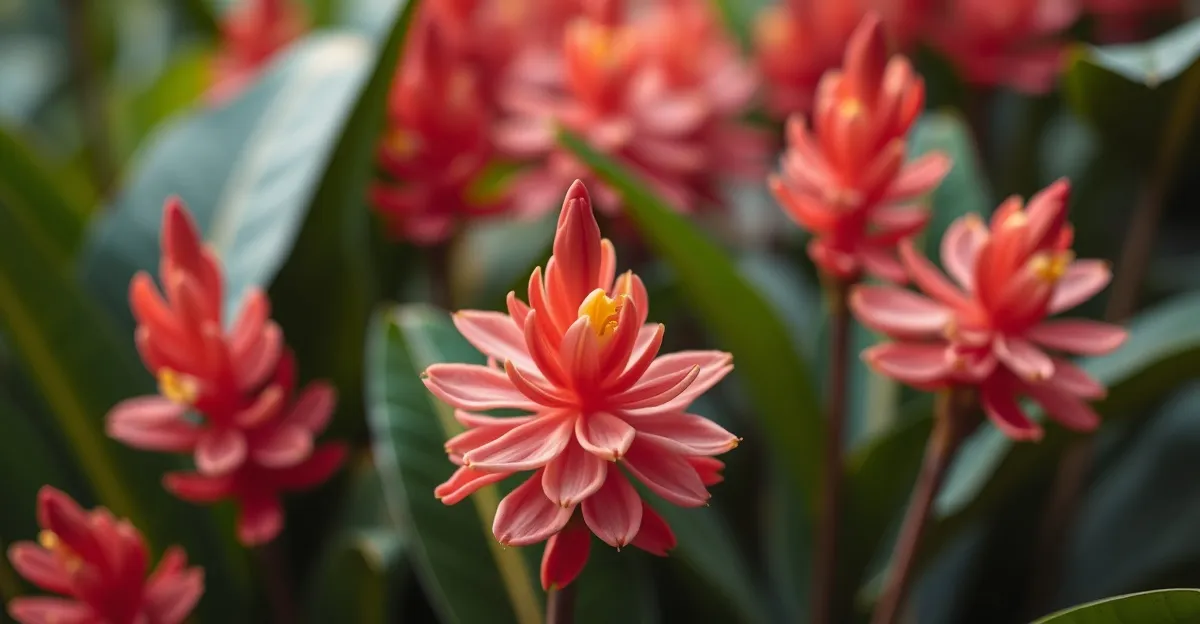
Short answer: yes, torch ginger (Etlingera elatior) grows exceptionally well in Bali. In fact, it's one of the few ornamental plants that seems to actually prefer the island's conditions. If you have a garden, a courtyard, or even a large pot in a warm spot, you can almost certainly grow it. The question is less whether it will grow and more how to manage it well.
As a florist who sources torch ginger regularly — from local growers in Karangasem and Gianyar, from the Bedugul markets, and from gardens across the island — here's what I've learned about how this plant behaves in Bali.
Why Bali's Climate Is Near-Perfect for Torch Ginger
Etlingera elatior is native to Southeast Asia. Its natural range includes Java, Sumatra, Borneo, and the Malay Peninsula — all environments with year-round warmth, high humidity, and regular rainfall. Bali sits comfortably within this range, and the plant responds accordingly.
The key factors that make Bali ideal:
Temperature: Torch ginger thrives in the 24–35°C range. Bali's coastal areas (Seminyak, Sanur, Kuta, the east coast) rarely dip below 22°C at night, which is well above the plant's minimum tolerance. Even up in Ubud at 400–500m elevation, temperatures are warm enough for good growth.
Humidity: The plant wants moisture in the air as much as in the soil. Bali's average relative humidity runs at 70–90% through most of the year, with the wet season (November–April) being the most favorable for active growth. In the dry season, supplemental watering helps maintain growth rates.
Rainfall patterns: The wet season delivers consistent, heavy rainfall — the Ubud area receives around 2,500mm annually, with much of it concentrated between December and March. This is close to the plant's natural rainfall preferences. Even on the drier south coast and the Bukit Peninsula, irrigation makes up any shortfall.
Soil: Torch ginger prefers rich, well-draining tropical soil with organic matter. Balinese garden soil, particularly in the more fertile volcanic areas (the slopes of Agung and Batur), is naturally suitable. Adding compost and ensuring drainage is adequate covers most of the cases where the default soil isn't ideal.
Where in Bali Does It Grow Best
You'll find the densest natural and cultivated growth of torch ginger in a few specific areas:
Karangasem regency (east Bali): The area around Amed, Tirta Gangga, and the villages above Candidasa has torch ginger growing in hedgerows, gardens, and along roadsides. The fertile volcanic soil from Gunung Agung contributes to strong growth.
Gianyar and the Ubud foothills: The hilly terrain around Tegalalang, Payangan, and the rice paddy villages north of Ubud has excellent torch ginger populations. The slight elevation keeps temperatures slightly cooler than the coast, which some growers believe produces better color intensity in the heads.
North Bali (Singaraja and the Buleleng coast): The northern coastal areas have a drier climate than the south, but torch ginger still grows well there with irrigation. The bunga kecombrang (as it's locally called) is widely used in North Balinese cooking and ceremony, so cultivation is common.
Lower elevation coastal areas: Torch ginger grows in southern Bali gardens too — I've seen excellent specimens in Canggu, Seminyak, and even in Sanur. These need more regular watering in July and August when the south can be quite dry.
Growing It in a Home Garden or Courtyard
If you want to grow torch ginger at home in Bali, here's the practical reality:
Space requirements: This is a large plant. Mature torch ginger clumps can reach 3–5 metres in height, with flowering stems growing from separate rhizomes at the base. You need space. A 2×2 metre garden patch at minimum; a dedicated corner of a larger courtyard works well.
Starting from rhizomes: The easiest way to start is from a rhizome section (the underground stem) rather than seed. Rhizomes are available at Bedugul market, from some plant nurseries in Denpasar and Gianyar, and often from neighbors who are dividing overgrown clumps. Plant the rhizome about 5–10cm deep in well-prepared soil.
First flowers: Expect to wait. From rhizome planting to first flowering takes 18 months to 2 years. This is not a fast-return plant. Once established, however, it produces flowers continuously through the wet season and sporadically through the dry season, for many years.
Watering: During dry season (roughly May–October on the south coast), water deeply 2–3 times per week. The plant shows stress through yellowing leaves before it shows stress in the flower stems, so watch the foliage as an early warning.
Fertilizing: A slow-release organic fertilizer applied at the start of the wet season (November) and again in March supports vigorous flowering. Compost worked into the base of the clump once a year is the minimum.
Harvesting for cut flowers: Cut flower stems close to the base early in the morning, when temperatures are lowest. The stem contains a sap that can be slightly irritating to skin — some gardeners prefer to wear gloves for harvesting. Condition immediately in deep water.
Varieties Available in Bali
The most common torch ginger in Bali is the deep coral-red variety (Etlingera elatior red form). But you'll also encounter:
- Pink form (E. elatior rosea): Softer and rarer, with bubblegum pink heads on slightly shorter stems. More common in ornamental gardens than in the market.
- White form: Very uncommon in Bali. I've seen it in specialty plant collections but almost never in the cut flower trade.
- Kecombrang (E. elatior var. used for cooking): The culinary variety used in Balinese and Javanese cuisine looks similar to the ornamental form but the buds are used before the head fully opens. The flowers still have some ornamental value at this stage.
For more context on what the different color forms signify symbolically and as gifts, the guide to ginger flower colors and what each one symbolises covers this in detail.

The team
your florists
weekly subscription · Bali
We write about flowers because we love them. We deliver them because someone should — properly, weekly, across Bali.
— heyflowerPay once for 3, 6, or 12 months, no auto-renewal.
From a Florist's Perspective: Why I Love Sourcing Local
One of the best things about working with torch ginger in Bali is the supply chain. When I need stems, they come from Karangasem, often arriving the same morning they were cut. There's no cold chain, no three-day transit, no week-old stock from an import market. The stems I work with are genuinely fresh — sometimes still with morning dew.
This is the advantage of sourcing a plant that is native to this part of the world. Compare it to sourcing roses, which must be imported from Java or further, or peonies, which come from Holland. The freshness difference is real and it shows in the final arrangement.
For customers who receive regular flower deliveries, ginger flower is always one of the first things I recommend when they ask what's truly local. It's also one of the longest-lasting options in the heat, which matters when you're not sure how long an arrangement needs to hold. There's a full breakdown on longevity in ginger flower vase life in the tropics: how long do they last?.
FAQ
Can I grow torch ginger in a pot? It's possible but challenging. Torch ginger develops an extensive root system and rhizome network that prefers to spread. In a very large pot (100+ litres), you can keep a single-stem clump going, but don't expect the prolific flowering of an in-ground plant. If you have any ground at all, plant it there.
Does torch ginger need full sun? It grows in both full sun and partial shade in Bali. Full sun (6+ hours per day) produces the most abundant flowering. In partial shade, the plant grows taller as it reaches for light, and flowering may be reduced. Morning sun with afternoon shade is a good compromise in hot coastal areas.
How often does it flower? In Bali's climate, a mature plant in the wet season may produce new flower stems every 2–3 weeks. In dry season, production slows. Over a year, a healthy established clump might produce 20–40 flowering stems.
Is torch ginger the same as regular ginger? No. Torch ginger (Etlingera elatior) is related to culinary ginger (Zingiber officinale) in the same order (Zingiberales), but they are different genera and different plants. The culinary ginger you use in cooking comes from Zingiber. Torch ginger is primarily ornamental, though the flower buds are used in some Balinese and Indonesian dishes.
Where can I buy torch ginger rhizomes in Bali? Bedugul market is the best single source for plant material including rhizomes. Nurseries in Denpasar's Sesetan area sometimes stock them. Local markets in Karangasem (Amlapura) often have them too, since the plant is so common in that regency.
If you're in Bali long-term and have any outdoor space, torch ginger is one of the most rewarding plants to grow. It requires patience at the start, but once established, it rewards you generously — with flowers for cutting, a dramatic garden focal point, and a genuine connection to the island's botanical heritage.
Ready to bring fresh flowers to your Bali home or event? Explore our weekly flower subscription and get handpicked blooms delivered to your door every week.
More on Ginger flower