Gerbera vase life in the tropics: how long do they last?
Realistic expectations for gerbera vase life in Bali — the honest numbers, why they droop so fast, and the specific practices that actually extend them.
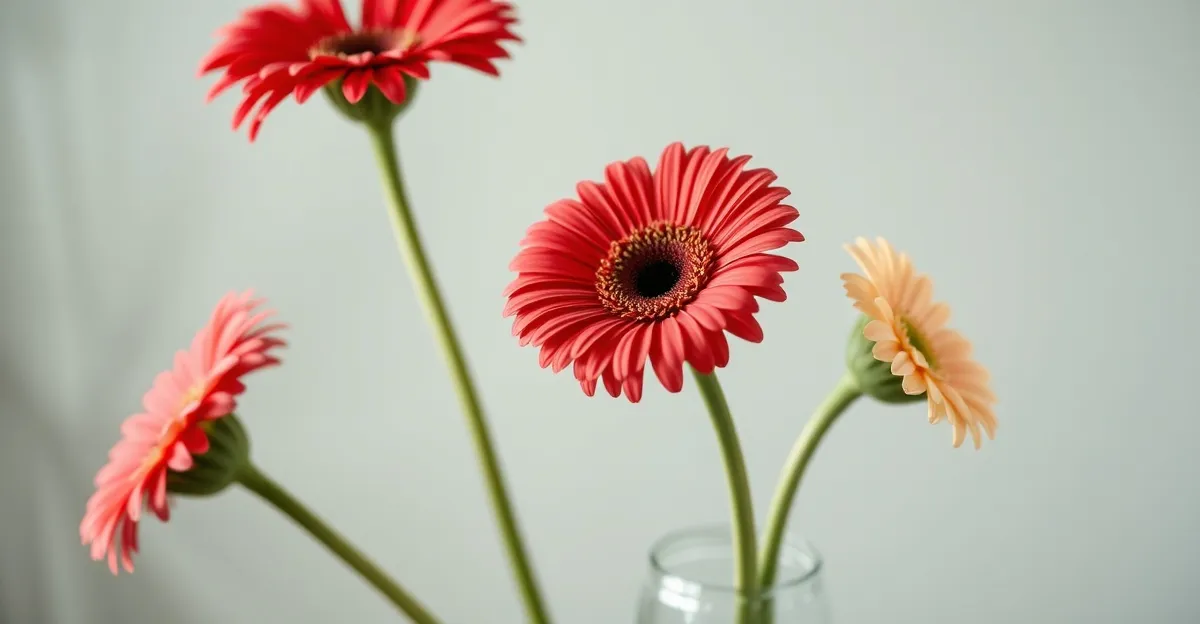
Gerberas are among the more challenging cut flowers to get maximum life from in a tropical climate. Not because they are fragile — they are actually relatively tough flowers — but because they have a specific vulnerability to bacterial stem blockage that Bali's warm temperatures dramatically accelerate. Understanding this changes everything about how you care for them.
The encouraging news: when you do understand it and act accordingly, you can consistently get seven to ten days from gerberas in Bali. That is respectable for a tropical environment.
The realistic numbers
Let me be direct about what to expect:
Without specific care in Bali: Three to five days before drooping. Warm vase water, bacterial growth unchecked, stems blocked — the flower gives up fast.
With moderate care (fresh water every few days, trimmed stems, room temperature below 30°C): Five to seven days. A reasonable baseline for most people's habits.
With attentive daily care (water changed daily, stems recut, cool room or AC): Seven to ten days. This is consistently achievable.
With exceptional care (all of the above plus flower food, optimal temperature): Occasionally twelve days. Possible but not the typical expectation.
The gap between neglect and attention is larger for gerberas than for most flowers in Bali. Chrysanthemums, for example, can go a few days without water changes and still look reasonable. Gerberas deteriorate much faster under casual management.
The drooping problem explained
Gerbera drooping is the primary failure mode. The head bends forward on the stem, looking defeated, even when petals are still intact and colourful. This happens when the stem can no longer move enough water to support the weight of the head.
The mechanism: gerbera stems have hollow sections — essentially tubes — that carry water to the flower head. In warm water, bacteria multiply extremely quickly and begin to colonise these tubes, forming a biological blockage. Water flow drops. The head, which is relatively heavy compared to the stem diameter, loses the hydraulic support it needs and begins to droop.
In temperate climates, this process takes several days. In Bali's 28–34°C temperatures, it can happen in 24–48 hours without preventative management.
What actually makes the difference
Daily water changes
This is the single most important practice for gerberas in Bali. Not every two or three days as you would manage for chrysanthemums — daily, or every other day at maximum.
Every time you change the water, you remove the bacteria that have been accumulating. The vase should be rinsed — ideally with a little dish soap and then thoroughly rinsed clean — before refilling. This resets the bacterial environment and gives the stem a cleaner medium to work with.
Three minutes, every morning or every other morning. The results are dramatic.
Daily stem recutting
Each time you change the water, cut 1–2cm off the base of each stem. This removes the section where bacterial buildup has occurred and opens fresh, unclogged stem tissue for water uptake.
The cut matters: use a sharp blade (a kitchen knife works better than scissors for hollow stems, which scissors can crush). Cut at a 45-degree angle. Do this under running water if possible to prevent air bubbles entering the freshly cut stem.
Shallow water
Counterintuitively, gerberas do better in relatively shallow water — about 5–7cm — than in a fully filled vase. The hollow sections of gerbera stem that are submerged in water are most vulnerable to bacterial decay. Less submerged stem means less surface area for the problem to develop.
Check your water level daily and top up as needed.
Cool temperatures
The cooler the room, the slower bacterial growth, and the longer your gerberas last. This is a generalisation that applies to all cut flowers but affects gerberas especially because of their bacterial vulnerability.
An air-conditioned room at 23°C versus an ambient Bali room at 30°C is the difference between five days and nine days. If you have the option of keeping flowers in a cooler space, gerberas benefit more than most flowers.
Flower food or biocide
Flower food sachets contain a biocide component that inhibits bacterial growth in vase water. For gerberas in Bali specifically, this component is the most valuable part. Use flower food if your florist provides it.
If you do not have flower food, a very small amount of household bleach in the vase water (half a teaspoon per litre, no more) provides biocide action. Do not overdo it — too much bleach damages stem tissue.
The support strategy
Physical support can extend gerbera appearance even when the flower is beginning to lose hydraulic strength. Placing gerberas in a tall, narrow vase where the vase walls support the stems means drooping starts later and is less visible when it does begin.
Alternatively, some florists use a grid of tape across the vase mouth — a simple lattice of florist tape or regular tape that creates small cells for each stem to rest in, providing lateral support.
Comparing gerbera vase life to other Bali flowers
Context helps calibrate expectations:
- Chrysanthemums: 12–18 days with good care — significantly longer than gerberas.
- Roses: 7–10 days with good care — roughly comparable to well-cared-for gerberas.
- Carnations: 10–14 days with good care — longer than gerberas.
- Gerberas: 7–10 days with good care.
- Sunflowers: 5–8 days with good care — slightly shorter than gerberas.
Gerberas are not the longest-lasting Bali cut flower, but they are not the shortest either. For their visual impact — that bold, clean head — the vase life is worth it when managed properly.
Signs it is time to replace
Drooping that does not respond to recutting: When the head will not lift even after fresh water and a significant stem recut, the stem tissue has been too damaged by bacterial blockage to recover.
Petal browning starting from the edges inward: This is oxidation and ageing. Once well underway, it cannot be reversed.
Strong smell from the vase: Severe bacterial overgrowth. The flower is past management.
Slimy stem base: Physical decay of the stem tissue. Replace immediately.
Individual flowers in a multi-gerbera arrangement can be removed as they decline, extending the useful life of the remaining ones.

The team
your florists
weekly subscription · Bali
We write about flowers because we love them. We deliver them because someone should — properly, weekly, across Bali.
— heyflowerPay once for 3, 6, or 12 months, no auto-renewal.
Outdoor events and parties
For outdoor Bali events — a villa party, a beachside celebration, a garden dinner — gerberas will look beautiful for the duration of an event without trouble. In outdoor conditions, do not expect the same management results you get from careful indoor care. For events, the goal is arrival to end-of-event beauty rather than extended vase life.
Cut stems fresh the morning of the event, keep flowers in water until the last possible moment before arranging, and accept that outdoor conditions will compress the performance window compared to indoor care.
For more detail on Bali-specific flower care principles that apply broadly, our guide to how to care for chrysanthemum in Bali's humid climate covers parallel ground with a complementary flower.
Frequently Asked Questions
Why do gerberas droop so much faster in Bali than in other countries?
Bali's consistently warm temperatures (28–34°C) cause bacterial growth in vase water to occur much faster than in cooler climates. The bacteria clog gerbera stems and prevent water from reaching the head, causing drooping. Daily water changes and recutting prevent this by removing the bacteria before they accumulate.
Can I keep gerberas fresher by putting them in the refrigerator?
A very brief cool-down (one to two hours) can help revive wilting gerberas. But storing gerberas long-term in a standard domestic fridge is not ideal — the temperature is too cold and the enclosed environment can cause condensation problems. A cool, air-conditioned room at around 22–24°C is better for long-term storage.
Is a seven-day vase life in Bali considered good for gerberas?
Yes. Given Bali's temperatures and humidity, seven to ten days for gerberas with attentive care is a genuinely good result. The comparison point is that without care, gerberas may only last three to four days. Ten days represents excellent management.
Do larger or smaller gerbera heads last longer?
Smaller heads, paradoxically, sometimes last longer — the smaller head is lighter and the stem does not need to support as much weight before hydraulic pressure becomes insufficient. Large premium gerbera heads create more visual impact but are slightly more demanding.
What is the relationship between gerbera stem length and vase life?
Shorter stems in the vase last longer, practically. The hydraulic distance from the stem base to the flower head is shorter, meaning the stem needs to work less hard to keep the head hydrated. Trim stems to 20–25cm for the vase if drooping is an issue.
Getting the most from gerberas in Bali is a small but rewarding skill. At heyflower.co, we condition our flowers properly before delivery so they start off right — subscribe for weekly gerbera and seasonal bloom deliveries to Canggu, Berawa, Pererenan, Seminyak, and Kerobokan.
More on Gerbera