Can marigold grow in Bali? A florist's perspective
Marigolds are everywhere in Bali — but where do they actually come from? A practical look at growing marigolds in Bali's tropical climate, from village gardens to highland farms.
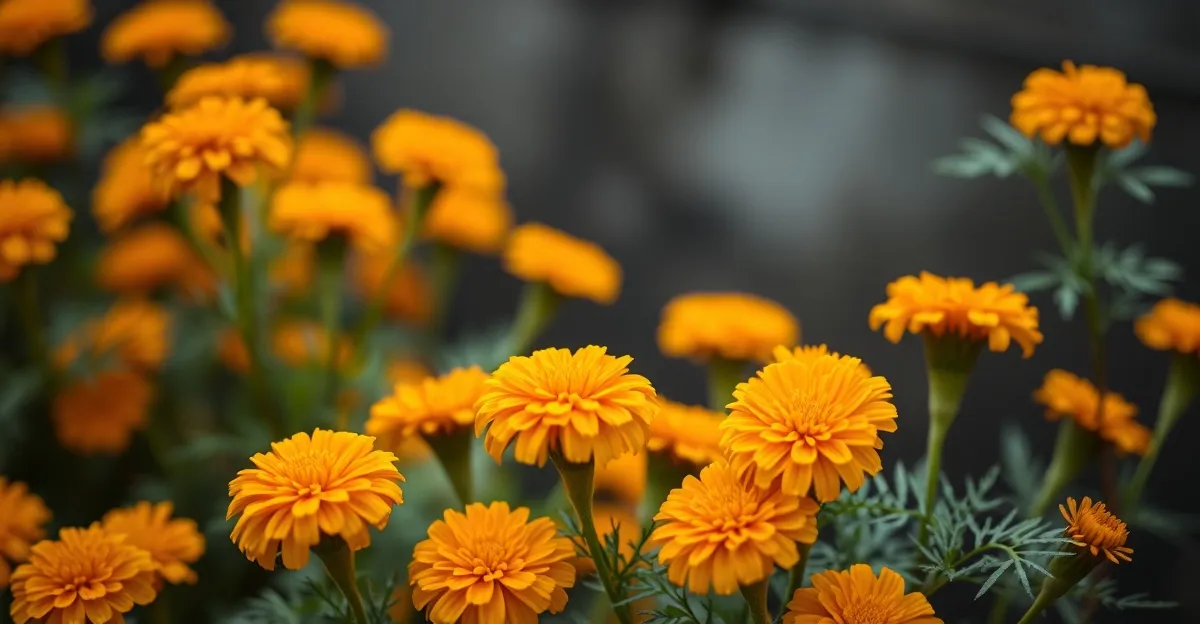
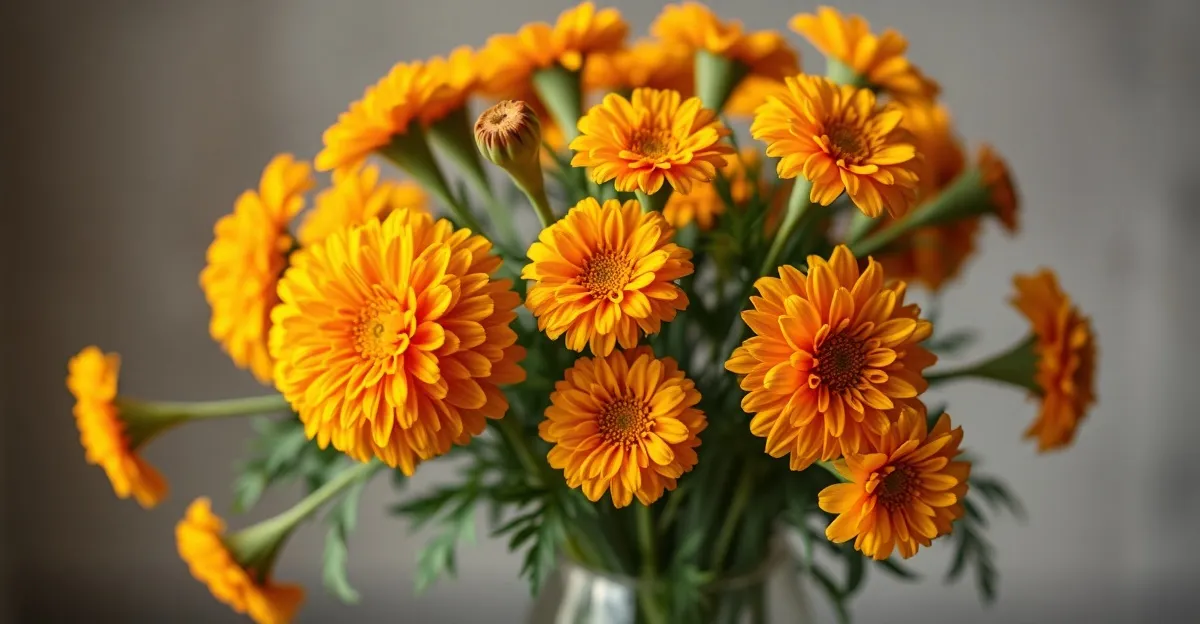
Anyone who has spent time in Bali has seen marigolds everywhere. Threaded into offerings piled at temple gates, woven into penjor poles during Galungan, arranged in baskets at roadside shrines, scattered loose across market stalls. They are as fundamental to Balinese visual culture as the rice terraces and stone carvings. So yes — marigolds absolutely grow in Bali. But where, how, and in what quantities is a more interesting story.
The short answer: yes, but it depends on elevation
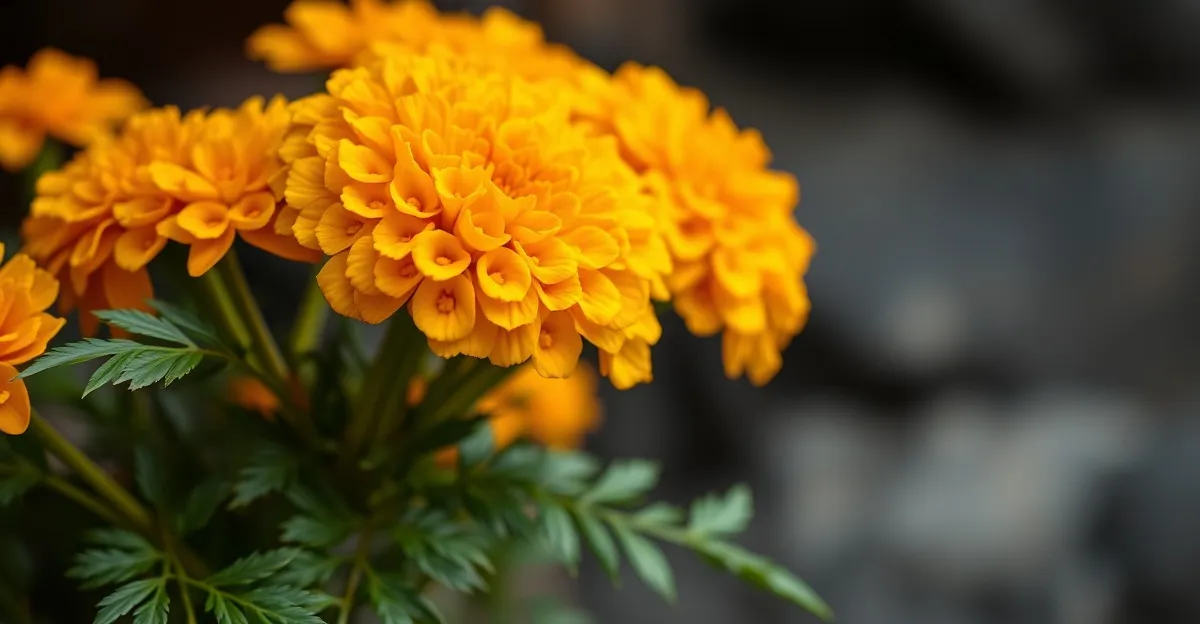
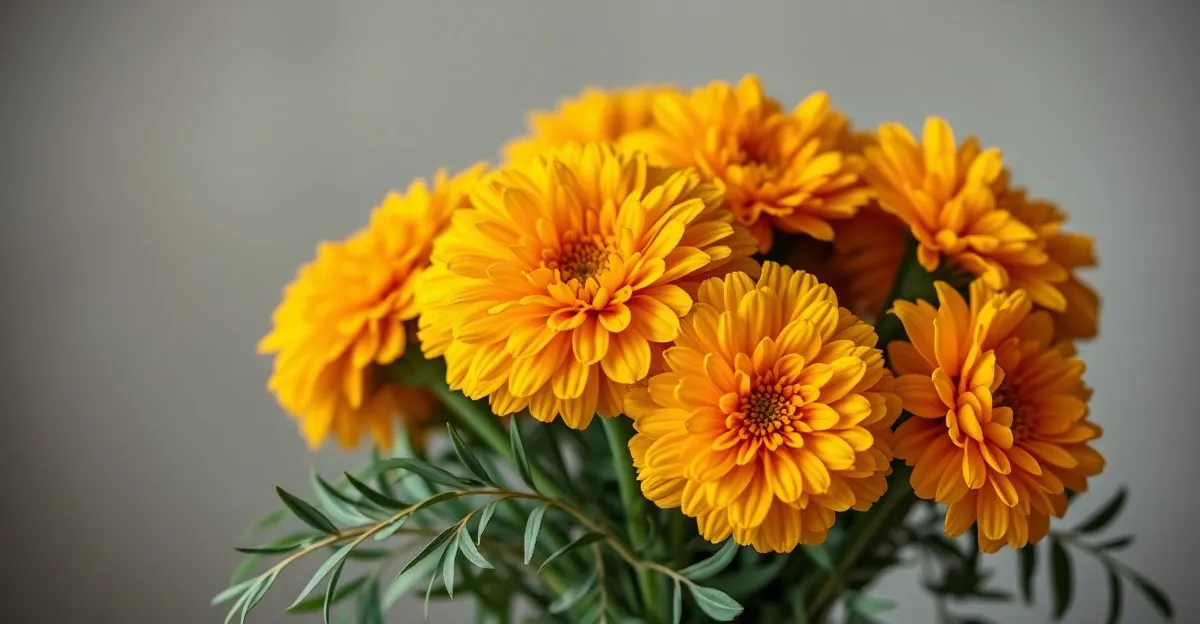
Marigolds (Tagetes species) are more adaptable than many tropical flowers, but they do have preferences. The varieties most commonly used in Bali — the African marigold (Tagetes erecta, tall, large-headed) and the French marigold (Tagetes patula, more compact) — prefer:
- Temperatures between 18°C and 28°C
- Moderate humidity (not extreme)
- Full sun with good drainage
- Well-drained, moderately fertile soil
Bali's coastal areas (Kuta, Seminyak, Canggu, Sanur, Nusa Dua) sit at roughly 0–10m elevation, with year-round temperatures averaging 27–32°C and humidity often above 80%. In these conditions, marigolds can grow but they struggle — they tend to become leggy, produce fewer flowers, and are more susceptible to fungal problems in the high moisture.
Move to higher elevations, and the picture changes. The agricultural highlands around Bedugul (1,200m), Kintamani (1,500m), and Munduk (900m) have temperatures 8–12°C cooler than the coast, more favorable humidity levels, and the cooler nights that marigolds love. This is where serious marigold cultivation happens in Bali.
Where Bali's marigolds actually come from
The marigolds in your local flower market almost certainly came from one of a few sources:
Bedugul and the Candikuning area. The market at Candikuning, near the lake at Danau Beratan, is famous for its flowers and produce. Farmers in this highland area grow marigolds alongside other flowers, supplying markets across Bali. If you drive through this area on a clear morning, you can see flower plots running alongside the vegetable fields.
Kintamani. The highland plateau around Kintamani, with its cooler temperatures and volcanic soil, also supports flower farming. Local growers supply Denpasar's markets with marigolds and other highland-suitable blooms.
Java. A significant portion of Bali's flower supply comes from Java — particularly East Java's highland flower-growing regions around Malang and Batu, where cool mountain temperatures allow for large-scale commercial cultivation. Marigolds from Java arrive through Denpasar's market network.
Village gardens. In traditional Balinese villages across the island, marigolds are grown in home gardens not for commercial sale but for household ceremonial use. A family might have a few plants in their pekarangan (family compound) that supply flowers for daily canang sari. These home-grown plants are hardier in lower-elevation conditions because they have adapted to local conditions over generations.
Growing marigolds in your Bali garden: practical advice
If you live in Bali and want to grow your own marigolds — whether for ceremony, for cutting, or simply because you love their color — here is what actually works.
Choose the right variety. French marigolds (Tagetes patula) handle heat and humidity better than African marigolds. They are smaller, but they flower more prolifically in tropical lowland conditions. Look for compact varieties at nurseries in the Gianyar or Denpasar area. Seeds from African marigolds can be tried, but French marigolds are a more reliable bet for coastal Bali.
Optimize your growing spot. Even in lowland Bali, a spot with morning sun and afternoon shade reduces heat stress. Good air circulation around plants reduces fungal problems. Avoid planting in low spots where water pools during rain — Bali's wet season rain is intense, and waterlogged roots will kill marigolds quickly.
Plant timing matters. Marigolds in Bali grow year-round, but planting at the start of the dry season (April-May) allows plants to establish before the hottest months and avoids the worst of the wet season fungal pressure. That said, many Balinese gardeners grow them continuously and replace plants that decline rather than following a strict seasonal schedule.
Soil preparation. Mix in compost and ensure drainage. Bali's clay-heavy soils in some areas hold water too long for marigolds. Raised beds or mounded soil helps drainage significantly.
Pinch and deadhead. Remove spent flower heads regularly to encourage continuous flowering. Pinch young plants back when they have 3–4 sets of leaves to encourage bushier growth rather than a single leggy stem.
Watch for pests. Spider mites love hot, dry conditions — keep plants watered and check the undersides of leaves. In the wet season, fungal issues like powdery mildew are more common. Ensure good air circulation and avoid overhead watering.
The economics of marigold cultivation in Bali
For commercial flower farms in the Bedugul area, marigolds are a reliable cash crop. They grow quickly (flowers in 6–8 weeks from seed), produce abundantly, and have consistent demand from Bali's enormous ceremony market. During Galungan and Kuningan — the two most significant recurring festival periods — demand for marigolds spikes dramatically, and farm prices can rise accordingly.
During Galungan, Pasar Badung and other flower markets in Denpasar run out of marigolds by mid-morning. Florists and ceremonial suppliers who know the calendar book their quantities in advance. If you need large quantities of marigolds for a ceremony around Galungan, contact your florist at least two weeks ahead.
Retail prices at Denpasar's markets typically run Rp 3,000–8,000 per bunch of 10 stems during normal periods, rising to Rp 10,000–15,000 per bunch during festival peaks. These are among the most affordable cut flowers in Bali — a reflection of the relatively easy local cultivation and high supply.

The team
your florists
weekly subscription · Bali
We write about flowers because we love them. We deliver them because someone should — properly, weekly, across Bali.
— heyflowerPay once for 3, 6, or 12 months, no auto-renewal.
Marigolds and Bali's ceremony calendar
The scale of marigold demand in Bali is worth appreciating. Every household on the island makes at least one canang sari offering per day. Multiply this by Bali's roughly 4 million residents, a significant proportion of whom are practicing Balinese Hindu, and you get a staggering daily requirement for flowers. Marigolds — cheap, abundant, locally grown, and spiritually appropriate — carry much of this load.
This is what makes marigold cultivation economically viable for Bali's highland farmers. There is a guaranteed, consistent, culturally embedded demand that does not depend on external markets or trends. It is one of the more stable flower-farming contexts in Southeast Asia.
For more on the role marigolds play in Balinese ceremony specifically, see our article on marigold in Balinese ceremonies: traditional uses in Bali.
Can you grow marigolds at your Bali villa?
If you are renting a villa in Seminyak, Canggu, or Ubud and want to add some marigolds to the garden, the answer is a qualified yes. Buy established seedlings from a local nursery rather than starting from seed — it is faster and the nursery plants are already adapted to local conditions. Plant in well-drained soil with morning sun.
Manage your expectations: in lowland coastal areas, marigolds will not be as lush and prolific as in highland conditions. But a few plants producing bright orange-yellow flowers in a tropical garden are worth the effort, and they add a genuinely Balinese character to any outdoor space.
For a more reliable approach to keeping your home consistently full of fresh flowers without the gardening work, a regular delivery subscription takes the uncertainty out of it — see our weekly flower subscription options.
FAQ
Do marigolds grow naturally in Bali? Marigolds are not native to Bali — they originate from Mexico and Central America. But they have been cultivated in Bali for generations, and the island's highland areas have ideal conditions for marigold farming. They are as much a part of Bali's agricultural landscape as they are of its ceremonial life.
Why are marigolds so cheap in Bali compared to other flowers? Marigolds are locally grown in significant quantities, have a fast growth cycle, and face consistent high demand that supports a stable farming industry. The combination of local supply and efficient cultivation keeps prices low compared to imported flowers like roses, lilies, or freesias.
What is the best variety of marigold to grow in lowland Bali? French marigolds (Tagetes patula) in compact varieties handle heat and humidity better than tall African marigolds. Look for heat-tolerant varieties at Balinese nurseries — staff at shops in Gianyar or near Denpasar can usually advise on what performs well locally.
Do marigolds in Bali flower year-round? In highland growing areas, yes — continuous production is possible. In lowland areas, plants may struggle during the hottest months (September–October) and produce less prolifically. Well-tended plants can flower continuously with deadheading and regular replacement as plants age.
Where is the best place to buy fresh marigolds in Bali? Pasar Badung in central Denpasar, Pasar Kumbasari (across the river), and the Candikuning market near Bedugul are the main sources. For delivery to your location in the Seminyak-Canggu-Ubud corridor, a florist service can bring fresh marigolds as part of a wider arrangement.
Ready to bring fresh flowers to your Bali home or event? Explore our weekly flower subscription and get handpicked blooms delivered to your door every week.
More on Marigold