Can lotus grow in Bali? A florist's perspective
Lotus thrives across Bali, from rice paddy edges to temple ponds. Here's what you need to know about growing and sourcing it as a florist and home gardener.
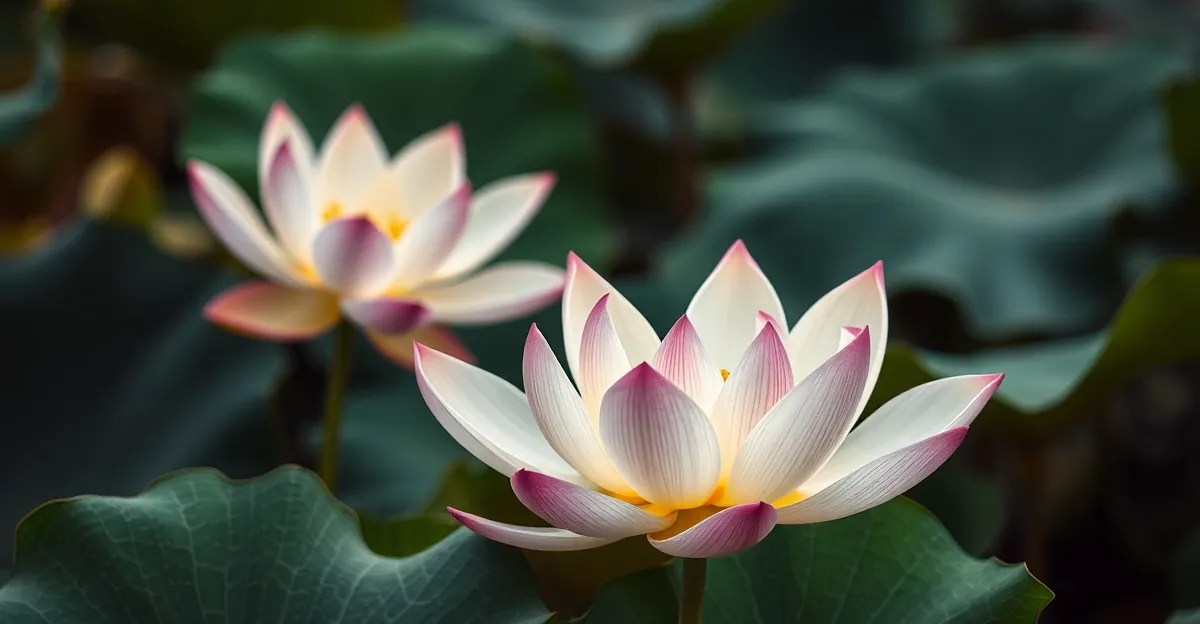
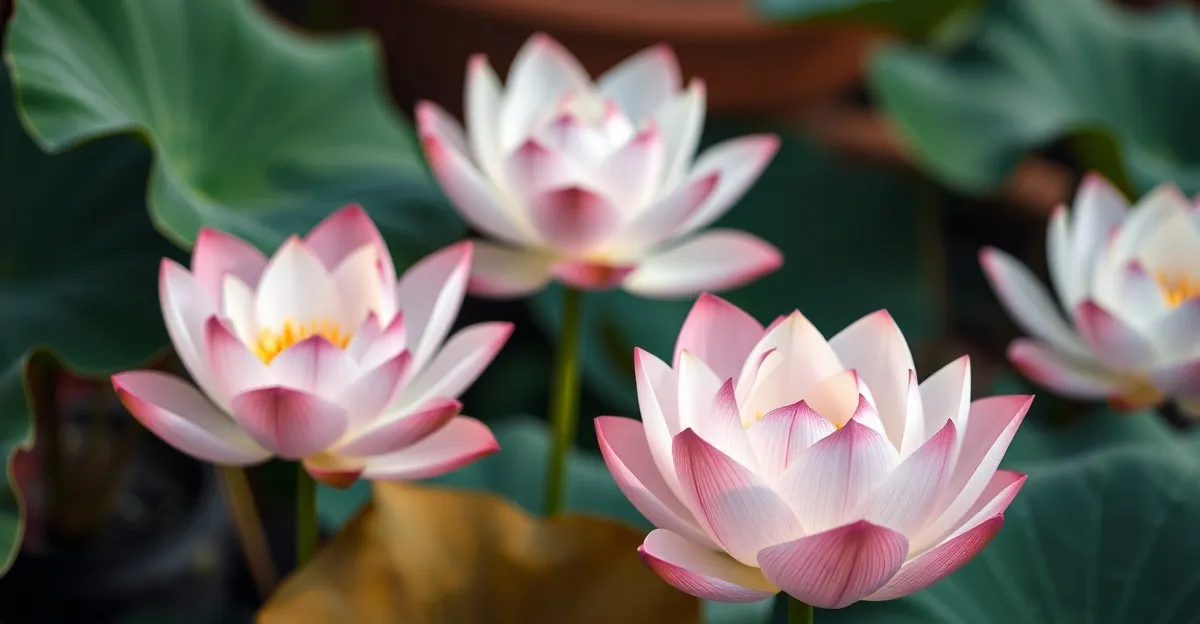
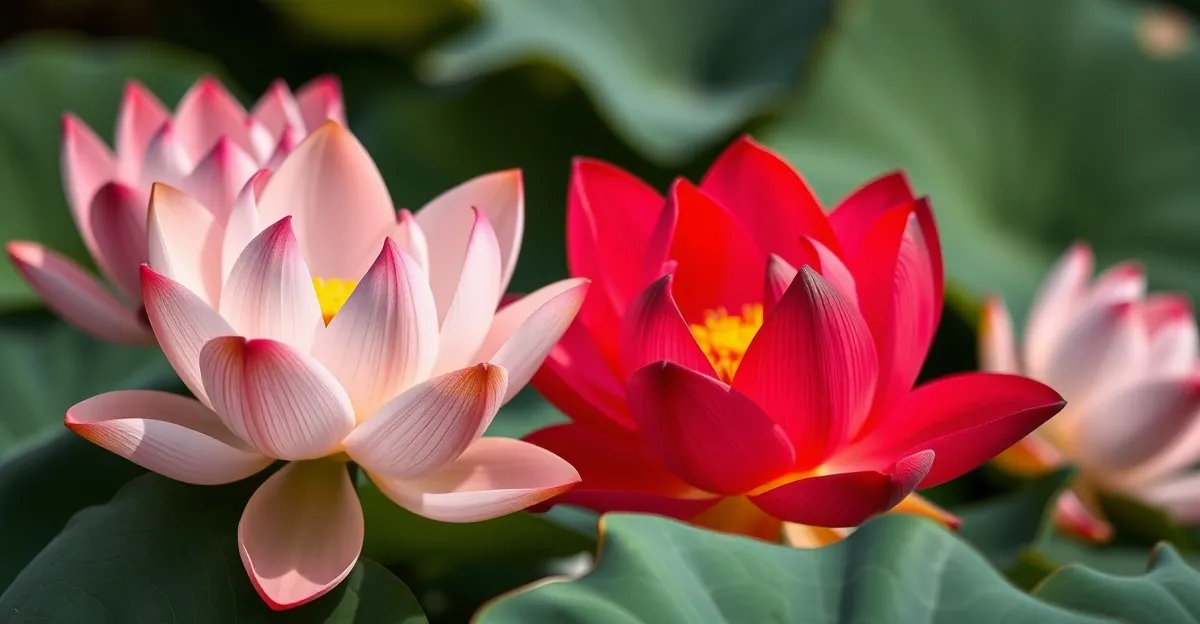
Lotus (Nelumbo nucifera) doesn't just grow in Bali — it flourishes here with very little encouragement. The sacred flower of Hindu cosmology is native to tropical Asia, and Bali's warm temperatures, high rainfall, and deeply rooted Hindu culture have made it one of the most present plants on the island. If you want to grow it, you're working with a plant that belongs here.
That said, growing lotus successfully requires understanding its specific needs. Unlike most garden plants, lotus is aquatic — it needs water, not soil, as its primary growing medium. Here's the practical guide, from a florist's perspective.
Why Bali's Conditions Are Ideal for Lotus
Lotus is a tropical and subtropical aquatic plant. It grows naturally in shallow ponds, lake margins, and slow-moving water bodies from India through Southeast Asia and into northern Australia. Bali sits squarely in its native range, and the plant responds with vigor.
Temperature: Lotus needs warm water and warm air temperatures to grow well. It goes dormant in temperatures below 10°C and grows actively above 20°C. In Bali, minimum temperatures rarely drop below 22°C even at higher elevations, and water temperatures in ponds and paddies stay warm year-round. This means lotus in Bali doesn't have a dormancy period — it grows continuously.
Light: Lotus is a full-sun plant. It needs 6+ hours of direct sun to produce flowers. Bali's tropical light intensity (the island sits at 8 degrees south of the equator) is excellent for lotus cultivation, particularly in the lower-elevation coastal and central areas.
Water: Lotus needs still or slow-moving shallow water — typically 30–60cm depth for a growing medium, with the rhizomes anchored in soil at the bottom. Bali's rice irrigation system (the traditional subak irrigation) has created thousands of hectares of precisely this kind of shallow water habitat. The lotus is ecologically at home alongside rice cultivation.
Wet season rain: The November–April wet season delivers heavy, consistent rainfall that fills water bodies and creates ideal lotus-growing conditions. During this period, lotus in Bali grows at its most vigorous rate.
Where Lotus Grows Across Bali
Lotus is present across the island, but in concentrated populations in a few areas:
Gianyar regency (including Ubud): The rice paddy areas around Ubud, Tegalalang, and the river valleys of the Tukad Petanu and Tukad Pakerisan have both cultivated and semi-wild lotus. The famous Pura Taman Saraswati temple in Ubud center has a large lotus pond that flowers abundantly through most of the year.
Tabanan regency: The agricultural heartland of Bali has significant lotus cultivation, particularly in the lowland paddy areas around Kerambitan and along the south coast. Tabanan is one of the main sources for cut lotus sold in Denpasar's markets.
Badung regency (south and central): Ornamental lotus ponds are common in villa gardens and hotel grounds across the south. The Taman Mumbul fish ponds in Nusa Dua have historically had significant lotus populations.
Temple ponds: Almost every significant Pura (temple) in Bali with a water feature has lotus growing in it. The flower is considered sacred (padma) and its presence in temple ponds is deliberate and maintained.
Growing Lotus at Home in Bali
You don't need a rice paddy or a large garden pond to grow lotus. A medium to large container — an old bathtub, a half-barrel, a large clay pot sealed at the bottom, or a purpose-made plastic tub — can support a thriving lotus plant.
Container size: The absolute minimum for flowering is a container 50cm wide and 40cm deep. Larger is better — a 1-metre wide, 50cm deep container will produce noticeably more flowers. The rhizomes spread horizontally and need room.
Setting it up: Fill the bottom 15–20cm with heavy loam soil or clay soil (not standard potting mix — this floats). Add organic fertilizer pellets or compost into the soil layer. Fill with water to 30–40cm depth above the soil surface. That's the basic setup.
Getting plants: Start from a rhizome section (a fleshy underground stem with growing tips) rather than seed. Lotus can be grown from seed but it's slower. Rhizomes are available at Bedugul market, occasionally at the Denpasar plant nurseries, and from farmers selling at local markets in Gianyar and Tabanan. A single rhizome section will establish a plant in one season.
First flowers: From rhizome planting, expect first flowers in the first or second wet season after planting. Lotus in Bali can flower within 6–12 months of establishment, significantly faster than in cooler climates where the plant needs to rebuild from dormancy each year.
Maintenance: Change or top up water periodically — stagnant water in a sealed container can become problematic without some flow or regular refreshing. Remove yellowing leaves. Fertilize at the start of the wet season. That's essentially it.
Pests: In Bali, aphids on lotus leaves are the most common issue. A strong water jet is usually sufficient to manage them. Mosquito larvae in the water container are a practical concern — adding a few small fish (guppies work well) to your lotus container solves this while also adding fertility to the water.
Cut Lotus for Florists: Sourcing and Supply
As a florist, my lotus supply comes primarily from two sources: the Denpasar flower markets (Pasar Burung Satria and the roadside flower stalls around Jalan Gajah Mada) and direct from small Gianyar and Tabanan growers.
The market stock is cut the previous day or that morning, which is important for lotus — freshness at the point of purchase has a significant effect on final vase life. The growers I work with directly will cut on order, which gives the best possible starting point.
Lotus availability in the Bali market is strongest during the wet season (November–April), when plants are in active growth and flowering most abundantly. During the dry season (particularly July–September), supply is thinner and prices rise slightly. For event planning purposes, this seasonal variation is worth accounting for.
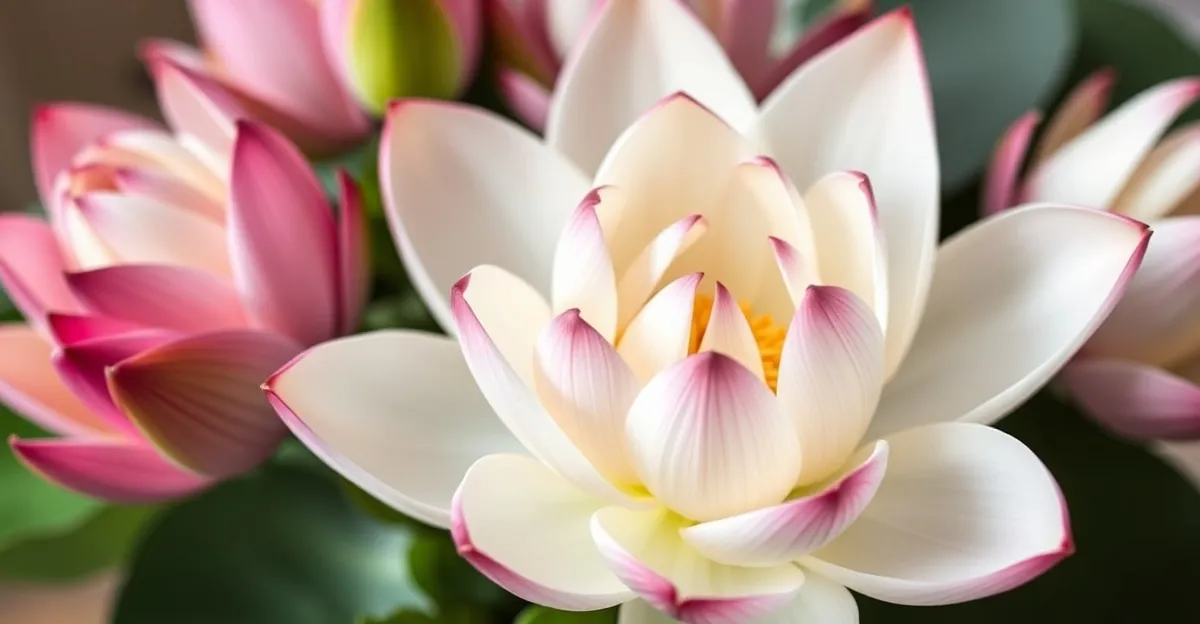
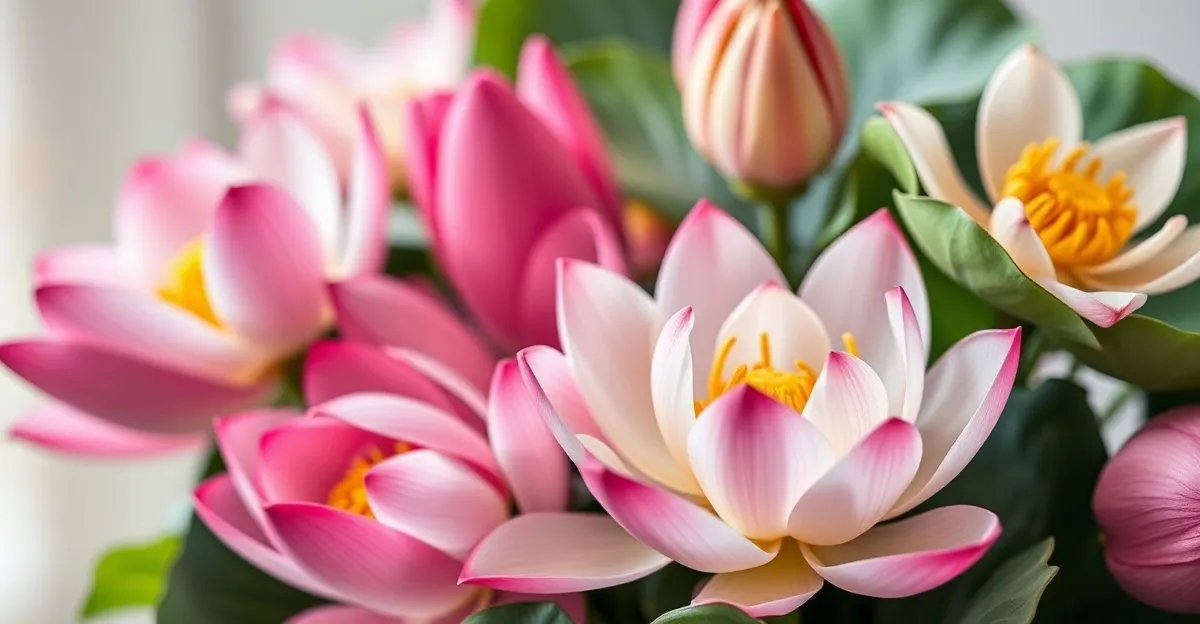
What to look for when buying: Choose blooms that are still in bud or just beginning to open. Avoid blooms that are already fully open or showing loose outer petals — these are at day 2–3 and you've missed the best part. Stems should feel firm and the cut end should look fresh, not slimy.
Lotus leaves and seed pods: Don't overlook these. Lotus leaves (round, water-repellent, and sometimes very large) are excellent as arrangement elements or as backdrop material. Lotus seed pods (the flat-topped receptacle that remains after petals fall) are among the best dried flower materials available — they hold their form beautifully for months. Most market sellers include leaves and pods at minimal cost.
For more on how lotus behaves once cut and how to extend its life in arrangements, see lotus vase life in the tropics: how long do they last?.

The team
your florists
weekly subscription · Bali
We write about flowers because we love them. We deliver them because someone should — properly, weekly, across Bali.
— heyflowerPay once for 3, 6, or 12 months, no auto-renewal.
Lotus in Balinese Culture: Why Growing It Matters
Working with lotus in Bali means working with a plant that carries profound meaning. The Balinese word for lotus is padma (from Sanskrit), and it appears in temple names (Pura Padmasana, the main shrine in most temples), in deity iconography (gods and goddesses are often depicted sitting on lotus thrones), and in daily ceremony.
Growing lotus in your garden or courtyard is, in the Balinese worldview, an act of inviting something sacred into your space. Many Balinese homeowners maintain a lotus container specifically to have fresh blooms for offerings — the ability to cut a fresh lotus from your own garden for a ceremony is considered particularly auspicious.
For expatriates or visitors who have developed a deep relationship with Bali, growing lotus is one of the most grounded ways to connect with the island's spiritual landscape. It's not about appropriating ceremony — it's about cultivating genuine understanding through the practice of growing what the island grows.
If you're working with lotus in an arrangement or gifting context, the guide to pairing lotus with other blooms: a florist's guide has specific guidance on how to compose around it well.
FAQ
Can I grow lotus on a Bali apartment balcony? Yes, if the balcony gets sufficient sun (6+ hours direct light) and is structural enough to support a heavy water container. A 50-litre container with water and soil is manageable on most villa or apartment balconies. Avoid terraces that are mostly shaded or that get only brief morning sun.
Will lotus grow in a villa pool or ornamental pond? A villa swimming pool is not suitable — the chlorine is toxic to the plant. An ornamental koi pond or garden pond is potentially suitable if the water is 30–60cm deep in some areas. Lotus can coexist with fish; in fact, they support each other (fish fertilize the water; lotus provides shade).
How do I know if my lotus is ready to flower? Once a lotus plant is established and has produced several leaves, flowering follows naturally during warm, sunny conditions. In Bali's climate, this is most of the year. When the plant reaches a point where leaves are growing above the water surface (aerial leaves rather than floating leaves), flowering is close.
Is wild lotus protected in Bali? There are no specific legal protections for lotus in Bali. However, removing plants from temple grounds or protected areas is not appropriate regardless of legal status. Source from markets or legitimate nurseries.
How deep should the water be for lotus? 30–60cm of water above the soil surface is the standard recommendation. Too shallow (less than 20cm) in Bali's sun can lead to overheating of the rhizomes in a small container. Too deep (over 80cm) reduces the light reaching young leaves and slows establishment.
Lotus in Bali isn't a demanding plant — it simply wants what Bali naturally provides: warmth, water, and light. If you give it a container and a sunny spot, it will almost certainly reward you with flowers that connect you to something ancient and genuinely beautiful about this place.
Ready to bring fresh flowers to your Bali home or event? Explore our weekly flower subscription and get handpicked blooms delivered to your door every week.
More on Lotus