Lotus vase life in the tropics: how long do they last?
Lotus flowers are beautiful but short-lived as cut blooms. Here's exactly what to expect from lotus vase life in Bali's heat, and how to maximise it.
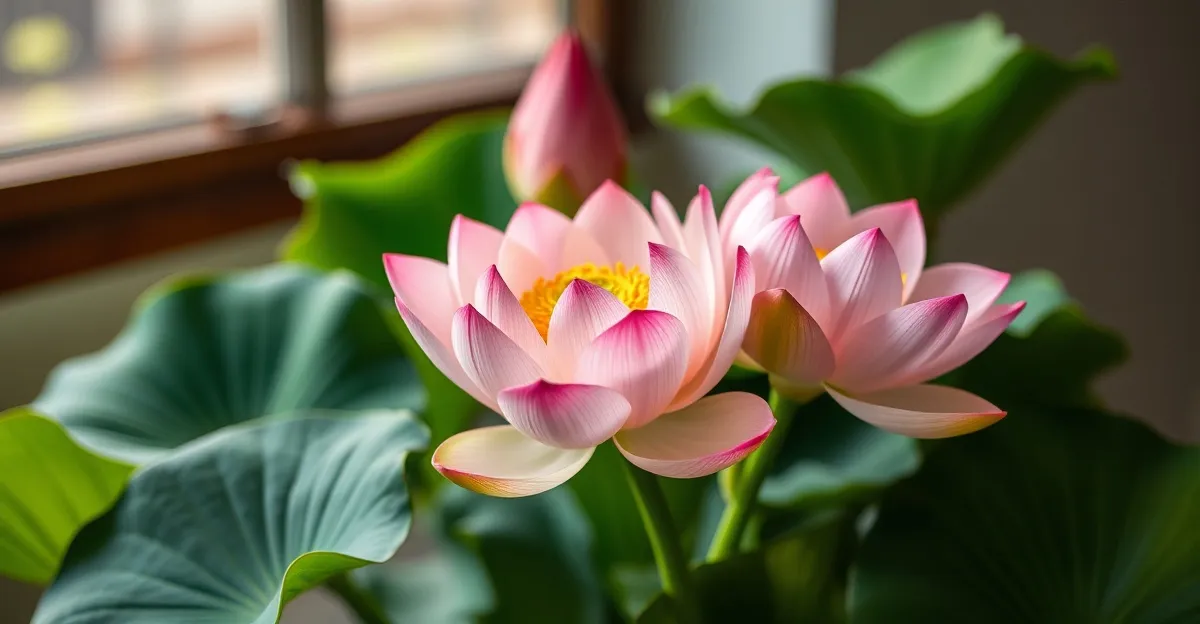
Lotus flowers are one of the most beautiful blooms you can have in a Bali home or venue. They're also, in cut-flower terms, one of the more demanding. Unlike torch ginger or anthurium — which will hold strong in the tropics for 10–14 days with basic care — lotus requires more attention and has a shorter window. But knowing exactly what to expect helps you work with that reality rather than against it.
Here's an honest, practical guide to how long lotus actually lasts in Bali's climate.
The Reality of Lotus Vase Life
A freshly cut lotus bloom in Bali's conditions will typically last 3–5 days before petals begin to drop. Under ideal conditions — cool shaded room, clean water changed daily, handled gently — you might stretch this to 6–7 days, particularly if the bloom is still in bud form when you receive it.
This is shorter than most tropical flowers. Compare it to:
- Torch ginger: 10–14 days
- Anthurium: 10–21 days
- Dendrobium orchid: 10–14 days
- Frangipani heads (floating): 2–3 days
- Heliconia: 7–10 days
So why use lotus at all? Because for 3–5 days, it produces an experience that almost no other flower can match. The daily opening and closing, the clean fragrance, the spiritual presence — lotus does things that longer-lasting flowers simply don't. It's a choice that rewards frequent replacement rather than expecting permanence.
The Lotus Lifecycle in a Vase
Understanding the natural lifecycle of lotus helps you manage expectations and use the flower at its best.
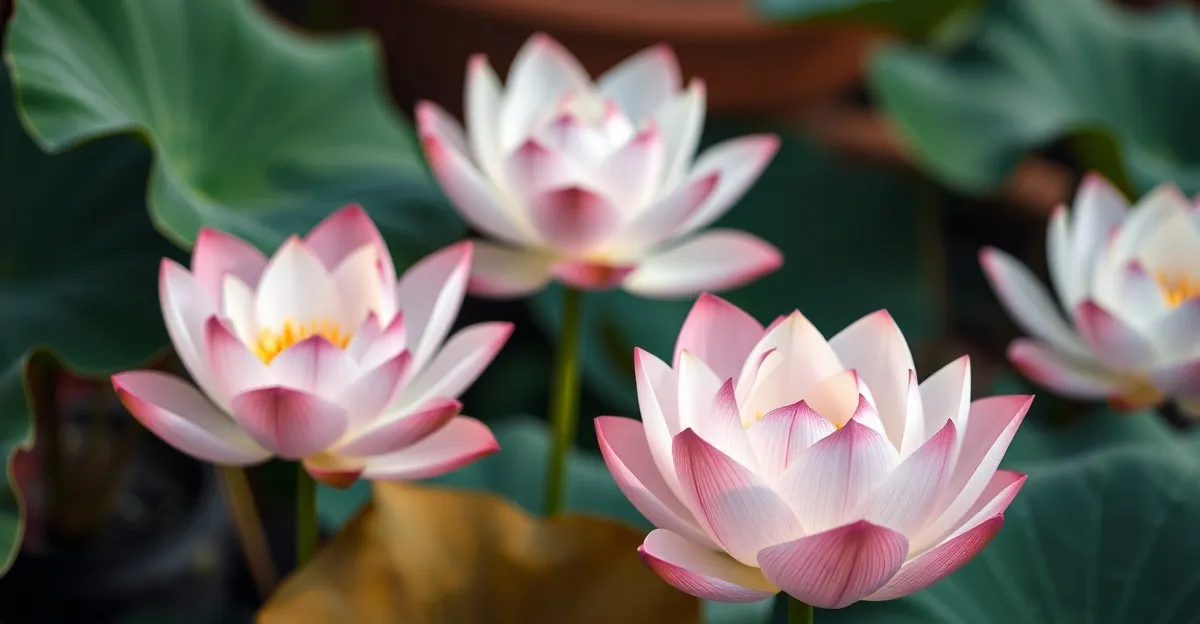
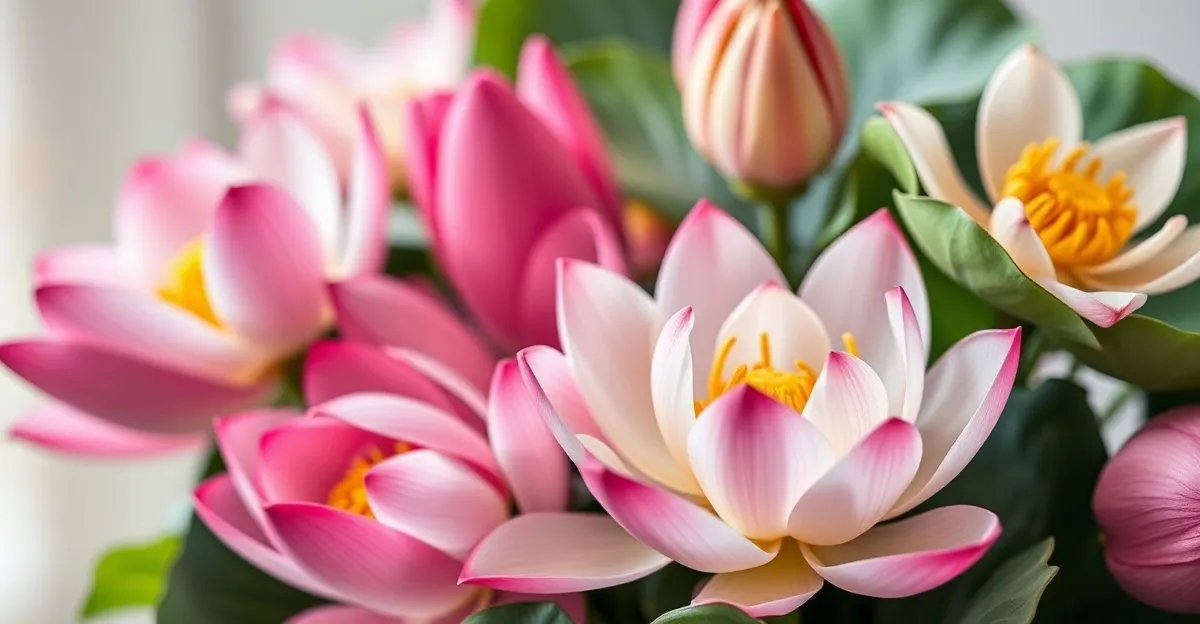
Bud stage (day 0–1): A freshly cut lotus is often at this stage — a tightly closed, pointed bud. The color is concentrated and the form is elegant in its own right. If you receive a lotus at this stage, you have the full blooming experience ahead of you.
Opening stage (day 1–2): The outer petals begin to separate and the bloom opens progressively. In the morning, the flower opens; in the afternoon, it may partially close again. This daily rhythm continues for several cycles. This is the most dynamic and beautiful phase.
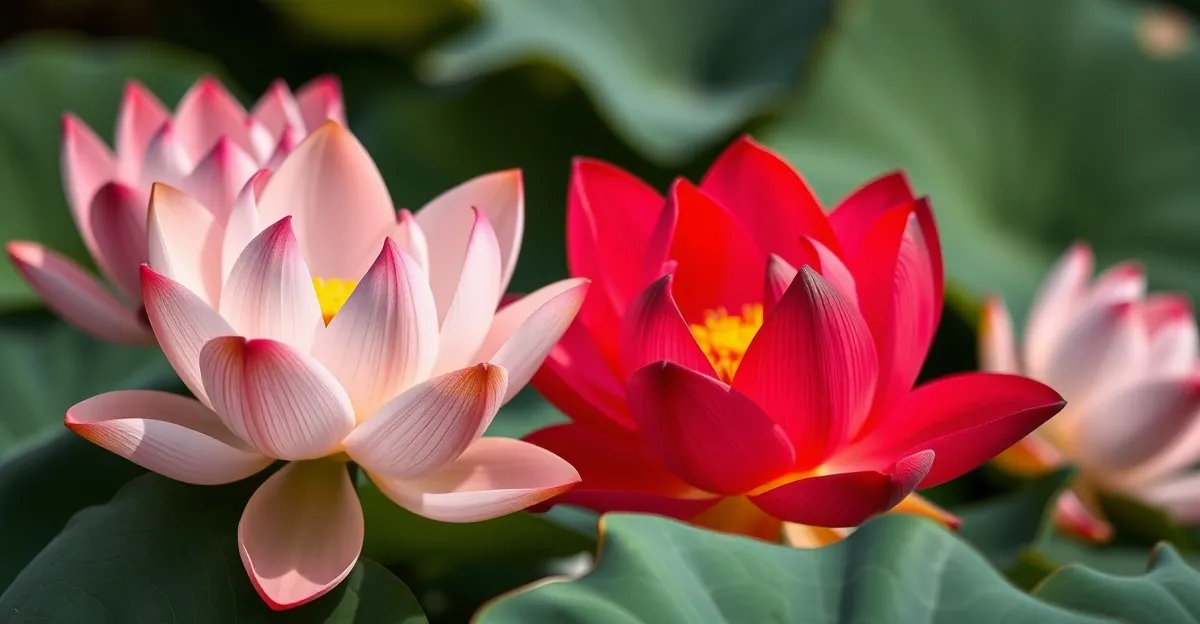
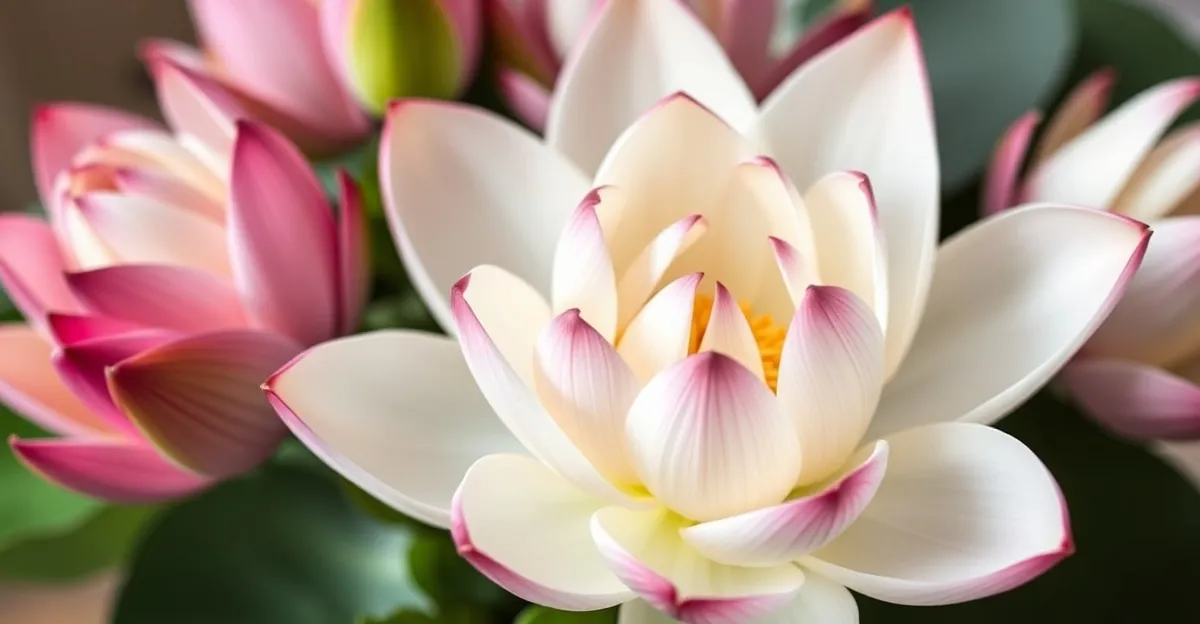
Full bloom (day 2–3): The flower is fully open, revealing the yellow center receptacle and the full arrangement of petals. The fragrance (subtle but clean) is most present at this stage. This is peak lotus.
Petal drop (day 3–5): Individual petals begin to loosen and fall. This happens gradually — first the outermost, then progressively inward. Some people find this stage beautiful in its own way, as the exposed receptacle (the seed pod in development) has its own geometric interest.
End stage (day 5+): Once petal drop begins in earnest, the remaining bloom deteriorates quickly in Bali's heat. The stem may become slimy, the water darkens, and the remaining petals brown at the edges.
Factors That Affect Lotus Vase Life in Bali
Temperature is the dominant factor. Bali's coastal areas average 28–33°C through most of the year. In a room without air conditioning, lotus will be at the lower end of its potential lifespan. In an air-conditioned room (typically 22–24°C), lotus lasts noticeably longer. This is one case where the AC is genuinely helpful.
Water quality matters enormously. The hollow lotus stem is efficient at drawing up water but also efficient at drawing up bacteria. In Bali's heat, vase water becomes bacterially active within 24–48 hours. Daily water changes are not optional for lotus — they're essential.
Light exposure: Keep lotus out of direct afternoon sun. The petals are sensitive to strong light and heat, and prolonged direct sun on day 2 or 3 will accelerate petal drop significantly. A bright room with indirect light is ideal.
Humidity: Bali's high humidity (often 70–90%) is generally favorable for lotus — it reduces the moisture loss that contributes to wilting in drier climates. This is one area where the tropical climate is actually an advantage compared to somewhere like Singapore at the same temperature.
Stem handling: The lotus stem is hollow. When cut, water enters this hollow channel. If the stem is bent or the hollow is blocked by stem tissue, water uptake suffers. Keep stems straight and the cut end clean.
Floating Lotus vs. Vase Lotus: Which Lasts Longer
For many Bali applications, lotus is used as a floating bloom in a shallow bowl rather than in a conventional vase. This is the format traditional to Balinese offerings and widely used in spa and hotel reception design.
Floating lotus (heads only, stems removed): 2–4 days in clean water, changed every 24–48 hours. The absence of a stem actually helps in some ways — there's no stem-end bacterial issue — but the bloom has no ongoing water supply, so it relies on surface absorption and will decline faster than a properly stem-cut bloom in deep water.
Vase lotus (stems in water): 3–5 days as outlined above. The stem provides water transport, which extends the bloom's life. The trade-off is that stems require more attention (clean cuts, clean water) to prevent bacterial issues.
For a Bali home context, a floating lotus bowl is the most elegant and lowest-maintenance approach for most people. For a formal arrangement or display, vase stems are more dramatic.
How to Get the Most from Your Lotus
Accept the lifecycle and plan for replacement: Rather than trying to extend lotus beyond its natural lifespan, design your arrangement practice around replacement every 3–4 days. A lotus bowl that's refreshed regularly with new blooms will always look beautiful; one that's trying to keep aging blooms alive will always look slightly disappointing.
Buy in bud form: If you have the choice, buy lotus as a closed or partially open bud rather than a fully open bloom. You get the full experience of the opening cycle rather than arriving mid-story.
Change water every day: Non-negotiable in Bali's heat. Use clean room-temperature water — very cold water can shock the stem.
Re-cut stems every second day: A fresh diagonal cut every two days keeps the water channel open. Use a sharp knife or scissors.
Keep them in the coolest room in your home: Not necessarily air-conditioned, but not the hottest spot either. North-facing rooms in Bali tend to be cooler than south or west-facing rooms.
Don't crowd them: Lotus heads need space in a bowl or vase. Too many blooms in a small vessel creates crowding that accelerates deterioration.
For anyone interested in working with lotus regularly — either for personal use or in a hospitality context — pairing them with longer-lasting companion blooms is a practical strategy. See pairing lotus with other blooms: a florist's guide for how to combine lotus with companions that maintain the arrangement's quality as individual lotus blooms are replaced.

The team
your florists
weekly subscription · Bali
We write about flowers because we love them. We deliver them because someone should — properly, weekly, across Bali.
— heyflowerPay once for 3, 6, or 12 months, no auto-renewal.
When to Order More
If you're receiving flowers on a weekly schedule, time your lotus order to arrive early in the week so you get 3–5 days at their best during the busiest period of the week. For a weekend event, order to arrive 1–2 days beforehand — the blooms will be at peak openness on the day.
For a continuous lotus presence in a villa, resort, or spa, a consistent supply chain is essential. A subscription or regular delivery schedule means you always have fresh buds arriving as older blooms complete their cycle, rather than waiting until everything has deteriorated before ordering again.
FAQ
Why do my lotus flowers only last 2 days? Most likely causes: vase water not changed daily, direct sun exposure, or blooms that were already several days old when purchased. In Bali's heat, these factors compound quickly. Fresh-sourced blooms in shaded conditions with daily water changes will always outlast stale blooms in the sun.
Can I keep lotus from closing every afternoon? Not reliably, and trying to prevent the natural opening/closing cycle (for example, by keeping the bloom in very bright artificial light or applying techniques to prop open petals) tends to damage the petals and shorten overall lifespan. The daily rhythm is part of the lotus experience.
Do lotus seed pods last longer than the flowers? Yes, significantly. The lotus seed pod (the distinctive flat-topped receptacle that remains after petals have fallen) dries beautifully and will last months as a dried element. It's used widely in dried flower arrangements and is aesthetically distinctive. Don't discard it when the petals drop.
Are there Bali lotus farms I can visit? There are lotus ponds and small cultivation areas around Gianyar (the area around Tampaksiring and the Tukad Petanu river) and in Tabanan. The famous Pura Taman Saraswati in Ubud has a lotus pond that's a popular visitor site. For commercial lotus flower supplies, the Denpasar flower markets are the most reliable source.
Can lotus be used at a Balinese ceremony? Absolutely. Lotus (padma in Sanskrit and Balinese) is central to Hindu iconography and ceremony. The pink and white varieties appear in temple offerings, statues of deities often depict lotus seats, and the flower is symbolically connected to Saraswati (goddess of learning) and Brahma. Bringing lotus to a ceremony or as a gift for a family holding ceremony is deeply appropriate.
Lotus asks more of you than most flowers. It wants fresh water every day, gentle handling, and the right light. In return, it gives you something that lasts only a few days but stays in memory much longer. That's a trade worth making.
Ready to bring fresh flowers to your Bali home or event? Explore our weekly flower subscription and get handpicked blooms delivered to your door every week.
More on Lotus