Can Daisy Grow in Bali? A Florist's Perspective
A Canggu florist explores whether daisies can truly thrive in Bali's tropical climate — and which varieties work best for home gardens and commercial growing.
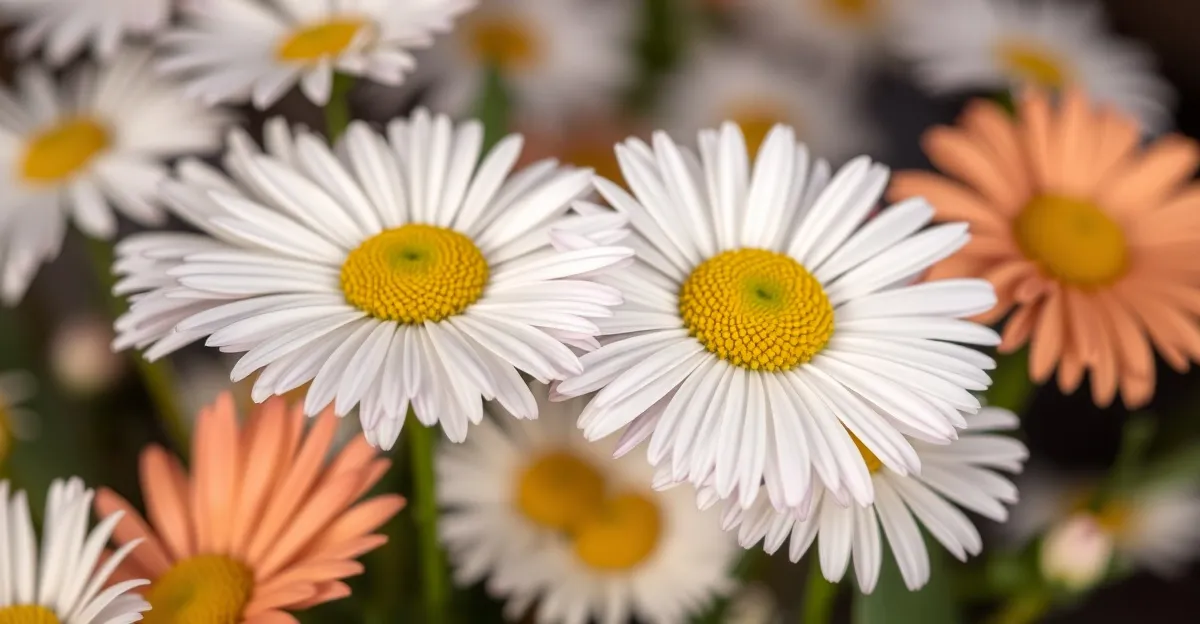
Bali is one of those extraordinary places where almost everything grows. The soil is rich, the rainfall is generous, and the warmth encourages growth in ways that colder climates simply cannot match. So when customers ask whether daisies can grow in Bali, the honest answer is: yes — but the specifics matter enormously, and the daisy you grow here will look and behave somewhat differently from the daisies you might remember from a temperate garden.
As a florist working out of Canggu, I source flowers every week from growers across the island. I have visited daisy farms in the highlands near Bedugul, watched gerberas growing in the volcanic soil near Kintamani, and talked extensively with the small-scale growers who supply Bali's cut flower market. This is the guide I wish I had read before my first real deep dive into Bali's flower-growing landscape.
The Daisy Family in a Tropical Context
"Daisy" covers an enormous family of flowers — the Asteraceae family, one of the largest plant families in the world. When most people talk about daisies, they mean one of a few key varieties: the gerbera daisy, the Shasta daisy (the classic white-petalled yellow-centred field daisy), the common garden daisy (Bellis perennis), or African daisies (Osteospermum and related genera).
Each of these has a different relationship with Bali's climate, so it is worth addressing them individually.
Gerbera Daisies in Bali: The Commercial Success Story
If you have bought fresh flowers anywhere in Bali — from a roadside vendor, a florist in Seminyak, or through a delivery service like heyflower.co — you have almost certainly held Bali-grown gerbera daisies. Gerberas are the commercial success story of the daisy family in Bali, grown at scale in several highland farming areas and available year-round in the island's markets.
Where Gerberas Grow Best in Bali
The key to growing gerberas in Bali is altitude. At sea level, Bali's temperatures (typically 27–35°C) are on the warm side of what gerberas prefer. They will survive and even flower at low elevations, but the quality — stem strength, bloom longevity, colour vibrancy — is significantly better at higher altitudes where temperatures cool to 15–22°C at night.
The main gerbera growing areas in Bali are:
Bedugul and surrounding highlands (700–1,400m elevation): The mist-covered hills around Bedugul and Lake Bratan are home to numerous cut flower farms, including gerbera operations. The cooler temperatures here produce firm-stemmed, long-lasting blooms that are highly prized by Bali's florists.
Kintamani area: The volcanic plateau around Kintamani (900–1,400m) has excellent growing conditions for gerberas, with rich volcanic soil and the consistent cool nights that promote quality blooms.
Sukawati, Gianyar: At lower elevations, small farms around Sukawati grow gerberas for the local ceremonial market. These are generally used quickly rather than for long-lasting cut flower arrangements.
Soil and Growing Conditions
Gerberas in Bali do well in well-draining, slightly acidic soil with good organic matter. The volcanic soil found in many parts of the island is naturally mineral-rich and can produce excellent results with appropriate amendments. Gerberas do not tolerate waterlogged roots, so raised beds or well-draining slopes are preferred.
In Bali's highlands, gerberas often grow in simple plastic tunnel houses or shade-net structures that moderate temperature extremes and protect against the heaviest rain. These structures also significantly reduce fungal issues, which are the main disease pressure on gerberas in humid tropical conditions.
Shasta Daisies: More Challenging but Possible
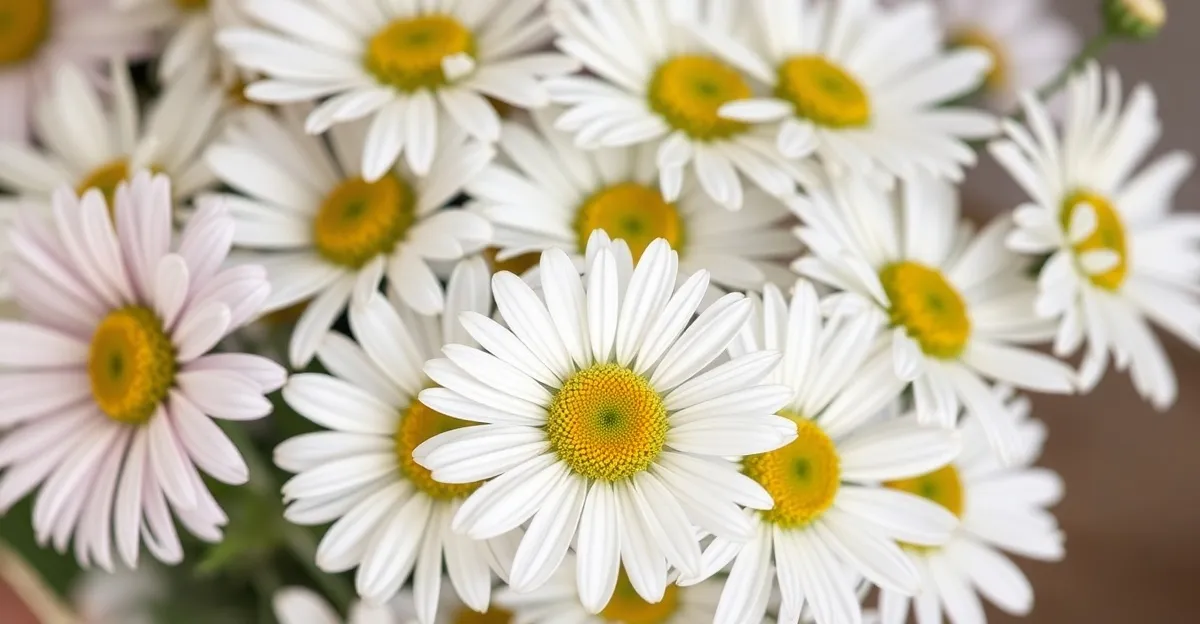
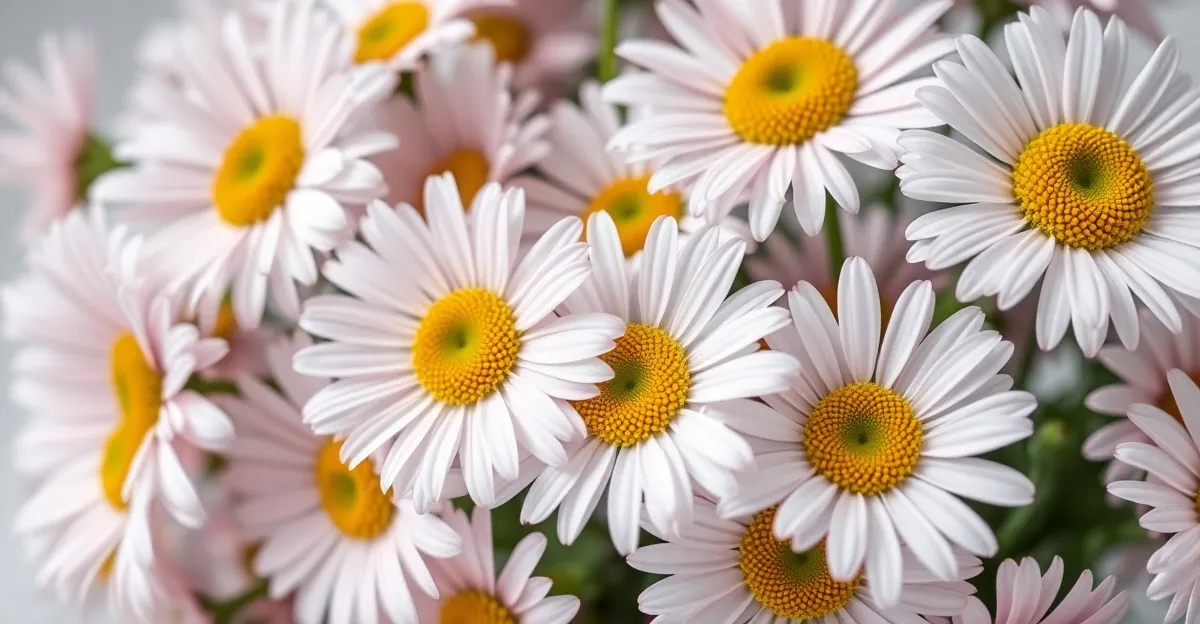
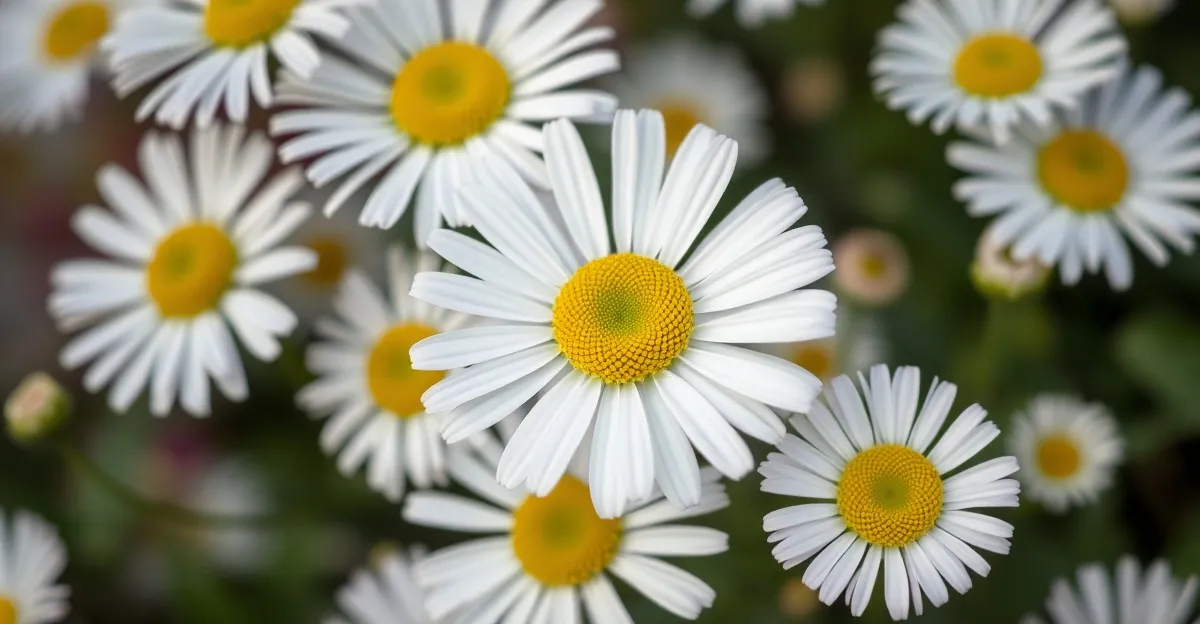
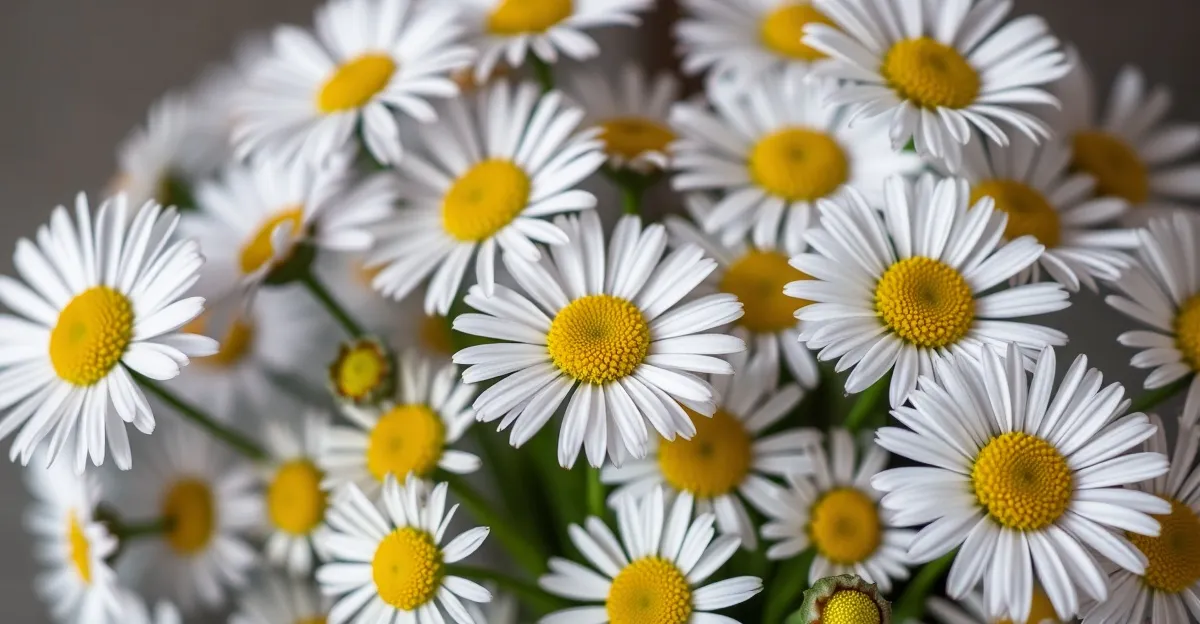
The classic Shasta daisy (Leucanthemum x superbum) — the white daisy with the yellow centre that most Westerners picture when they hear "daisy" — is genuinely more challenging in Bali's climate because it is a temperate perennial that evolved in European conditions.
At sea level in Bali, Shasta daisies struggle. The combination of heat and high humidity encourages fungal disease and generally produces plants that flower poorly or not at all. However, in the cooler highland areas of Bali above 800m, Shasta daisies can grow and produce decent blooms, particularly during the cooler months of the dry season (June through September).
If you are determined to grow Shasta daisies in Bali at lower elevations, the most realistic approach is to treat them as a cool-season annual — plant during the coolest months, enjoy the blooms, and accept that they will not persist through the hot season. This is more of a garden project than a sustainable cultivation strategy, but it is achievable.
Common Garden Daisies (Bellis perennis)
The small common daisy, the sort you find growing in European lawns, is not well suited to Bali's tropical conditions. It prefers cool weather and will languish or die in Bali's sea-level heat. Even in the highlands, it is rarely attempted commercially because gerberas and other daisy varieties offer much better results.
If you encounter small white daisies for sale in Bali's markets or nurseries, they are likely to be short-lived plants that the seller knows will look charming for a few weeks at best. Appreciate them for what they are.
African Daisies (Osteospermum)
African daisies are interesting Bali candidates because they come from a warm-to-hot climate in South Africa, making them significantly more heat-tolerant than Shasta or common daisies. They can grow at Bali's sea-level elevations with appropriate care.
The challenge with African daisies in the tropics is their preference for a somewhat dry rest period between growing seasons — conditions Bali's wet season does not naturally provide. In containers with good drainage and moderate watering, they can perform reasonably well. In the ground in areas with heavy rainfall and poor drainage, they tend to struggle.
For home garden enthusiasts in Bali's coastal areas (Canggu, Seminyak, Sanur), African daisies in pots are worth experimenting with. Put them in a spot that receives morning sun and afternoon shade, water moderately, and feed with a balanced fertiliser. You may be pleasantly surprised.
Growing Daisies at Home in Bali: Practical Guide
If you want to grow daisies in your Bali villa or garden, here is the practical approach based on what actually works.
For Lowland Areas (0–300m: Canggu, Seminyak, Ubud)
Best choice: Gerbera daisies in containers, in a spot with morning sun (6am–10am) and afternoon shade. Use a well-draining potting mix (50% commercial potting mix, 25% perlite or coarse sand, 25% compost). Water when the top 2cm of soil is dry. Feed with a balanced liquid fertiliser every two weeks.
Expect blooms that are smaller and less prolific than highland-grown gerberas, but genuinely attractive. The plants will flower intermittently rather than continuously.
African daisies: Worth trying in containers with the same conditions as gerberas. Water slightly less frequently.
For Highland Areas (700m+: Bedugul, Kintamani)
Best choice: Gerberas in the ground will thrive here. Plant in slightly raised beds in rich, well-draining volcanic soil. They will reward you with abundant, quality blooms over a long season.
Shasta daisies: Worth attempting in these conditions, especially during the cool dry season months.
Common Problems and Solutions in Bali's Climate
Powdery mildew: The most common fungal issue for gerberas in humid Bali. Ensure good air circulation around plants, avoid wetting the foliage when watering, and apply a copper-based fungicide preventatively during wet season.
Root rot: Caused by overwatering or poor drainage. Gerberas will quickly decline if their roots sit in water. Ensure containers have multiple drainage holes and soil is never waterlogged.
Scale insects: Common in Bali's warm climate. Check plants regularly, particularly on the undersides of leaves, and treat with neem oil at the first sign of infestation.
Leggy, poorly flowering plants: Usually caused by insufficient light or excessive heat. Move to a spot with better light or consider the highlands if you are serious about quality bloom production.

The team
your florists
weekly subscription · Bali
We write about flowers because we love them. We deliver them because someone should — properly, weekly, across Bali.
— heyflowerPay once for 3, 6, or 12 months, no auto-renewal.
Sourcing Daisy Flowers in Bali
For most Bali residents, the practical answer to "can daisies grow in Bali" is "yes, but you probably get better results by sourcing from the experts." Bali's highland flower farms produce gerbera daisies of impressive quality, and the supply chain from farm to Bali's markets is well-developed.
The Bali Flower Market in Denpasar (Pasar Badung), the flower vendors along major roads in Sanur and Kuta, and specialist florists like heyflower.co all have access to freshly-cut highland gerberas that arrive at their peak. For home decoration and gifting, buying from a good florist is often a better use of time and money than attempting to grow your own — particularly if you are living at sea level.
That said, a pot of gerberas on your Bali terrace is a lovely thing. If the spirit moves you, try it. The island encourages growing things.
For more perspective on other flowers and their adaptability to Bali's climate, can frangipani grow in Bali? a florist's perspective explores one of the island's most iconic flowers and how it thrives here.
Frequently Asked Questions
Can I buy daisy seeds or seedlings at Bali's nurseries?
Yes, Bali's garden centres and nurseries (particularly in Denpasar and the growing areas around Bedugul) stock gerbera seedlings and sometimes seeds. Quality can vary significantly, so buying from a reputable nursery and choosing healthy-looking plants with strong root systems is worth the extra effort. Gerbera seedlings are generally more reliable than starting from seed in tropical conditions.
Do daisies need fertiliser to grow well in Bali?
Yes, regular feeding makes a significant difference. Gerberas are heavy feeders that benefit from a balanced NPK fertiliser during the growing season. In Bali's nutrient-leaching tropical rainfall, monthly feeding is advisable for container-grown plants; plants in the ground benefit from a quarterly application of slow-release fertiliser supplemented with monthly liquid feeding.
How long does a gerbera plant live in Bali?
A well-maintained gerbera plant in suitable Bali conditions can live for two to three years, with declining vigour and flower quality after the first full growing season. Most commercial growers replace plants annually to maintain bloom quality. For home gardeners, refreshing plants every year or two makes sense if you want consistently attractive results.
Can daisies grow near the ocean in Bali?
Salt air in coastal areas creates an additional stress factor for most plants, including daisies. If your villa or home is very close to the coast (within 200 metres of the beach), choose the most sheltered location available — a courtyard, a covered terrace — and accept that plants may need more frequent replacement. Gerberas in containers are more manageable in these conditions than in-ground plantings.
What is the best time of year to plant gerberas in Bali?
The beginning of the dry season (April–May) is generally the best time to plant gerberas in Bali. The cooler, drier conditions of the following months provide good establishment conditions, and by the time the wet season arrives, plants are established enough to handle the higher rainfall.
Growing daisies in Bali is genuinely possible, and with the right approach it is genuinely rewarding. The gerbera in particular has adapted beautifully to the island's highland conditions and is now firmly part of Bali's flower landscape. Whether you are growing your own or enjoying fresh deliveries from Bali's best farms, daisies deserve a place in your tropical life.
At heyflower.co, we source the finest highland-grown gerberas and daisy varieties for our arrangements, delivering fresh flowers across Bali every week. Explore our flower subscription plans and bring the best of Bali's blooms into your home on a regular schedule.
More on Daisy