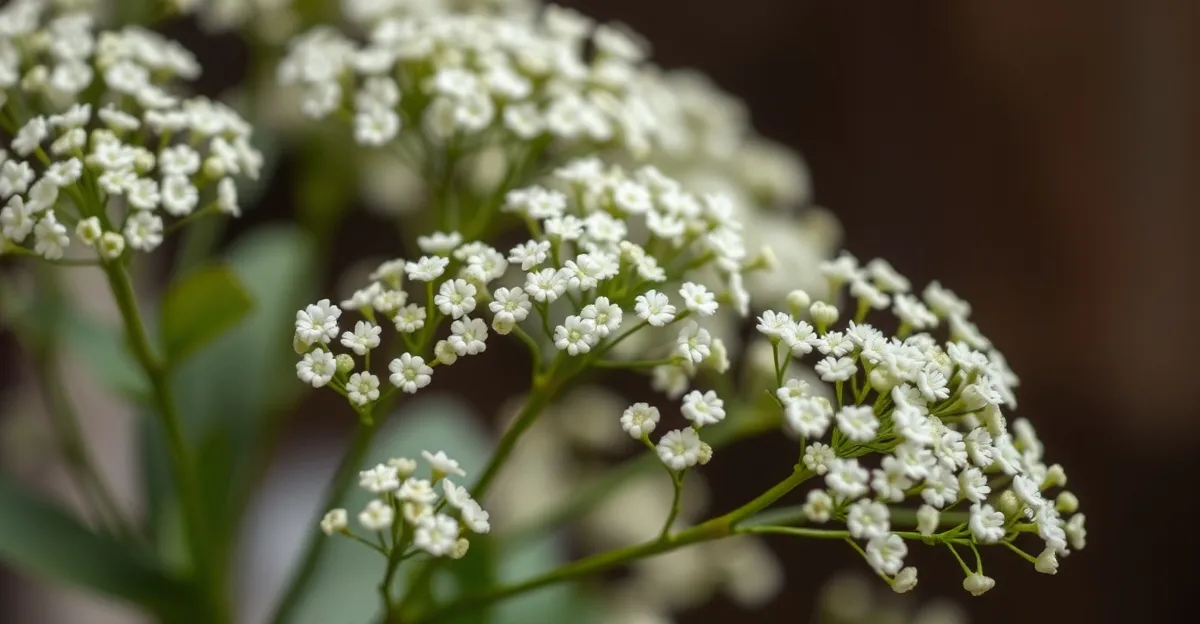
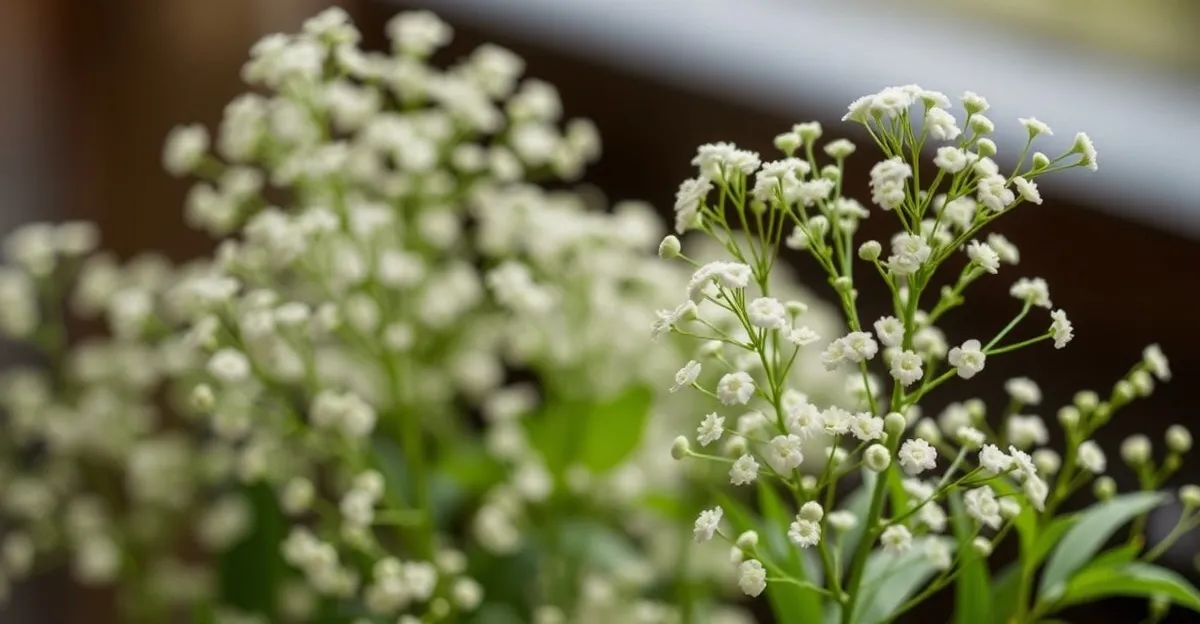
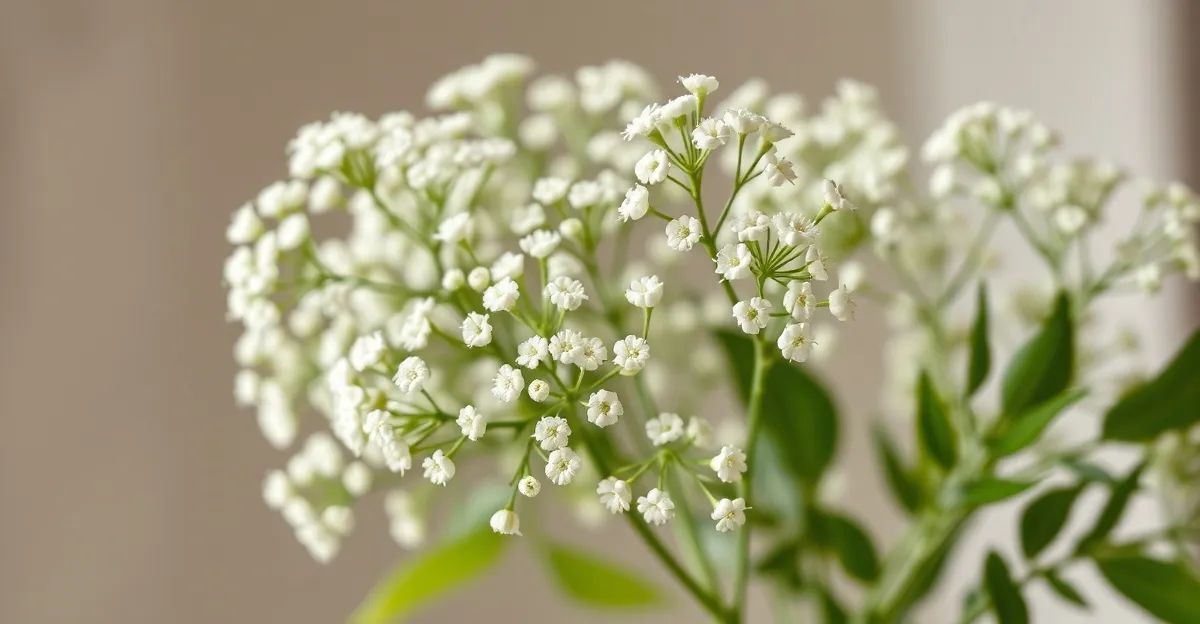
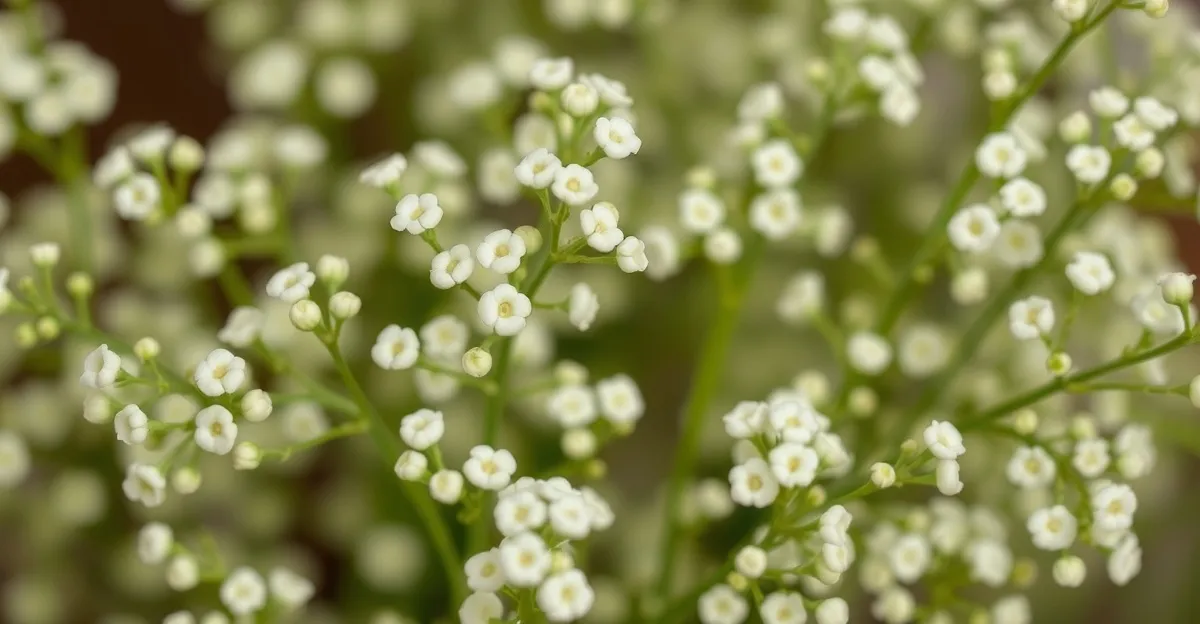
Can baby's breath grow in Bali? A florist's perspective
Can Gypsophila grow in Bali's tropical climate? A Canggu florist shares an honest perspective on local cultivation and sourcing realities.
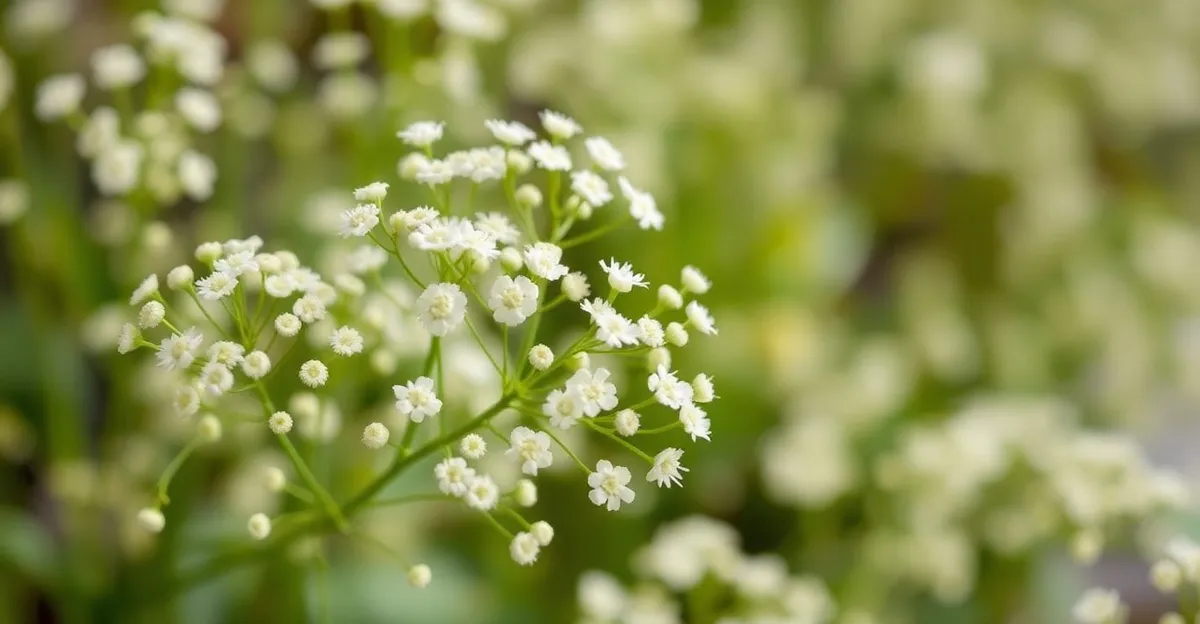
Customers at heyflower.co ask us this more often than you'd expect: can you actually grow baby's breath in Bali? It's a natural question for anyone who has a garden in the tropics and loves those delicate, cloudlike clusters of tiny white flowers. The honest answer requires some nuance — and as a florist who sources and works with Gypsophila regularly, I want to give you a real picture rather than a simple yes or no.
The short version: growing baby's breath successfully in Bali is genuinely challenging, but not completely impossible with the right approach. Most baby's breath available in Bali is sourced from cooler growing regions — primarily Java and imported from Australia or the Netherlands. Understanding why tells you a lot about the plant itself.
What Baby's Breath Actually Needs to Thrive
Gypsophila paniculata, the common baby's breath used in floristry, is native to temperate regions of central and eastern Europe and central Asia. Its natural habitat is open, sunny areas with well-drained, alkaline soil — often gravelly or chalky. The name Gypsophila literally means "gypsum-loving," a reference to its preference for calcium-rich, limey substrates.
Here are the conditions it naturally prefers:
- Temperature: Ideally 15°C to 25°C during the growing season. It can tolerate some heat but struggles above 30°C consistently.
- Soil: Alkaline (pH 7.0 to 8.0), well-drained, low in organic matter. Sandy or gravelly soils are preferred.
- Humidity: Low to moderate. High humidity promotes fungal diseases.
- Sunlight: Full sun, at least six to eight hours per day.
- Water: Regular but not waterlogged. The roots are particularly sensitive to standing water.
- Winter dormancy: Many Gypsophila varieties require a cold period to flower reliably.
Now compare that to Bali's conditions:
- Average temperature: 26°C to 32°C year-round
- Humidity: 70% to 80%
- Rainfall: 150mm to 300mm per month during wet season
- Soil pH: Typically acidic to neutral (5.5 to 7.0) in most of Bali
- No winter period
It's a significant mismatch. That doesn't mean growing baby's breath in Bali is impossible, but it does mean the plant is working against its natural preferences from day one.
What Happens When You Try to Grow Baby's Breath in Bali
Germination and Early Growth
Gypsophila seeds germinate reasonably well even in tropical conditions if the soil temperature isn't too extreme. You might get a good start with seedlings appearing within one to two weeks of sowing. The early growth phase can look promising.
The Humidity Problem
As the plant develops, Bali's persistent humidity creates the primary challenge: fungal diseases. Powdery mildew and botrytis (grey mould) are the two most common culprits. In humid, warm conditions, these diseases can devastate a Gypsophila plant quickly, attacking leaves and stems and eventually preventing flowering.
Good air circulation helps — growing in an open, breezy spot rather than a sheltered corner makes a real difference. But in Bali's wet season, even good airflow can't entirely prevent fungal pressure.
The Heat Issue
Consistent temperatures above 28°C to 30°C stress the plant significantly. Bali's lowland areas (Canggu, Seminyak, Kuta, Denpasar) spend most of the year above this threshold. The plant may grow but produce fewer and smaller flower heads than you'd expect from a well-grown specimen in a cooler climate.
Root Rot
Bali's wet season brings heavy, sustained rainfall that keeps soil saturated for extended periods. Gypsophila's root system is extremely sensitive to waterlogging. Without exceptional drainage, root rot is almost inevitable during the wet season.
Where in Bali Offers the Best Conditions
Bali's topography is more varied than its sea-level reputation suggests. The highland areas around Kintamani, Bedugul, and Munduk sit at 900 to 1,500 metres above sea level and experience significantly different conditions:
- Temperatures: 15°C to 22°C, considerably cooler
- Humidity: Still high, but temperatures are more manageable for the plant
- Soil: Varies, with more volcanic soil that can be amended toward alkalinity
Bedugul in particular — home to Lake Beratan and the famous botanical garden Kebun Raya Eka Karya — has historically been used for growing temperate and sub-temperate plants. It's where many of Bali's flower farms operate, including producers who supply gerberas, chrysanthemums, and other flowers that would struggle in the lowlands.
Baby's breath grown in these highland areas fares considerably better than lowland attempts. Some small-scale production does occur here. However, the yields and quality tend to be inconsistent compared to the major growing regions that supply Bali's florists.
Where Bali's Baby's Breath Actually Comes From
Most baby's breath available through Bali florists — including heyflower.co — is sourced from one of three origins:
East Java (Jawa Timur)
The Malang highlands in East Java (elevation 400 to 800 metres, temperatures 17°C to 25°C) are one of the primary flower-growing regions for the Indonesian market. Gypsophila is grown here commercially and shipped regularly to Bali's flower markets, primarily at Pasar Bunga (flower market) in Denpasar.
The quality from East Java sources is generally good, and travel time from Malang to Bali is short enough (when logistics are working smoothly) that the flowers arrive in reasonable condition.
Imported (Australia/Netherlands via Jakarta)
Premium Gypsophila — particularly the large-headed varieties used in luxury arrangements — is often imported. The Netherlands is the global hub for cut flower production, and Dutch-grown baby's breath arrives in Indonesian markets (primarily via Jakarta's Soekarno-Hatta airport) through established import channels.
Australian flower imports also reach Bali through similar channels. These imported flowers tend to be more consistent in quality but also carry a higher price point.
Local Bali Highland Production
Small volumes of baby's breath are grown in Bali's highland areas, primarily Bedugul and surrounding regions. This production is inconsistent and typically lower volume — more suited to local market supply than large-scale event work.
Practical Advice for Home Growers in Bali
If you're determined to try growing baby's breath in Bali, here's what gives you the best chance of success:
Choose your location carefully: Highlands are dramatically better. If you're in the lowlands, look for the coolest, most sheltered-from-rain spot in your garden — a covered outdoor area that gets morning sun but avoids the harsh afternoon heat.
Improve your soil drainage: Add coarse sand, perlite, or small gravel to your planting bed to create the fast-draining conditions Gypsophila prefers. Raised beds are helpful.
Adjust the pH: Gypsophila prefers alkaline soil. Most Bali garden soil is mildly acidic. Adding agricultural lime (dolomite) to the planting area before sowing can help shift the pH toward neutral or slightly alkaline.
Time your planting: Attempt growing during the dry season (April to September) when humidity and rainfall are lower. This minimises fungal disease pressure.
Provide good air circulation: Don't plant too densely. Space plants well and choose a location where air moves freely.
Don't overwater: This is perhaps the most important advice in Bali. Bali gardeners accustomed to tropical plants often overwater. Gypsophila wants to dry out between waterings.
Manage fungal disease proactively: A preventive fungicide spray every seven to ten days during the wet season can help control mildew. Copper-based fungicides available at most Bali garden shops work well for this.

The team
your florists
weekly subscription · Bali
We write about flowers because we love them. We deliver them because someone should — properly, weekly, across Bali.
— heyflowerPay once for 3, 6, or 12 months, no auto-renewal.
A Florist's Honest Verdict
From our perspective at heyflower.co: growing baby's breath in Bali lowlands for cutting is challenging enough that we'd generally say the effort outweighs the reward for most home gardeners. The plant will grow, but consistent, quality flowering comparable to what you'd buy from a florist is difficult to achieve without a controlled environment.
In Bali's highlands? Worth trying, particularly in Bedugul, Kintamani, or Munduk. You'll have a real chance of producing something beautiful, particularly if you're willing to manage soil conditions and fungal pressure.
For most Bali residents, the more practical approach to having consistent baby's breath at home is a reliable flower subscription. We explore related questions about flower growing in Bali in our article on can frangipani grow in Bali, which gives a useful contrast — frangipani is a flower that absolutely thrives in our climate.
Frequently Asked Questions
What is the easiest way to try growing baby's breath in Bali?
Start in the dry season, in a raised bed with well-draining amended soil, in Bali's highland areas if possible. Use seed rather than transplants, which tend to handle tropical conditions better. Keep soil on the drier side and ensure good air circulation to prevent fungal disease.
Can I grow baby's breath in a pot in Bali?
In a pot, you have more control over the soil mix and drainage, which is an advantage. Use a mix of potting soil, coarse sand, and perlite in roughly equal parts. A terracotta pot (which breathes and dries out faster than plastic) is better than plastic. Keep the pot in a bright, breezy spot out of waterlogging rain.
Why does baby's breath die so quickly in my Bali garden?
The most common causes are overwatering, fungal disease (particularly in the wet season), soil that's too heavy and wet, and heat stress. Check drainage first — if the soil is staying damp for more than a day or two after watering, improve it.
Where can I buy baby's breath plants in Bali?
Seedlings are occasionally available at Bali's garden centres, particularly around Denpasar and in the highlands near Bedugul. Seeds can be ordered online. Most Bali garden centres focus on tropical plants, so availability can be variable.
Is the baby's breath sold by Bali florists locally grown?
Some of it is, from highland flower farms. A significant portion is sourced from East Java or imported. At heyflower.co, our Gypsophila comes from trusted wholesale suppliers, and we know exactly where it originates — ask us if you're curious about the source for a specific arrangement.
Beautiful Baby's Breath, Without the Gardening Effort
Whether you're a dedicated Bali gardener experimenting with something new, or simply someone who loves having fresh baby's breath in your home, heyflower.co makes it easy. We handle sourcing from the best available origins each week, arrange with care in our Canggu studio, and deliver across the island.
Our subscription service at heyflower.co/#subscriptions means a fresh arrangement arrives regularly — no trips to the market, no guesswork about freshness. Just beautiful flowers, consistently.
More on Baby's breath