How to Care for Calla Lily in Bali's Humid Climate
Keep your calla lilies beautiful and upright in Bali's tropical heat. Practical care advice from a Canggu florist who works with them every week.
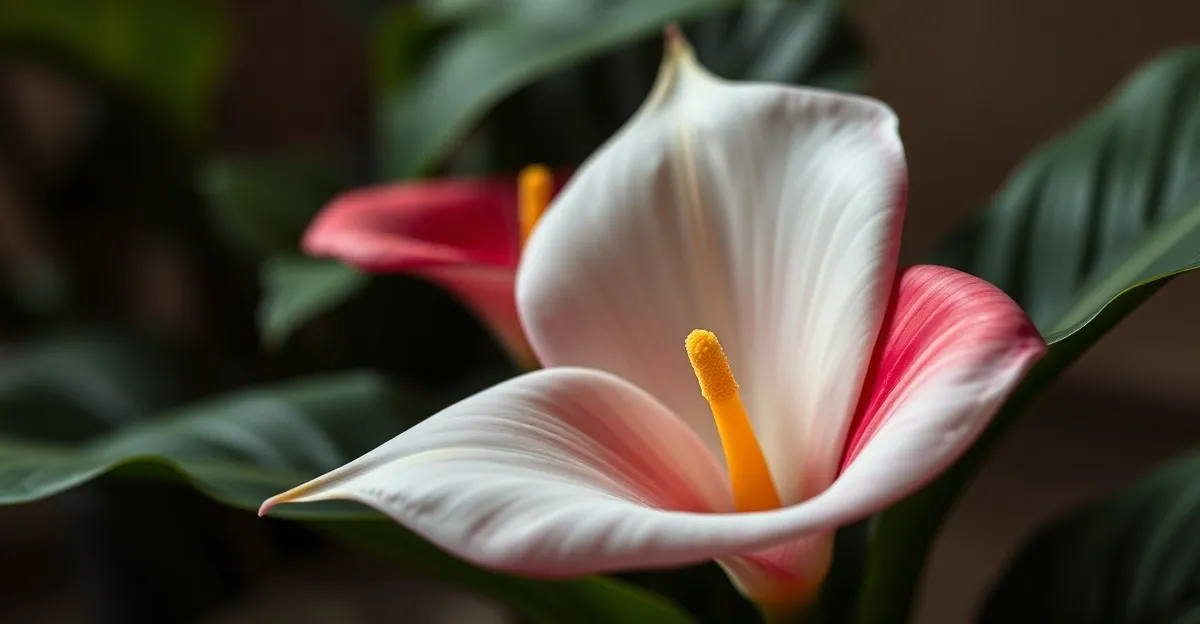
Of all the flowers we work with at heyflower.co, calla lilies are the ones that generate the most questions about care. People receive a stunning, architecturally perfect arrangement and within a day or two one of the stems is drooping, or the spathe is developing brown edges, or the whole arrangement has somehow lost its upright posture. It feels like a failure, but almost always it is a solvable problem with a simple cause.
The calla lily is actually a reasonably forgiving cut flower, more robust than many people expect. What makes it seem fragile is that its problems are very visible — a wilted rose loses its petals and becomes generally sad-looking, but a calla lily with a bent stem is impossible to ignore. This visibility can make the flower seem more sensitive than it is. The truth is that with a few specific practices, calla lilies thrive in Bali's conditions for a genuinely satisfying 7–12 days.
Understanding the Calla Lily's Vase Needs
The calla lily (Zantedeschia aethiopica and its coloured relatives) is a semi-aquatic plant in its native South African habitat, growing in and around water sources. This origin means it actually handles moisture better than many cut flowers — the stems are designed to sit in water, and the spathe is thick enough to maintain its form without continuous humidity.
What the calla lily does not handle well is:
- Warm, bacteria-rich vase water (the main cause of bent stems in Bali)
- Physical damage to the spathe (bruising turns brown very quickly in tropical heat)
- Direct sunlight or heat drying out the thick spathe
- Being held too tightly — the natural upright posture relies on stem health
Understanding these sensitivities gives you the framework for good care.
Receiving and Preparing Your Calla Lilies
Re-cut the Stems
When you receive calla lilies, re-cut the stems immediately. Calla lily stems are thick and fleshy, which means they seal over quickly after cutting. A fresh cut — about 3 centimetres off the base, at a 45-degree angle — reopens the water channel.
Unlike gerberas, calla lily stems do not have the air-bubble problem, so cutting under water is helpful but not critical. What matters is using a very sharp, clean knife rather than scissors, which can crush the thick stem rather than cutting cleanly.
Remove Lower Leaves
Calla lilies often have large, arrow-shaped leaves. Any leaves that would sit below the waterline must be removed — they will decompose rapidly in Bali's warm water and drastically increase bacterial load.
If the leaves above the waterline look healthy and beautiful, keep them — they are part of the calla lily's elegance. Just ensure nothing is submerged.
Water Depth and Vase Choice
Calla lilies prefer medium water depth — about 10–15 centimetres. Deeper water than this can cause the stems to become waterlogged and soft. The vase should support the stems without them needing to bend — a tall, narrow vase that holds the stems upright is ideal.
For calla lily arrangements specifically, avoid wide, shallow bowls. The stems need vertical support. If you only have a wide vase, bunch the stems together and use a rubber band below the waterline to keep them grouped and supported.
Daily Care Routine in Bali's Climate
Change Water Every Day
In Bali's heat, vase water becomes bacterial quickly, and warm bacterial water is the primary cause of the "bent stem" problem in calla lilies. The bacteria penetrate the stem base and cause it to soften, losing the structural integrity that keeps the flower upright.
Daily water changes are not optional in Bali's climate if you want full vase life from calla lilies. Each time you change the water, trim a small amount from the stem base (0.5–1 centimetre is sufficient) to reopen the water channel.
Add flower food or a few drops of bleach with fresh water at each change.
The Bleach Trick
A small amount of household bleach in the vase water (2–3 drops per litre) creates conditions where bacteria cannot easily colonise. This is the single most effective non-temperature intervention for calla lily vase life in Bali. It sounds alarming but the concentration is so low it will not harm the flower.
Commercial flower food sachets accomplish the same thing plus feed the flower with sugars — use them if available.
Location Matters Enormously
Calla lilies in the wrong location will disappoint you. The right location:
Not direct sunlight: Bali's tropical sun will dehydrate the spathe and accelerate bacterial activity in the vase water. Keep calla lilies in bright, indirect light.
Not near air conditioning vents: While cool temperatures help, direct cold air from an air conditioning unit desiccates the spathe edges and causes browning. Cool room temperature (22–25°C) is ideal; the wind from a vent is not.
Not near fruit: Ripening tropical fruit produces ethylene gas that accelerates flower ageing. Your fruit bowl and your calla lily vase should not be neighbours.
Not near windows that receive full afternoon sun: The afternoon sun in Bali between 1pm and 4pm is intense. Windows facing this direction create hot spots that will reduce vase life noticeably.
Dealing with Specific Calla Lily Problems
Bent or Drooping Stems
A calla lily with a bent stem has one of two problems: bacterial softening of the stem (most common in Bali) or natural fatigue as the flower ages.
For bacterial softening: re-cut the stem fresh, place in clean cold water with flower food or bleach, and move to the coolest spot in your home. Many stems recover within a few hours if caught early. If the bend is very pronounced or the stem is visibly discoloured at the bend point, the damage may be too advanced to fully reverse.
For natural fatigue in older flowers: this is the end of the flower's natural life. Nothing will reverse it, but it is a sign of a flower well-lived.
Prevention is more effective than cure: daily water changes and cool placement prevent the bacterial softening that causes most bent stems.
Brown Edges on the Spathe
Brown edges develop when the spathe has been physically bruised, dried out, or exposed to ethylene gas. This is one of the frustrating aspects of the calla lily — even minimal handling can cause bruising that shows as brown.
Prevention: Handle calla lily stems, not the spathe. Never touch the smooth interior surface of the cup. When transporting, wrap loosely in tissue rather than tightly packing.
If brown edges appear, you can carefully trim them with clean, sharp scissors, following the natural curve of the spathe. A neatly trimmed spathe looks intentional; a ragged brown edge does not.
Yellow Leaves
Yellowing leaves on calla lily plants (in pots) indicates overwatering, nutrient deficiency, or too much direct sun. For cut stems with large leaves, yellowing is simply natural ageing — remove the leaf when it yellows.
Short Vase Life
If your calla lilies are consistently lasting only 2–3 days rather than the expected 7–10, the problem is almost certainly vase water temperature and bacteria. Commit to daily water changes, use flower food or bleach, and move the arrangement to the coolest location in your home. The improvement will be immediate and significant.

The team
your florists
weekly subscription · Bali
We write about flowers because we love them. We deliver them because someone should — properly, weekly, across Bali.
— heyflowerPay once for 3, 6, or 12 months, no auto-renewal.
Seasonal Considerations for Calla Lilies in Bali
Dry season (April–October): Lower humidity and stronger heat mean water depletion is the primary risk. Check vases daily and top up if needed between full water changes. The drier air is actually kinder to spathe quality — less risk of mould and brown edges from excessive moisture.
Wet season (November–March): Higher humidity reduces dehydration but increases bacterial activity. Daily water changes become even more important. Good air circulation around the arrangement helps prevent any mould issues.
For insights on how Bali's climate affects other flowers in similar ways, flower subscriptions for villa rentals in Legian discusses how we select and care for flowers across different Bali locations and seasons.
Caring for Potted Calla Lily Plants in Bali
If you have a calla lily plant rather than cut stems, the care is somewhat different.
Potted calla lilies in Bali grow well in partial shade — morning sun with afternoon shade is ideal. They need consistently moist (not waterlogged) soil. In the ground in a well-draining position with regular watering, they will produce beautiful blooms. In pots, use a rich, well-draining potting mix and ensure the pot has good drainage holes.
Fertilise monthly with a balanced fertiliser during the growing season. After flowering, allow the plant to rest by reducing water. The rhizome is the plant's energy store, and a rest period ensures good flowering in the next season.
For detail on growing conditions across different Bali microclimates, our article can calla lily grow in Bali? a florist's perspective covers this in full.
Frequently Asked Questions
Why do my calla lilies wilt so quickly in Bali?
The most common cause is warm, bacterial vase water causing stem softening. Change the water daily, use flower food or a few drops of bleach, and keep the arrangement in a cool, indirect-light spot. If the problem persists, check whether the stems were cut cleanly when you received the flowers — a crushed stem cannot absorb water properly.
Can I put calla lily stems in very cold water?
Room temperature to slightly cool water is best for calla lilies. Icy cold water can actually shock the stems and reduce water uptake. A temperature around 18–22°C in the water is ideal — which roughly corresponds to water from a cold tap that has been sitting for 10 minutes in Bali's ambient temperature.
My calla lily spathe has a curl at the top — is it dying?
A slight curl at the top of the spathe is normal as the flower matures. It is not a sign of distress but simply part of the flower's natural progression. As long as the spathe colour is good and the stem is upright, the flower is healthy. A very pronounced, wilted curl indicates the flower is past its peak.
Is the sap from calla lily stems toxic?
Yes — calla lily stems and leaves contain calcium oxalate crystals that can cause skin irritation and burning if ingested. Wear gloves when handling calla lily stems for extended periods, especially if you have sensitive skin. Keep them away from children and pets who might chew on them. This is a standard florist precaution rather than a major hazard for normal handling.
How do I keep calla lily stems straight in a wide vase?
Use a rubber band to bundle the stems together before placing them in the vase. Alternatively, use a piece of floral foam cut to fit the vase opening, pushing the stems through the foam to keep them upright. A grid of florist tape across the top of the vase also provides invisible stem support. For home arrangements, the bundling method is simplest.
Calla lilies reward the small amount of extra attention they require in Bali's climate with genuinely stunning results. A vase of well-cared-for calla lilies — stems straight, spathes pristine, the whole arrangement carrying that quality of quietly perfect elegance — is one of the most beautiful things you can have in your home.
At heyflower.co, every calla lily arrangement is prepared with the tropical climate in mind, and our flowers arrive already conditioned for the best possible vase life. For regular fresh flower deliveries across Bali, explore our subscription plans and discover the pleasure of fresh arrangements on a regular schedule.
More on Calla lily