How to Preserve a Calla Lily Bouquet After the Event
Your calla lily bouquet is too beautiful to let go of. A Bali florist's guide to pressing, drying, and preserving calla lilies for lasting keepsakes.
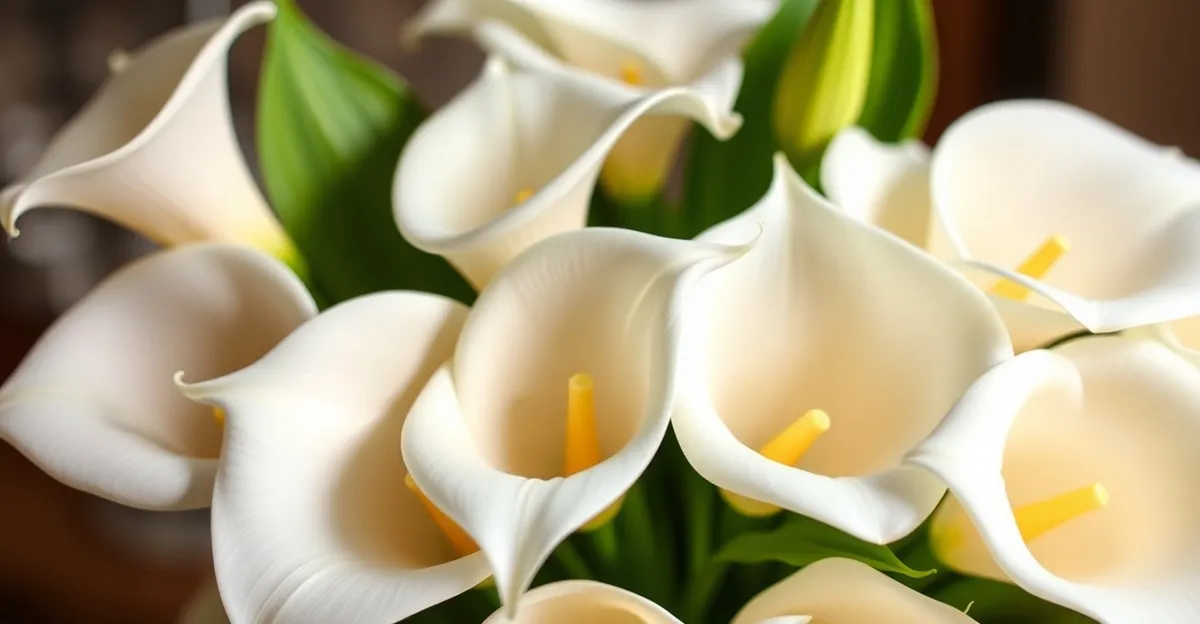
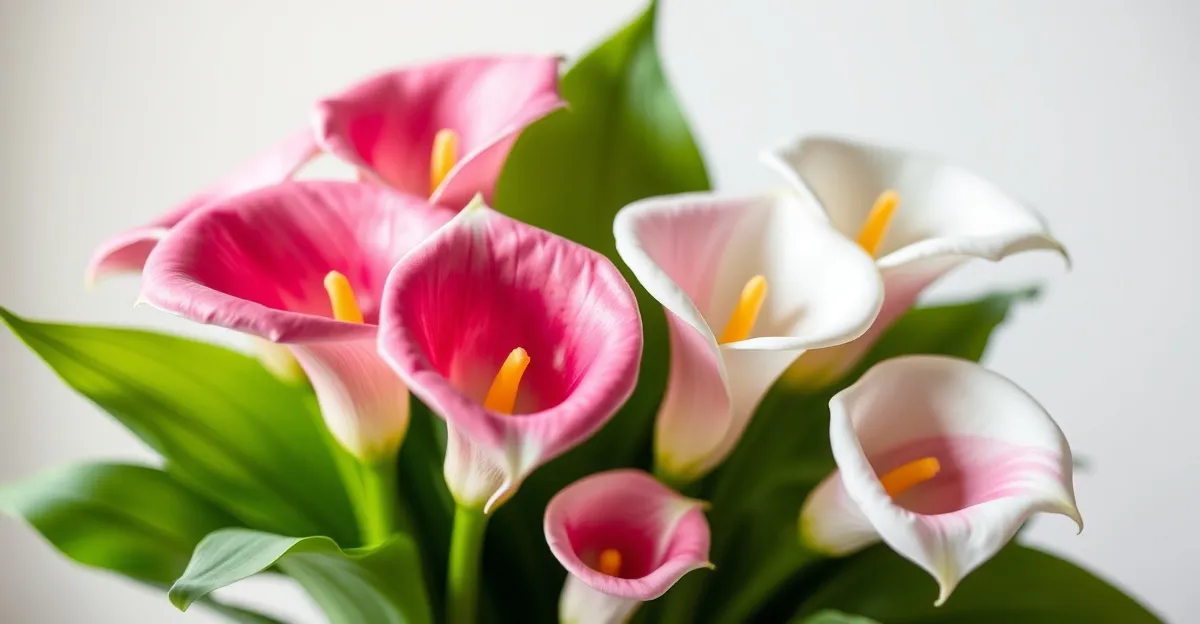
A calla lily bouquet from a wedding day or a significant occasion carries meaning beyond the flowers themselves. The clean architectural form, the particular colour you chose, the moment it stood in your hands in front of the people you love — these are worth preserving. The question is how to do it well, particularly in Bali's challenging tropical climate.
Calla lilies present preservation challenges that are somewhat different from other flowers. Their thick, fleshy spathes and stems contain significant moisture, which means drying processes that work quickly for delicate flowers may need adjustment. Their three-dimensional form makes simple pressing less effective than for flatter flowers. But when the right technique is applied, preserved calla lilies can be genuinely beautiful.
This guide covers every viable preservation method for calla lily bouquets, with specific attention to Bali's tropical humidity and what adapts well in this environment.
Why Calla Lily Preservation Requires Specific Techniques
Before diving into methods, it helps to understand why calla lilies need a different approach than many other flowers.
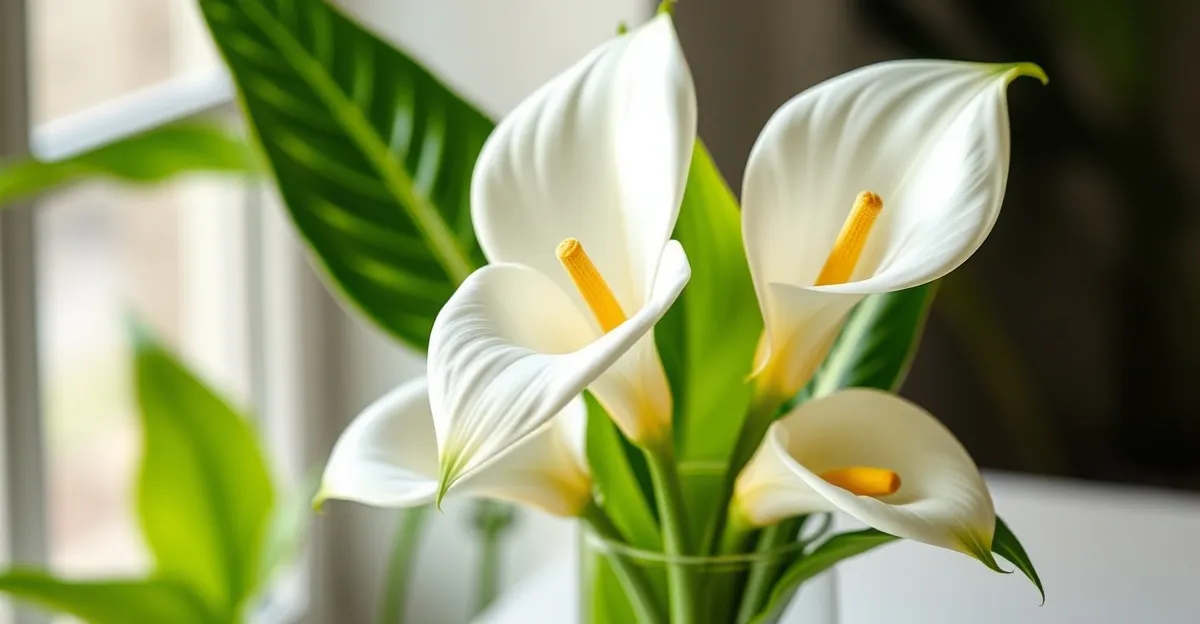
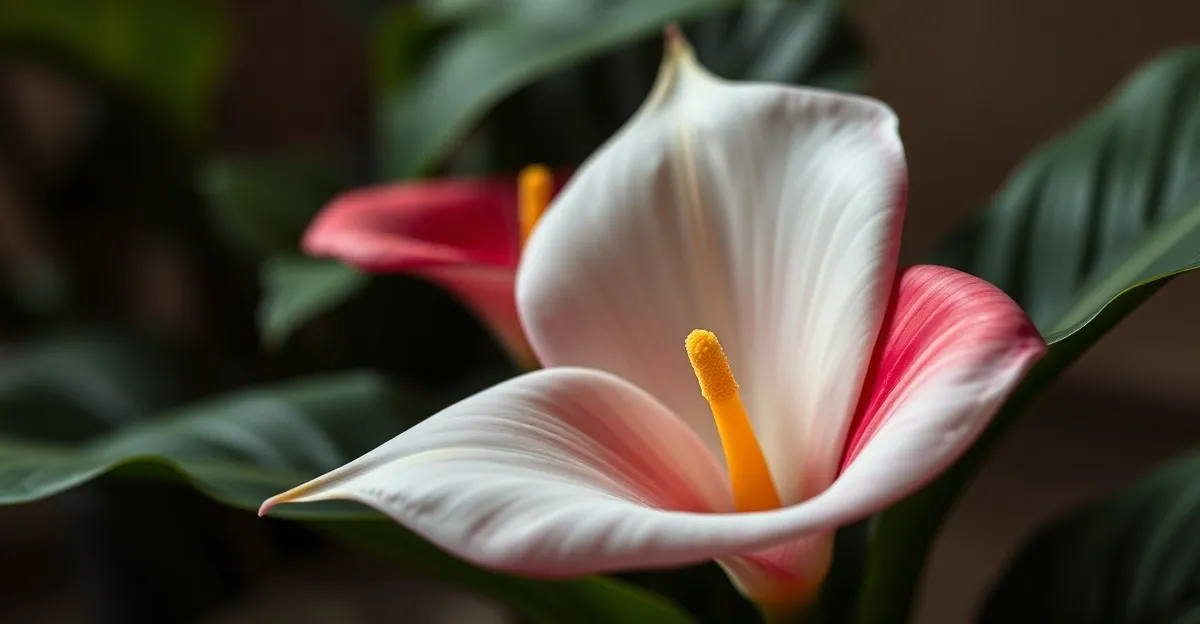
The spathe — the cone-shaped modified leaf that forms the flower's recognisable "cup" — is thick and moisture-rich compared to rose petals or daisy petals. When this moisture does not dehydrate quickly enough, it creates conditions for bacterial and fungal activity. In Bali's tropical humidity, the risk of mould developing during a slow drying process is significant.
The practical implication: calla lily preservation in Bali must prioritise speed. The faster moisture is removed from the flower, the better the result. This means techniques that actively draw moisture out (silica gel, desiccant drying) work significantly better than passive air drying in tropical conditions.
The Optimal Time to Start Preservation
Begin the preservation process within 12–24 hours of the event, while the flowers are still in good condition. Flowers that have wilted, bruised, or begun to deteriorate before preservation produce poor results. For a wedding bouquet, ideally plan the preservation process before the wedding so everything is ready to begin immediately after the event.
The goal is to capture the flower at its best — the preservation process stops the clock, so start with a flower still at its peak.
Method 1: Silica Gel Drying — Best for Bali's Climate
Silica gel drying is the superior technique for calla lily preservation in Bali because it actively removes moisture quickly rather than relying on passive evaporation. The gel's rapid moisture absorption minimises the risk of mould and produces results that maintain more of the flower's three-dimensional form and colour than any other drying method.
Materials Needed
- Silica gel crystals (available at hardware stores and craft shops in Denpasar and larger shopping areas)
- An airtight container large enough to accommodate the flowers without cramping (calla lilies are tall — you may need to cut stems short or work with the bloom portion only)
- Soft brush for removing gel after drying
Process
Step 1: Prepare the flowers. Remove most of the stem, leaving approximately 5 centimetres of stem below each spathe. If you want to preserve longer stems (for a framed display), the container needs to be correspondingly tall.
Step 2: Line the container with silica gel. Pour approximately 5 centimetres of silica gel into the bottom of the airtight container.
Step 3: Position the flowers. Place calla lily spathes upright (standing up, not lying on their side) in the silica gel, with the opening of the spathe facing upward. If you have multiple flowers, ensure they do not touch each other.
Step 4: Cover with gel. Slowly and carefully pour additional silica gel to fill the spaces around and inside the spathe opening. The gel should surround and support each flower. Work slowly to ensure you are filling every gap rather than creating air pockets.
Step 5: Seal and wait. Close the container airtightly. Leave undisturbed for 5–7 days (slightly longer than for thinner flowers due to the calla lily's moisture content).
Step 6: Remove carefully. Pour off the silica gel gently, then use a soft brush to clear any gel remaining in the spathe or on the outer surface. Handle very gently — dried spathe material is delicate.
Results and Display
Silica-dried calla lilies retain significant form and colour. White spathes may develop a slightly parchment-like quality that is beautiful in its own right. Coloured varieties typically hold their colour well.
For display in Bali's humidity, seal the dried flowers in a glass dome, shadow box with a silica packet inside, or resin-cast them (see Method 3 below). Open-air display in tropical humidity will cause the dried flowers to reabsorb moisture over time and eventually deteriorate.
Method 2: Pressing Calla Lily Spathes — For Flat Display
Standard book pressing is not ideal for the full three-dimensional calla lily form, but with adaptation, pressing works well for capturing the spathe in a flattened state that is genuinely beautiful.
Preparing for Pressing
The key adaptation: rather than trying to press the spathe in its natural cone form, gently open and flatten it before pressing. The spathe can be carefully opened without tearing if it has been fully bloomed (not a tight bud). The result is a flattened, fan-shaped form that presses beautifully and creates extraordinary botanical art.
Microwave Pressing for Bali's Climate
Standard book pressing in Bali's humidity risks mould development over the 3–4 week drying process. The microwave pressing method is significantly faster and more effective in tropical conditions:
- Place the flattened spathe between two sheets of absorbent paper (blotting paper or paper towel)
- Position between microwave-safe pressing plates or heavy ceramic plates
- Microwave on the lowest setting (typically "defrost" or 10% power) for 30-second intervals
- Check after each interval — the spathe should be losing moisture gradually without burning
- Total pressing time: approximately 4–8 minutes in intervals
- Allow to cool completely before removing from the pressing paper
The microwave method produces beautifully pressed calla lily spathes in under an hour rather than weeks, making it particularly suitable for Bali's tropical conditions.
Uses for Pressed Calla Lily Spathes
The flat, geometric form of a pressed calla lily spathe creates stunning botanical art. Frame single spathes in simple white or black frames with minimal matting — the form is strong enough to stand alone. Multiple pressed spathes in different stages of opening make a beautiful sequence display. The pure white of a pressed white calla lily against a dark background creates one of the most graphic natural compositions possible.
Method 3: Resin Casting — The Permanent Keepsake
Casting silica-dried calla lily spathes or pressed spathe sections in clear epoxy resin creates the most permanent and displayable preservation result. Resin-cast calla lilies can be made into coasters, paperweights, wall panels, and sculptural art objects.
The process requires silica-dried or fully pressed flowers (fresh flowers cast in resin will cloud the resin as they decay). The basic process: mix two-part epoxy resin according to the product instructions, pour a base layer, allow to partially cure, position the dried flower (face down for the most beautiful presentation), pour additional layers to completely encase, allow to full cure over 24–48 hours.
Working in an air-conditioned room in Bali is important for resin work — high humidity can cause surface cloudiness.
For a wedding bouquet resin project, the most meaningful piece is often a shallow, wide casting (like a rectangular panel) containing several calla lily spathes arranged as they appeared in the original bouquet, perhaps with some of the accompanying foliage. The casting is then framed or mounted as wall art.
Epoxy resin is available at hardware stores in Denpasar; moulds are available from craft suppliers and online.
Method 4: Air Drying — With Specific Adaptations for Bali
Air drying alone in Bali's humidity typically produces poor results for calla lilies — the moisture content of the thick spathe is too high for natural evaporation to outpace mould risk in a tropical environment.
However, air drying in specific conditions can work:
Air-conditioned room with dehumidifier: If you have access to a very dry, cool room (below 50% relative humidity, below 20°C), air drying becomes more viable. Hang the flowers upside down with good air circulation between individual stems.
Dry season only: During Bali's driest months (June–August), ambient humidity is lower and air drying is more feasible than during the wet season.
Silica gel + air drying combination: Placing the flowers in a container with a large amount of loose silica gel but not fully covering them creates a modified drying environment that is more effective than air drying alone.
The result of successful air drying is typically more rustic than silica gel drying — stems shrink and may curl, spathes lose some shape — but it has its own honest beauty that suits certain display styles.

The team
your florists
weekly subscription · Bali
We write about flowers because we love them. We deliver them because someone should — properly, weekly, across Bali.
— heyflowerPay once for 3, 6, or 12 months, no auto-renewal.
Professional Preservation Services in Bali
For genuinely precious bouquets — particularly wedding flowers where the emotional investment is significant — professional preservation services can produce results that home methods cannot match. Several businesses in Bali and Denpasar offer freeze-drying and professional silica gel preservation services. Costs range from Rp 600,000 to Rp 2,500,000 depending on the size and complexity of the bouquet.
For wedding flowers specifically, we recommend booking a professional preservation service before the wedding and having a plan for getting the flowers to them within 12 hours of the ceremony. This coordination is most effectively managed through your florist, who can liaise with the preservation service on your behalf.
Display Ideas for Preserved Calla Lilies
Shadow box: A deep frame with acid-free backing, containing the preserved flowers arranged as they appeared in the original bouquet. Include the wedding date, the names of the couple, and perhaps a small card with a meaningful quote. Seal the box with silica gel inside.
Botanical art frame: A single perfect pressed calla lily spathe in a simple, elegant frame. Japanese-style minimal framing (white space, clean lines) suits the calla lily's aesthetic perfectly.
Resin coasters: Multiple spathe sections cast in individual coasters make beautiful functional art. A set of four coasters from a wedding bouquet is a gift that the couple will use and see every day.
Tabletop sculpture: A silica-dried calla lily arrangement in a sealed glass dome with a silica packet creates a beautiful tabletop piece — the dried version of the original arrangement, preserved in a stable microclimate.
For more ideas on what to do with flowers after the event, last-minute housewarming flower ideas for Bali touches on how fresh and preserved flowers can work together in home spaces.
Frequently Asked Questions
Can I preserve a calla lily bouquet that has already started to wilt?
Significantly wilted calla lilies will not produce good preservation results because the spathe tissue has begun to break down. Begin preservation while the flowers are still in reasonable condition — firm spathes, upright stems, good colour. Ideally start within 12 hours of the event.
How long do silica-dried calla lilies last in Bali's climate?
In a sealed display case with silica gel inside (to control the microclimate), silica-dried calla lilies can last several years. Without humidity control, in Bali's open air, they will gradually reabsorb moisture and deteriorate over weeks to months. The display method is as important as the drying method for longevity in tropical conditions.
Is it possible to preserve the colour of coloured calla lilies through drying?
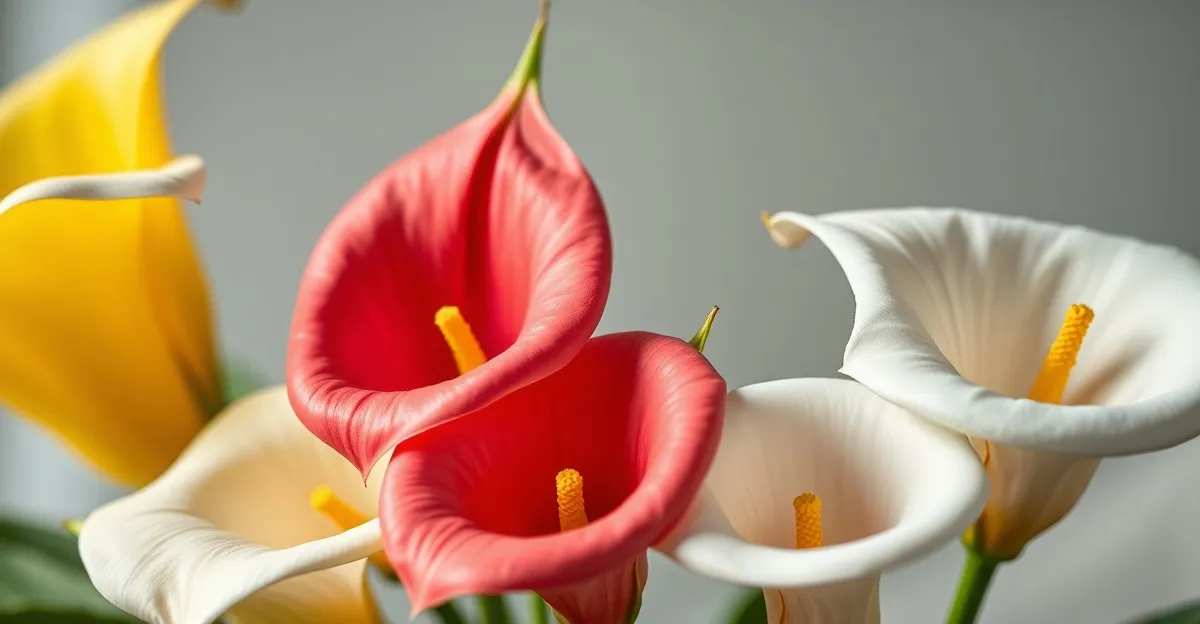
Silica gel drying preserves colour better than any other drying method. Deep purples may lose some intensity and shift slightly. Pinks and yellows generally hold well. White spathes may develop a slight cream or parchment tone. No preservation method maintains colours as perfectly as fresh flowers, but silica gel drying comes closest.
Can I cast an entire calla lily arrangement in resin rather than individual stems?
Casting very large arrangements in resin is technically possible but requires multiple careful pours to fill a large volume without excessive heat generation (thick resin pours generate heat as they cure). For very large projects, consulting a professional resin artist in Bali is advisable. For a small to medium arrangement (three to five stems), home casting is manageable with care and patience.
What should I do if I cannot start preservation until the day after the event?
Store the flowers in clean, fresh water in a cool (ideally air-conditioned) location overnight. Change the water if possible. Remove any blooms that have fully wilted by the time you begin preservation. The preservation quality will be slightly lower than immediate processing but should still produce acceptable results.
The flowers from a meaningful event deserve to be kept in some form. With the right technique — and the right adaptation for Bali's climate — a calla lily bouquet can become a lasting, beautiful object that carries the memory of the occasion for years.
At heyflower.co, we source premium calla lilies from Bali's finest highland farms and create arrangements worthy of preservation. For regular fresh flowers that bring beauty into your everyday life, explore our flower subscription plans and let Bali's finest blooms become part of your week.
More on Calla lily