Astilbe vase life in the tropics: how long do they last?
Astilbe vase life in Bali's tropical heat: what to expect, how to extend it, and the care habits that make the biggest difference in high humidity.
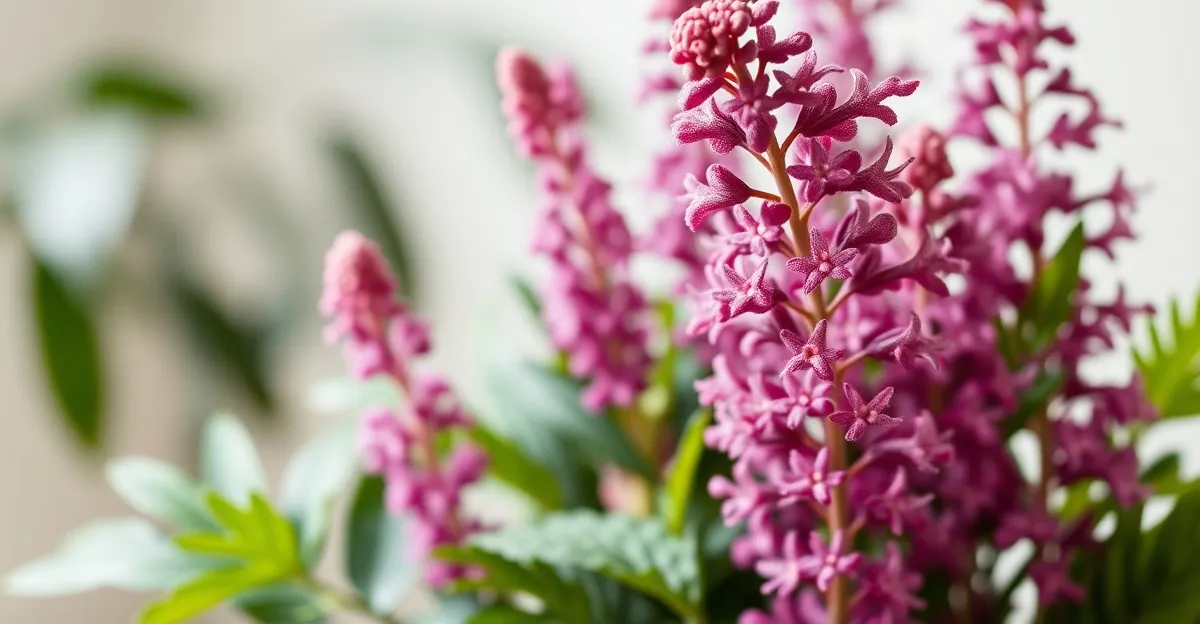
Astilbe is beloved for its feathery plumes and soft, romantic feel — but if you've ever brought a bunch home to a Seminyak villa or a Canggu living room and watched it droop within two days, you'll know it doesn't always cooperate with Bali's climate. The good news is that with a bit of know-how, you can meaningfully extend how long these flowers look their best.
Understanding why astilbe struggles in tropical conditions helps you take the right steps rather than guessing. It also helps you set realistic expectations — because astilbe in Bali and astilbe in a cool European kitchen are genuinely different propositions.
What affects vase life in a tropical climate
The main enemies are heat, humidity, and insufficient water uptake. Astilbe's fine, feathery plumes have a high surface area relative to their mass, which means they lose moisture quickly through transpiration. In temperatures consistently above 30°C — standard on Bali's coast from Kuta to Lovina — that moisture loss accelerates dramatically.
High humidity sounds like it should help, but it's actually a mixed blessing. While it slows some moisture loss from the plumes, it also creates conditions where bacteria multiply faster in vase water. Cloudy water and blocked stem ends cut off water supply, which is often the direct cause of wilting astilbe even when the vase still looks full.
The flowers themselves are also naturally short-lived compared to, say, chrysanthemums or anthuriums. Even in ideal conditions, astilbe isn't a two-week flower. But the difference between two days and six or seven days is very achievable with good care.
Realistic vase life expectations in Bali
In a well air-conditioned room — a hotel room in Nusa Dua, a co-working space in Pererenan, an office in Denpasar — expect five to seven days if you follow good care practices. This is actually comparable to temperate conditions because the air conditioning compensates for the outdoor heat.
In a naturally ventilated home without much cooling — common in traditional Balinese-style houses in Ubud or Tabanan, where open-air living rooms let the breeze through — expect three to four days. This isn't bad; it just means you're refreshing your flowers more often, which is honestly a nice habit anyway.
For outdoor events or terraces — a pool ceremony in Uluwatu, an open-air reception in Seminyak — astilbe may look good for only one day, especially in the afternoon heat. It's worth using astilbe in these settings knowing this, and choosing arrangements where it plays a supporting role rather than being the hero bloom.
How to prepare astilbe to maximise vase life
Start before you even put them in water. When your flowers arrive, re-cut the stems at a 45-degree angle under water if possible — this prevents air getting into the cut end before the stem reaches the water. Remove any foliage that would sit below the waterline; submerged leaves decay quickly and cloud the water.
Use a clean vase. This sounds basic, but bacterial residue from previous use is one of the most common causes of early wilting. A quick rinse with a drop of bleach solution and a thorough rinse with clean water before each use makes a real difference.
Add flower food if you have it. Commercial cut flower food contains sugar (fuel for the flower), acidifier (to lower water pH and discourage bacteria), and a biocide. In Bali's heat, that biocide component is especially valuable. You can make a simple substitute with a teaspoon of sugar and a couple of drops of plain bleach per litre of water — not perfect, but better than plain water alone.
Keep the vase in the coolest part of the room, away from direct sunlight and away from fans blowing hot air. A corner of the room that doesn't catch afternoon sun in Bali's east-facing hours is ideal.
Refreshing the water and stems
Every second day, tip out the old water, rinse the vase, re-cut the stems by about a centimetre, and refill with fresh water and a small amount of flower food. In a tropical climate, this rhythm is closer to necessary than optional. The water in a Bali vase in January or February — peak wet season, high heat — will cloud noticeably faster than in a cooler climate.
When you re-cut, you're exposing a fresh section of the vascular tissue that draws up water. Older cuts callus over and reduce uptake; a fresh cut restores it. Combined with clean water, this simple step is probably the single most effective thing you can do to keep astilbe looking good for longer.
Signs your astilbe is on its way out
The plumes are the most obvious indicator. When they start to dry and brown at the tips, the flower is past its peak but not necessarily finished — tip browning often happens before the central section deteriorates. You can trim the plume tips if the browning is minor and the arrangement is still needed for a day or two more.
Stem softening and drooping are signs of water uptake failure. If this happens early — within a day or two — try re-cutting the stem significantly and placing it in fresh, cool water. Sometimes this revives them. If the stem has gone truly soft and slimy, the flower is done.
Colour fading is normal and happens gradually. White astilbe fades to a creamy off-white; pink fades to a softer pastel. This isn't necessarily ugly — many people prefer the faded tones — but it does signal that the flower is past peak.

The team
your florists
weekly subscription · Bali
We write about flowers because we love them. We deliver them because someone should — properly, weekly, across Bali.
— heyflowerPay once for 3, 6, or 12 months, no auto-renewal.
Pairing with longer-lasting flowers
One practical strategy is to pair astilbe with flowers that have better tropical vase life, so that as the astilbe fades, the arrangement still has structure. Anthuriums, chrysanthemums, and tropical foliage like monstera all last considerably longer. Pairing astilbe with other blooms covers this design approach in depth.
You can also use dried or preserved astilbe alongside fresh blooms — dried astilbe holds its form well and adds texture without the short vase life concern. Freeze-drying flowers: is it worth it for tropical blooms? explores preservation options in more detail.
FAQ
How long does astilbe last in a vase in Bali? In a cool, air-conditioned room: five to seven days. In a naturally ventilated tropical setting: three to four days. Outdoors in direct heat: one to two days.
Does astilbe need special care in humidity? High humidity doesn't directly harm the plumes but it speeds bacterial growth in vase water. Change the water every two days and keep the vase clean.
Can I revive wilting astilbe? Sometimes. Re-cut the stems, remove any damaged foliage, place in cool fresh water, and move to a cooler spot. If the stems are still firm, this often works. Soft, slimy stems are harder to rescue.
Should I mist astilbe in Bali's heat? No. Misting can encourage mould on the delicate plumes in tropical humidity. Focus on clean vase water and a cool location instead.
Does it help to keep astilbe in the fridge overnight? Yes, if you have a cool enough fridge and space. Even a few hours in a cool environment each night extends vase life noticeably. Just don't put it next to fruit — the ethylene gas from ripening fruit accelerates flower aging.
Ready to bring fresh flowers to your Bali home or event? Explore our weekly flower subscription and get handpicked blooms delivered to your door every week.
More on Astilbe