Pairing astilbe with other blooms: a florist's guide
Learn how to pair astilbe with roses, dahlias, ferns, and more. Expert florist tips for tropical Bali arrangements that stay fresh in the heat.
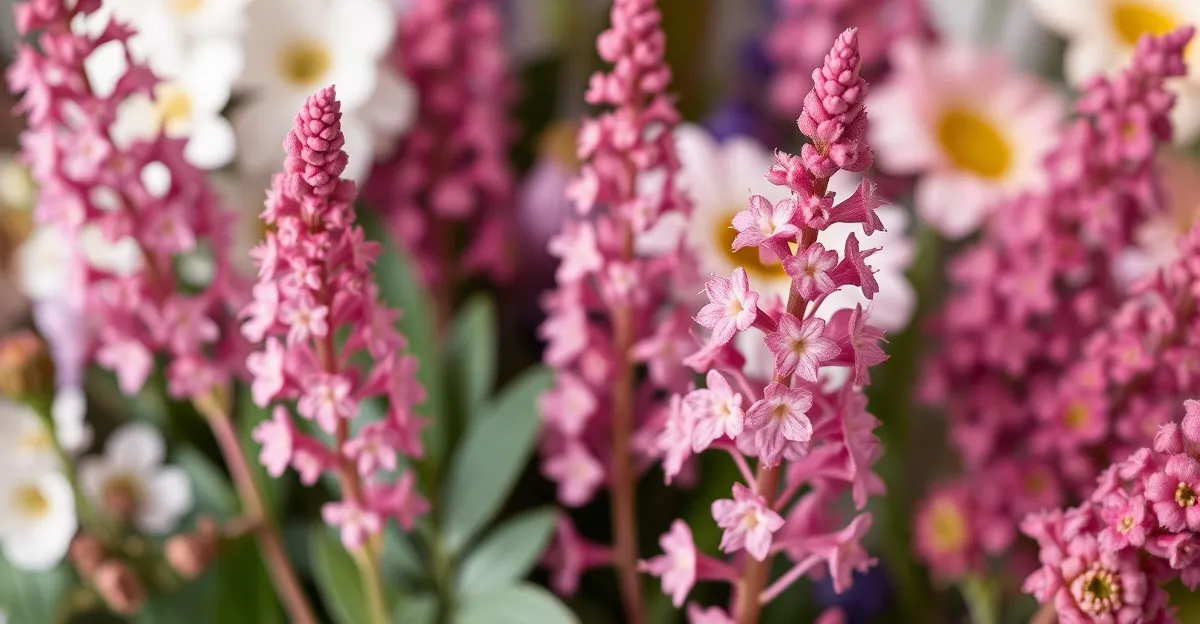
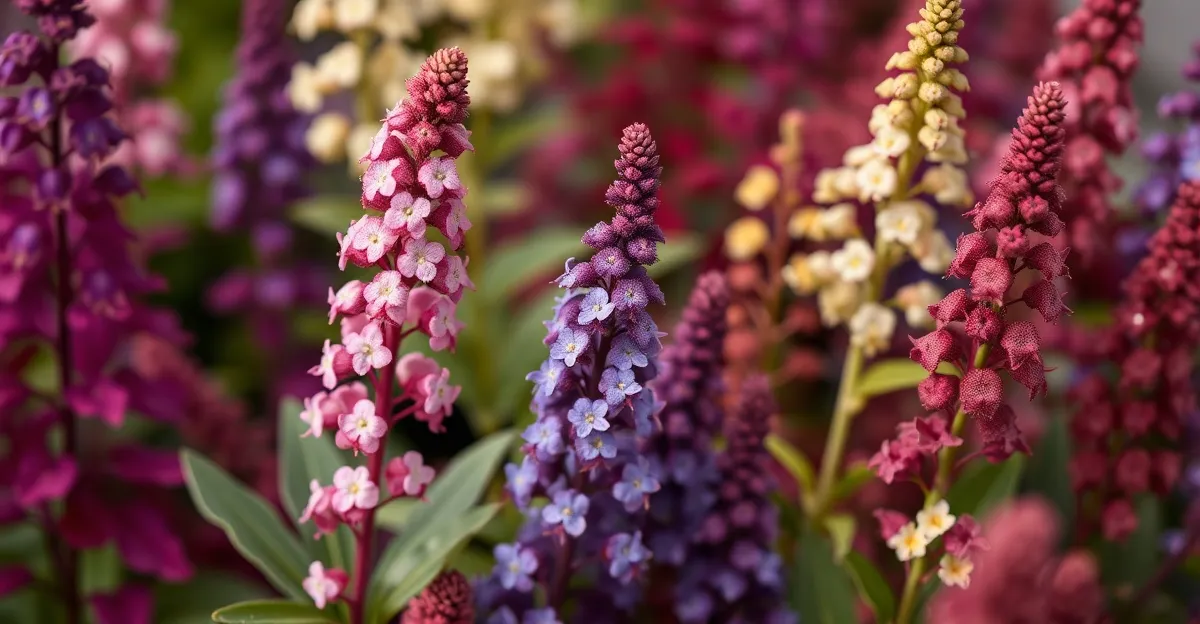
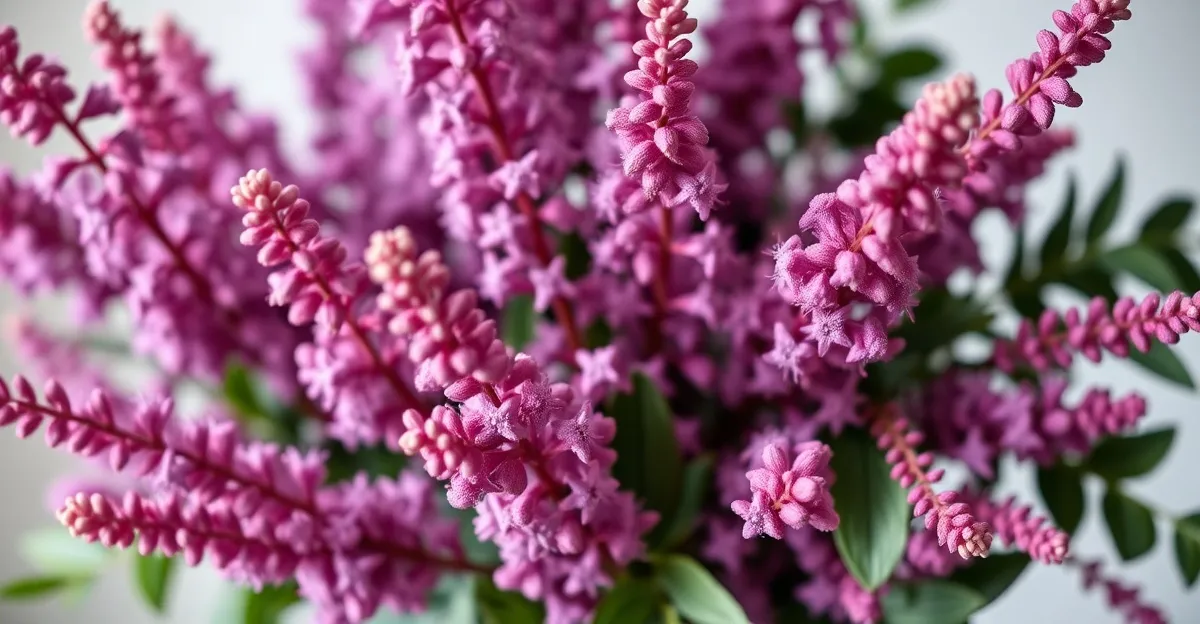
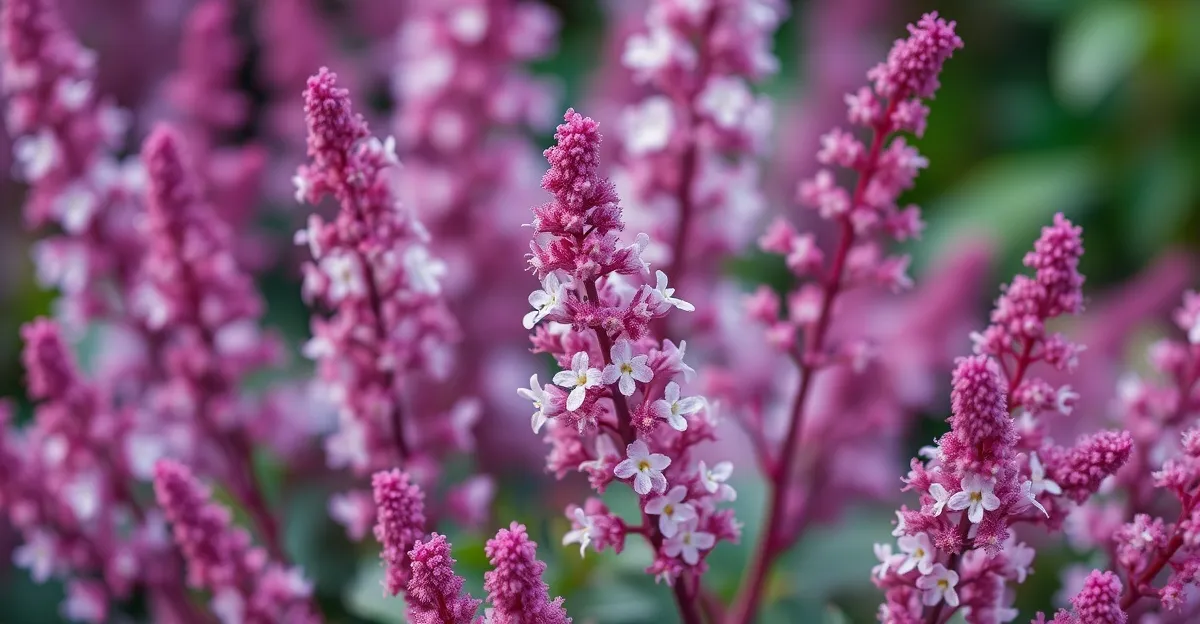
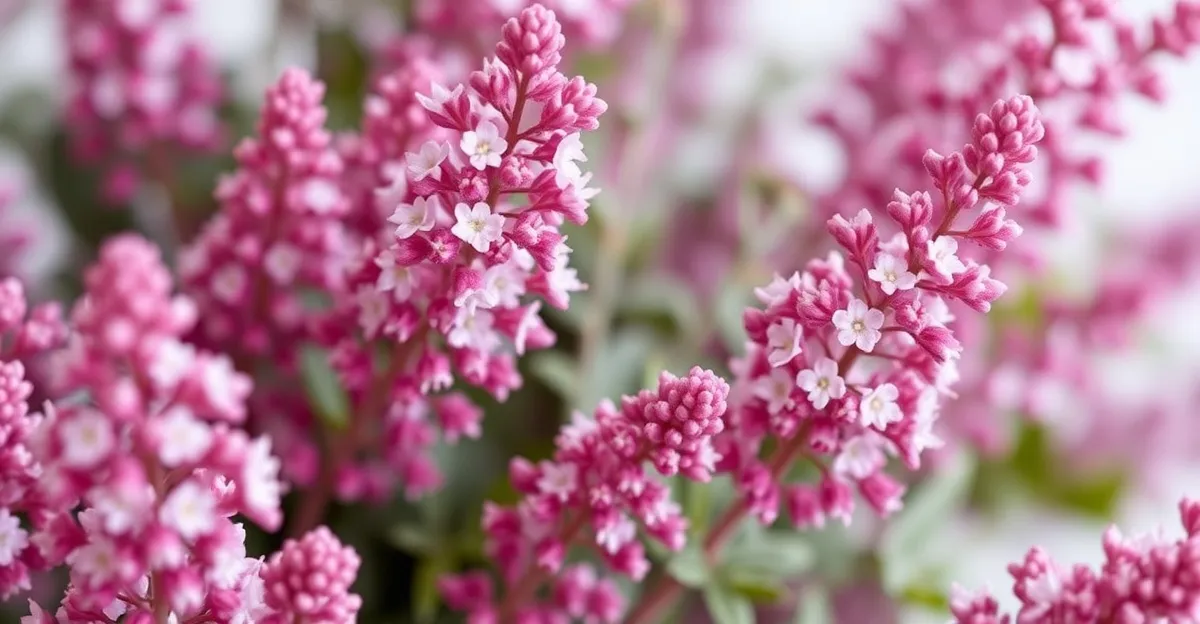
Astilbe is one of those flowers that makes other flowers look better. With its feathery, plumed spires and soft colour range — from white and cream through blush pink to deep magenta and red — it fills space in an arrangement the way nothing else quite does. Rather than demanding attention, it creates context, giving denser blooms room to breathe and adding movement that a stiff stem can never achieve.
Working with astilbe here in Bali has its quirks. We source much of our stock from highland growers around Bedugul and Kintamani, where the cooler air and higher altitude allow the plant to thrive. By the time astilbe reaches the coast — Seminyak, Canggu, Sanur — it's already under stress from the humidity. So pairing it well isn't just an aesthetic choice; it's partly about choosing companion flowers that help the whole arrangement hold together even when conditions are far from ideal.
Why astilbe works as a filler and focal point
Most fillers — think baby's breath, statice — sit clearly in the background. Astilbe can do both. A tight cluster of deep red or cerise astilbe can absolutely anchor a bouquet; a handful of pale cream plumes does the opposite and softens everything around it. This dual nature is what makes it so useful.
Structurally, the branched stem means you can cut individual laterals away from the main stalk and use them to fill gaps or add to smaller posies. In Bali's warmer climate, this versatility matters: the sooner you can break down a bunch and use it strategically, the less you waste to wilting.
Pairing astilbe with roses
This is the classic combination, and for good reason. The soft texture of astilbe contrasts perfectly with the structured petal layers of a garden rose. If you're using blush or cream roses — common in the Seminyak villa wedding market — then pale pink or white astilbe sits alongside them beautifully without competing. For stronger, deeper roses (dusty red, burgundy), use the deeper magenta or red astilbe varieties to keep the tonal palette cohesive.
One practical note: roses in Bali are largely sourced from Java, and they arrive reasonably hardy. Astilbe is more delicate. Condition them separately, keep both in cool water, and don't let the astilbe dry out before you assemble the bouquet. In a finished arrangement, place astilbe toward the outer edges where air circulates — it actually lasts longer there than packed into the centre of a dense hand-tied.
Pairing with lisianthus and ranunculus
If roses feel a bit formal, lisianthus gives you a similar layered effect with a softer touch. Lisianthus meaning and symbolism points to themes of gratitude and enduring bonds — fitting for the kind of heartfelt gift arrangements where astilbe also shines. Together, white lisianthus and white astilbe create an ethereal, all-white arrangement that photographs exceptionally well, which matters in a market where so many flowers end up in Instagram frames before they end up in vases.
Ranunculus is another excellent companion. The densely layered petals of a ranunculus bloom create a satisfying counterpoint to astilbe's airy plumes. In a hand-tied bouquet going to a Ubud retreat or a cliff-side villa in Uluwatu, this pairing reads as relaxed luxury — considered, but not overwrought.
Pairing with foliage and ferns
Astilbe is rarely shown with serious foliage, but it deserves to be. In Bali, we have access to wonderful greenery: monstera leaves, tropical ferns, ruscus, Italian ruscus, and the broad-leafed varieties that come down from the highlands. Deep green foliage grounds the entire palette when you're working with lighter astilbe shades and makes the colours pop more sharply.
Eucalyptus is popular with overseas clients but wilts quickly in coastal humidity. Swap it for leather leaf fern or maidenhair fern if you're building an arrangement in Canggu or Seminyak — they handle the conditions much better and the feathery texture actually echoes the astilbe plume, creating a more unified look.
Astilbe with dahlias, chrysanthemums, and bold tropicals
For bigger, bolder arrangements — event centrepieces, restaurant table displays, hotel lobby pieces — astilbe pairs well with dahlias and chrysanthemums. Both provide solid mass; the astilbe breaks that mass up and prevents the arrangement from looking too blocky. A mid-size dinner centrepiece might use three dahlia heads, five chrysanthemum blooms, and then a generous cluster of deep pink astilbe spires sweeping out at the sides.
Tropical flowers like heliconia, bird of paradise, and ginger flower are a trickier match. Their architectural shapes are strong and directional, and soft astilbe plumes can get visually lost next to them. If you want to bring astilbe into a tropical arrangement, lean into contrast: use white or cream astilbe against a bold red heliconia, and keep the foliage minimal so each element reads clearly. Pairing ginger flower with other blooms covers this kind of tropical design thinking in more detail.

The team
your florists
weekly subscription · Bali
We write about flowers because we love them. We deliver them because someone should — properly, weekly, across Bali.
— heyflowerPay once for 3, 6, or 12 months, no auto-renewal.
Practical tips for working with astilbe in Bali's climate
The biggest challenge is straightforward: heat. Astilbe dries out fast when temperatures push past 30°C, which is most of the year on the coast. A few habits that help:
Condition immediately on arrival. Cut stems at a sharp angle and place them in deep, cool water for at least four hours before you work with them. If you're in Denpasar or Kuta where the air conditioning is strong, condition them there rather than in a warm workroom.
Don't mist astilbe. Unlike some flowers, astilbe doesn't actually benefit from misting in humid conditions — wet plumes in tropical heat can accelerate decay. Keep air circulating instead.
Use floral foam sparingly. Foam-based arrangements trap heat and dry out in ways a water-filled vase doesn't. If you're building a table centrepiece for an outdoor event, use a vase-based design and add a little flower food to the water. The astilbe will last meaningfully longer.
Finally, pair astilbe with flowers that have similar water requirements. Roses, lisianthus, ranunculus — all are moderate drinkers. Heavy tropical stems like heliconia draw a lot of water and can leave the astilbe gasping. Keep the design intentional and the vase topped up.
FAQ
How long does astilbe last in a Bali arrangement? In a cool room with fresh water, you can expect four to six days. In an outdoor or warm setting on the coast, plan for two to three days. Conditioning before use extends vase life noticeably.
Can I mix astilbe with tropical flowers? Yes, but keep the contrast intentional. White or cream astilbe next to bold red tropicals reads well. Pastel astilbe next to pastel tropicals can lose definition. Aim for clear contrast in either texture or colour.
Where do florists in Bali source astilbe? Mostly from highland growers around Bedugul and Kintamani, where the climate is closer to the cool, moist conditions astilbe prefers. Some is also imported from Java.
Does astilbe work in a bridal bouquet? Absolutely. Astilbe in a bridal bouquet adds softness and movement without bulk. It's especially popular in cascade-style and garden-style bouquets for Bali weddings.
What colours of astilbe are most commonly available in Bali? White, cream, and mid-pink are the most consistently available. Deeper reds and magenta are available but sometimes require advance ordering, particularly outside peak tourist season (June–September).
Ready to bring fresh flowers to your Bali home or event? Explore our weekly flower subscription and get handpicked blooms delivered to your door every week.
More on Astilbe