Astilbe in Balinese ceremonies: traditional uses in Bali
Does astilbe have a place in Balinese ceremonies? Explore how this highland ornamental fits into Bali's rich floral culture and ceremonial traditions.
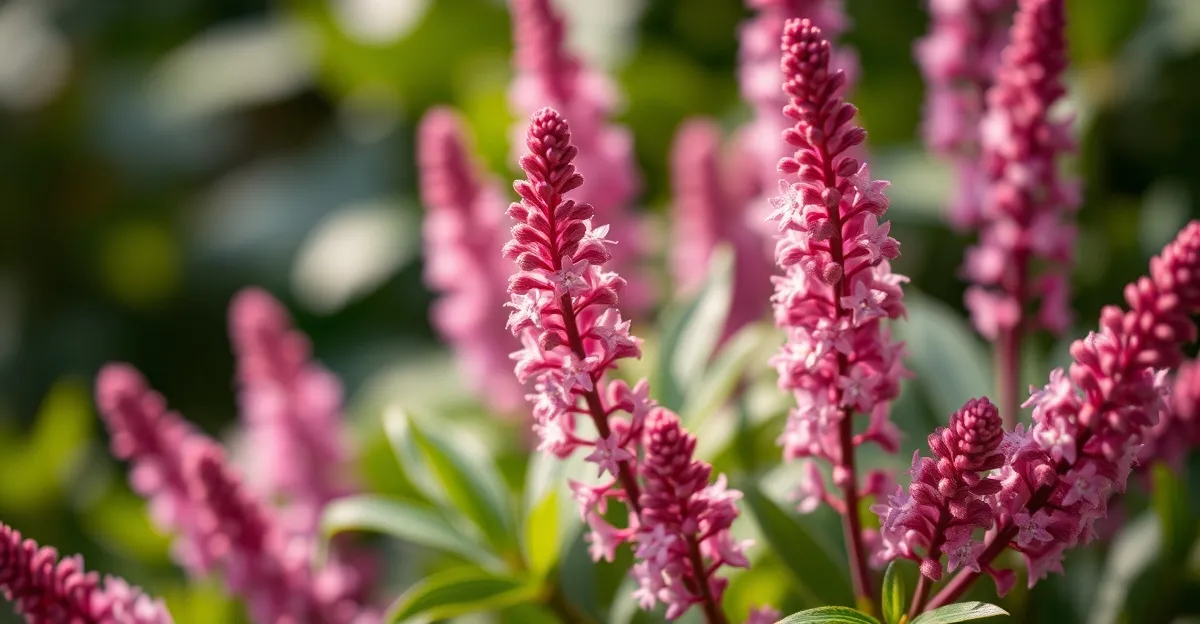
When you first arrive in Bali and witness the extraordinary care that goes into daily offerings — the perfectly arranged canang sari placed at doorways, shrines, and road junctions at dawn — it's clear that flowers are not merely decorative here. They are a language, a ritual, a form of communication between the human and the divine. Every flower in an offering carries meaning: its colour, placement, and species all contribute to the message being conveyed.
Astilbe is not part of this ancient tradition. Let me be clear about that from the outset. It arrived in Bali's commercial flower trade relatively recently, and it has no place in the ceremonial vocabulary that Balinese Hindu practice has developed over centuries. But that doesn't mean astilbe has no connection to Balinese ceremony at all — it's just that its role is contemporary, and it sits in a different part of Bali's ceremonial landscape.
Traditional Balinese ceremonial flowers
To understand where astilbe stands, it helps to know what flowers are central to Balinese ceremony. The frangipani (jepun) is perhaps the most iconic: white and yellow varieties are used in most offerings and adorn the hair of ceremony participants. Hibiscus flowers (pura), particularly red varieties, are associated with Dewi Uma and appear in specific ritual contexts. Marigolds provide the yellow petals that feature prominently in many offerings. White jasmine, champak, and lotus complete the core repertoire.
These flowers are grown locally across Bali, available year-round, and their cultivation is tied to the ceremonial calendar in practical ways. Families who grow frangipani or marigolds at home often tend them specifically to ensure a ready supply for daily offerings.
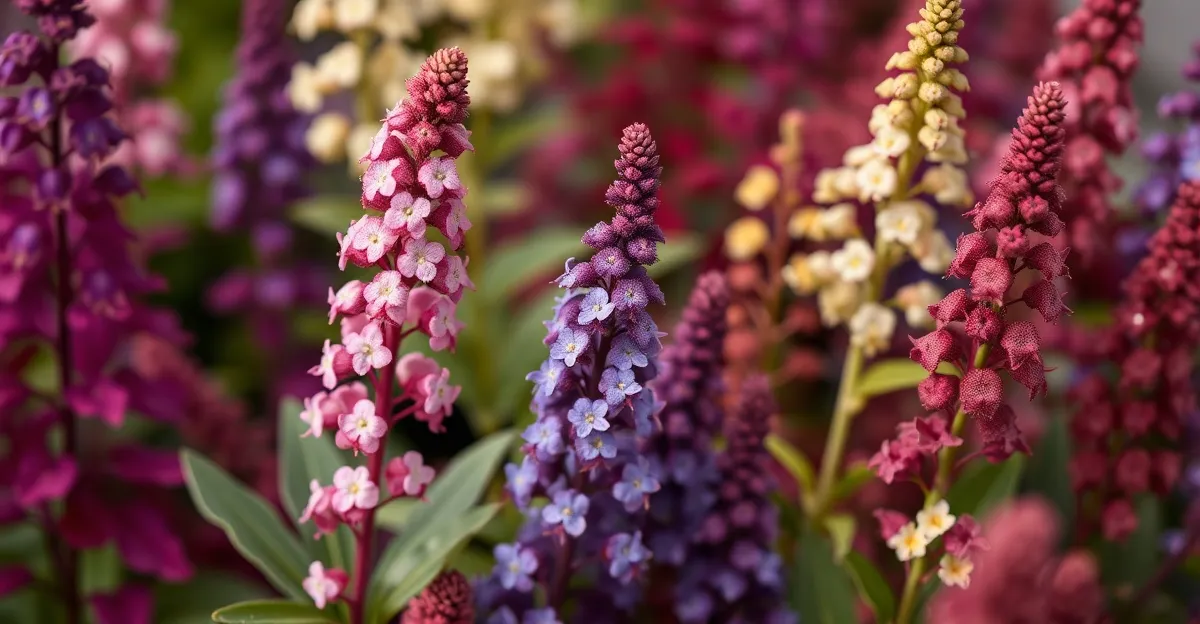
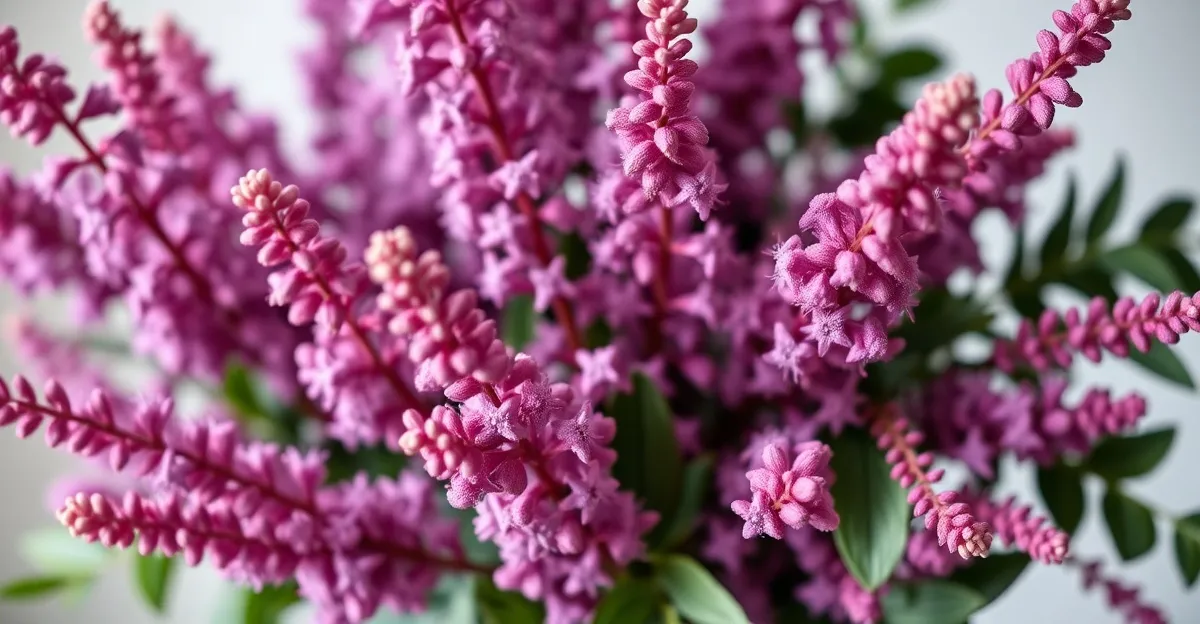
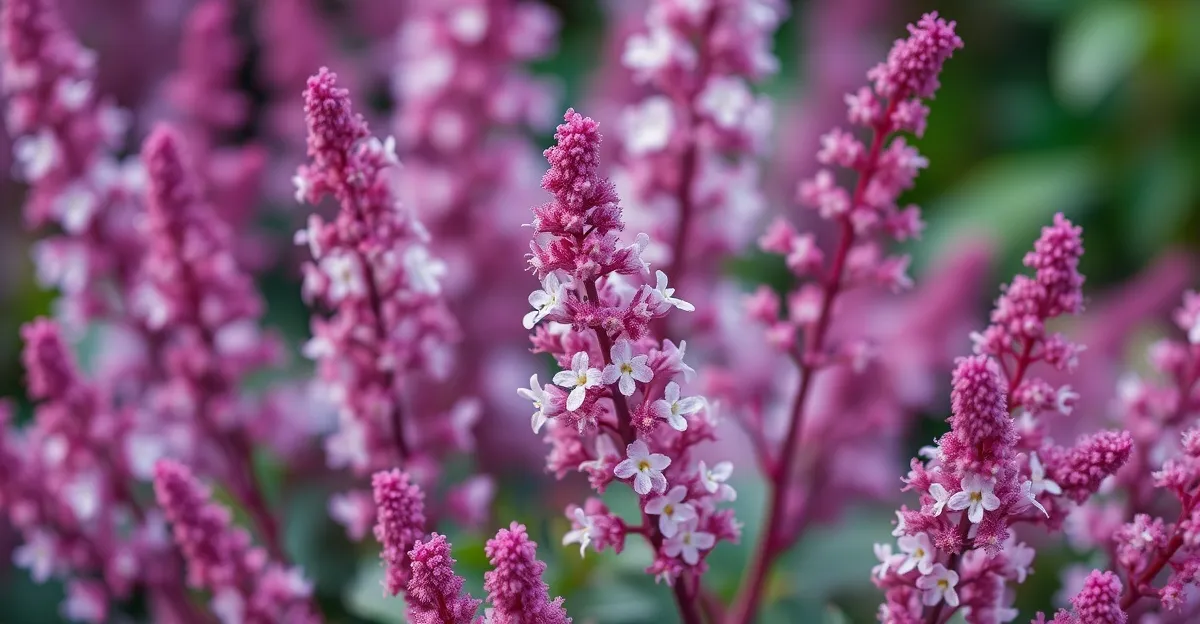
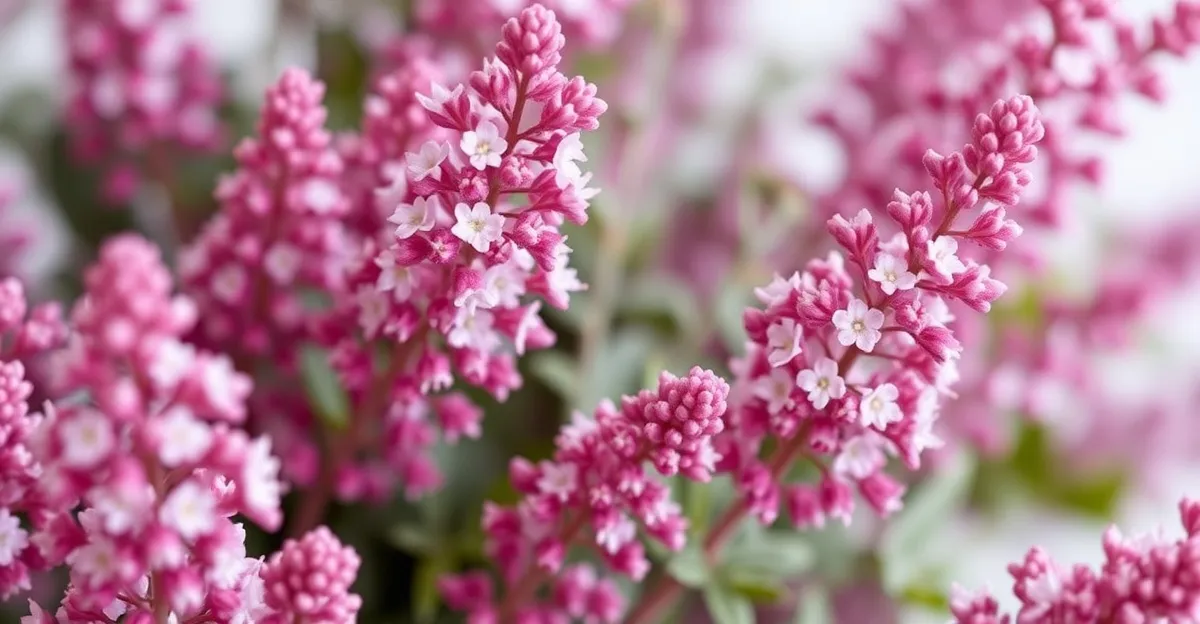
Astilbe grows primarily in highland Bali (Bedugul, Kintamani) and is produced largely for the commercial cut flower market. It doesn't appear in canang sari, temple decorations, or ngaben (cremation) ceremonies in any traditional sense.
Where astilbe does appear in Bali's ceremonial context
The distinction worth making is between traditional Balinese ceremonial practice and the broader category of events with ceremonial significance that take place in Bali — including events involving international couples and businesses.
Destination weddings: Bali hosts thousands of destination weddings each year, many of them blending elements of Western wedding ceremony with Balinese settings and aesthetics. Couples from Australia, the UK, Europe, and increasingly from Singapore, Japan, and other parts of Asia come to marry against Bali's landscape. For these events — ceremonies at clifftop venues in Uluwatu, jungle retreats in Ubud, beach setups in Seminyak — astilbe appears frequently in wedding flowers, often paired with roses, lisianthus, and tropical foliage.
These events are ceremonies in a genuine sense, even if they're not Balinese Hindu rituals. And in this context, astilbe has become a real presence in Bali's ceremonial floral landscape. More on this in astilbe in wedding bouquets: ideas, meanings, and pairings.
Odalan and temple anniversary events: Balinese temples observe periodic odalan (temple anniversaries) with significant celebrations that often include elaborate decorations. While traditional flowers remain central to the ritual aspects, contemporary temple event spaces sometimes incorporate ornamental arrangements for hospitality areas near (but not within) the sacred spaces. In tourist-facing temples, you might occasionally see astilbe in decorative — rather than ritual — arrangements in these peripheral spaces.
Corporate and hospitality ceremonies: Bali's wellness retreats, luxury hotels, and hospitality venues often host opening ceremonies, seasonal celebrations, and staff ceremonies that blend Balinese ritual elements (blessing by a priest, small offerings) with contemporary event design. In these settings, astilbe regularly appears in the floral design because it fits the aesthetic values of the international market these venues serve.
Nyepi and floral tradition
Nyepi — the Balinese Hindu New Year — is observed through the Saka calendar and falls in March or April. The day itself is one of complete stillness: no light, no movement, no sound. But the day before, the island explodes into the ogoh-ogoh parade, where enormous papier-mâché demon figures are carried through the streets to drive away negative spirits.
Flower offerings increase in the days leading up to Nyepi, but these are traditional offerings, not decorative arrangements. Astilbe would have no part in Nyepi ceremonies or preparation, though it might appear in the decorations at a hotel or villa hosting a Nyepi farewell dinner for guests on the eve of the holiday.
Galungan and the penjor tradition
Galungan celebrates the victory of dharma (order, righteousness) over adharma, observed every 210 days on the Balinese Pawukon calendar. The characteristic visual of Galungan is the penjor: tall, curving bamboo poles decorated with woven coconut leaves, fruits, flowers, and offerings that line every road across the island.
The flowers on penjor are traditional varieties — frangipani, jasmine, marigold — dried or fresh. Astilbe isn't part of this tradition. But again, the broader Galungan celebration period includes hospitality events at Bali's many resorts and villas, and some of these use astilbe in their decorative flowers for guestrooms and event spaces during the holiday period.

The team
your florists
weekly subscription · Bali
We write about flowers because we love them. We deliver them because someone should — properly, weekly, across Bali.
— heyflowerPay once for 3, 6, or 12 months, no auto-renewal.
Respecting the boundary between ritual and decoration
One of the most important things for anyone working with flowers in Bali — florists, event planners, villa hosts — is understanding the boundary between ceremonial flowers and decorative flowers. Placing inappropriate flowers near temple spaces or including non-ceremonial flowers in actual ritual offerings is discouraged and can cause offence.
Astilbe is firmly in the decorative category. This isn't a criticism; it's simply its nature and place. Used thoughtfully in event and hospitality contexts, it's a beautiful addition to Bali's floral palette. Understanding its place ensures it's used appropriately. Odalan temple anniversaries and floral offerings explores the ceremonial side of Bali's flower culture in more depth.
FAQ
Is astilbe used in traditional Balinese Hindu offerings? No. Astilbe has no place in traditional Balinese ritual offerings such as canang sari or temple ceremonies. Traditional offerings use flowers with established ceremonial significance in Balinese Hinduism.
Can astilbe be part of a Bali wedding ceremony? Yes, particularly for destination weddings with Western or international styling. It's widely used in wedding bouquets, table arrangements, and ceremony spaces at Bali's event venues.
What flowers are traditionally used in Balinese ceremonies? Frangipani, hibiscus, marigold, jasmine, champak, and lotus are the core ceremonial flowers. Each carries specific spiritual associations within Balinese Hindu practice.
Are there any ceremonies in Bali where astilbe would be appropriate? In non-ritual, event-style ceremonies — destination weddings, corporate ceremonies, hospitality events — yes. In traditional Balinese Hindu ritual contexts, no.
Does it matter which flowers I use in floral decorations near temples? Yes, to an extent. Decorations for spaces adjacent to but not within sacred areas should be chosen respectfully. Your event coordinator or local florist can advise on appropriate boundaries for specific venues.
Ready to bring fresh flowers to your Bali home or event? Explore our weekly flower subscription and get handpicked blooms delivered to your door every week.
More on Astilbe