Astilbe in wedding bouquets: ideas, meanings, and pairings
Astilbe adds soft texture and romantic movement to Bali wedding bouquets. Explore meanings, ideal pairings, and styling ideas for tropical ceremonies.
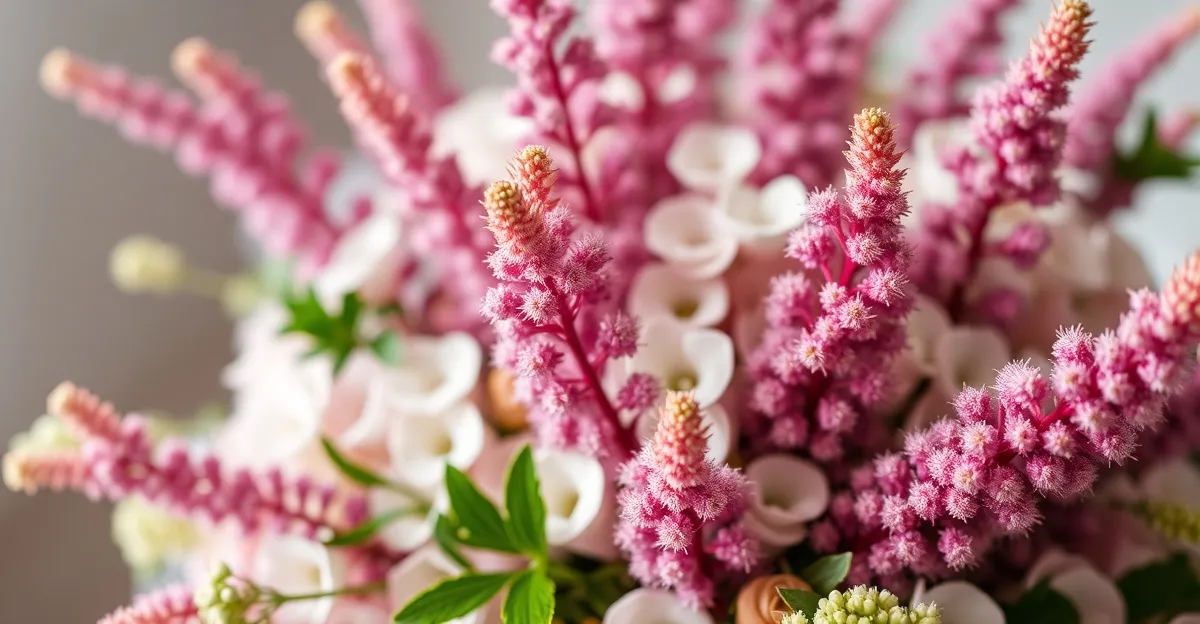
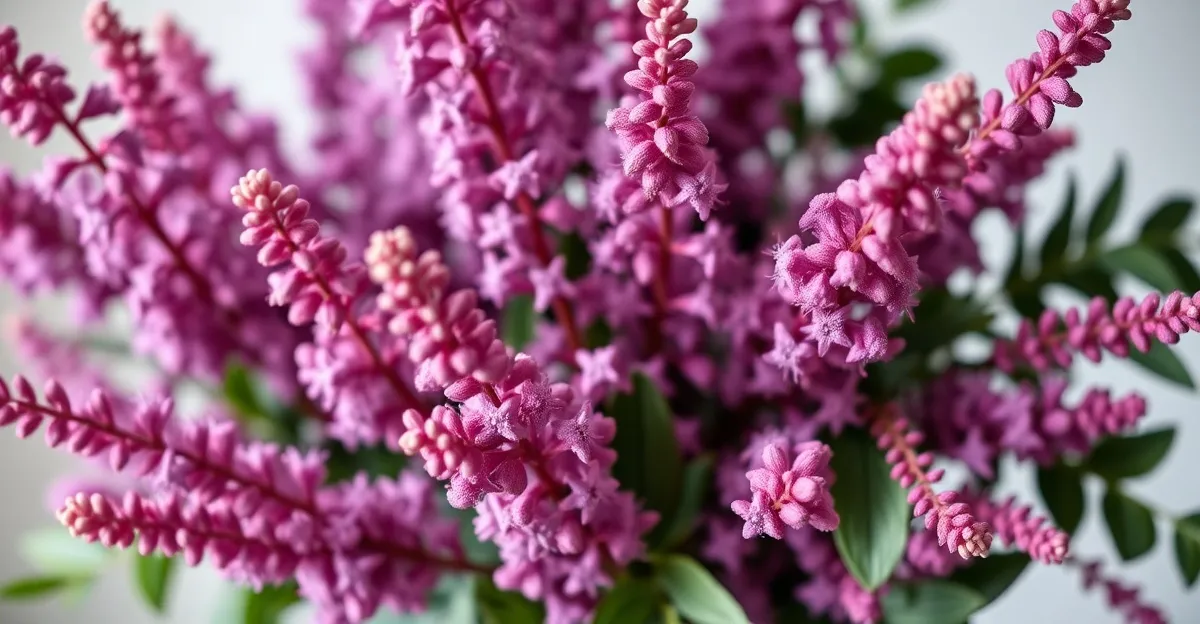
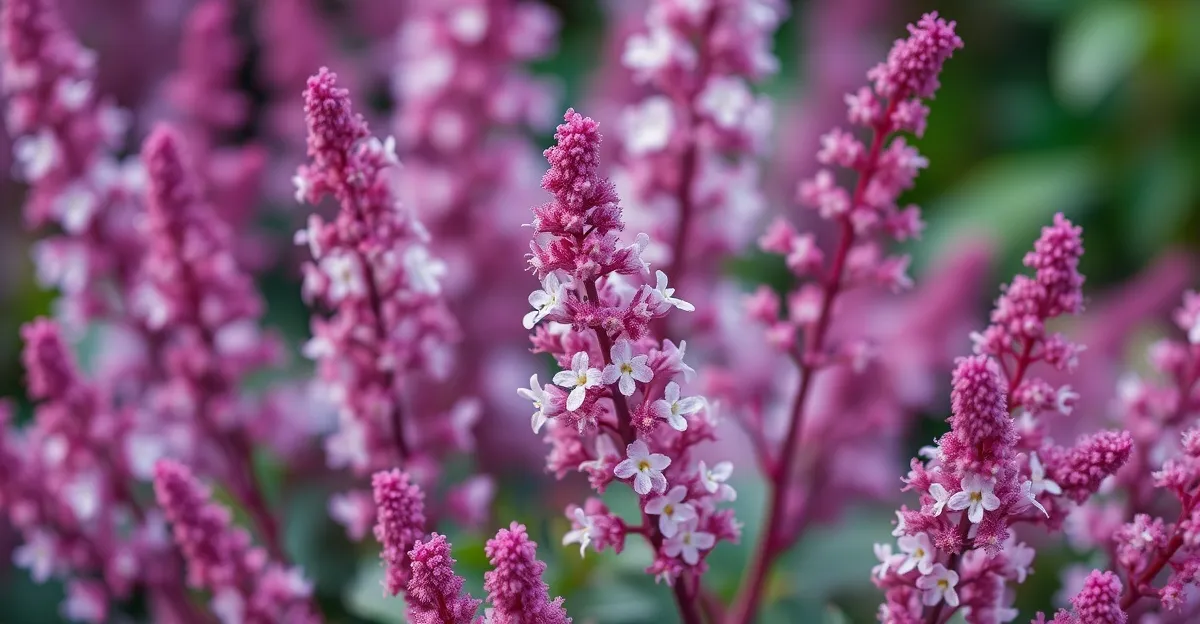
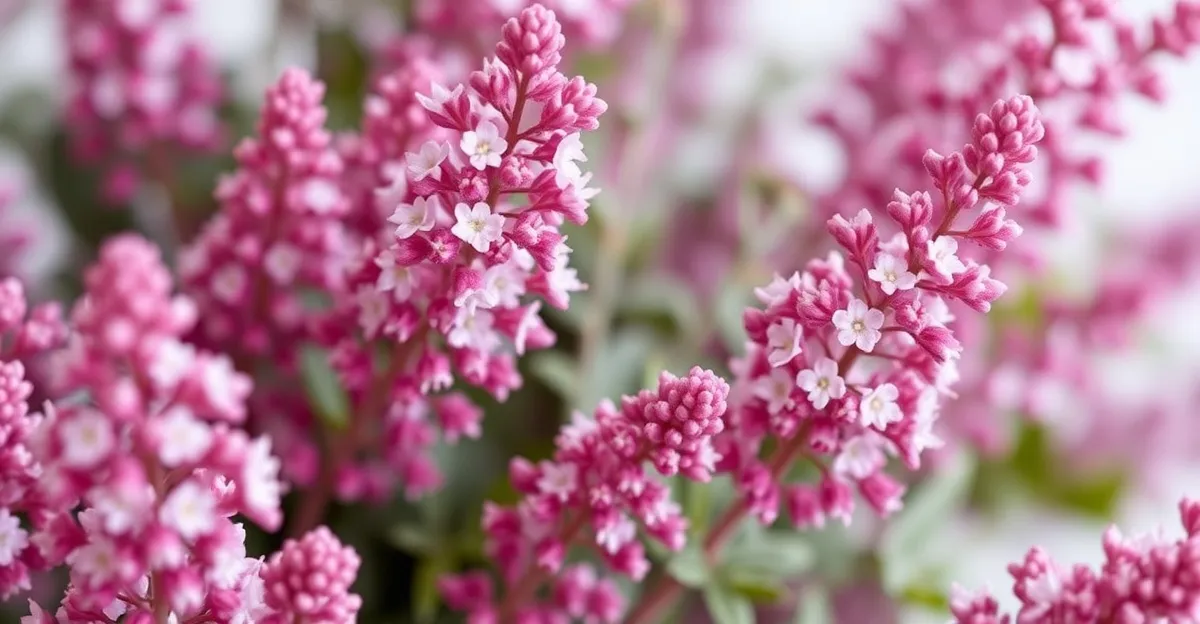
When couples planning a Bali wedding ask about flowers that feel romantic without being stiff or formal, astilbe is often the first thing I reach for. Its feathery, arching plumes bring softness and movement to a bouquet in a way that structured blooms like roses and peonies simply can't — and in the context of Bali's lush, organic landscapes, that natural quality translates beautifully.
Whether you're planning a clifftop ceremony in Uluwatu, a garden wedding in Ubud, or a beachfront celebration in Seminyak, astilbe can play multiple roles depending on the style and scale of your floral vision.
What astilbe means and why it suits weddings
Astilbe carries symbolism around patience, dedication, and "I'll still be waiting for you" — a sentiment deeply suited to wedding ceremonies. In the language of flowers (floriography), it's also associated with love that is unhurried and genuinely felt, rather than the passionate urgency of red roses. For couples who want their flowers to reflect a calm, settled love rather than a dramatic declaration, astilbe makes a meaningful choice.
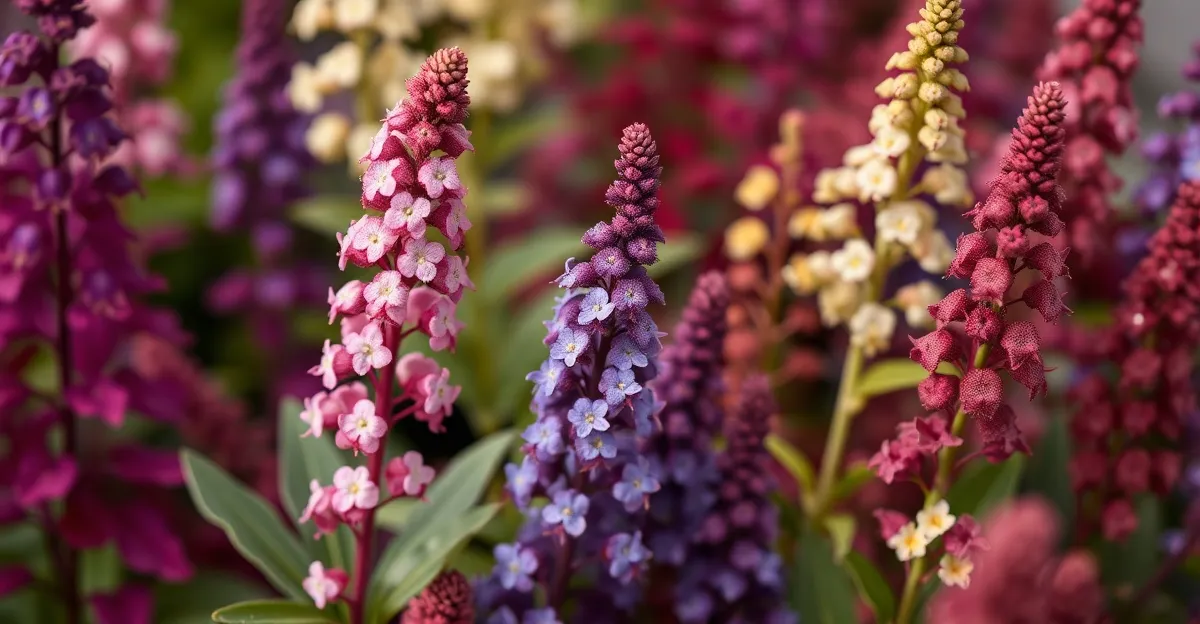
It's worth noting that different colours carry slightly different nuances. White astilbe is most commonly associated with purity and new beginnings — a natural fit for weddings. Pink shades range from innocent blush to the warmer connotations of deeper magenta. Red astilbe, rarer but available from highland Bali growers, brings passion into the mix while still maintaining that characteristic softness of form.
Bouquet styles where astilbe shines
Garden-style bouquets: This is probably the most natural home for astilbe. A loosely gathered garden bouquet with roses, ranunculus, lisianthus, and trails of astilbe spires looks entirely at home at a Ubud jungle wedding or a heritage property ceremony in Gianyar. The organic shape of astilbe supports the intentionally imperfect structure of a garden bouquet.
Cascade bouquets: Astilbe's arching stems drape naturally downward, making it an excellent choice for cascade or shower bouquets. A cascade of white and blush astilbe mixed with trailing greenery can look spectacular against the backdrop of Bali's rice terraces or temple architecture.
Minimalist bouquets: Used sparingly, a single variety bouquet of white astilbe wrapped in a clean ribbon has a quiet, modern elegance. This style suits intimate ceremonies and couples who want to let the natural setting do the talking.
Destination wedding bouquets: Because Bali draws so many international couples, we often work with requests for European-style bouquets using what's locally available. Astilbe bridges this gap beautifully — it's familiar to couples from the UK, Europe, and Australia, and it's available from our highland growers, meaning it doesn't need to be imported.
Ideal pairings for Bali wedding bouquets
The key to pairing astilbe in a wedding context is understanding whether you want it to blend or contrast. Here are the pairings that work consistently well in Bali's conditions:
Astilbe and garden roses: The classic combination. Cream or white roses with cream astilbe creates a unified, soft arrangement. Blush roses with pale pink astilbe is similarly harmonious. For more drama, try deep dusty roses with white astilbe — the contrast between density and featheriness is striking.
Astilbe and lisianthus: Both flowers share a softness and layered quality. They read almost as variations on the same theme, which makes for a very cohesive arrangement. White lisianthus with white astilbe is a particularly popular combination for villa weddings in Seminyak and Canggu.
Astilbe and ranunculus: Ranunculus's tightly layered petals contrast well with astilbe's open, airy form. Together in blush and cream tones, they create a romantic, high-end look that photographs beautifully.
Astilbe with tropical accents: For couples who want their bouquet to feel more Balinese, incorporating a few tropical elements works well. Astilbe in ivory or cream alongside small gardenia blooms and tropical foliage bridges the gap between a classic Western bouquet and something that genuinely feels of this place.
More detailed pairing guidance is covered in pairing astilbe with other blooms.
Practical considerations for Bali weddings
Bali's heat is the main challenge with astilbe at outdoor ceremonies. Most venues manage this well — early morning ceremonies (8am–10am) before the heat peaks are popular, and beachfront venues often have reliable sea breezes. But if your ceremony is at midday or your bouquet will be held in direct sun for extended periods, discuss this with your florist. They can advise on conditioning and may suggest backup arrangements or keeping the bouquet refrigerated right up until the ceremony.
Outdoor receptions in Seminyak or on the cliffs at Uluwatu can be warm well into the evening. Plan for astilbe to be at its best for about four to six hours in these conditions — more than enough for the ceremony and key photos. If you're setting up elaborate table arrangements hours before guests arrive, ask whether your venue has a cool room to store them.
For luxury wedding flowers, astilbe is often paired with premium roses, peonies (when available from Java), and high-end foliage choices. The overall aesthetic tends toward romantic abundance.

The team
your florists
weekly subscription · Bali
We write about flowers because we love them. We deliver them because someone should — properly, weekly, across Bali.
— heyflowerPay once for 3, 6, or 12 months, no auto-renewal.
Colours and seasonal availability
White and pale pink astilbe are the most consistently available in Bali's highland growing regions year-round. Deeper pinks and magentas are also reliably available with a little advance notice. Red varieties are less common and sometimes need to be ordered specifically from Bedugul growers — worth the effort for the right wedding palette.
Seasonal note: during Bali's wet season (November through April), highland growing conditions can fluctuate, and very heavy rains sometimes disrupt supply. If your wedding is during this period, ensure your florist has backup options and isn't relying entirely on one variety.
FAQ
Is astilbe a good choice for outdoor Bali weddings? Yes, with planning. It performs well in morning or evening ceremonies. For midday or afternoon outdoor events, discuss handling with your florist to ensure the flowers stay fresh through the ceremony and key photos.
What colours of astilbe are available in Bali for weddings? White, cream, blush pink, mid-pink, and magenta are reliably available. Red is available with advance notice. Deep burgundy is rare and may require importing from Java.
How far in advance should I order astilbe for my Bali wedding? At least two to three weeks for standard colours; four to six weeks for unusual colours or large quantities. Highland supply can fluctuate, and having your florist pre-order from their grower ensures the stems are there when you need them.
Can astilbe be used in wedding table arrangements as well as bouquets? Absolutely. It looks wonderful as part of low, loose centrepieces, especially when mixed with roses and foliage. In Bali's table arrangements, it's typically paired with firmer blooms so the overall arrangement has staying power.
Does astilbe have any cultural significance I should know about for a Bali wedding? Astilbe isn't part of traditional Balinese flower culture — it's more of an introduced ornamental. The main cultural consideration for Bali weddings is ensuring your overall floral design is respectful of the venue and ceremony type. For temple-adjacent venues, your event coordinator will advise on any restrictions.
Ready to bring fresh flowers to your Bali home or event? Explore our weekly flower subscription and get handpicked blooms delivered to your door every week.
More on Astilbe