When not to gift delphinium: cultural considerations
Delphinium is a generous gift in most situations — but Bali's layered culture calls for a little care. Here's what to know before you send them.
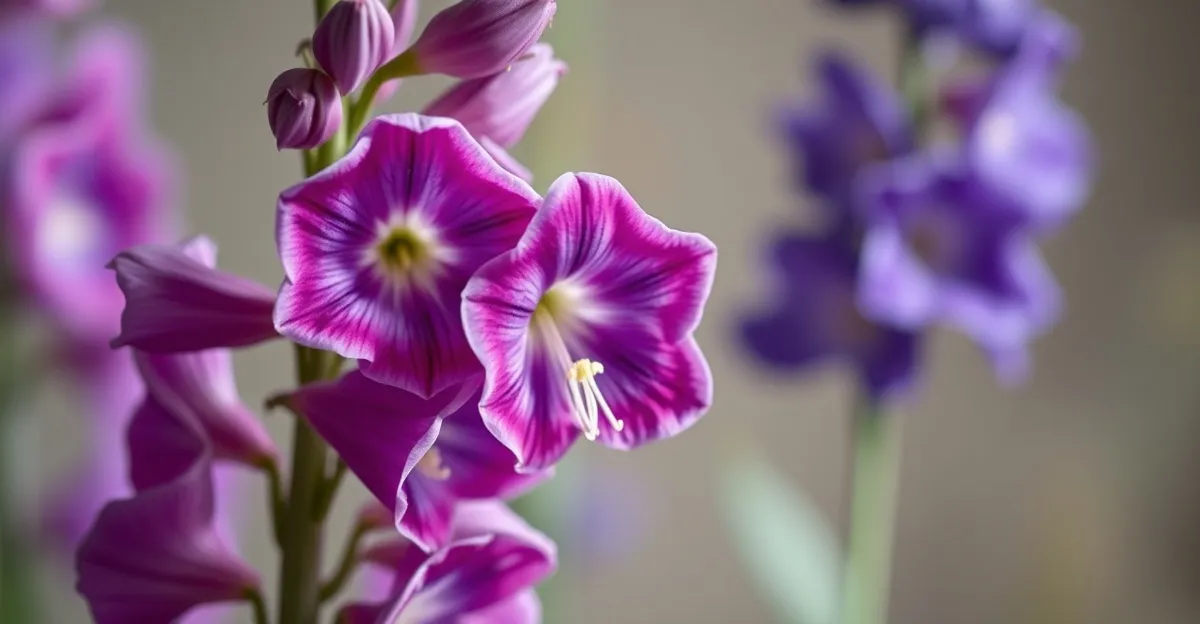
Gifting flowers in Bali is, in most situations, a warm and well-received gesture. The island's culture around flowers is rich and positive — flowers are central to daily life through the canang sari (daily offerings), the elaborate ceremony preparations that mark the Balinese calendar, and the simple pleasure of having beautiful things in a home. A gift of flowers, chosen with some care for the occasion and the recipient, rarely goes wrong here.
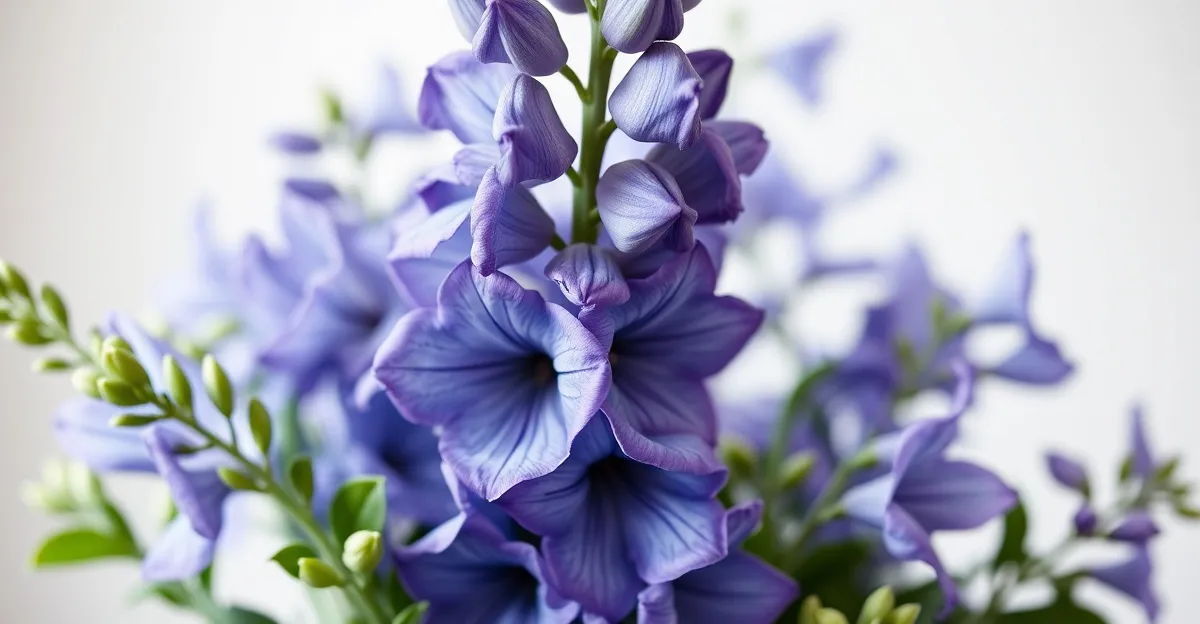
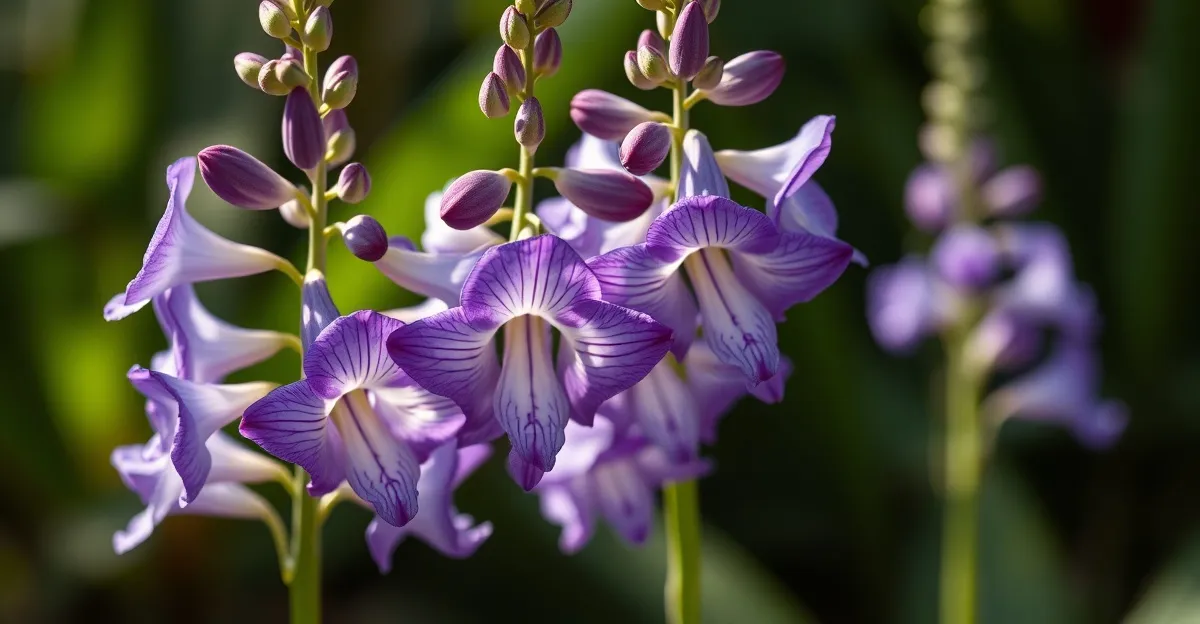
Delphinium, specifically, does not carry the kind of loaded cultural symbolism that demands complex navigation. It is not a flower with strong taboo associations in any of Bali's major cultural communities. The considerations around when not to gift it are more about practical appropriateness — timing, context, and what the flower can and cannot do in certain situations — than about symbolic danger.
That said, there are a few contexts where pausing before you send delphinium makes sense. Here is a clear-eyed guide to those situations.
Delphinium's toxicity: homes with children and pets
This is the most significant practical consideration and one that is genuinely important. All parts of delphinium — flowers, stems, leaves, seeds — are toxic to humans and animals. The main toxic compounds are delphinine and other diterpenoid alkaloids. For adults who handle the flowers and do not ingest them, there is no risk. For young children or curious pets who might chew on a stem, the toxicity becomes relevant.
In Bali's family villa settings — where families live in open compounds, dogs wander freely, and children have access to ground-level vases — gifting tall delphinium stems without knowing the household situation is worth a moment of consideration. This is not a reason to never gift delphinium, but it is a reason to know your recipient's household. If you are sending flowers to a family with young toddlers or a household with dogs and cats, choose a pet-safe and child-safer alternative.
This applies to villa stays, family compound homes in Gianyar and Ubud, and any household where small children or pets are part of the daily picture. It does not apply to office settings, hotel rooms, restaurants, or adult homes without pets.
Ceremony days and timing
Bali's calendar is dense with ceremony. Odalan (temple anniversary) days, significant dates in the Balinese Hindu calendar like Saraswati (the day of knowledge), and the 210-day cycle of Galungan and Kuningan — these are days when Balinese families are focused on ritual preparation and community ceremony. Sending a secular flower gift on one of these days is not inherently inappropriate, but the timing can feel like it is missing where someone's attention actually is.
This is a timing consideration rather than a delphinium-specific one. If a Balinese friend or colleague is in the middle of a major ceremony preparation, a flower gift might be more welcome a day or two after the ceremony than on the day itself, when they are busy with offerings and temple attendance.
Nyepi — Bali's Day of Silence — is the most obvious case. Delivery is impossible, and attempting to arrange it immediately around this period suggests unfamiliarity with how the island actually works. Plan flower deliveries to arrive before the Pengerupukan (the night of the ogoh-ogoh procession) or after Ngembak Gni.
Funeral and mourning contexts in the Balinese community
Delphinium, particularly in its more vibrant blue and purple tones, is not well-suited to funeral or mourning contexts for Balinese families. Balinese Hindu cremation ceremonies (ngaben) and the associated mourning period use specific ritual flowers — frangipani, particular local blooms — as part of the banten (offering sets). A Western-style arrangement of blue delphinium does not translate into this ritual context.
For non-Balinese recipients dealing with loss, delphinium in softer tones — white, pale lavender — can work as a sympathy gift, though it lacks the quieter associations of flowers like statice or white lisianthus that are more traditionally connected to remembrance. In Bali's expat community, white flowers are broadly appropriate for sympathy and the primary consideration is simply avoiding anything too overtly celebratory or dramatically colored.
Very casual or small-token gifting situations
Delphinium is a statement flower. Its height, its dramatic spike structure, its strong visual presence means it does not work well as a small or casual gift. If you want to bring something quick and light to a colleague, a neighbor, or a café friend, a single stem of delphinium looks oddly formal — like showing up to a picnic in formal dress.
For small, casual, "thinking of you" gestures, flowers with a softer presence — a few stems of statice, a small bunch of local flowers from the market, some alstroemeria or carnations — are more proportionate. Save delphinium for occasions that warrant its scale: significant birthdays, formal thank-you gifts, events, weddings, and the occasions that call for flowers to make a clear statement.

The team
your florists
weekly subscription · Bali
We write about flowers because we love them. We deliver them because someone should — properly, weekly, across Bali.
— heyflowerPay once for 3, 6, or 12 months, no auto-renewal.
All-blue arrangements in some cultural contexts
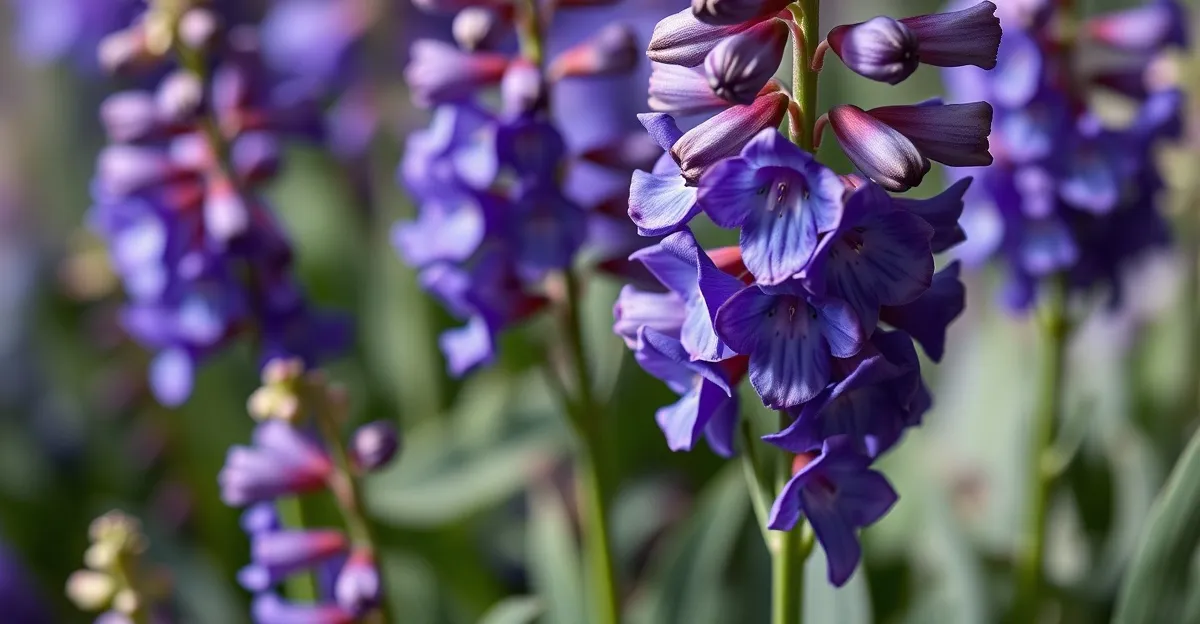
In Chinese-Indonesian cultural tradition (relevant to Bali's significant Chinese-Indonesian community, particularly in parts of Denpasar and coastal Bali), colors carry specific cultural associations. An all-blue arrangement does not carry the same mourning associations as all-white, but blue is not typically a celebratory color in Chinese tradition. For gifting to Chinese-Indonesian recipients for happy occasions, mixing the blue or purple delphinium with warm tones — white, cream, soft pink — creates a more universally celebratory palette.
This is a nuance rather than a hard rule, and many Chinese-Indonesian Balinese recipients would not give it much thought at all. But for formal gifting occasions — a business opening, a family milestone — being aware of it is part of the social literacy that makes you a thoughtful gift-giver in Bali's multicultural community.
FAQ
Is delphinium safe to give as a gift to households with cats? No — delphinium is toxic to cats. For households with cats, choose a cat-safe alternative. Many florists in Bali can help you identify appropriate substitutes.
Can I gift delphinium for a Balinese ceremony-related occasion? For the ceremony decorations themselves, delphinium is not a traditional Balinese ritual flower. As a gift for the hosting family on a celebratory occasion connected to ceremony, a mixed arrangement including delphinium alongside other blooms is appropriate.
What color delphinium is most universally appropriate for gifting in Bali? White or soft lavender delphinium works across the widest range of occasions and cultural contexts in Bali. Blue is widely appreciated but less universally neutral than white in multicultural gifting situations.
Should I avoid delphinium for Chinese New Year gifts? Not necessarily — delphinium in a mixed arrangement with warmer tones is perfectly appropriate. A pure blue arrangement for a Chinese New Year celebration might not be the most traditional choice, but it would not be considered offensive.
Does the time of day or week matter for delphinium delivery in Bali? Not culturally. Practical considerations around traffic and delivery windows matter more — avoiding delivery during the worst traffic hours in Seminyak and Canggu (3 to 7 pm) ensures the flowers arrive in good condition rather than sitting in a hot scooter box in traffic.
Ready to bring fresh flowers to your Bali home or event? Explore our weekly flower subscription and get handpicked blooms delivered to your door every week.
More on Delphinium