When not to gift carnation: cultural considerations
Before you send carnations in Bali or beyond, know the cultural contexts where they can land badly — and what to send instead.
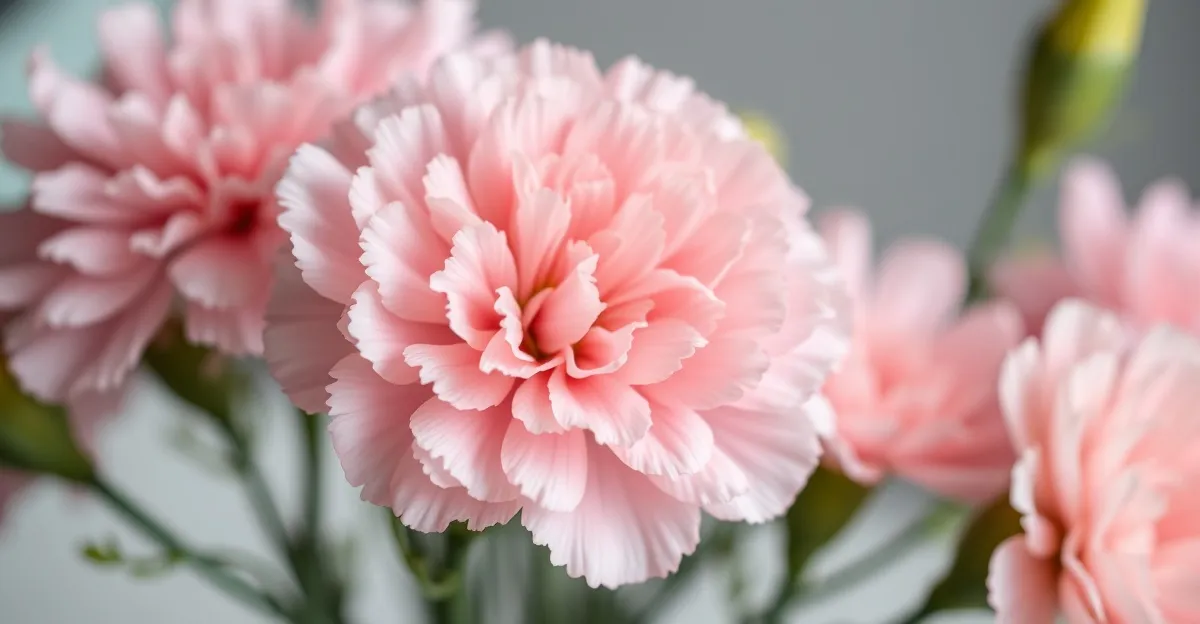
Carnations are one of the most culturally complex flowers you can give. In some traditions they are the highest expression of love. In others they are reserved strictly for the dead. The same flower, the same colour, can mean something completely different depending on who is receiving it, where they are from, and what occasion you are marking. If you are in Bali — a place where dozens of cultures intersect — getting this right actually matters.
This is not about being precious or overthinking a flower. It is about giving with intention, which is what makes a gift meaningful in the first place.
The funeral flower problem: where it comes from
The association between carnations and death is most strongly felt in several Central and Eastern European countries. In France, Poland, Hungary, and much of the former Eastern Bloc, white or yellow carnations are considered funeral flowers. Showing up to a dinner party or birthday celebration with a bunch of white carnations in those cultural contexts would be genuinely startling to the recipient.
The association developed partly through historical usage — carnations were affordable, long-lasting, and therefore practical for cemetery use — and partly through cultural reinforcement over generations.
In Bali, you are regularly working across cultural contexts. A villa manager from Poland, a chef from France, a colleague whose family is from Korea — all might have different relationships to carnation symbolism. Knowing this matters.
Japan and Korea: white and yellow carnations specifically
In Japan, white carnations carry strong associations with mourning and are used at funerals. Red carnations, by contrast, are associated with Mother's Day (a tradition that originated in the United States and spread globally, including to Japan). So the same flower in different colours carries almost opposite meanings.
In Korea, yellow carnations are particularly associated with goodbye and separation — sometimes even death. Giving yellow carnations as a celebration gift to someone from a Korean background could land very badly, even if that was the last thing you intended.
If you are in Canggu or Seminyak organising a gift for Korean or Japanese expat friends, colleagues, or neighbours, check your colours carefully.
When yellow carnations are complicated everywhere
Beyond Korea, yellow carnations carry complicated symbolism in several traditions. In various European contexts, yellow flowers generally signal jealousy, disappointment, or a deteriorating relationship. It is not that yellow carnations are universally negative — they are cheerful and bright — but they are the colour where the widest range of negative associations cluster.
If you are uncertain about a recipient's cultural background, pink, white, or red carnations are safer choices than yellow.
The striped carnation question
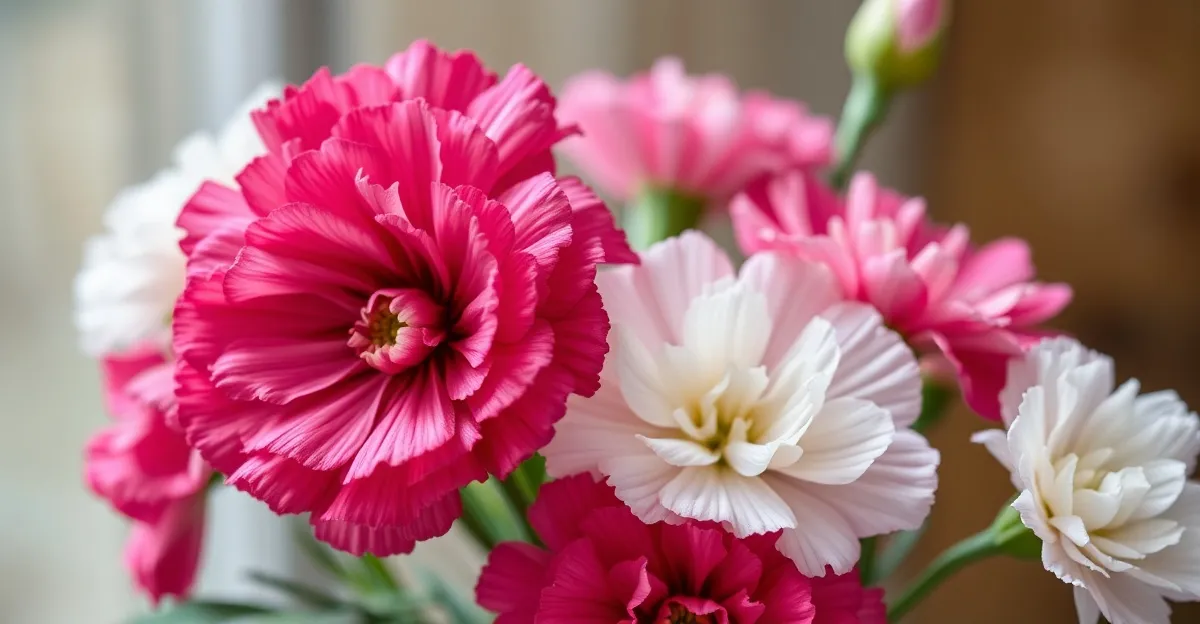
Striped carnations — often pink and white, or red and white — have a specific meaning in the Victorian language of flowers: refusal. As in, "I refuse you." Obviously this is not a meaning most people are aware of or intend when selecting a pretty striped variety. In modern gifting, nobody is going to interpret your striped carnation as a formal rejection.
But it is worth knowing if you are giving flowers to someone deeply versed in flower symbolism, or if you are arranging florals for a very traditional wedding or formal occasion where old-fashioned meanings might be invoked.
Balinese cultural context
In Balinese Hindu tradition, flowers are deeply sacred but the associations are more about colour and context than specific species. White and yellow flowers are used extensively in offerings (canang sari and temple ceremonies), and their use in religious contexts is considered auspicious rather than mournful.
Red carnations, for example, are commonly used in Balinese offerings without any negative connotation — red represents south and is associated with the god Brahma in the Balinese directional colour system.
What matters more in Balinese gifting culture is the context of the gift and the relationship between giver and receiver, rather than specific flower symbolism. Giving flowers to a Balinese colleague or neighbour for a happy occasion is almost always received warmly.
Occasions where carnations need more thought
Sympathy and condolence flowers
The complexity here is real. Carnations are widely used in sympathy floristry in many Western traditions, and there is nothing wrong with that. But if you are sending condolences to someone from a background where carnations carry very specific funeral associations (French, Polish, Japanese), you might be doubling down on the symbolism in a way that feels heavy rather than comforting.
For condolences, white lilies, white orchids, or simple green arrangements are often safer across a wider range of cultural contexts.
Hospital visits
This is where the European funeral flower association matters most. Many cultures have strong beliefs about bringing plants or flowers associated with death into a hospital room. Specifically with carnations — if you are visiting someone from a French, Polish, or Korean background in hospital, skip them.
Chrysanthemums have similar issues in some European contexts (see our full guide to when not to gift chrysanthemum). When visiting someone in hospital, cheerful, neutral flowers — sunflowers, gerbera, colourful mixed bouquets — tend to be the safest choice across cultures.
Chinese New Year and lunar celebrations
In Chinese tradition, white flowers are generally avoided for celebrations associated with new beginnings because white is the traditional mourning colour. For Chinese New Year, Galungan, and other celebratory occasions where your recipient may be observing Chinese cultural customs, orange, red, yellow, or pink carnations are much more appropriate than white.
For more on culturally appropriate flowers for Balinese celebrations, our piece on the best flowers for Chinese New Year in Bali has detailed guidance.

The team
your florists
weekly subscription · Bali
We write about flowers because we love them. We deliver them because someone should — properly, weekly, across Bali.
— heyflowerPay once for 3, 6, or 12 months, no auto-renewal.
What to send instead when in doubt
If you are uncertain whether carnations are appropriate for a specific recipient or occasion, here are reliable alternatives:
Orchids: Universally positive symbolism across most cultures. In Bali, tropical orchid varieties are locally abundant and beautiful.
Sunflowers: Cheerful, positive, and free of most negative cultural associations. Almost impossible to give incorrectly.
Gerbera daisies: Bright, joyful, and similarly neutral. Excellent for celebrations, get-well gestures, and casual gifts.
Mixed seasonal bouquets: When in doubt, a thoughtfully arranged mixed bouquet with no single dominant flower is the safest option — it gives the recipient beauty without the weight of any specific symbolism.
Frequently Asked Questions
Are carnations appropriate for funerals?
Yes, in many traditions they are commonly used. Red carnations are particularly associated with sympathy in some traditions. However, in Japanese and Korean contexts, white carnations are the mourning choice. It depends entirely on the cultural background of the bereaved family.
Can I give white carnations for a birthday in Bali?
For most recipients in Bali, white carnations for a birthday are completely fine. Be mindful if your recipient is from France, Poland, Japan, or Korea, where white carnations have stronger funeral associations.
Why are yellow carnations considered unlucky in some cultures?
The association varies — in Korea, yellow carnations symbolise separation and farewell. In various European contexts, yellow flowers generally carry associations with jealousy. The combination makes yellow carnations the most culturally complex colour choice.
Is it true that striped carnations mean rejection?
This meaning comes from Victorian-era flower language and is not widely known today. In modern gifting, no one will interpret a striped carnation as a rejection. It is more of a historical curiosity than a practical concern.
What is the safest carnation colour to give across different cultures?
Pink carnations consistently carry positive meanings — gratitude, admiration, love — across the widest range of cultures. They are the safest choice when you are uncertain about a recipient's background.
Navigating flower symbolism across Bali's many cultures is genuinely complex. At heyflower.co, we know our regulars — their backgrounds, their preferences, and what will land beautifully. Subscribe and let us do the thinking for you.
More on Carnation