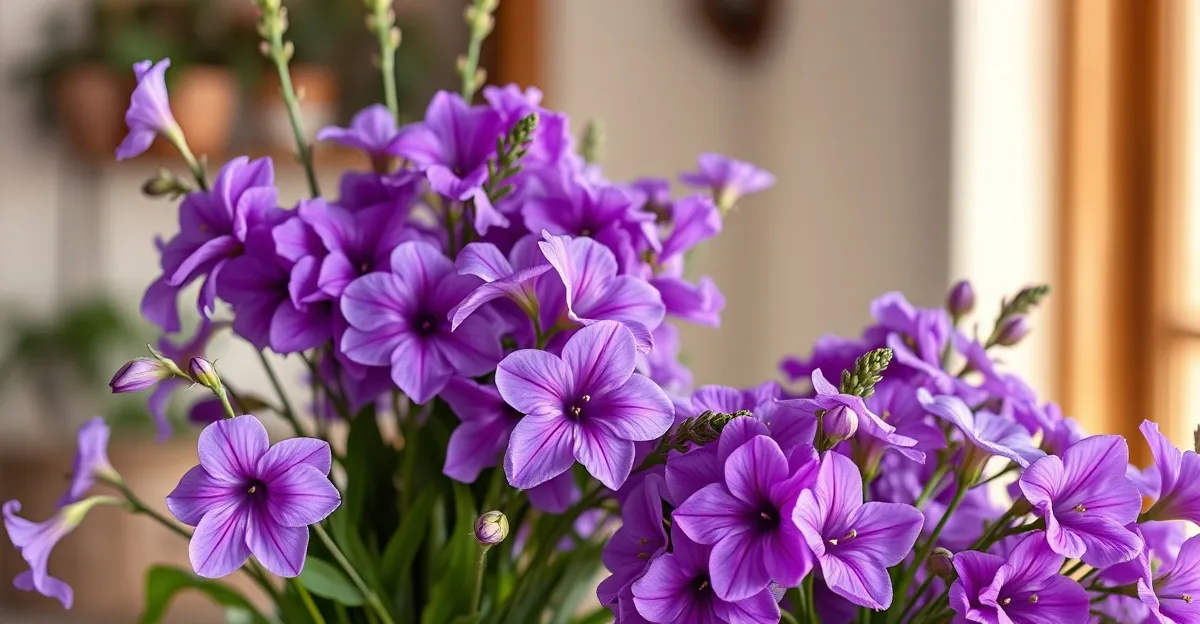
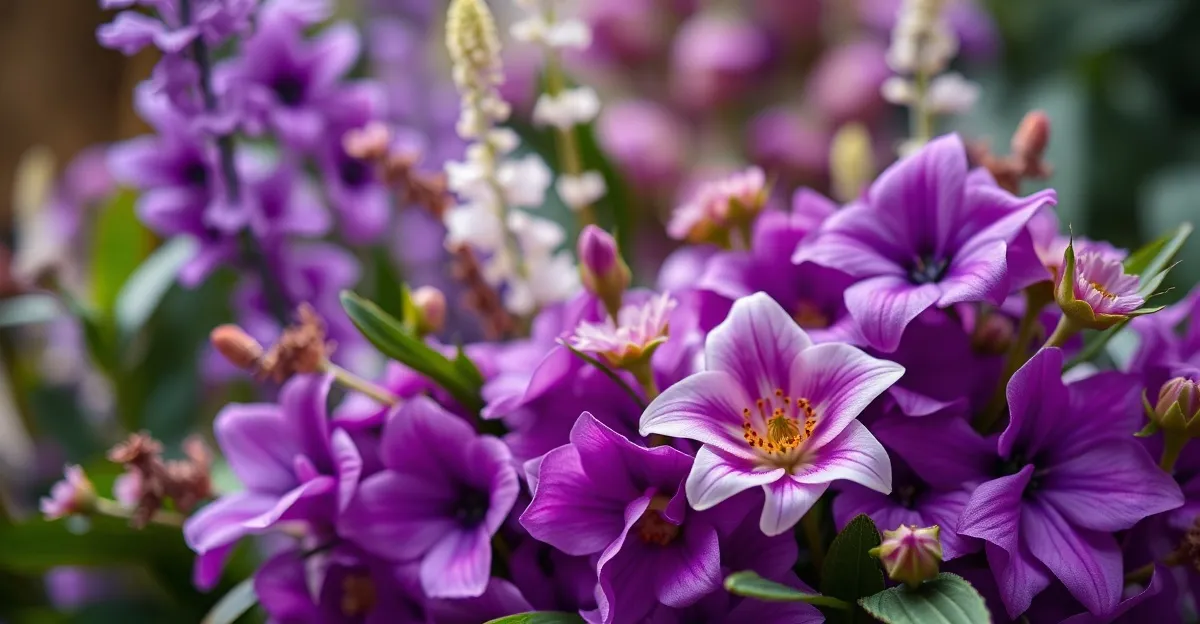
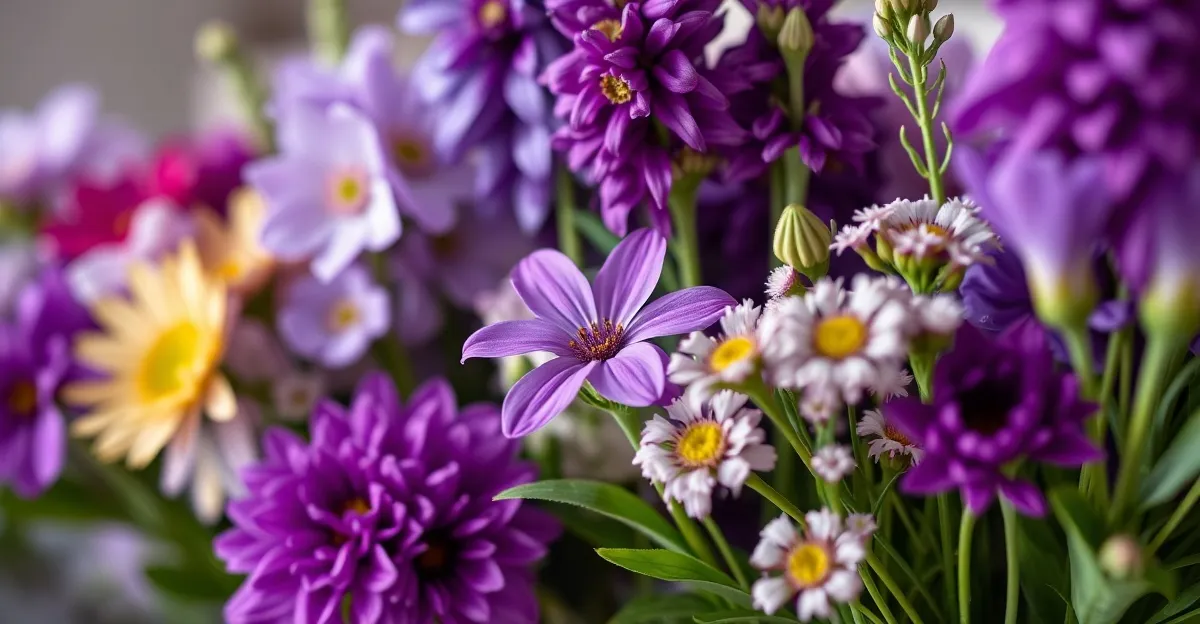
What purple flowers symbolise and when to send them
Purple flowers carry meanings of admiration, royalty, and spiritual depth. Here's what they symbolise across cultures and when they make the most meaningful gift.
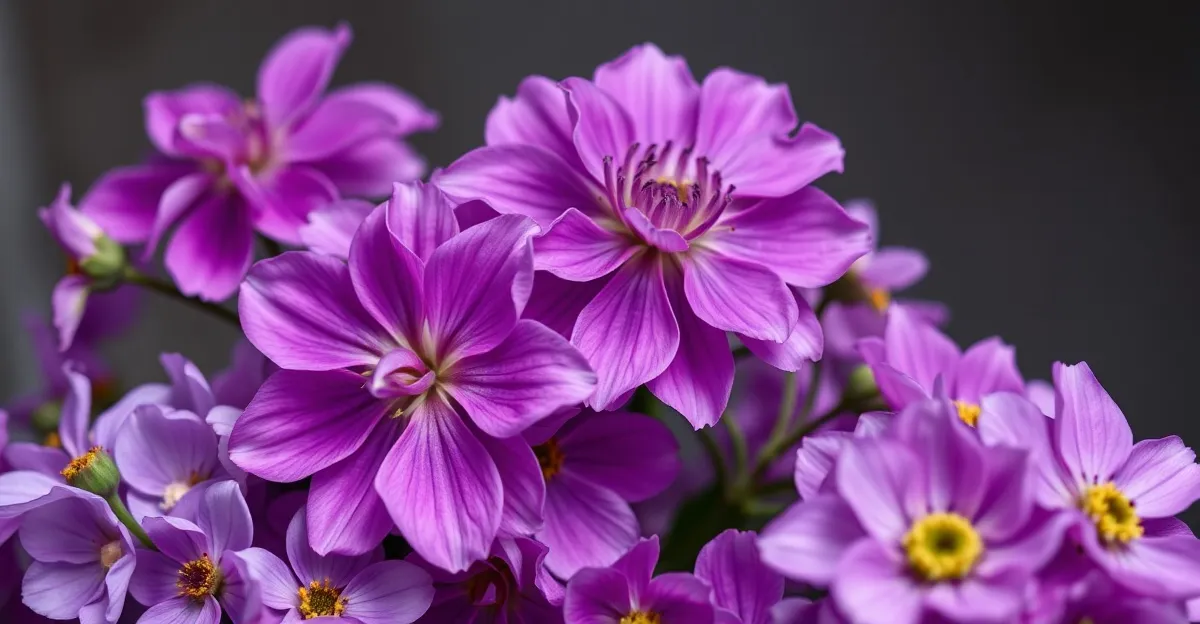
Purple has been the colour of extraordinary people for most of human history. In ancient Rome, only emperors could wear the deepest Tyrian purple — the dye was worth more than gold. In Buddhist and Hindu traditions, purple and violet represent the highest crown chakra, the seat of spiritual awareness. Medieval European cathedrals filled their windows with purple glass to create a sense of divine light. That accumulated symbolic weight does not just disappear when you put a purple flower in a vase.
What this means practically is that purple flowers carry genuine depth of meaning — depth that other colours genuinely cannot replicate. Sending someone a purple bouquet is an act of considered distinction, not a reflex choice.
The Core Symbolism of Purple Flowers
Admiration and deep respect: This is the most central meaning. Purple signals that you see someone clearly — their qualities, their achievements, their depth — and that you admire what you see. It is not the easy warmth of yellow friendship or the uncomplicated joy of orange. It is the respect of someone who has taken time to look.
Royalty and dignity: The historical association with royalty has softened from a literal statement to a metaphorical one. Sending purple says "you carry yourself with dignity" — an appropriate message for people who have earned something significant.
Creativity and imagination: Purple is associated with the creative mind, with artists, thinkers, and people who see connections where others see coincidence. It is the colour of the right-brain: intuitive, non-linear, original.
Spirituality and higher consciousness: In many traditions — Balinese Hindu, Buddhism, Western Christian mysticism — purple signals a connection to the sacred or the transcendent. This gives purple flowers particular resonance at spiritual milestones.
Mystery and enchantment: There is something slightly unknowable about purple, which makes it appropriate for relationships that carry complexity — long friendships with deep history, mentors who shaped your thinking, people who are hard to summarise.
Nostalgia: Pale purple, particularly lilac, carries a strong nostalgic quality. It is associated with memory, early spring, and the particular sweetness of things that have passed.
Purple Flowers and Their Specific Meanings
Different shades and varieties carry distinct nuances.
Lavender: Peace, healing, and quiet devotion. One of the most gentle purple flowers, lavender says "I care about your wellbeing" without drama. Appropriate for recovery, grief support (in small amounts), and close friendships.
Lilac: Youth, innocence, and first love. Lilac has a nostalgic sweetness. It is often associated with the fresh beginnings of spring — a "starting over" flower.
Violet: Faithfulness, modesty, and deep affection. The original meaning of violets was a pledge of constancy — "I am here, reliably, for a long time." This makes them appropriate for long-standing relationships.
Lisianthus in purple: Modern, elegant, and associated with appreciation. Purple lisianthus has become a sophisticated choice in Bali's premium gifting context precisely because it looks luxurious without being obviously symbolic.
Purple orchids: Admiration and respect. Orchids are already associated with luxury and refinement; purple orchids add depth and gravitas.
Delphinium: Levity, openness, and celebration of life. Despite the dark shade, delphinium in purple-blue traditionally represents an open heart. For their ceremonial significance in Bali specifically, delphinium in Balinese ceremonies: traditional uses in Bali is worth reading.
When Purple Flowers Are the Right Choice
For mentors and teachers: If someone shaped your thinking, opened a door, or gave you a framework for understanding the world, purple is the most eloquent thank-you flower. It honours the fact that the relationship was about something beyond the transactional.
Career milestones and retirements: Purple respects achievement. For a retirement gift or a significant career milestone, purple bouquets feel more substantial than a cheerful arrangement of daisies. They acknowledge the years and the effort.
Spiritual occasions: Yoga teacher graduations, meditation centre milestones, Balinese ceremony acknowledgments, ordinations — any occasion where someone is marked as having moved to a higher level of practice or understanding. Purple says it without words.
Creative launches: A friend launching their art exhibition, publishing their first novel, releasing a film or music album — purple honours creativity specifically. It says "I understand what this means and what it cost you."
Sympathy (carefully chosen shades): Deep purple is generally not appropriate for condolences — it can feel heavy. But pale lavender or lilac, with their associations with peace and gentle memory, can be appropriate as part of a mixed sympathy arrangement. Always pair with white to keep the tone soft.
Long-overdue reconnections: Getting back in touch with someone important after years apart — purple says "I have thought about you" with appropriate gravity. It is not a casual check-in flower.
For guidance on navigating the fine lines of flower gifting in Bali's cultural context, when not to gift lisianthus: cultural considerations addresses broader gifting sensitivities worth knowing.
When Not to Send Purple Flowers
Children's celebrations: Purple can feel too formal or heavy for children's parties. The exception is pale lilac or lavender in a light-hearted arrangement — but generally stick to bright, cheerful colours for kids.
Very new romantic relationships: Purple's depth can communicate more intensity than you intend in early romance. Peach, coral, or blush communicates warmth without pressure.
Corporate events with conservative cultures: In some formal corporate contexts, purple can be read as unconventional. White or green arrangements are safer for very traditional business environments.
Aggressive get-well gifts: Purple is contemplative. If someone needs energising rather than calming, choose orange or yellow instead.

The team
your florists
weekly subscription · Bali
We write about flowers because we love them. We deliver them because someone should — properly, weekly, across Bali.
— heyflowerPay once for 3, 6, or 12 months, no auto-renewal.
Purple Flowers in Bali's Cultural Context
Purple is not a dominant colour in traditional Balinese ritual — that role belongs to white, yellow (marigold), red, and black, which represent the cardinal directions in the Balinese cosmological framework. Purple does not carry the same ceremonial significance.
This means purple is largely a gift-economy colour in Bali — selected for its aesthetic and emotional qualities rather than ceremonial meaning. It is common in upmarket floral arrangements in Seminyak and Ubud, particularly in the villa, hospitality, and wellness sectors where international aesthetics blend with local material culture.
Pairing Purple with Complementary Flowers
Purple works with other blooms to build specific emotional tones.
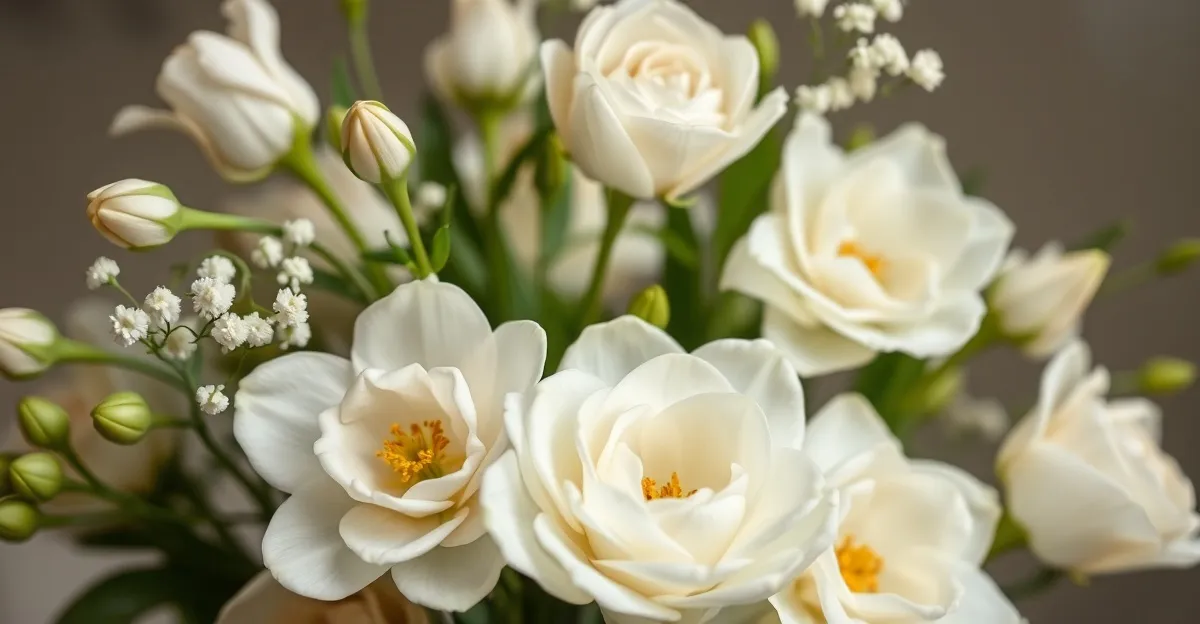
Purple and white: The most broadly appropriate combination. White softens and clarifies. This is appropriate for almost any occasion.
Purple and green: The most natural — tropical greens against purple flowers look rooted and intentional. Monstera, ferns, and palm fronds all pair effortlessly.
Purple and yellow: High contrast, warm, creative. Works for artistic celebrations and events.
Purple and blush: Soft, romantic, nostalgic. Appropriate for personal milestones and softer moments.
Purple and silver foliage: Dusty miller or eucalyptus alongside purple creates an editorial, fashion-forward arrangement that suits contemporary villa settings.
FAQ
Is purple appropriate for a sympathy arrangement in Bali? Pale lavender or lilac in small amounts within a predominantly white arrangement is acceptable. Deep purple alone is too heavy for condolences and should be avoided.
What shade of purple is most versatile for gifting? Mid-range violet purple — neither pale lilac nor deep plum — is the most versatile. It works across age groups, genders, and occasions without being too specific in its messaging.
Do purple flowers carry meaning in Balinese Hindu ceremony? Purple is not a traditional ceremonial colour in Balinese ritual. It does not offend but also does not carry the sacred associations that white, yellow, or red carry in temple contexts.
What card message complements purple flowers well? Messages that acknowledge depth, achievement, or long-standing connection. "Your work means something" or "You have influenced how I see things" are more appropriate than breezy one-liners.
Which purple flowers are most widely available in Bali throughout the year? Chrysanthemums and alstroemeria in purple shades are the most reliable. Lisianthus is available but benefits from advance ordering. Lavender supply is less consistent.
Ready to send something with genuine meaning? Explore our weekly flower subscription and get handpicked purple arrangements — seasonal, fresh, and delivered straight to your door each week.
More on purple