The history and origin of the sunflower
The sunflower has one of the most fascinating origin stories in the plant world, from Native American cultivation to Van Gogh's studio in Arles. Here's the full history.
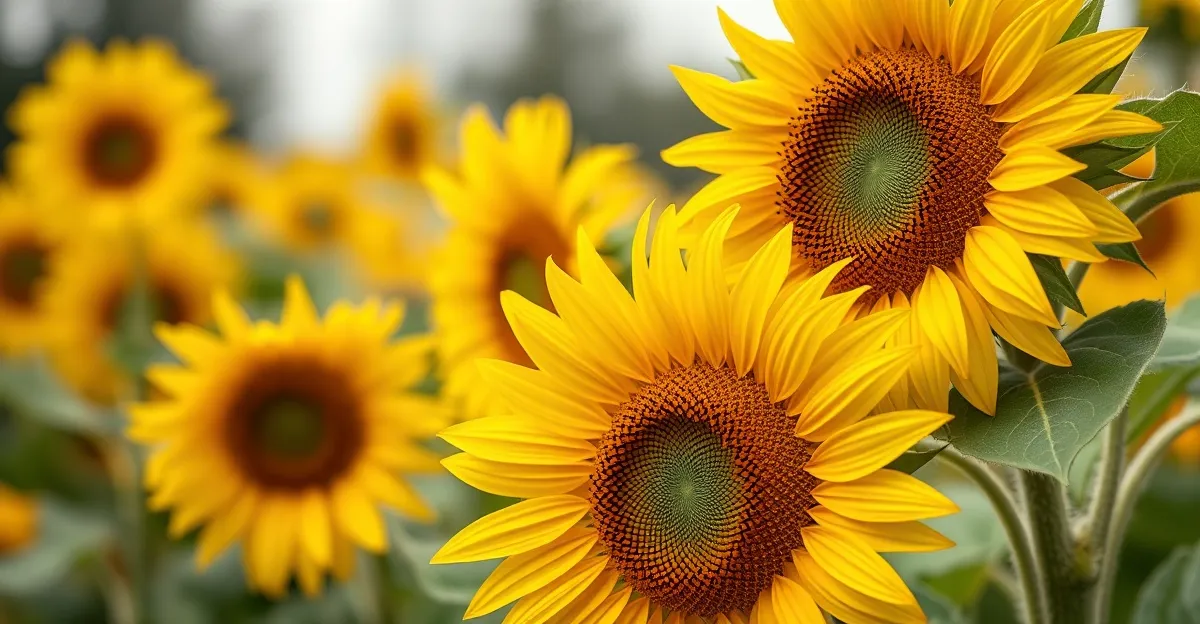
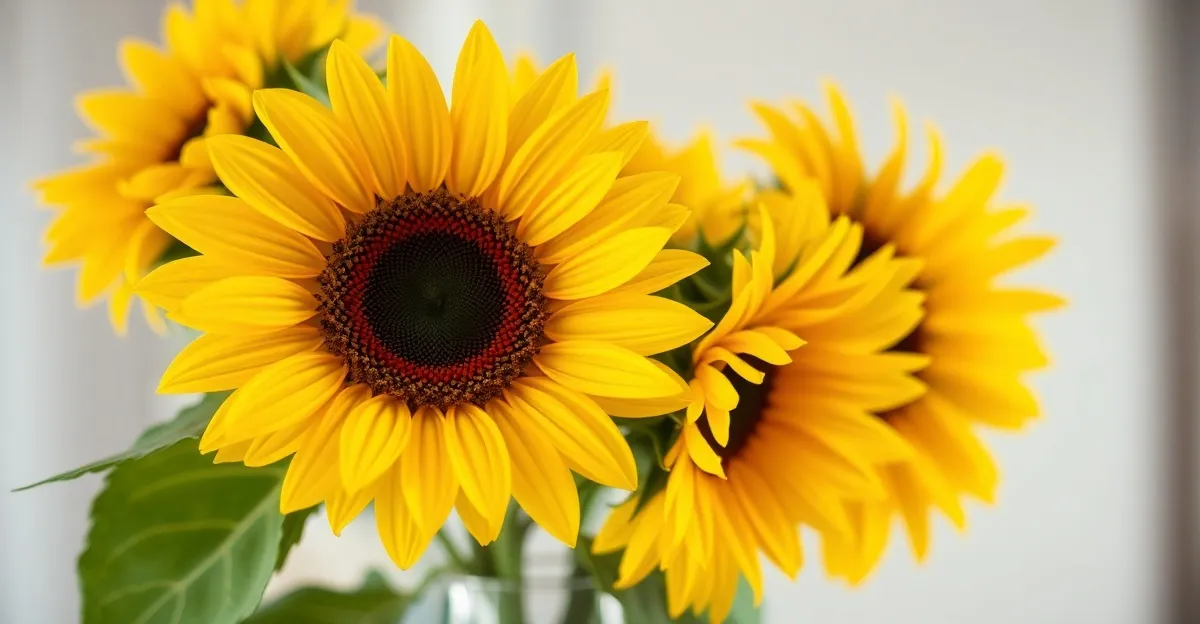
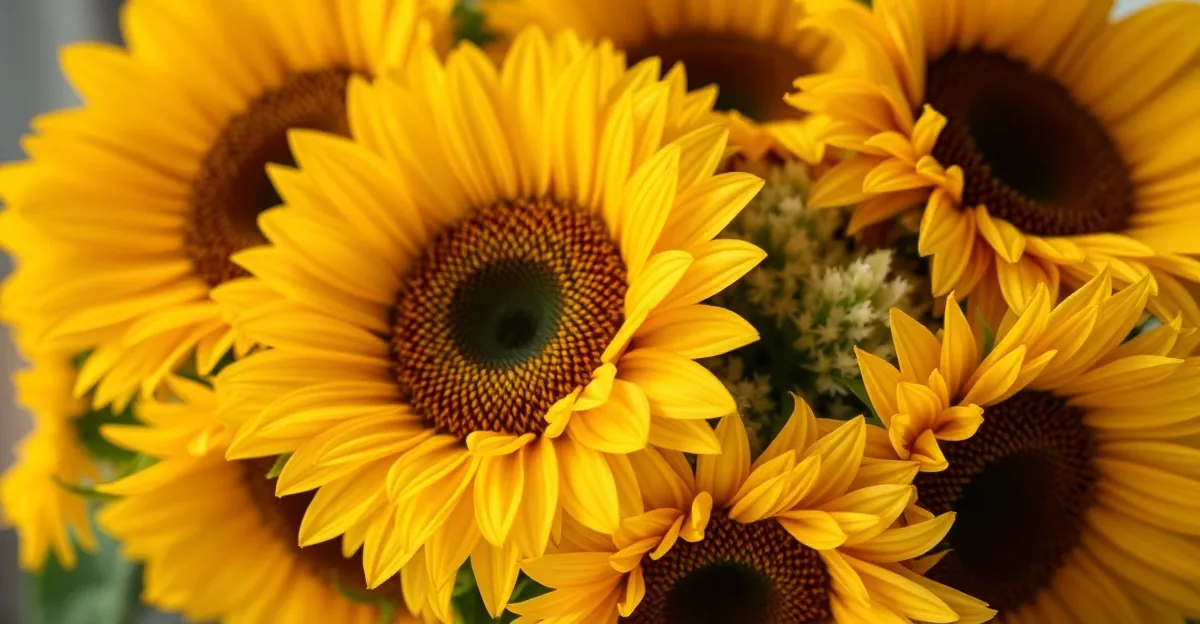
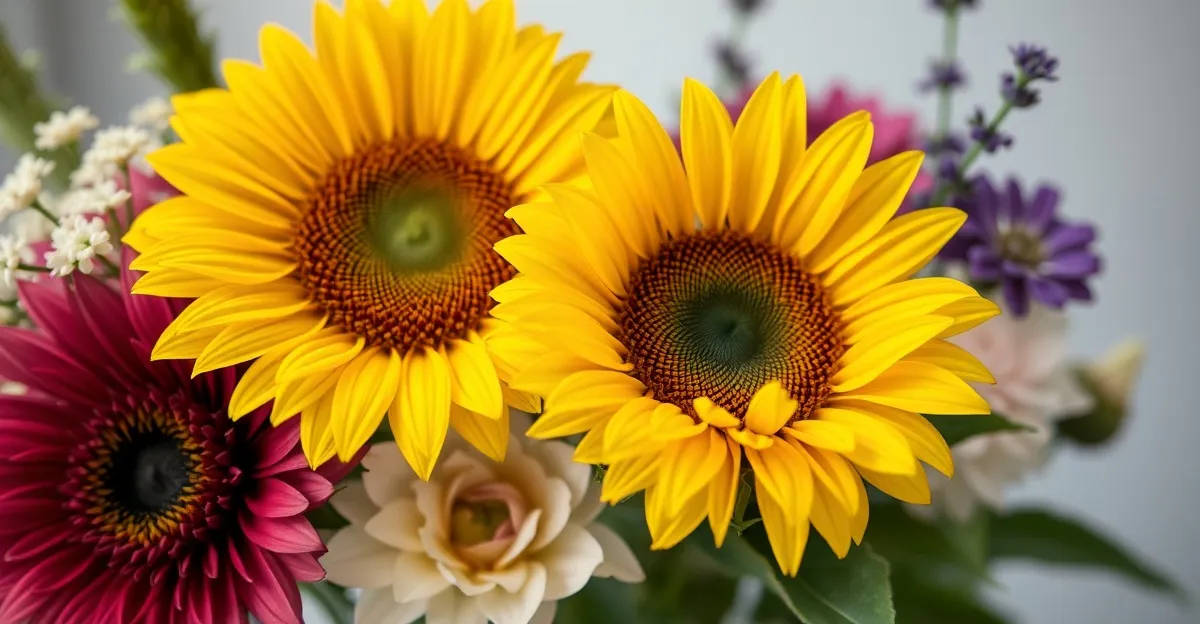
Look at a sunflower. Really look at it — the architectural precision of the disc florets spiraling in mathematical Fibonacci patterns, the bright flag of yellow petals, the way it tracks the sun in its youth with a fidelity that reads almost like devotion. This is a plant that has been shaped by ten thousand years of human attention, from the indigenous peoples of North America who first domesticated it to the Dutch commercial growers who turned it into one of the world's most traded cut flowers.
The history of the sunflower is a story about food, culture, art, politics, and the remarkable way that plants travel with human civilisation. For anyone who loves these flowers and encounters them in Bali's florist arrangements, understanding where they came from adds a layer of meaning to every bright yellow head.
North American origins: ten thousand years of cultivation
The sunflower (Helianthus annuus) is one of very few crop plants domesticated in what is now the continental United States. Archaeological evidence suggests Native Americans were cultivating sunflowers in the eastern and central regions of North America at least 4,000 years ago, with some evidence suggesting cultivation as far back as 3,000 BCE.
The indigenous peoples who grew sunflowers used every part of the plant. Seeds were eaten raw, roasted, and ground into flour or meal for flatbreads. Oil was extracted for cooking, hair, and skin. The yellow petals provided dye for textiles and ceremonial decorations. Stalks were used for building material. Even the disc contained a black dye used in tattooing among some peoples.
The ecological diversity of wild Helianthus
Before domestication, wild sunflowers were already diverse across North America. The genus Helianthus includes over 70 species, many of them native to specific ecological niches across the continent. The single-headed, large-disc sunflower most familiar today was the result of deliberate selection by indigenous cultivators who consistently chose seeds from plants with the most desirable traits — larger heads, more seeds, higher oil content — over thousands of generations.
This process of selective cultivation created Helianthus annuus in roughly its modern form. By the time Spanish explorers arrived in the 16th century, Native American farmers had already produced what was essentially a domesticated crop plant significantly different from its wild relatives.
The journey to Europe: 16th century and the beginning of global spread
Spanish explorers brought sunflower seeds back to Europe in the early 16th century — one of the many plant species that traveled the "Columbian exchange" following contact with the Americas. The first recorded sunflower in Europe was cultivated in Madrid around 1568.
Initially, Europeans grew sunflowers primarily as ornamental plants. The spectacular size of the bloom and its dramatic solar tracking attracted enormous attention — Philip II of Spain had sunflowers in his palace gardens, and the plant became fashionable among European nobility and botanical collectors. Botanical gardens across Europe acquired specimens, and sunflowers began appearing in European botanical texts and paintings by the late 16th century.
From ornament to food crop: the Russian discovery of sunflower oil
The shift from ornamental curiosity to economically significant crop happened largely through the Russian Empire in the 18th century. The Russian Orthodox Church, during Lent, prohibited the use of most oils for cooking — but sunflower oil wasn't on the prohibited list, apparently because it hadn't existed as a food crop when the rules were established.
This religious technicality created enormous demand for sunflower oil in Russia and Ukraine. Russian peasant farmers began growing sunflowers at scale for oil production, and by the early 19th century, there were over two million acres of sunflowers under cultivation in Russia. Russian plant breeders developed high-oil varieties — the basis of most commercial sunflower production worldwide today.
Ukraine, with its vast and fertile black-soil plains, became particularly significant. Sunflowers became as central to Ukrainian agricultural identity as wheat — a relationship that persists today in the sunflower's status as Ukraine's national flower.
Van Gogh and the sunflower's cultural moment
No discussion of sunflower history is complete without Vincent van Gogh. His series of sunflower paintings — created in Arles, France, between 1888 and 1889 — transformed the flower's cultural status in Europe and eventually the world.
Van Gogh's relationship with sunflowers was intensely personal. He described them as carrying "gratitude and light," and the paintings he made were intended to decorate the Yellow House in Arles in preparation for his friend Paul Gauguin's visit. The paintings — with their thick impasto technique, saturated yellows, and almost obsessive attention to the flower's form — became among the most recognised artworks in Western culture.
The effect on sunflower popularity was substantial. By the late 19th century, sunflowers had become a symbol of the Aesthetic Movement in Britain and America — associated with Oscar Wilde and the idea that beauty itself was worthy of devotion. The Art Nouveau movement further embraced sunflower imagery for its combination of natural form and solar symbolism.
The 20th century: industrialisation and the global flower trade
The 20th century transformed sunflower growing in two parallel directions.
As a food and oil crop, sunflowers expanded dramatically worldwide. The Soviet Union developed enormous commercial plantations. Argentina, the United States, China, India, and eventually Australia became major producers. Today, sunflower oil is one of the most produced vegetable oils globally, and sunflower seeds are a significant food crop and livestock feed ingredient.
As a cut flower, sunflowers were developed by Dutch commercial growers into the uniform, long-stemmed, large-headed blooms that fill florist buckets worldwide. Dutch breeders created varieties specifically for the cut flower market — with long vase life, consistent size, minimal pollen drop, and reliable colour. The Netherlands remains the world's leading exporter of cut sunflowers, though production has spread to countries across the world for regional supply chains.
This dual identity — food crop in fields, luxury decorative flower at weddings — makes sunflowers unusual among popular flowers. A rose is essentially always a decorative flower. A sunflower is simultaneously a commercial agricultural commodity and the star of a Canggu villa arrangement.

The team
your florists
weekly subscription · Bali
We write about flowers because we love them. We deliver them because someone should — properly, weekly, across Bali.
— heyflowerPay once for 3, 6, or 12 months, no auto-renewal.
Sunflowers in Asia and their arrival in Bali
Sunflowers entered Asian cultivation relatively late but have become well-established across China, Japan, India, and Southeast Asia. In China, sunflowers are now widely grown as both a food/oil crop and as cut flowers for the domestic market. In Japan, the sunflower (himawari) has become deeply associated with summer — summer festivals, school memories, the feeling of long days and open fields.
In Bali, sunflowers appear both as imports and, in smaller quantities, as locally grown blooms from drier areas of the island. Their presence in Bali's florist market reflects both the global flower trade and, to a small extent, local agricultural diversification. The sunflower's journey from North American indigenous cultivation to a Canggu flower arrangement represents some ten thousand years of human appreciation for one extraordinary plant.
For beautiful sunflower arrangements delivered across Canggu, Berawa, Seminyak, Pererenan, and Kerobokan, explore heyflower.co's options at /#subscriptions. We also have a guide on sunflower meaning and symbolism if you want to understand what you're giving when you gift these remarkable flowers.
Frequently Asked Questions
Where did sunflowers originally come from?
Sunflowers are native to North America and were first domesticated by Native Americans in what is now the central and eastern United States, at least 4,000 years ago. They were brought to Europe by Spanish explorers in the 16th century and have since spread globally as both a food/oil crop and an ornamental plant.
Why is the sunflower Ukraine's national flower?
Ukraine became the world's leading sunflower oil producer beginning in the 18th-19th centuries, largely because Russian Orthodox dietary laws created demand for sunflower oil during Lent. The vast sunflower fields of Ukraine's fertile plains became central to the country's agricultural identity, and the flower eventually became a symbol of the Ukrainian landscape, warmth, and the land itself.
Did Van Gogh's sunflower paintings actually make sunflowers more popular?
Yes, the influence is real. Van Gogh's paintings, particularly the series created in Arles, became among the most recognised artworks in Western culture. Sunflowers became associated with the Aesthetic and Art Nouveau movements in the late 19th century, and their cultural status as beautiful, worthy-of-attention objects was significantly elevated by his treatment of them.
What part of the sunflower do we eat?
The seeds in the disc centre are the primary edible part — eaten as snacks, pressed for oil, or ground into sunflower butter. The seeds contain high levels of vitamin E, B vitamins, and healthy fats. The petals are also edible and used as garnishes or in salads, though they're mildly bitter. Sunflower oil from the seeds is one of the most widely used cooking oils globally.
Are sunflowers related to any other common flowers?
Yes. Sunflowers belong to the Asteraceae family (the daisy family), one of the largest flowering plant families on earth. Their relatives include daisies, chrysanthemums, dahlias, marigolds, and zinnias. What looks like a single flower in all these plants is actually a composite — hundreds of tiny individual flowers (florets) grouped together. The "petals" are individual ray florets; the disc is composed of hundreds of tiny disc florets.
More on Sunflower