The History and Origin of the Ranunculus
From ancient Persia to modern wedding bouquets — the fascinating history of ranunculus, how it was cultivated and named, and how it reached Bali.
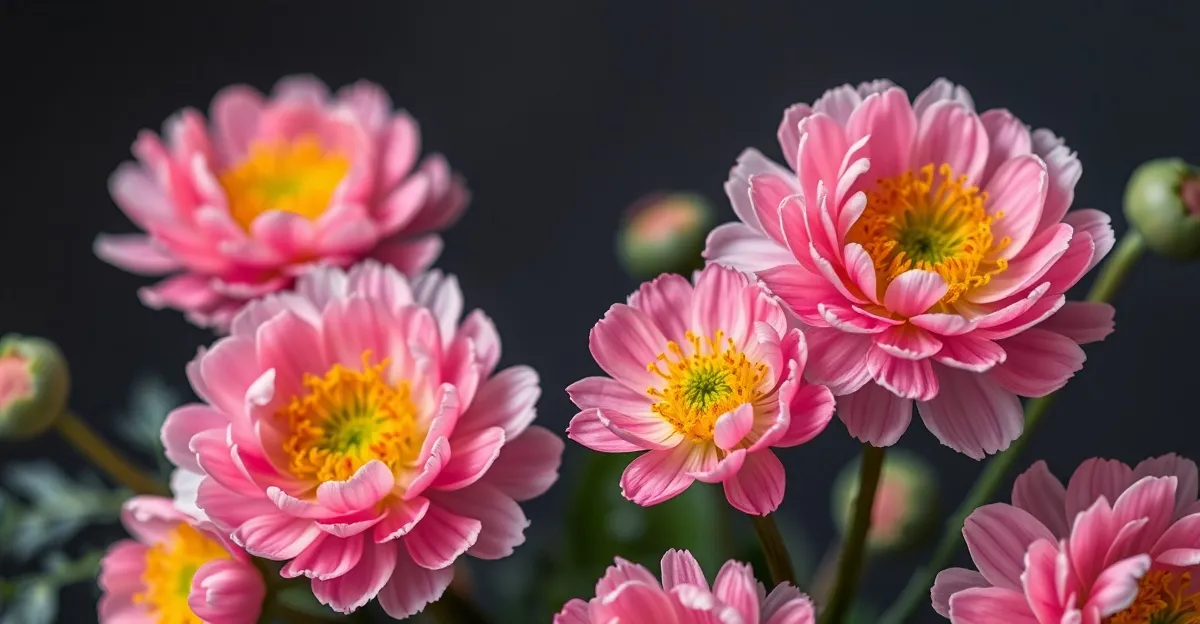
The ranunculus you see in a beautifully arranged Bali bouquet today bears little resemblance to its wild ancestors growing in rocky Mediterranean hillsides and central Asian meadows. The transformation from a modest wildflower with five simple petals to the extraordinary multi-layered bloom we now prize for weddings and gifting is one of floriculture's more remarkable stories — spanning centuries of cultivation, a journey along ancient trade routes, Persian palace gardens, Dutch horticultural obsession, and ultimately the global cut-flower supply chains that bring ranunculus to Bali today.
Origins: The Wild Ranunculus
The genus Ranunculus contains approximately 600 species worldwide, distributed across temperate and alpine regions on every continent except Antarctica. The name comes from the Latin rana (frog), reflecting the genus's common association with damp, water-adjacent habitats — frogs and ranunculus often share the same environments.
Ranunculus Asiaticus: The Species That Changed Everything
The ancestor of today's ornamental ranunculus is Ranunculus asiaticus, a species native to the eastern Mediterranean region — specifically the area encompassing modern-day Turkey, Israel, Lebanon, Jordan, and surrounding territories — extending eastward through Persia (Iran) into Central Asia.
In its wild form, R. asiaticus is a modest wildflower with single-layered blooms of five petals, typically in red, yellow, or white, growing to about 30–40cm in height. It's beautiful but unremarkable compared to the multi-layered cultivated varieties.
What made the cultivated development possible was the presence, in certain wild populations, of genetic mutations creating extra petal layers. Human cultivators noticed and selected these double-flowered variants, which is the origin of the multiply-layered ranunculus we know today.
The Persian Garden Tradition
The transformation of R. asiaticus from a wildflower to a garden plant began in Persia, likely in the medieval period (roughly 600–1400 CE). Persian garden culture was one of the most sophisticated in the ancient world — the concept of the pairidaeza (paradise garden, the origin of the English word "paradise") originated in Persia as an enclosed space of beauty, abundance, and sensory pleasure.
Persian horticulturists cultivated hundreds of flowering plants and were particularly interested in developing highly decorative, multi-petalled varieties of naturally simple flowers. Roses underwent similar treatment in this tradition. Ranunculus, with its natural tendency in certain populations toward extra petal development, was an ideal subject.
By the time Persian garden culture was at its zenith (the Safavid dynasty, 16th–17th centuries), double-flowered ranunculus asiaticus was established as a prestigious garden plant — grown in palace gardens alongside tulips, hyacinths, and roses. Persian miniature paintings from this period show these gardens in detail, and the rounded, multi-petalled flowers depicted are recognisably ranunculus.
The Ottoman Connection
The Ottoman Empire, which dominated the eastern Mediterranean and Middle East from the 14th to the early 20th century, absorbed and transmitted Persian garden culture across an enormous geographic range. Ottoman horticultural culture developed independently sophisticated traditions, particularly around tulips (which were simultaneously being cultivated into extravagant multi-petalled forms).
Ranunculus travelled through Ottoman horticultural networks westward into the Balkans and southeastern Europe, establishing itself in the broader Mediterranean cultural sphere before its major westward transmission to Northern Europe.
Arrival in Western Europe
Ranunculus reached Western Europe primarily through two routes in the 16th and 17th centuries:
Via the Levant trade networks: European (particularly Italian and French) merchants maintained trading relationships with Levantine ports, through which plant materials as well as goods flowed. Ranunculus corms were among the botanical curiosities imported to European botanical gardens during this period of intense interest in exotic plants.
Via diplomatic exchange: The Ottoman court regularly exchanged gifts with European rulers that included botanical specimens. Tulip bulbs and other ornamental plants, including ranunculus, reached European courts through these channels.
By the mid-17th century, ranunculus was established in the gardens of wealthy Europeans, particularly in France and the Netherlands.
The Dutch Horticulture Revolution
The 17th century saw the Netherlands become the centre of European horticulture, driven by a combination of merchant wealth, botanical curiosity, and a particular Dutch cultural obsession with flower cultivation. The famous tulip mania of 1636–37 is the most dramatic expression of this obsession, but ranunculus underwent its own more modest Dutch development during this period.
Dutch horticulturists systematically crossed and selected R. asiaticus cultivars, developing plants with fuller flowers, wider colour ranges, and stronger stems. The ranunculus that emerged from Dutch cultivation was significantly more spectacular than its Persian ancestors and became a prestigious garden and cut flower throughout Europe.
The Netherlands remains the dominant force in global cut-flower production today. Aalsmeer Flower Auction (now part of Royal FloraHolland) outside Amsterdam is the largest flower auction in the world, and Dutch-grown or Dutch-traded ranunculus forms the backbone of the global commercial supply chain that ultimately brings ranunculus to Bali via Jakarta.
18th and 19th Century Europe: From Gardens to Floriculture
By the 18th century, ranunculus was a popular garden plant throughout Europe and had entered the language of commercial floristry. The Victorian language of flowers (floriography), which developed in the early 19th century and reached peak popularity in the latter half, assigned ranunculus the meaning of "charm" and "radiance" — associations that persist in contemporary flower symbolism.
Victorian floriculture developed the infrastructure for large-scale cut-flower production: heated glasshouses, improved transport networks, and commercial marketing. Ranunculus was grown commercially for the flower markets of London, Paris, and Amsterdam during this period.
The Italian Ranunculus Tradition
By the 20th century, Italy — particularly the regions of Liguria and Sicily — had developed its own significant ranunculus cultivation traditions. Italian growers developed varieties particularly suited to commercial cut-flower production, with strong stems, large blooms, and excellent vase life. Today, Italian and Dutch growers together with producers in California and Israel supply the majority of the global commercial ranunculus market.
Modern Hybridisation and the Explosion of Variety
The late 20th and early 21st centuries brought the most dramatic expansion of ranunculus variety in the flower's history. Modern plant breeding techniques, combined with the increasing global demand for premium cut flowers, drove the development of hundreds of named cultivars.
Notable modern developments:
- The Cloni series from Italian breeders (particularly the Carnevali family), which created many of the most popular commercial varieties with extraordinary petal counts and extended vase life
- Elegance series varieties with particularly large flowers (15–18cm diameter)
- The development of stable, reliable colour forms across the full rainbow, including the challenging oranges, purples, and bicolours that earlier varieties couldn't reliably produce
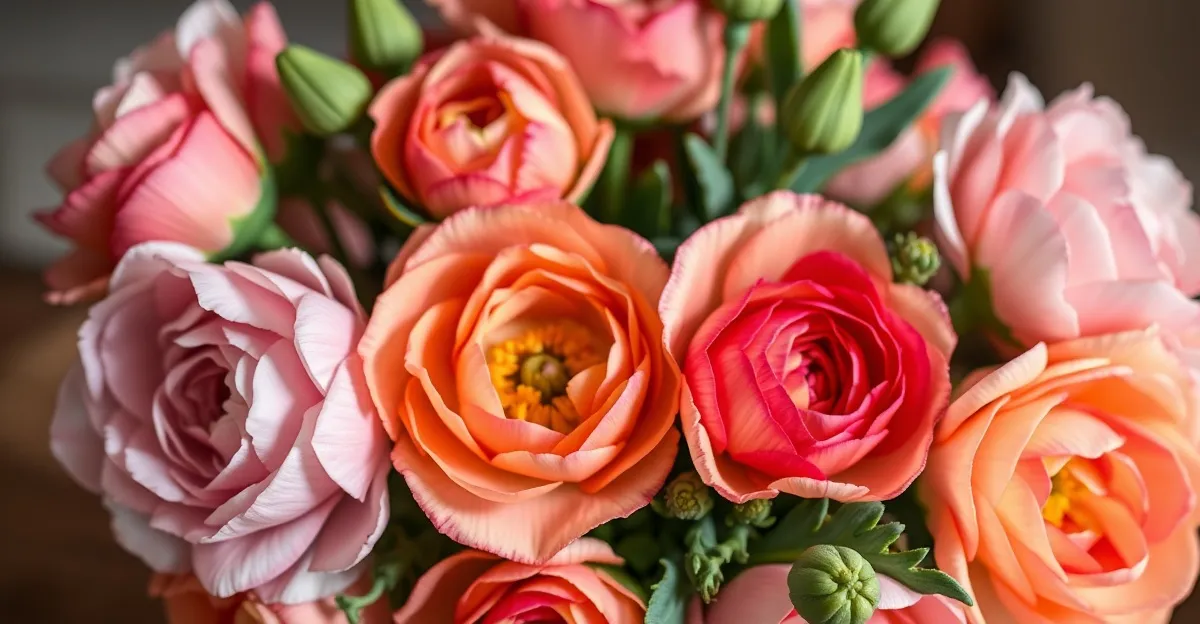
Today's commercial ranunculus routinely has 50–200 petals per bloom — a transformation from the wild species' five-petalled ancestor that spans roughly 1,000 years of human cultivation.

The team
your florists
weekly subscription · Bali
We write about flowers because we love them. We deliver them because someone should — properly, weekly, across Bali.
— heyflowerPay once for 3, 6, or 12 months, no auto-renewal.
Ranunculus Reaches Bali
Ranunculus arrived in Bali as part of the broader globalisation of the cut-flower trade in the late 20th and early 21st centuries. As Bali's tourism industry grew and international residents established themselves on the island, demand for premium flowers beyond the traditional local tropical offering created a market for imported temperate flowers.
Today, ranunculus reaches Bali primarily through Java-based importers who source from Dutch auction networks and regional Asian growers (particularly in highland Java, Korea, and occasionally direct from Italy and the Netherlands). The flower's journey from a Dutch glasshouse or Italian field to a Canggu villa may take anywhere from three to seven days — a distance and timeline that would have been incomprehensible to the Persian horticulturists who first cultivated these extraordinary blooms.
Frequently Asked Questions
Who first cultivated ranunculus as an ornamental flower?
Persian horticulturists are generally credited with being the first to deliberately cultivate and select double-flowered ranunculus as an ornamental plant, likely beginning in the medieval period. This tradition was then transmitted westward through Ottoman and European horticultural networks.
Why does "ranunculus" mean "little frog"?
The Latin name refers to the genus's tendency to grow in damp, water-adjacent habitats — the kind of places where frogs also live. Rana (frog) + unculus (little) = ranunculus, little frog. The connection to frogs is purely ecological rather than symbolic.
Is ranunculus related to buttercups?
Yes — ranunculus and buttercups are the same genus. Common buttercups (like Ranunculus acris and Ranunculus repens) are wild members of the same genus as ornamental Ranunculus asiaticus. The garden ranunculus is effectively a highly developed, hybridised cousin of the humble buttercup.
When did ranunculus become popular for weddings?
The contemporary popularity of ranunculus in wedding floristry accelerated significantly in the 2010s, driven in part by social media platforms where ranunculus's photogenic qualities — the texture and depth of its layered petals — translated particularly well to photography. Its increasing availability through globalised supply chains made it accessible at a price point suitable for widespread wedding use.
How has ranunculus cultivation changed over the centuries?
Wild R. asiaticus had single-layered five-petal flowers. By the time of Persian cultivation, double-flowered varieties with extra petal layers existed. Dutch horticulture expanded the colour range and improved plant vigour. Modern Italian and Dutch breeding has created flowers with 50–200+ petals per bloom, a colour range spanning virtually every hue, and significantly improved commercial qualities including extended vase life and strong stem length.
A Thousand Years of Beauty
The ranunculus you receive in a heyflower.co arrangement today is the product of roughly a millennium of human cultivation and care — from Persian palace gardens to Dutch auction houses to Bali's international flower market. That history is present in every layer of petals, in the extraordinary variety of colours, in the flower's inherent association with beauty that has been cultivated and refined across cultures.
At heyflower.co, we source ranunculus with attention to that quality — working with well-managed supply chains to bring this remarkable flower to your door across Bali at its freshest. Explore our seasonal collections or set up a flower subscription to enjoy premium blooms like ranunculus regularly delivered to your home. For more on ranunculus's qualities as a flower, see our guide to ranunculus meaning and symbolism.
More on Ranunculus