The History and Origin of the Orchid
From ancient Greek medicine to Victorian obsession and Indonesian national flower — the full history and origin of the orchid across cultures and centuries.
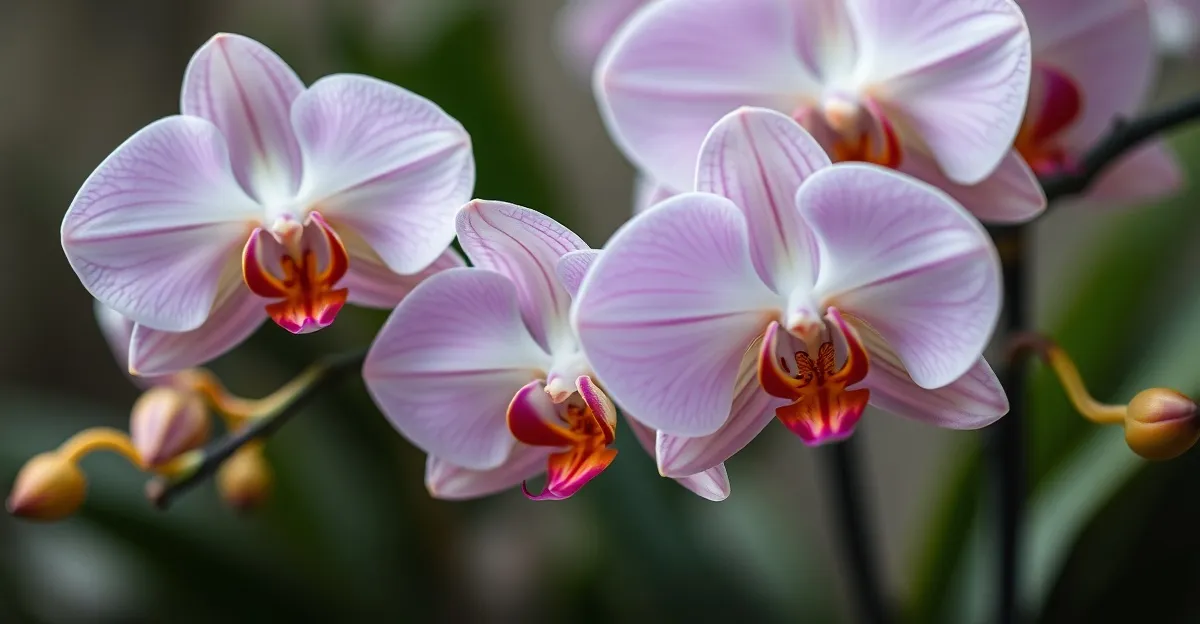
The orchid is one of the oldest flowering plants on Earth. Recent molecular studies suggest orchids first appeared around 76 to 84 million years ago — before the extinction of the non-avian dinosaurs. That's not a fact that typically comes up in flower shops or on gift cards, but it changes how you look at a stem of Dendrobium sitting in a vase. These flowers have been evolving their intricate, almost alien beauty for longer than humans have been anything at all.
Their journey from ancient forest to Balinese wedding bouquet is one of the stranger threads in horticultural history — spanning Greek physicians, Chinese emperors, Victorian obsession, and the dense tropical forests of Southeast Asia.
The Ancient World: Greece, China, and Japan
The Greeks and the Name That Stuck
The word "orchid" comes from the ancient Greek orchis, which translates uncomfortably directly as "testicle" — a reference to the paired, rounded tubers of some European terrestrial orchid species. This was not merely descriptive. The Doctrine of Signatures, a pre-scientific belief common across ancient medical traditions, held that a plant's physical appearance indicated its medicinal use.
Greek physician Dioscorides, writing in the first century CE in De Materia Medica, prescribed orchid tubers as an aphrodisiac. He believed that eating the larger tuber encouraged the birth of boys, while eating the smaller one produced girls. He was wrong, but the belief persisted in various forms for centuries.
Ancient China: The Fragrant Gentleman
In China, orchids — particularly the terrestrial genus Cymbidium — have been cultivated and revered for over three thousand years. Confucius himself wrote about the orchid (lan) as a symbol of refinement, moral integrity, and superior character. He called it the "king of fragrant plants."
During the Tang and Song dynasties (roughly 7th–13th centuries CE), orchid cultivation became an art form associated with the educated class. Painting orchids — capturing their spare, elegant lines in ink — became a practice of the scholar-gentleman class, alongside calligraphy and poetry. The orchid appeared alongside bamboo, plum, and chrysanthemum as one of the "Four Gentlemen" of Chinese painting, each representing virtuous character.
Japan: Delicacy and Refinement
The orchid arrived in Japan through China and developed its own aesthetic significance in Japanese culture. Ran (蘭) — the Japanese word for orchid — carries associations of delicacy, elegance, and quiet beauty. Orchid motifs appear in traditional Japanese textiles, lacquerwork, and family crests.
The Tropical Discovery: Southeast Asia and the Americas
Most of the world's orchid diversity exists in the tropics. The approximately 28,000 known species of orchid are distributed globally, but the great centers of diversity are tropical — the Amazon basin, Central America, sub-Saharan Africa, and Southeast Asia.
Indonesia's Extraordinary Heritage
Indonesia sits at the heart of Southeast Asian orchid diversity. The archipelago is home to an estimated 5,000 orchid species, many of them endemic — found nowhere else on Earth. Bali's forests, Borneo's ancient jungle, Java's volcanic highlands, Papua's cloud forests: each is a distinct orchid ecosystem.
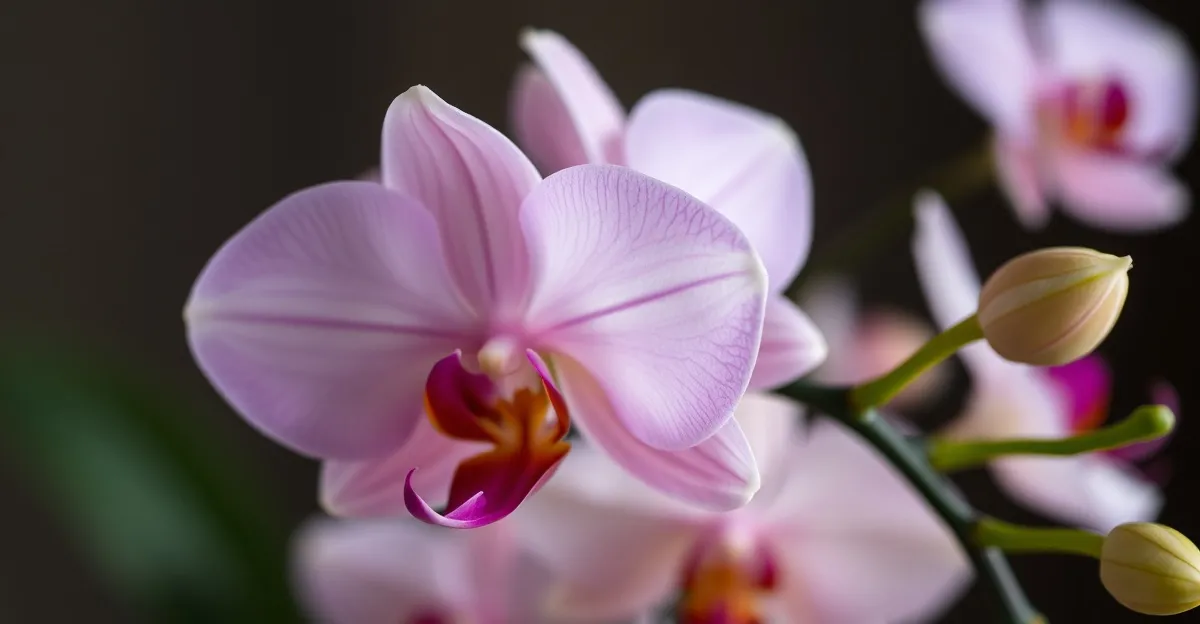
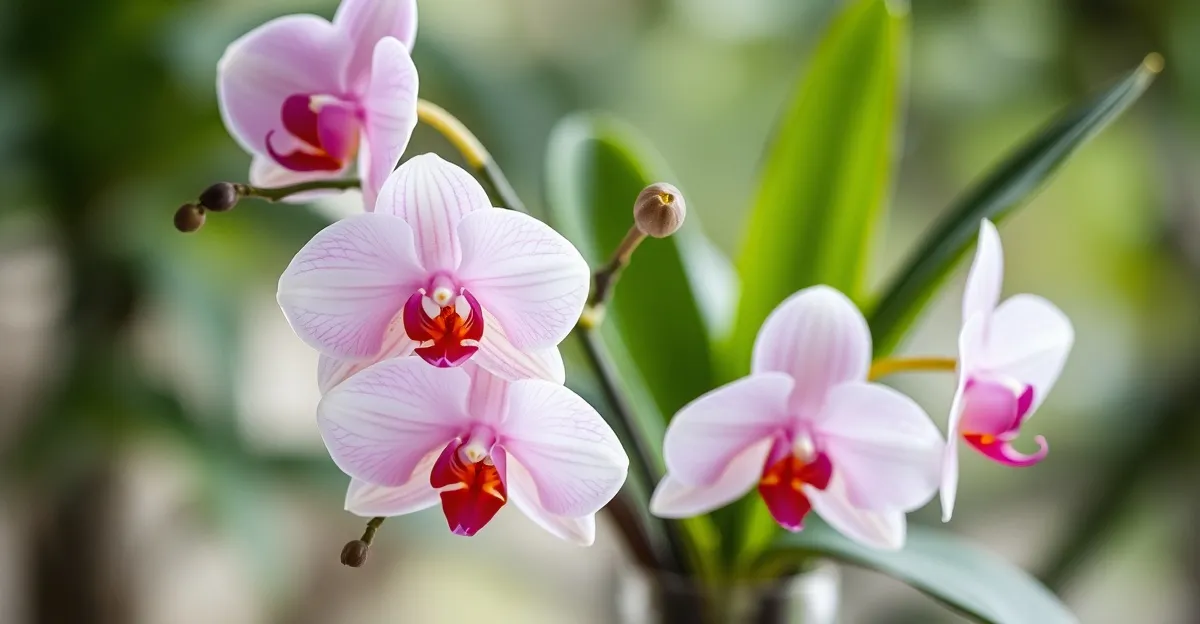
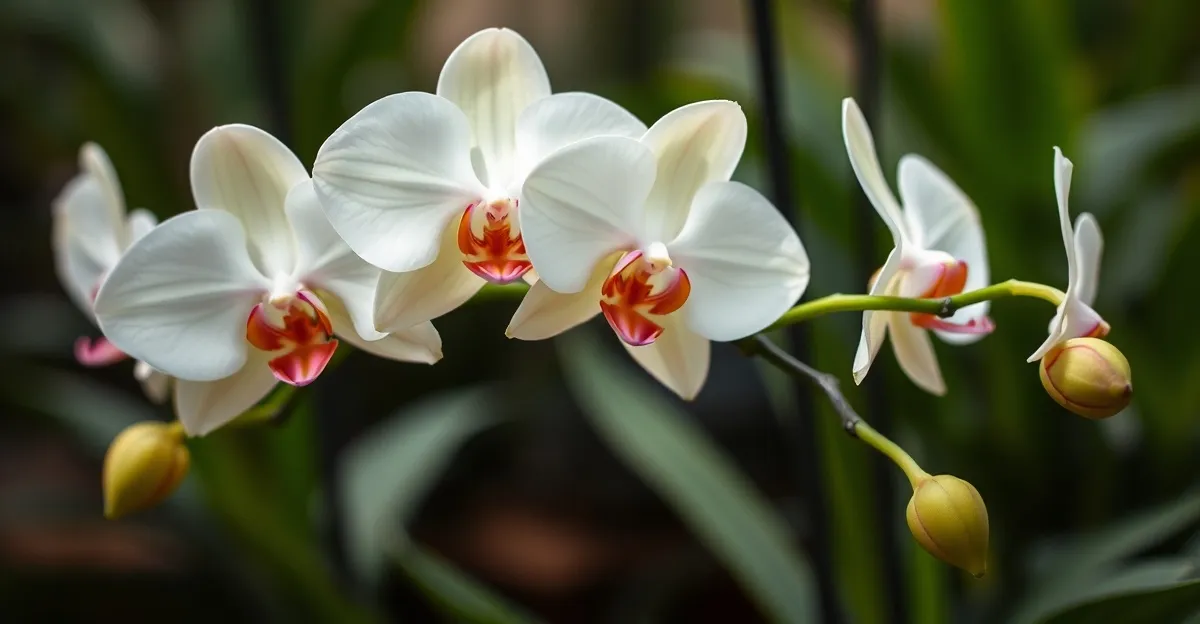
Phalaenopsis amabilis — the white moth orchid — is native to the Indonesian archipelago (as well as the Philippines and northern Australia). It was formally described by European botanist Carl Linnaeus in the 18th century, though local people had known and used it long before. In 1990, Phalaenopsis amabilis was declared one of Indonesia's three national flowers, alongside jasmine and the Rafflesia arnoldii.
The role of orchids in Balinese ceremonial life — tucked into temple offerings, woven into festive garlands, used to adorn sacred spaces — reflects a relationship with these flowers that predates any written record.
The Americas: Vanilla and the New World
The Aztec civilization of Mexico cultivated Vanilla planifolia — an orchid — for its seed pods, using vanilla to flavor the cacao drink xocolatl. When Spanish conquistadors arrived in the early 16th century, they brought vanilla back to Europe, where it quickly became one of the most valuable spices in the world. Vanilla remains, commercially, one of the most economically important orchid products in human history.
Beyond vanilla, the Americas harbor extraordinary orchid diversity. The genus Cattleya — with its large, showy blooms — became one of the most popular orchid groups in Victorian and Edwardian horticulture after specimens were collected in Brazil and introduced to European growers.
The Victorian Orchid Fever
The 19th century brought what historians have called "orchidelirium" — a period of near-hysterical interest in tropical orchids among wealthy Europeans. Plant hunters (called "orchid hunters" in the trade) were sent to the tropics, often at significant personal danger, to collect specimens for wealthy collectors and botanical gardens.
The conditions under which many orchids arrived in England were terrible — shoved into crates with minimal care, shipped for weeks, frequently transported incorrectly with disastrous results. Victorian growers, believing orchids lived in uniformly hot, humid jungle conditions, often kept them in stifling hot greenhouses where many died. Rarity made survivors even more valuable.
A single specimen of a prized Cattleya could sell for hundreds of pounds in the 1870s. Auction houses held orchid sales attracting bidders from across Europe. Collecting rare orchids became a form of conspicuous consumption among the Victorian elite.
The Transition to Cultivation
By the late 19th century, orchid cultivation had shifted from desperate wild collection to careful propagation. John Dominy created the first artificially hybridized orchid in 1856, crossing two species in a way that produced a fertile hybrid — Calanthe Dominii. This marked the beginning of orchid breeding, which would ultimately produce the thousands of hybrid cultivars available today.
The discovery in the 1920s that orchid seeds need specific mycorrhizal fungi to germinate — and the subsequent development of symbiotic germination on sterile culture media — opened the door to mass orchid production. What was once a rare luxury became globally accessible.

The team
your florists
weekly subscription · Bali
We write about flowers because we love them. We deliver them because someone should — properly, weekly, across Bali.
— heyflowerPay once for 3, 6, or 12 months, no auto-renewal.
Orchids in Modern Indonesia and Bali
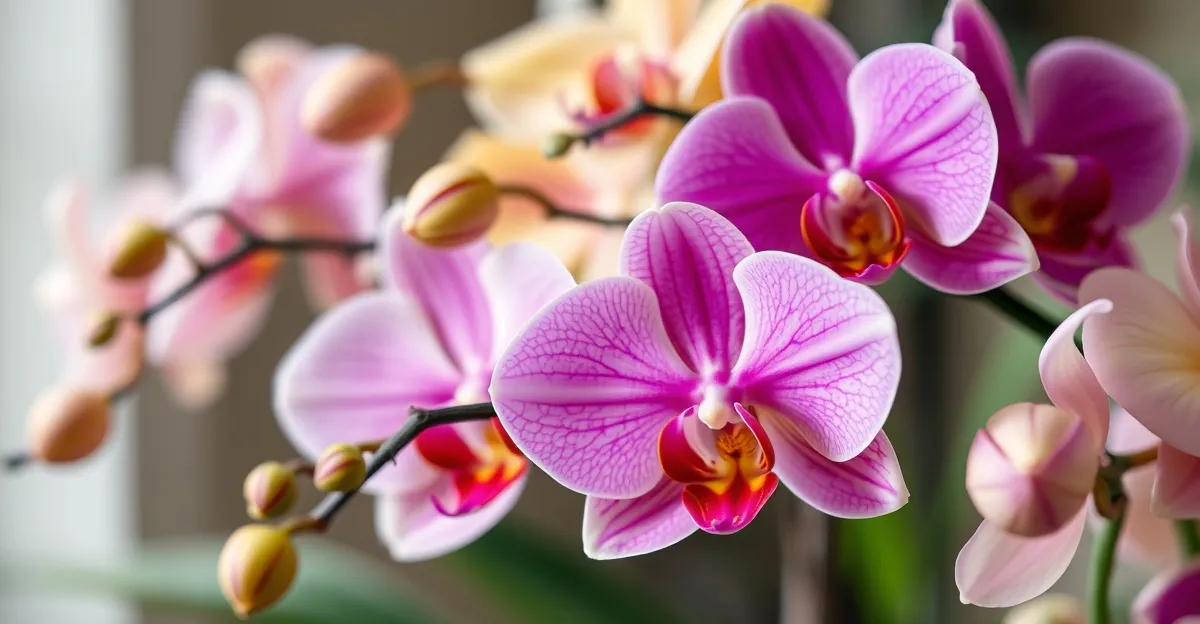
Indonesia's commercial orchid industry — centered on Java and Bali — produces millions of cut stems and potted plants annually, supplying both the domestic market and international export. The Dendrobium hybrids developed for tropical cut flower production are a uniquely modern product: the result of decades of careful breeding combining the hardiness of tropical species with the bloom density and color range demanded by the commercial market.
In Bali, orchids bridge the commercial and the ceremonial. They're everywhere from tourist villa tablescapes to sacred temple offerings. That breadth of presence reflects the orchid's long history on the island — it's not an imported novelty but a flower genuinely rooted in the landscape, the culture, and the spiritual life of the place.
For more about how Bali's tropical climate shapes which flowers are available, our piece on whether heliconia can grow in Bali covers similar ground for another iconic tropical genus.
Frequently Asked Questions
What is the oldest orchid fossil ever discovered?
A fossilized orchid pollen attached to a bee was found preserved in amber from the Dominican Republic, dating to approximately 15–20 million years ago. More recent genetic studies push the estimated origin of orchids as a family back to 76–84 million years before the present.
Why are there so many orchid species?
Orchids have co-evolved with an extraordinary diversity of pollinators — each species often dependent on a very specific pollinator. This co-evolutionary pressure has driven remarkable speciation. Some orchids mimic female insects so precisely that male insects attempt to mate with them, transferring pollen in the process.
Did the ancient Greeks really eat orchid tubers?
Yes, they did — believing it had aphrodisiac properties. The practice of using orchid tubers medicinally continued in various cultures through the medieval period. A Turkish drink called sahlep (or salep) made from dried ground orchid tubers is still consumed today as a winter beverage.
When did Indonesia's orchid industry begin?
Commercial orchid growing in Indonesia developed significantly in the mid-20th century, accelerating from the 1980s onward as demand for tropical cut flowers grew in Japan, Europe, and Australia. Today Indonesia is one of the world's major orchid-producing countries.
What makes Phalaenopsis amabilis Indonesia's national flower?
The White Butterfly Orchid (Phalaenopsis amabilis) was chosen as one of Indonesia's three national flowers in 1990 for its beauty, its native origin in the archipelago, and its representation of Indonesian flora. It joins jasmine (Jasminum sambac, the national flower of purity) and Rafflesia arnoldii (the giant parasitic flower, representing rarity).
Orchids have traveled an extraordinary path from Cretaceous forests to your Bali villa. At heyflower.co, we bring that heritage fresh to your door every Monday. Explore our flower arrangements and weekly subscriptions at heyflower.co, serving Canggu, Berawa, Pererenan, Seminyak, and Kerobokan.
More on Orchid