Orchid Vase Life in the Tropics: How Long Do They Last?
How long do cut orchids last in Bali's heat and humidity? A practical guide to maximising orchid vase life in tropical conditions.
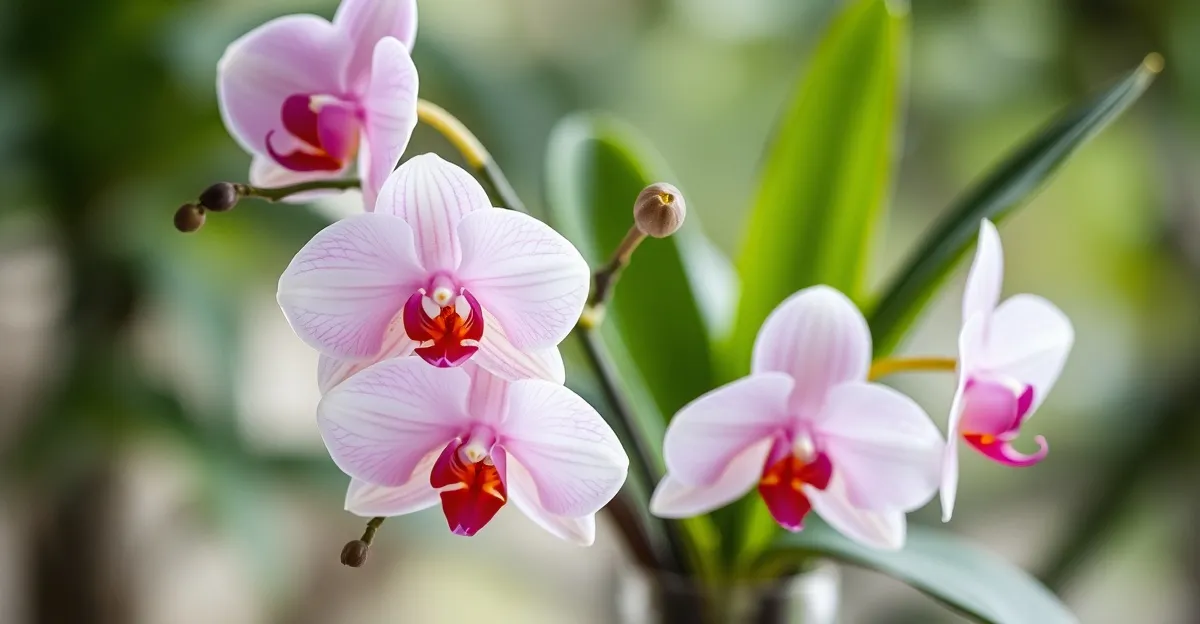
Here's the honest answer: cut orchids in Bali last somewhere between four days and three weeks, depending on the variety, the conditions you keep them in, and whether you're giving them any basic care. That's a wide range. And knowing which end of that spectrum you're working with before you buy makes a real difference — both for what you get out of your flowers and what you can realistically promise a customer or a gift recipient.
Bali's tropical climate creates unusual conditions for cut flowers. The warmth accelerates the blooms' biological processes. The humidity cuts both ways — it keeps petals from drying out but also speeds bacterial growth in vase water. Managing those two variables is the core of keeping orchids alive longer in the tropics.
Variety Makes the Biggest Difference
Not all cut orchids behave the same way. The variety you choose at the start sets the ceiling for how long you can expect it to last.
Dendrobium Orchids (4–10 days)
Dendrobium are the most widely available cut orchid in Bali — you'll find them in almost every flower market and they're grown extensively in the highlands near Bedugul. As spray orchids with multiple blooms per stem, they're economical and versatile.
In ideal conditions (cool interior, clean water, indirect light), Dendrobium can last up to ten days. In a warm open-air setting — a villa balcony, an outdoor table, a terraced rice field venue — expect closer to four to six days before the blooms start dropping or browning at the edges.
Phalaenopsis Orchids (2–3 weeks, sometimes more)
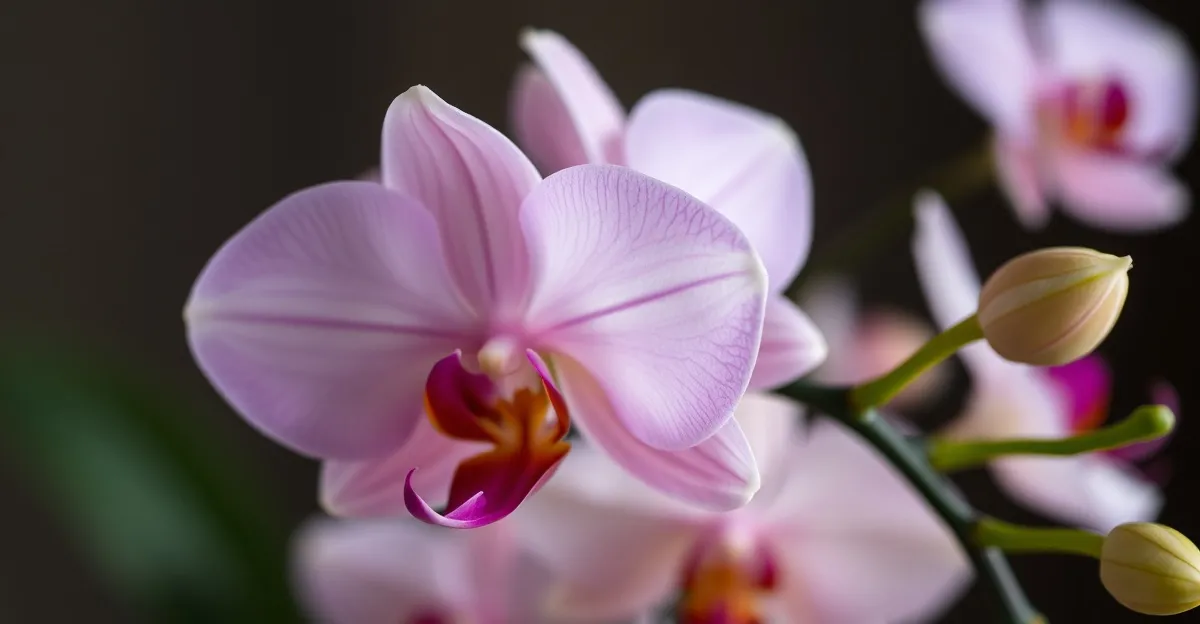
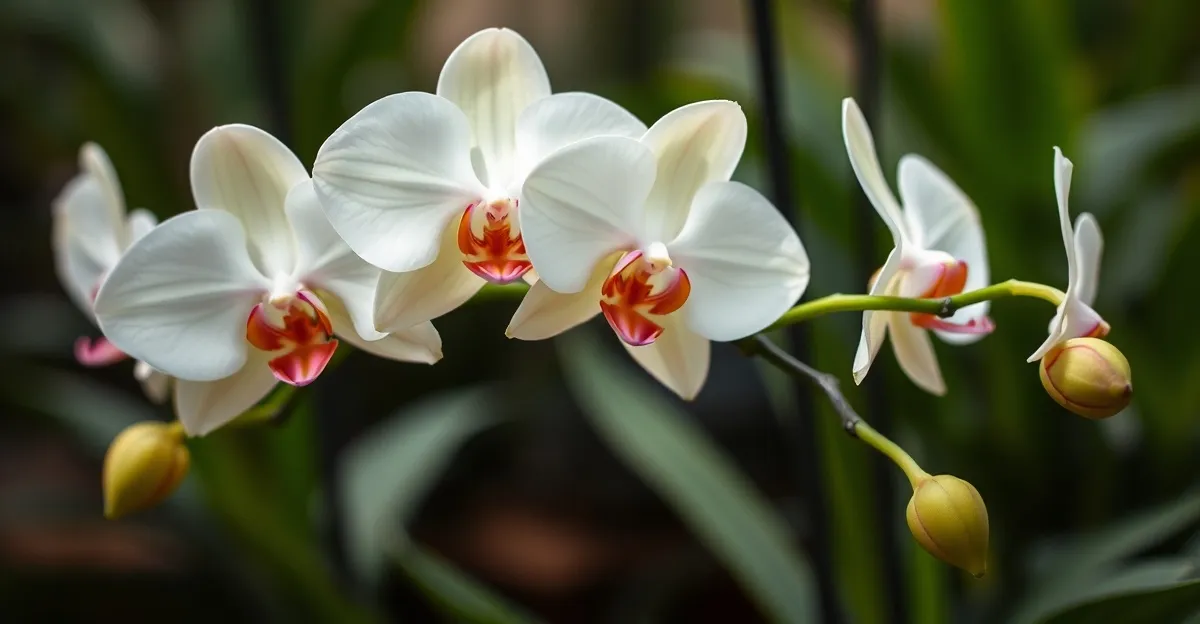
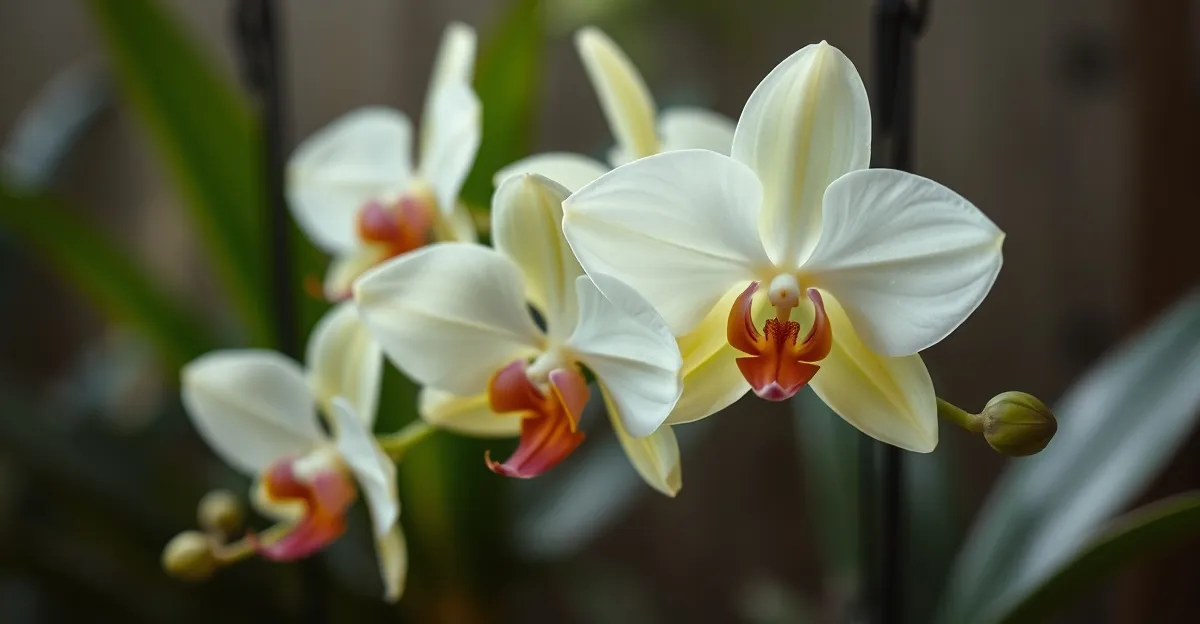
Phalaenopsis — the moth orchid — is an outlier in the cut flower world. Its thick, waxy petals are evolved for longevity. As a potted plant, it can bloom for months. As a cut stem, it can hold anywhere from ten days to three weeks in good conditions.
The catch is that Phalaenopsis is more sensitive to heat than Dendrobium. At consistent temperatures above 30°C, the blooms yellow and collapse faster than the vase water gets cloudy. In an air-conditioned room or a cool shaded area, though, they're remarkable.
Vanda Orchids (7–14 days in water)
Vanda orchids have a reputation for being high-maintenance as cut flowers because they need regular misting and clean water changes. But in Bali's humidity, the misting problem largely solves itself. Kept in a vase with fresh water refreshed every two days, Vanda cuts can hold their color and structure for one to two weeks.
Vanda are grown on the island — you'll find them at markets in Denpasar and through specialty suppliers who grow them for the export and hotel industry.
Oncidium and Cymbidium (5–12 days)
Oncidium spray orchids (the dancing lady orchids) are delicate and beautiful but more sensitive than Dendrobium. In Bali's warmth, five to eight days is a realistic expectation. Cymbidium, which are more commonly grown at higher elevations and imported into Bali, can last up to twelve days with proper care but are more prone to wilting if exposed to direct tropical sun.
How Bali's Climate Affects Every Orchid
Understanding the two main climate factors helps you predict and manage vase life.
Heat: The Primary Villain
Heat speeds up every biological process — respiration, ethylene production (the gas that triggers aging in flowers), and bacterial growth in water. In Bali's year-round warmth, cut flowers are essentially working against time from the moment they're cut.
The difference between keeping orchids in a room at 24°C versus one at 32°C can mean three to five extra days of bloom. If you have air conditioning, use it. If you're keeping flowers in an outdoor or open-air space during the wet season (November to March), when heat combines with higher humidity, reduce your vase life expectations by roughly a third.
Humidity: A Double-Edged Factor
Bali's humidity — typically 70–90% relative humidity — slows petal desiccation. In dry climates like Australia or the Middle East, orchid petals can shrivel and brown because moisture evaporates from the bloom surface faster than the stem can replace it. In Bali, that's rarely the problem.
Instead, the problem is that high humidity combined with warmth accelerates mold and bacterial growth in vase water. A vase of orchids left unattended in a warm, humid room will develop cloudy, bacteria-heavy water much faster than in a cool, dry environment. That bacterial load blocks the stem's vascular system and shortens the bloom's life significantly.
Care Practices That Extend Vase Life
Clean Water, Changed Regularly
Change your vase water every two to three days in tropical conditions. When you do, rinse the vase itself — bacteria cling to the glass or ceramic. Re-cut the stems at an angle (about 1–2 cm from the bottom) before returning them to fresh water. This keeps the vascular channels open.
Avoid Direct Sunlight
Orchids need light to grow as plants but cut orchids last longer in bright indirect light rather than direct sun. Direct sunlight through a window heats the water, accelerates the petals' aging, and creates temperature swings that shock the bloom.
A shaded spot near a window — or on a covered terrace in an area with good air movement — is ideal.
Keep Away from Fruit and Ethylene Sources
Ripening fruit releases ethylene gas, which accelerates flower aging. Keep your orchid vase well away from the fruit bowl. This matters more in Bali than in cooler climates because higher temperatures increase ethylene production rates.
The Right Water
Tap water in most parts of Bali is treated with chlorine. This isn't terrible for flowers, but if you have access to filtered water, use it. Some florists add a small amount of flower food (available at floral supply shops) to their vase water, which provides carbohydrates and has a mild antimicrobial effect. A small pinch of sugar and a drop of bleach in a litre of water achieves a similar result in a pinch.

The team
your florists
weekly subscription · Bali
We write about flowers because we love them. We deliver them because someone should — properly, weekly, across Bali.
— heyflowerPay once for 3, 6, or 12 months, no auto-renewal.
Realistic Expectations by Setting
Air-conditioned villa interior: Dendrobium 8–10 days, Phalaenopsis 14–21 days Open living area with good ventilation: Dendrobium 5–7 days, Phalaenopsis 8–12 days Outdoor table or terrace: Dendrobium 3–5 days, Phalaenopsis 5–8 days Hotel lobby or event setup: Plan for 2–3 day maximum display life, especially during events with body heat and limited air flow
For weekly subscription arrangements, Dendrobium varieties make the most practical choice — they deliver consistent performance across the full seven-day cycle. This is why most flower subscriptions for villa rentals in Canggu use tropical-hardy varieties as their base.
When Orchids Start Declining: What to Watch For
An orchid near the end of its vase life shows a few clear signs:
- Petal edges brown or turn translucent
- Blooms become soft or limp rather than firm
- Smaller buds that haven't opened start to yellow and drop without opening
- Stem turns soft or dark near the cut end
Once these signs appear, there's not much you can do to reverse the process. You can remove the most affected blooms and sometimes the remaining buds will still open and hold. But the arrangement's prime is behind it.
For ongoing fresh flowers without the planning stress, heyflower.co's subscription service ensures you always have fresh arrangements at the beginning of each week.
Frequently Asked Questions
Should I mist my cut orchids in Bali?
For most cut orchids in Bali, misting isn't necessary because ambient humidity does the job. The exception is Vanda orchids, which traditionally prefer a misting routine. For Dendrobium and Phalaenopsis cuts, focus on clean water rather than misting.
Can I revive wilting orchid stems?
Submerging the entire stem in cool water for one to two hours can sometimes revive a stem that's started to wilt. Re-cut the end after the soak. This works best in the early stages of wilting — if the petals have already turned translucent or brown, the bloom is past saving.
Do orchid buds open after being cut?
Sometimes. Buds that are well-developed (showing color, plump and firm) will often continue to open in the vase over several days. Tight, pale buds often don't have enough energy stored to open fully once separated from the plant, especially in the heat.
How do I transport orchids in Bali's heat?
Keep them in water for as long as possible. If transporting without water, wrap the cut stems in damp paper towel and then foil, and keep the arrangement in an air-conditioned vehicle. The window for unwatered transport before the stems begin to stress is roughly two to three hours in Bali's heat.
Are there orchid varieties that last longer outdoors in tropical conditions?
Dendrobium varieties bred for tropical conditions and locally grown Vanda varieties handle outdoor heat better than imported Phalaenopsis. For outdoor events or garden settings, ask your florist specifically for heat-tolerant tropical orchid varieties.
At heyflower.co, we time our Monday deliveries so your orchids arrive at peak freshness — giving them the best possible start in your space. Explore our arrangements and weekly subscriptions at heyflower.co, delivering to Canggu, Berawa, Pererenan, Seminyak, and Kerobokan.
More on Orchid