The History and Origin of the Ginger Flower
Explore the rich history of the ginger flower, from its tropical Asian origins to its sacred role in Balinese culture and modern floristry.
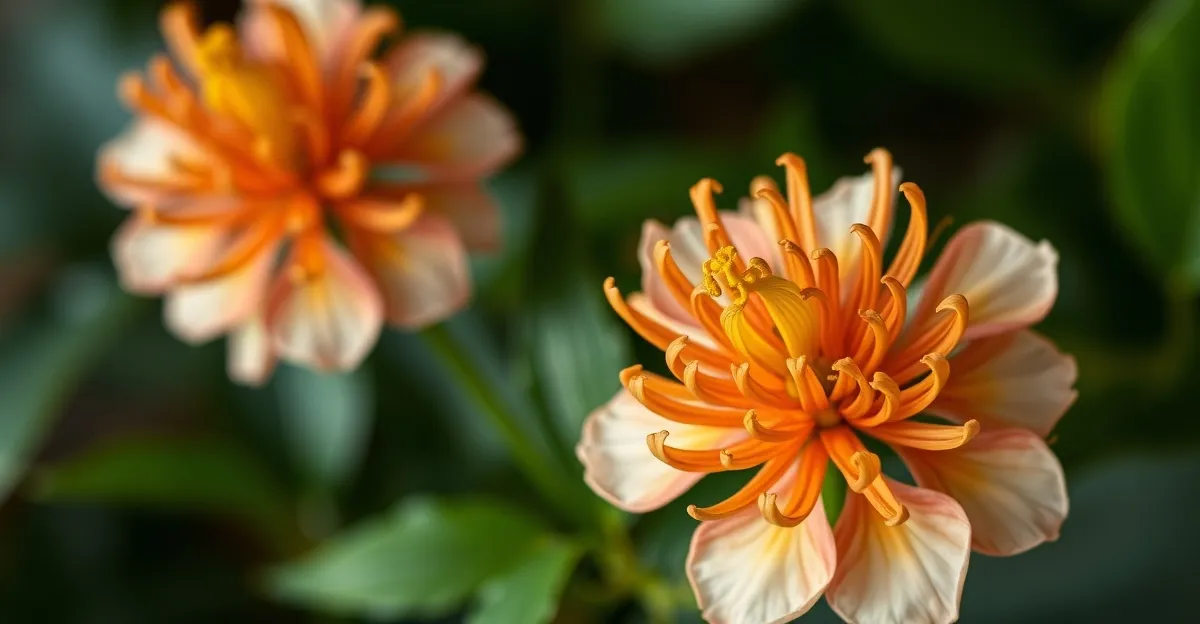
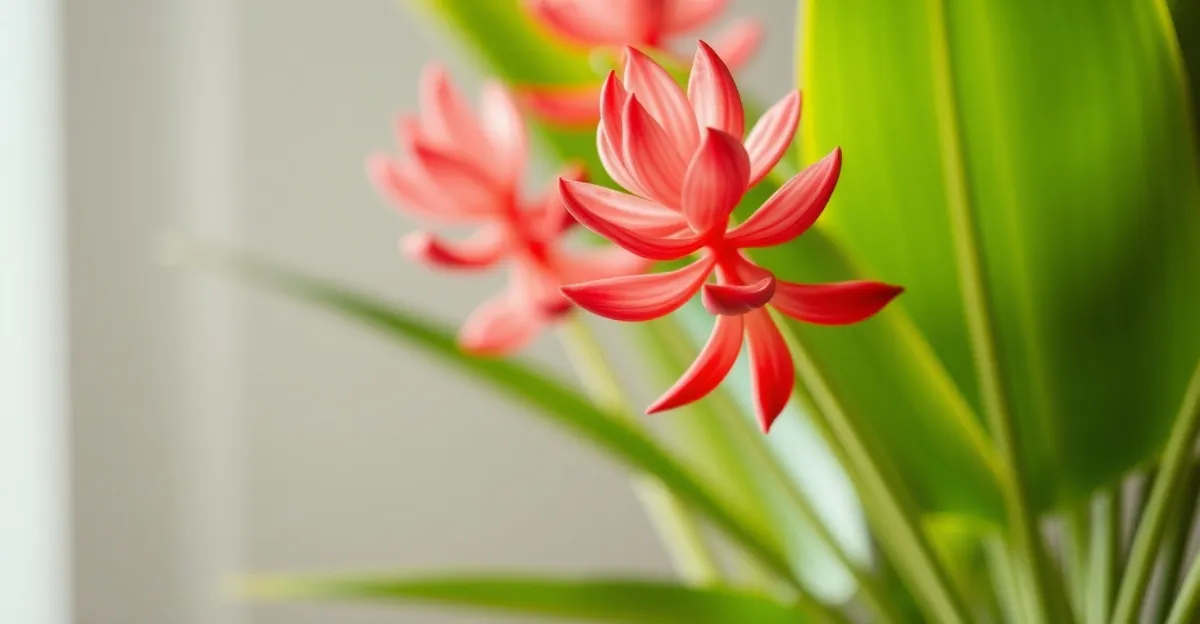
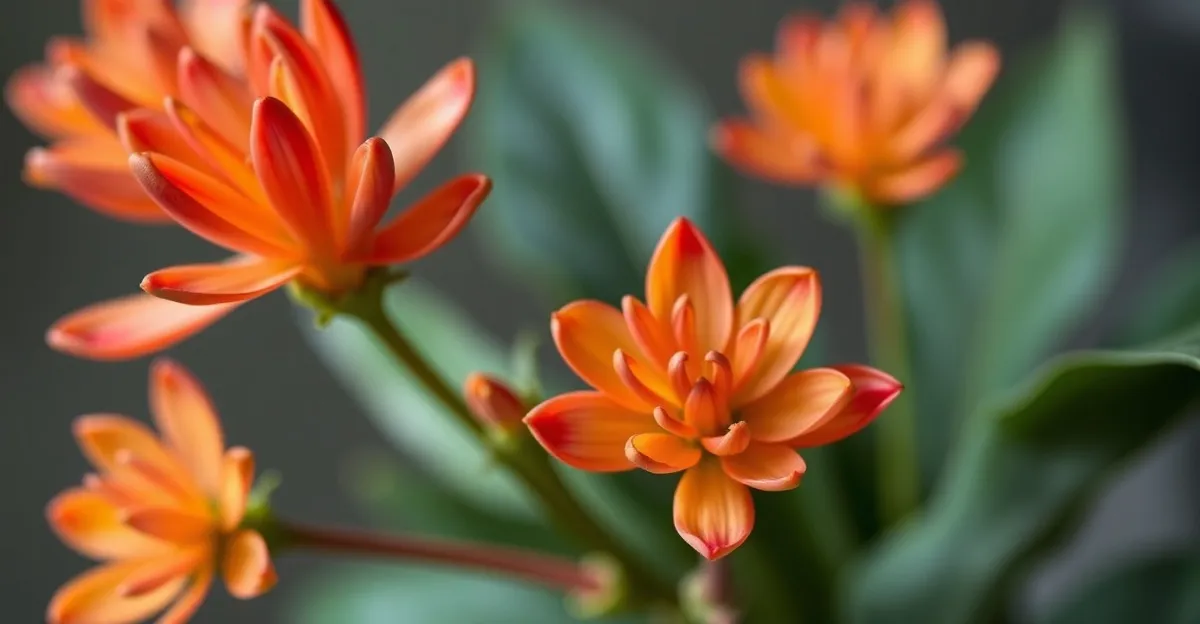
Few flowers tell a story quite as layered as the ginger flower. Known botanically as Etlingera elatior and locally as kecombrang or bunga kantan, this dramatic bloom has been woven into the culinary, ceremonial, and artistic life of Southeast Asia for centuries. Standing tall on thick green stalks, its waxy pink and red petals radiate a quiet confidence that feels perfectly at home beneath the Indonesian sun. If you have ever caught sight of one in a Balinese market, half-buried among frangipani and tuberose, you already know the pull it has.
Understanding where the ginger flower comes from deepens your appreciation of it — whether you are choosing it for a bouquet, a dinner table, or a ceremony. This is the story of a bloom that has traveled across cultures and centuries without ever losing its grounding in the earth.
Ancient Roots in the Indo-Pacific
The ginger flower is a member of the Zingiberaceae family, the same botanical clan that gives us culinary ginger, turmeric, cardamom, and galangal. The family itself is ancient, with fossil evidence suggesting it diverged from other monocots roughly 80 to 100 million years ago during the Cretaceous period, when the land masses we now call Southeast Asia were still taking shape.
Origins in the Malay Archipelago
Botanists widely agree that Etlingera elatior originates from the tropical forests of the Malay Peninsula, Sumatra, and Borneo. In these equatorial landscapes, conditions are essentially perfect: year-round warmth, high humidity, abundant rainfall, and rich volcanic soil. The plant thrives in partial shade at the edges of forest clearings, often reaching two to five metres in height with paddle-like leaves that collect and funnel rainwater.
Early documentation of the plant in European botanical literature dates to the late 18th century, when Dutch colonial naturalists cataloguing the flora of the Dutch East Indies brought back detailed descriptions. The name Etlingera honours the German botanist Andreas Ernst Etlinger. But the plant itself had been known, named, and cultivated throughout the region for thousands of years before any European arrived.
Spread Across Southeast Asia
Through a combination of natural seed dispersal, bird activity, and human trade networks, the ginger flower spread across the archipelago and into mainland Southeast Asia. You find varieties cultivated in Thailand, Malaysia, the Philippines, Vietnam, and of course throughout the Indonesian islands. Each culture adopted it differently — Malay cooks folded the young buds into nasi kerabu and laksa; Thai herbalists used it in medicinal preparations; Balinese priests incorporated it into offerings.
The Ginger Flower in Historical Culinary Traditions
One of the most distinctive aspects of the ginger flower's history is that it entered human culture first through the kitchen rather than the vase. The torch-shaped flower bud, tightly folded before opening, carries a sharp citrus-floral fragrance with faint spice notes. In Sumatra and the Malay Peninsula, it became an essential ingredient in gulai, rendang, and fish curries, lending tartness and fragrance without the acidity of tamarind.
From Spice to Symbol
Over centuries, as trade routes connected the islands of Indonesia with India, China, and Arabia, the ginger flower's value became more than culinary. Merchants and mariners carried it as a symbol of abundance and tropical vitality. In parts of Sumatra and Java, the flower became associated with fertility and feminine energy, a symbolic association that persists today.
By the time the Hindu kingdoms of Java and Bali were flourishing — roughly from the 9th century CE onward — the ginger flower had earned a permanent place in ceremonial life. Its fire-like shape and vivid colour connected it symbolically to sacred flames and divine energy, making it ideal for temple offerings.
Dutch Colonial Era and Botanical Documentation
The VOC (Dutch East India Company) period, spanning roughly 1600 to 1800, brought the ginger flower into European scientific literature for the first time. Naturalists like Rumphius, stationed in Ambon, wrote extensive descriptions of tropical plants including members of the Zingiberaceae family. His Herbarium Amboinense, published posthumously in 1741, remains one of the most important early botanical records of the Indo-Pacific flora.
Colonial trade accelerated the spread of the ginger flower beyond Asia. Botanical gardens in Amsterdam, Kew, and later Singapore began cultivating specimens, and by the 19th century, tropical flower enthusiasts across Europe had encountered the torch ginger in glasshouse collections. Yet it never became a mainstream hothouse flower the way orchids did — its large size and demanding growing conditions kept it exotic and somewhat rare in Western floristry until the late 20th century.
The Ginger Flower in Modern Floristry
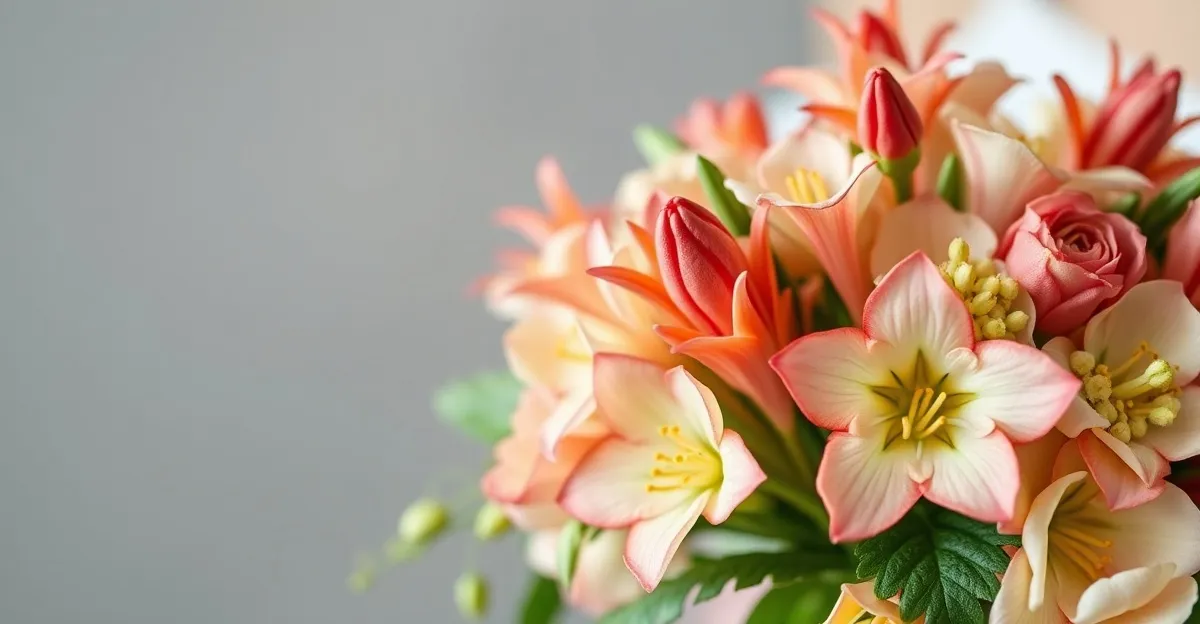
Today, the ginger flower occupies an interesting position in the global flower trade. It remains most popular in Southeast Asia and Hawaii, where it grows abundantly and is celebrated for its architectural form and extraordinary staying power after cutting. In Western markets it has gained serious traction over the past two decades, particularly in tropical-themed wedding floristry and high-end event design.
Why Florists Love It
From a practical standpoint, the ginger flower is a florist's dream. A single stem cut at peak bloom can last seven to fourteen days in a vase — an exceptional vase life that rivals even chrysanthemums. The waxy petals resist wilting and browning even in warm rooms, making it ideal for Bali's climate. Its bold architectural silhouette means a single stem can carry an entire arrangement, while in a group they create dramatic impact.
For Bali's villa and resort floristry market, the ginger flower is particularly prized because it bridges the traditional and the contemporary. It appears equally at home in a bamboo-wrapped ceremonial offering and in a sleek concrete vase at a boutique hotel in Seminyak.

The team
your florists
weekly subscription · Bali
We write about flowers because we love them. We deliver them because someone should — properly, weekly, across Bali.
— heyflowerPay once for 3, 6, or 12 months, no auto-renewal.
Cultural Legacy in Bali
In Bali specifically, the ginger flower's history intertwines with the island's Hindu-Balinese religious culture in ways that feel entirely organic. The vivid colour aligns with the red and gold palette of many Balinese rituals, and its long-lasting freshness made it practical for offerings that need to endure through extended ceremonies.
Local growers around Ubud and Tabanan have cultivated ginger flowers for generations, supplying both the ceremonial market and, increasingly, the export floristry market. If you're curious about flower delivery in Tabanan: a complete local guide, you'll find ginger flowers are a cornerstone of what growers there offer.
The flower also holds a place in Balinese traditional medicine, with the rhizome used for treating skin conditions and digestive complaints — a reminder of the Zingiberaceae family's deep therapeutic heritage across the region.
From Forest Edge to Celebration
What makes the ginger flower's history particularly compelling is its unbroken thread from ancient tropical forest to modern celebration. It has never been fully domesticated in the way a rose or tulip has. It retains its wildness, its size, its bold statement. Whether it appears in a traditional canang sari offering or as the centrepiece of a Canggu wedding table, it carries that history with it.
For anyone building a floral arrangement that speaks of Bali — genuinely, authentically, without cliché — the ginger flower is an essential reference point. It is old, it is local, and it is still very much alive.
Frequently Asked Questions
Where did the ginger flower originally come from?
The ginger flower (Etlingera elatior) originates from the tropical forests of the Malay Peninsula, Sumatra, and Borneo. It belongs to the Zingiberaceae family and has been cultivated throughout Southeast Asia for thousands of years, long before European botanists documented it in the 18th century.
Is the ginger flower related to culinary ginger?
Yes. Both belong to the Zingiberaceae family. While they are different species — culinary ginger is Zingiber officinale and the torch ginger is Etlingera elatior — they share common ancestry and many of the same general characteristics: tall stalks, tropical growing conditions, and fragrant properties.
How long has the ginger flower been used in Balinese ceremonies?
The ginger flower has been part of Balinese ceremonial life since the establishment of Hindu-Balinese culture on the island, roughly from the 9th to 11th centuries CE. Its vivid colour and long-lasting freshness made it practical and symbolically appropriate for temple offerings.
Can ginger flowers be used in cooking?
Yes, the young flower buds and tender stems of Etlingera elatior are widely used in Southeast Asian cooking. They appear in Malay laksa, Sumatran rendang, and various Indonesian curries. The flavor is sharply floral with citrus and mild spice notes.
How has the ginger flower entered Western floristry?
The ginger flower became better known in Western floristry from the 1990s onward, primarily through tropical wedding floristry and high-end event design. Its exceptional vase life — up to two weeks — and architectural form made it increasingly popular in floral design circles globally, though it remains most abundant and affordable in Southeast Asia and Hawaii.
Drawn to the living traditions behind Bali's blooms? At heyflower.co, we source ginger flowers and other tropical beauties from local Balinese growers to bring genuine island floristry directly to your door. Explore our subscription plans and let the best of Bali's floral heritage arrive at your home or villa every week.
More on Ginger flower