Chrysanthemum in Balinese ceremonies: traditional uses in Bali
How chrysanthemums feature in Balinese Hindu offerings, temple ceremonies, and the daily spiritual rhythm of Bali — from canang sari to Galungan.
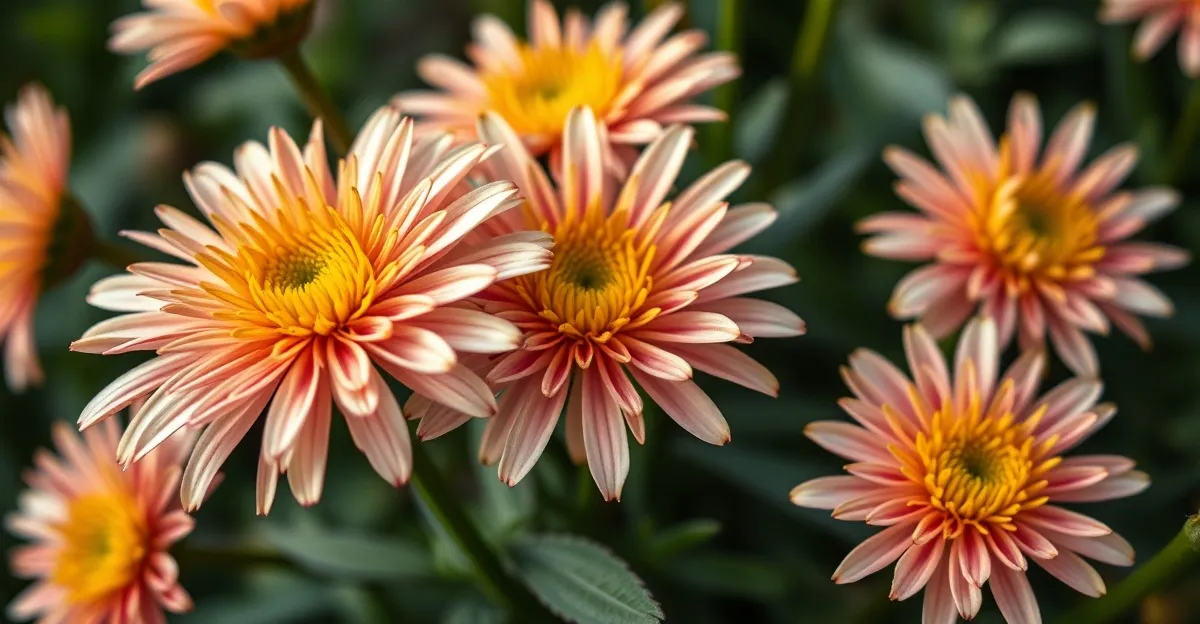
Walk through any Balinese market at four in the morning and you will find bundles of white, yellow, and purple chrysanthemums being loaded onto motorbikes alongside marigold strings, frangipani, and jasmine. These flowers are not heading to hotel lobbies. They are going to the households and temple compounds of Bali, where they will be made into canang sari before sunrise and offered to the divine before the day properly begins.
Chrysanthemums in Balinese ceremony are not decorative. They are devotional. Understanding this context transforms how you see the flower.
The framework: Balinese Hinduism and flowers
Balinese Hinduism is a synthesis of Hinduism, Buddhism, and ancient animist traditions that evolved over many centuries in Bali. Its relationship to flowers is fundamentally different from secular flower culture. Flowers are not given because they are beautiful, though they are. They are offered because they are beautiful — because offering something beautiful to the divine is itself a form of prayer. Beauty is the vehicle.
Canang sari, the daily offerings that appear on virtually every threshold, doorstep, and surface in Bali by morning, are the most visible expression of this. Each small woven palm-leaf tray contains rice, incense, a few coins, small cakes, and flowers — arranged according to the four sacred directions. The flowers in canang sari must be fresh, must be full-petalled, and must follow the directional colour system.
The directional colour system
Balinese ceremonial offerings use a colour-direction system (sanga mandala) that assigns sacred directions to specific colours and deities:
- East (white): Iswara
- South (red): Brahma
- West (yellow/gold): Mahadewa
- North (blue/black/dark): Wisnu
- Centre (multicolour): Siwa
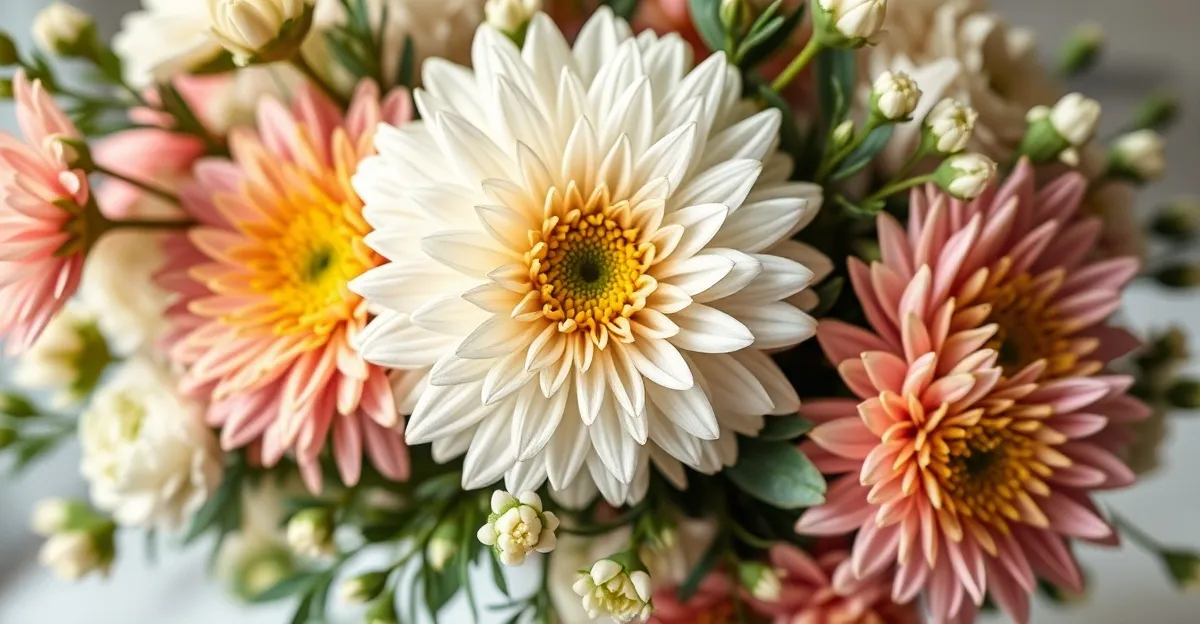
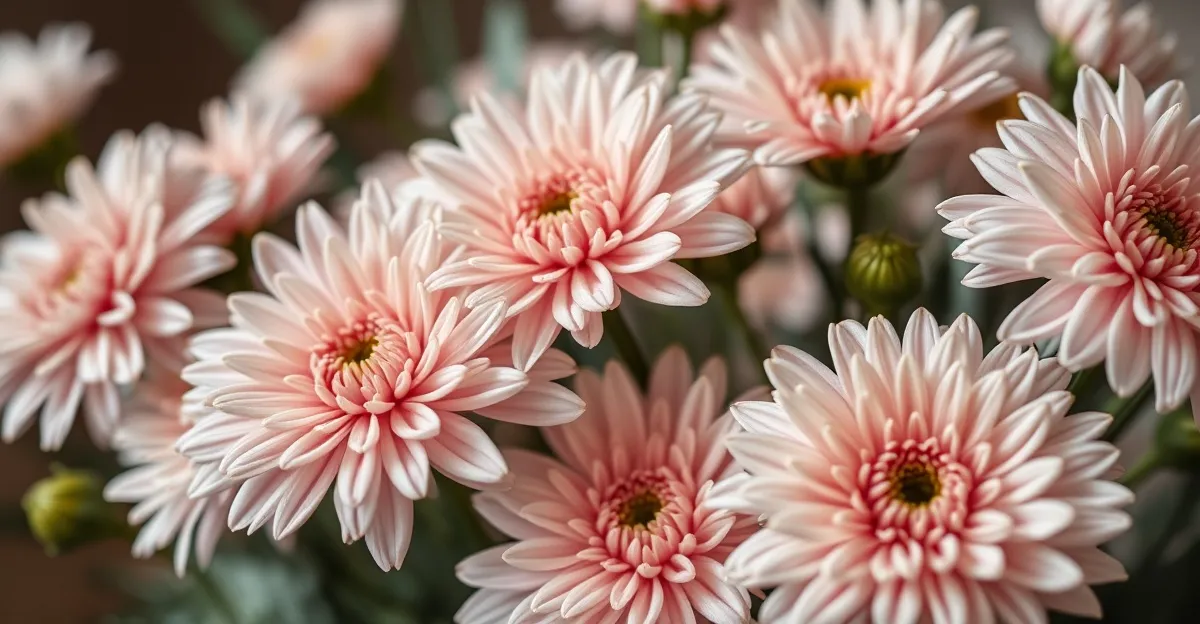
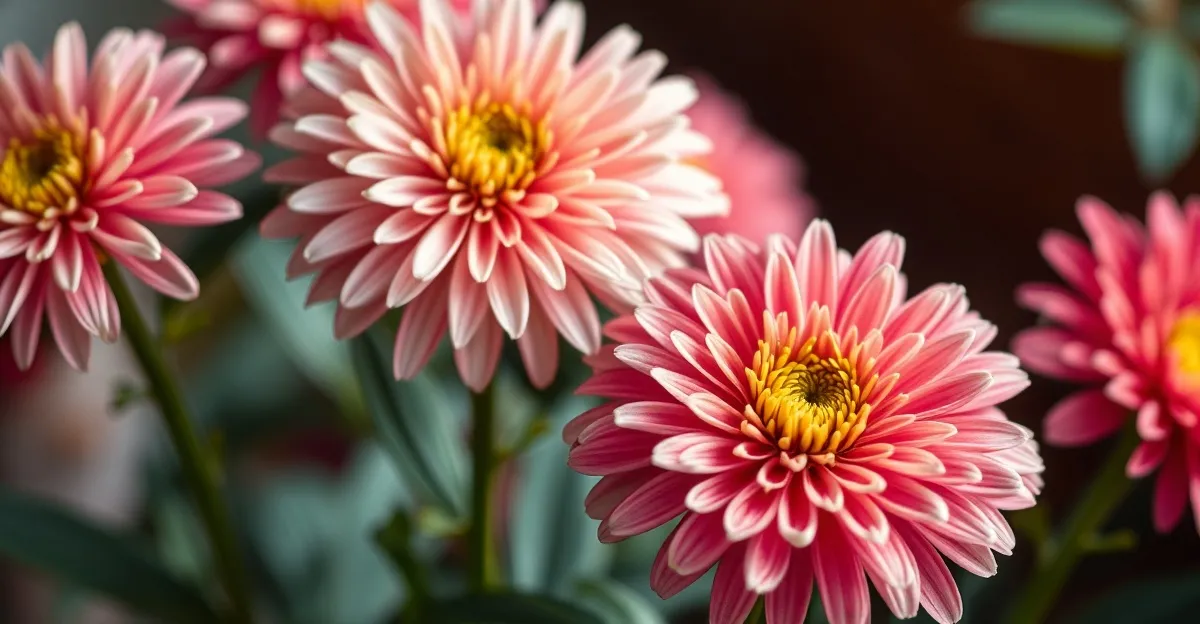
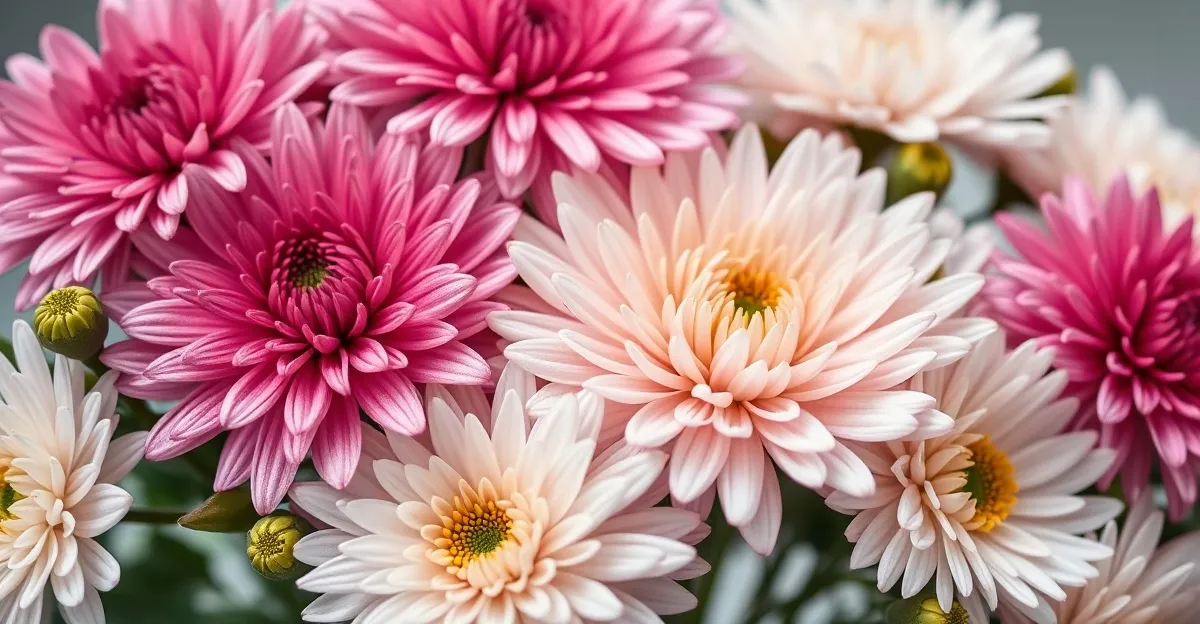
Chrysanthemums, available in white, yellow, red, purple, and every colour in between, can fill every directional position in this system. This versatility is part of why they are so prevalent in Balinese ceremonial use. A single flower with the right colour range can complete an entire offering.
White chrysanthemums in the eastern position. Yellow chrysanthemums in the western position. Red or deep pink in the southern position. No single imported flower covers this range as comprehensively as chrysanthemums do.
Canang sari: the daily rhythm
The making of canang sari is typically women's work — not as a restriction but as a devotional practice passed from mother to daughter across generations. A woman who makes offerings every morning does so with contemplative intent. The physical act of construction — folding the palm leaf, arranging the flowers by colour — is itself a meditative practice.
Chrysanthemums for daily canang sari are typically purchased in bundles from traditional markets. Small or medium-sized heads work best for the compact scale of a tray offering. They are cut and arranged at the time of making.
The offering is presented to the divine, then left. It is not a permanent installation. By evening, many canang sari will have been stepped over, rained on, or eaten by birds and dogs. This is accepted — the offering has been given. Its physical fate afterward is beside the point.
Gebogan: the tower offerings
For larger ceremonies — temple anniversaries, significant life events, major religious festivals — offerings scale up dramatically. Gebogan are towering structures of fruit, rice cakes, flowers, and palm decorations that women carry on their heads in procession to temple. The visual effect of dozens of women bearing these elaborate offerings is one of Bali's most beautiful sights.
Chrysanthemums appear in gebogan as individual blooms woven into floral elements of the structure, as flower garlands draped across the arrangement, and as clusters of heads packed into sections of the tower. Their density and bold colours translate well to this large-scale use.
Penjor and Galungan
Galungan and Kuningan are the most visually dramatic festivals in the Balinese calendar. Every compound entrance is decorated with a tall bamboo pole (penjor) that curves gracefully overhead, hung with palm leaf decorations, fruit, rice cakes, and flowers.
The flower garlands that hang from penjor traditionally include chrysanthemums threaded on string — white and yellow prominently. During the ten days between Galungan and Kuningan, every street in Bali transforms into a corridor of penjor. The scale of chrysanthemum use during this period is enormous — highland flower markets work at full capacity and prices reflect the demand.
For residents and visitors interested in how this flower demand affects availability for personal use, our guide to Galungan flower subscription ideas has practical timing advice.
Temple ceremonies: odalan and regular rituals
Each of Bali's approximately 20,000 temples holds an odalan — a temple anniversary ceremony — every 210 days (the Balinese calendar cycle). These are full-scale events with elaborate offerings, gamelan music, and community participation.
For odalan preparations, chrysanthemum demand spikes in the weeks and days before each temple's ceremony. Women weave chrysanthemum heads into intricate arrangements called jajan or incorporate them into the large banten offerings placed before the shrine. The freshness of flowers is considered essential — wilted or faded flowers are not appropriate for high ceremonies.
Temple festivals also involve the decoration of temple grounds with flower garlands strung between gates, decorating meru shrines, and framing the entrances through which worshippers pass. Chrysanthemums in yellow and white are among the most commonly used flowers in this large-scale decorative context.

The team
your florists
weekly subscription · Bali
We write about flowers because we love them. We deliver them because someone should — properly, weekly, across Bali.
— heyflowerPay once for 3, 6, or 12 months, no auto-renewal.
Melaspas and blessing ceremonies
Melaspas are purification ceremonies performed when a building, vehicle, or significant new possession is consecrated. Flowers are placed at the four corners of the structure, at the entrance, and at various threshold points. Chrysanthemums appear in these offerings for their colour range and availability.
New villas in Canggu regularly go through melaspas ceremonies before they open. The flower decoration for a melaspas can involve hundreds of individual blooms arranged across multiple offerings and decorative installations throughout the property.
Chrysanthemums in cremation ceremonies
Ngaben — the Balinese cremation ceremony — is one of the most important and elaborate of all Balinese rituals, meant to liberate the soul for its journey to the afterlife. The elaborate tower structures (bade) that carry the body to the cremation grounds are decorated with flowers and palm decorations.
White chrysanthemums appear in this context, as they do in funerary traditions across East Asia. In the Balinese context, white is the colour associated with the east and with Iswara, making it a directionally meaningful choice for transition rituals.
Frequently Asked Questions
Are chrysanthemums used in Balinese offerings for specific deities?
Primarily through colour — yellow chrysanthemums are associated with Mahadewa (west direction), white with Iswara (east), and so on within the sanga mandala colour system. The specific species matters less than the colour and freshness of the flower.
Can visitors participate in making canang sari?
Many cultural programs in Bali offer instruction in making canang sari as a respectful way for visitors to engage with the practice. It is generally welcomed when done with genuine interest and respect.
Why are flowers offered to the gods rather than to people?
In Balinese Hindu belief, offering beauty to the divine is an act of acknowledgment, gratitude, and connection. The flowers themselves are a vehicle for intention and prayer. The act of offering something beautiful and pure is the prayer — not a transaction, but an expression.
How does flower demand during ceremonies affect market prices?
Significantly. During major festivals like Galungan or Kuningan, demand for chrysanthemums and other ceremonial flowers increases sharply. Prices at traditional markets rise, and some varieties may become scarce. Florists sourcing for non-ceremonial arrangements often need to plan around these periods.
Are chrysanthemums grown specifically for ceremonial use in Bali?
The same chrysanthemum supply serves both ceremonial and commercial floristry. Highland growers at Bedugul and Java produce flowers that go to traditional market vendors for ceremonial purchase and to wholesale florists for arrangement work. The same flower genuinely serves both purposes.
Bali's relationship with flowers goes much deeper than decoration. At heyflower.co, we source from the same highland growers who supply Bali's ceremonial needs — fresh chrysanthemums delivered every Monday to Canggu, Berawa, Pererenan, Seminyak, and Kerobokan.
More on Chrysanthemum