The History and Origin of the Anthurium
Trace the fascinating history of anthurium from its rainforest origins in the Americas to its place as one of Bali's most beloved tropical blooms.
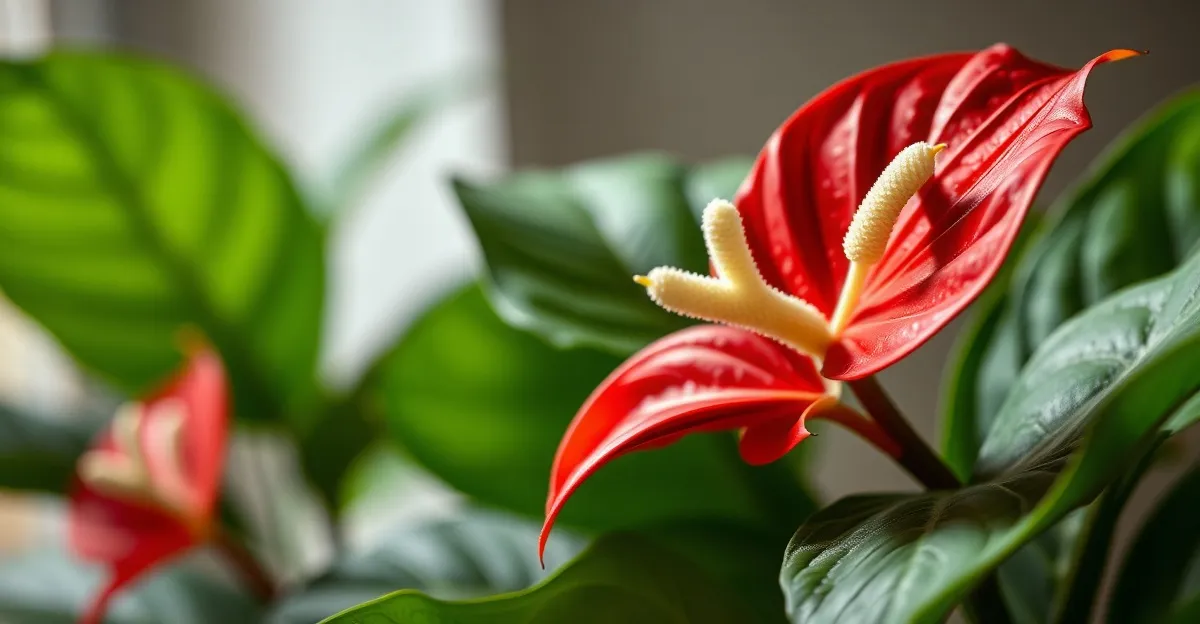
Anthurium is one of those flowers that seems to belong to the tropics in an almost elemental way. Its glossy spathe, its vivid colours, its architectural form—everything about it says tropical abundance. In Bali, anthurium is so present in hotel lobbies, spa arrangements, and garden borders that it can feel like it has always been here. But its story began far away, in the rainforests of Central and South America, and its journey to the Indonesian archipelago is a fascinating one that spans centuries of botanical exploration, colonial trade, and horticultural innovation.
Understanding where anthurium comes from adds a layer of meaning to every arrangement you see it in. It is not just a beautiful flower—it is a botanical traveller with a rich and surprising history.
Origins in the Americas
The Rainforest Birthplace
Anthurium belongs to the family Araceae, a vast group of flowering plants that includes peace lilies, calla lilies, and philodendrons. The genus Anthurium itself is enormous—scientists have identified more than 1,000 species, with estimates suggesting there may be as many as 1,400 or more still to be formally catalogued. The vast majority of these species are native to the tropical and subtropical rainforests of Central and South America, with the greatest concentration of diversity in Colombia, Ecuador, and Venezuela.
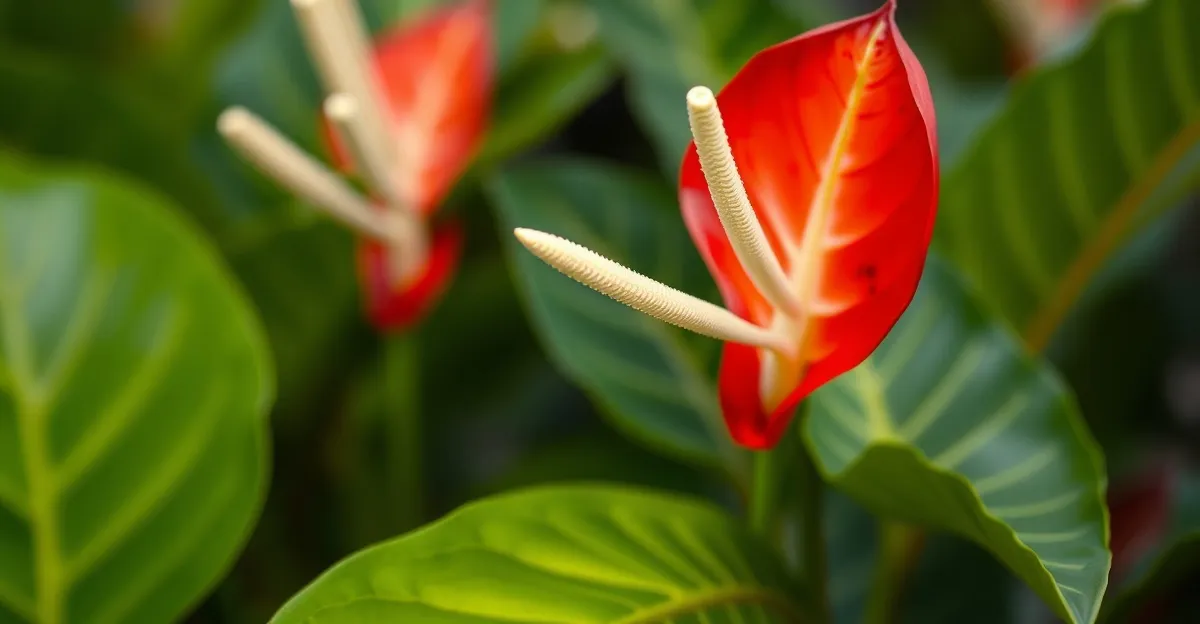
In their natural habitat, anthuriums are epiphytic or terrestrial plants that grow in humid, shaded forest environments. Many species cling to tree trunks and branches, anchoring themselves with aerial roots and drawing moisture and nutrients from the humid air and passing rainfall. This epiphytic habit is part of why they adapt so well to humid tropical climates outside their native range—including Bali.
Indigenous Knowledge and Early Use
Long before European botanists arrived in the Americas, indigenous communities in the rainforest regions where anthurium grew had established their own relationships with these plants. Some species were used medicinally for skin complaints and fevers. Others were woven into local ritual and decorative practice. The precise documentation of these uses is incomplete—much indigenous knowledge was not recorded by early European travellers—but archaeological and ethnobotanical research points to anthurium's integration into Amazonian and Andean daily life long before it became a global ornamental plant.
European Discovery and Botanical Classification
Karl Koch and the Scientific Record
The genus Anthurium was formally described by the German botanist Karl Heinrich Koch in 1860, although European naturalists had been encountering and sketching various species since the 18th century. Koch's classification pulled together a scattered body of field observations and herbarium specimens into a coherent taxonomic framework that would shape how anthurium was understood and studied for generations.
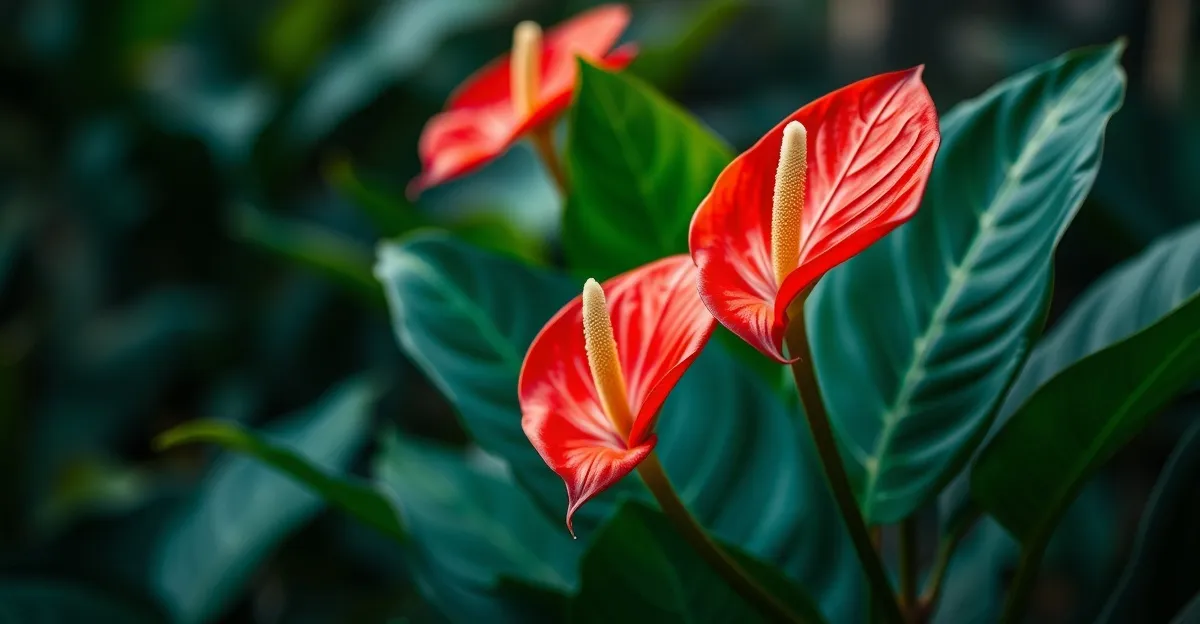
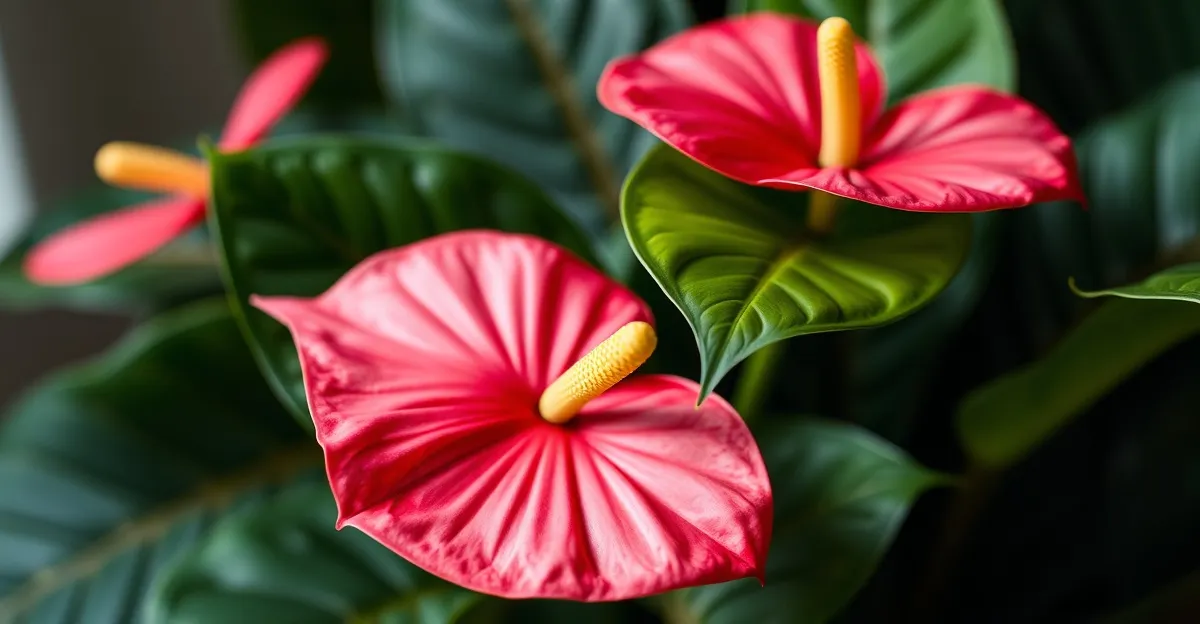
The species that would become the most commercially significant—Anthurium andraeanum, the flamingo flower with its characteristic flat, heart-shaped spathe and prominent spadix—was first formally collected and described in the 1870s. It was named after the French botanist Édouard André, who collected specimens in Colombia during an 1876 expedition.
The Victorian Fascination With Tropical Plants
The latter half of the 19th century was a golden age of botanical collecting. Victorian Britain, France, and the Netherlands sent naturalists and collectors around the globe to bring back specimens of exotic plants for display in the grand botanical gardens of Europe—Kew Gardens, the Jardin des Plantes, Leiden's Hortus Botanicus. Anthurium arrived in European greenhouses during this period and immediately attracted attention for its dramatic appearance.
The flamingo flower, with its glossy lacquered spathe and bold colouring, was unlike anything European gardeners had grown before. It became a prized greenhouse specimen, available only to the wealthy who could afford the heated winter gardens necessary to keep a tropical plant alive in a northern European climate.
The Journey to Asia
Dutch Colonial Trade and Botanical Networks
The Netherlands played a pivotal role in introducing many tropical ornamental plants to Southeast Asia. Through the Dutch East India Company (VOC) and later the colonial infrastructure of the Dutch East Indies, botanical specimens and agricultural crops were circulated throughout the colonial network. Java—the administrative heart of the Dutch East Indies—became a hub of botanical experimentation, with the Bogor Botanical Garden (Kebun Raya Bogor), founded in 1817, serving as one of the most important repositories of tropical plant knowledge in the world.
Anthurium made its way into this network during the late 19th and early 20th centuries, introduced to the Indonesian archipelago through both deliberate horticultural importation and the informal trade in ornamental plants that accompanied colonial commerce. By the early 20th century, anthurium was being grown as an ornamental across Java and Bali.
Establishment in Bali
Bali's volcanic soil, high humidity, and warm temperatures provide conditions that anthuriums find deeply congenial. The island sits at roughly 8 degrees south of the equator, and its interior highlands—particularly around Bedugul and Kintamani—offer the cool, humid mountain conditions that suit anthurium cultivation especially well. Over the course of the 20th century, anthurium moved from wealthy garden collections into commercial production, becoming a standard part of Bali's cut flower industry.
Today, Balinese anthurium growers produce both the classic flamingo flower varieties and a range of hybrid cultivars in colours from deep burgundy to soft peach. Much of this production supplies the local hospitality industry—Bali's resort hotels are among the world's most demanding customers for fresh tropical flowers.
Anthurium in the Modern Flower Industry
Hawaii and the Global Cut Flower Trade
While anthurium's Asian journey unfolded through Dutch colonial networks, a parallel story was developing in Hawaii. Anthurium andraeanum was introduced to Hawaii in 1889 and found the volcanic island's climate even more favourable than the greenhouses of Europe. By the mid-20th century, Hawaiian anthurium cultivation had grown into a significant industry, with growers developing hundreds of new hybrid varieties through deliberate breeding programmes.
Hawaiian growers pioneered many of the anthurium cultivars that are now standard in the global cut flower trade—varieties with wider, flatter spathes, more uniform colouring, and longer vase life. This horticultural work transformed anthurium from a specialist greenhouse curiosity into a globally traded commercial cut flower.
The Role of Hybridisation
Modern anthurium varieties look quite different from their wild ancestors. Generations of selective breeding have produced spathes in colours that do not exist in the wild—pure white, deep purple, two-tone pink-and-white, and even near-black. Breeders have also worked to extend vase life, which in the best modern cultivars can reach four to six weeks when properly cared for—an extraordinary longevity for a cut flower.
This breeding legacy means that when you receive an anthurium arrangement from a Bali florist today, you are looking at the result of over a century of horticultural science layered on top of millions of years of rainforest evolution. If you are curious about how colour variety shapes the meaning and mood of anthurium gifting, anthurium colors and what each one symbolises offers a detailed breakdown.

The team
your florists
weekly subscription · Bali
We write about flowers because we love them. We deliver them because someone should — properly, weekly, across Bali.
— heyflowerPay once for 3, 6, or 12 months, no auto-renewal.
Anthurium's Cultural Significance Over Time
From Rarity to Everyday Luxury
In the 19th century, owning a flowering anthurium was a symbol of wealth and horticultural sophistication. Today it sits in hotel lobbies, spa waiting rooms, and flower delivery arrangements across Bali—accessible, widely grown, and beloved for its reliability and drama. That shift from rarity to democratised luxury is a pattern that many once-exotic tropical plants have followed as global trade, improved cultivation techniques, and lower transportation costs brought them within reach of everyday consumers.
Anthurium in Indonesian Floral Culture
In Indonesia more broadly, anthurium holds a specific cultural moment in its history that is worth knowing. During the early 2000s, a national craze for rare anthurium varieties—particularly unusual leaf forms of Anthurium crystallinum and related species—drove prices to extraordinary heights. At the peak of the craze, rare anthurium specimens were reportedly changing hands for tens of millions of rupiah. The bubble eventually burst, but it left behind a lasting appreciation for anthurium as a status plant and collector's item.
This history gives anthurium an interesting dual identity in Indonesia: it is simultaneously a common commercial cut flower and a prestige collector's specimen, depending on the variety and context. For more on how this plays out in gifting situations, when not to gift anthurium: cultural considerations is a helpful companion read.
Frequently Asked Questions
Where does anthurium originally come from?
Anthurium is native to the tropical rainforests of Central and South America, with the greatest diversity found in Colombia, Ecuador, and Venezuela. The most commonly cultivated species, Anthurium andraeanum, was first formally collected in Colombia in the 1870s.
How did anthurium reach Bali?
Anthurium was introduced to Southeast Asia through Dutch colonial botanical networks during the late 19th and early 20th centuries. Bali's warm, humid climate proved ideal for cultivation, and the flower has been grown commercially on the island since the 20th century.
How many species of anthurium exist?
Scientists have formally described over 1,000 species of anthurium, and some estimates suggest the true total may be closer to 1,400 or more. The vast majority are native to tropical America.
Why are modern anthurium flowers so different from wild ones?
Modern anthurium cultivars are the result of over a century of selective breeding, particularly from Hawaiian growers who began systematic hybridisation programmes in the early 20th century. Breeders have produced varieties with wider spathes, longer vase life, and colour ranges not found in the wild.
Is anthurium grown in Bali locally?
Yes, anthurium is grown commercially in Bali, particularly in the cooler highland areas around Bedugul. Locally grown anthurium supplies both the island's cut flower market and its hospitality industry.
Experience Bali's Best Tropical Blooms With heyflower.co
At heyflower.co, we work with local Balinese growers to bring you the freshest anthurium and tropical flower arrangements on the island. Every delivery is handled with the kind of care that honours both the plant's remarkable history and the occasion you are celebrating.
Explore our arrangements and subscribe for regular deliveries at heyflower.co. Fresh flowers, rooted in Bali.
More on Anthurium