The History and Origin of the Alstroemeria
Discover the fascinating history of alstroemeria — from the Andes mountains to Bali's flower shops. A deep dive into the Peruvian lily's origins and journey.
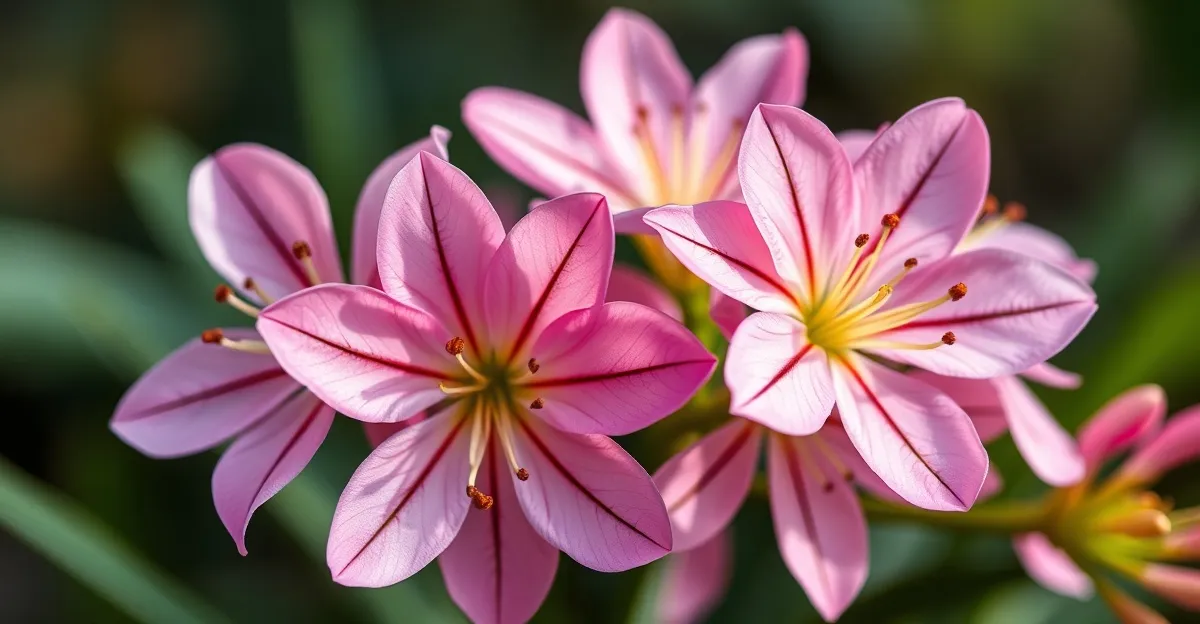
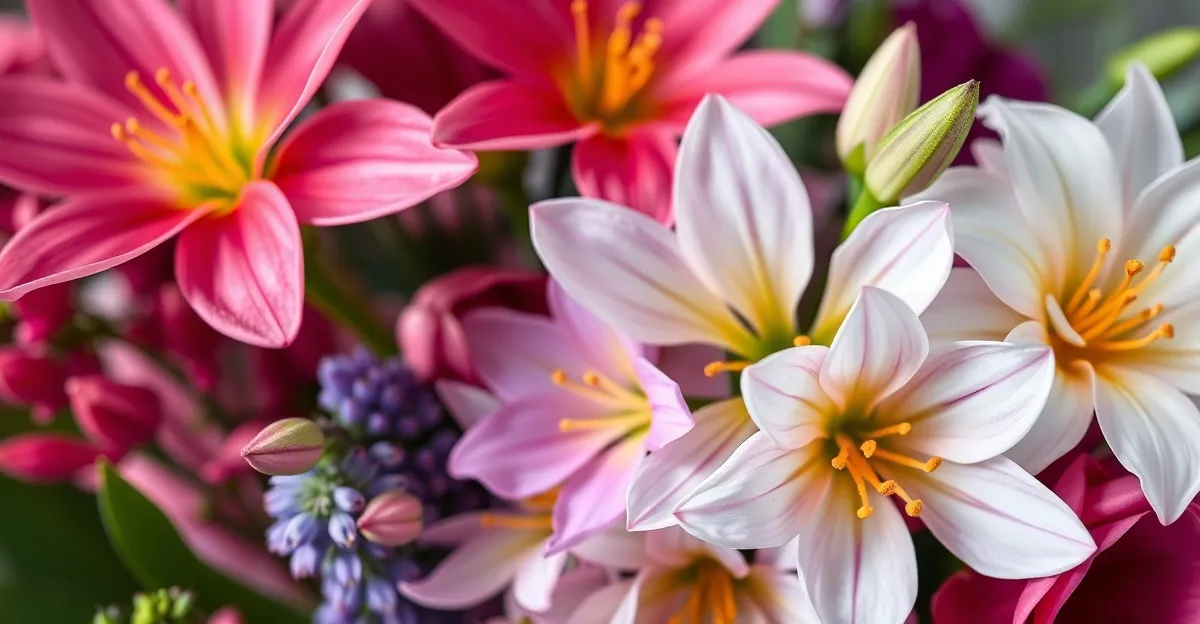
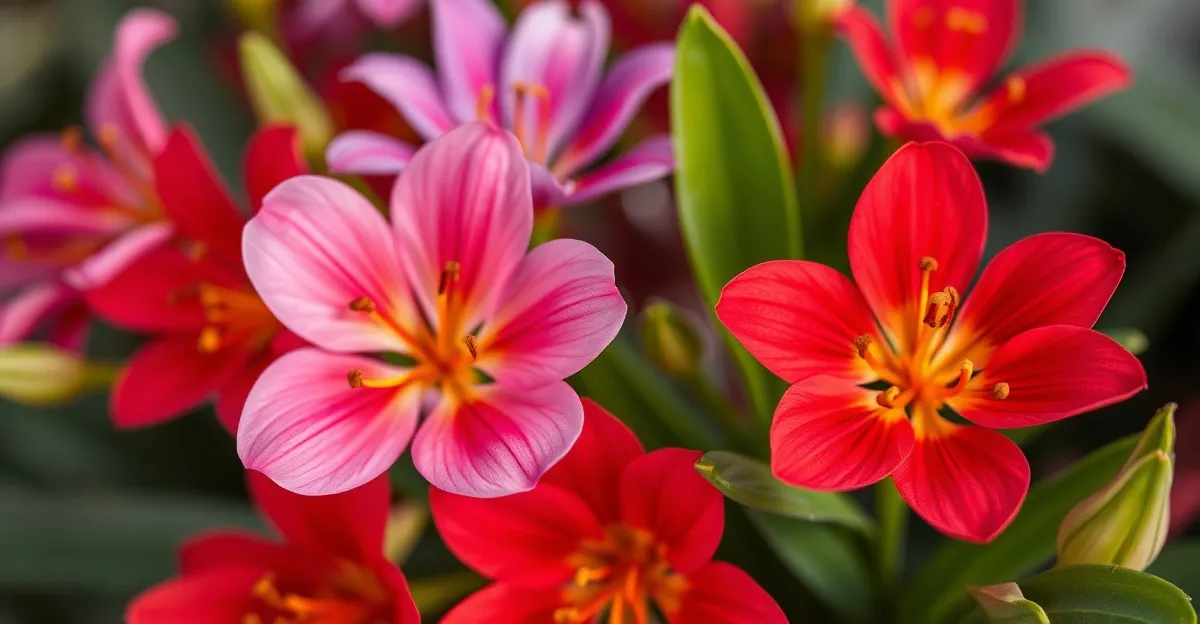
The alstroemeria has one of the more interesting origin stories in the botanical world — a journey from remote South American mountains to the laboratory of a Swedish nobleman, through the greenhouses of European royalty, and eventually into flower shops across the globe including, improbably, a small florist in Canggu, Bali. Understanding where this flower comes from explains a great deal about its character: its toughness, its preference for cool conditions, and the particular way its inner petals are marked, as if each one has been painted individually.
The Natural Habitat: The Andes Mountains
Alstroemeria is native to South America, where it grows in a range of habitats across the western part of the continent. The genus is distributed from Ecuador and Colombia in the north through Peru, Bolivia, and Chile, extending into Argentina in the south. The majority of species are found in Chile, which has the highest diversity of wild alstroemeria.
A Flower of Contrasts
What is remarkable about alstroemeria's natural habitat is how varied it is. While many species are associated with cool Andean highlands at elevations of 1,000–3,500 metres — where nights are cold, soils are well-drained, and sunlight is intense — other species have adapted to coastal maquis, low-lying wetlands, and even semi-arid environments. This ecological flexibility is part of why, with the right conditions, alstroemeria can be grown in such a wide range of climates globally.
The Twisting Leaves
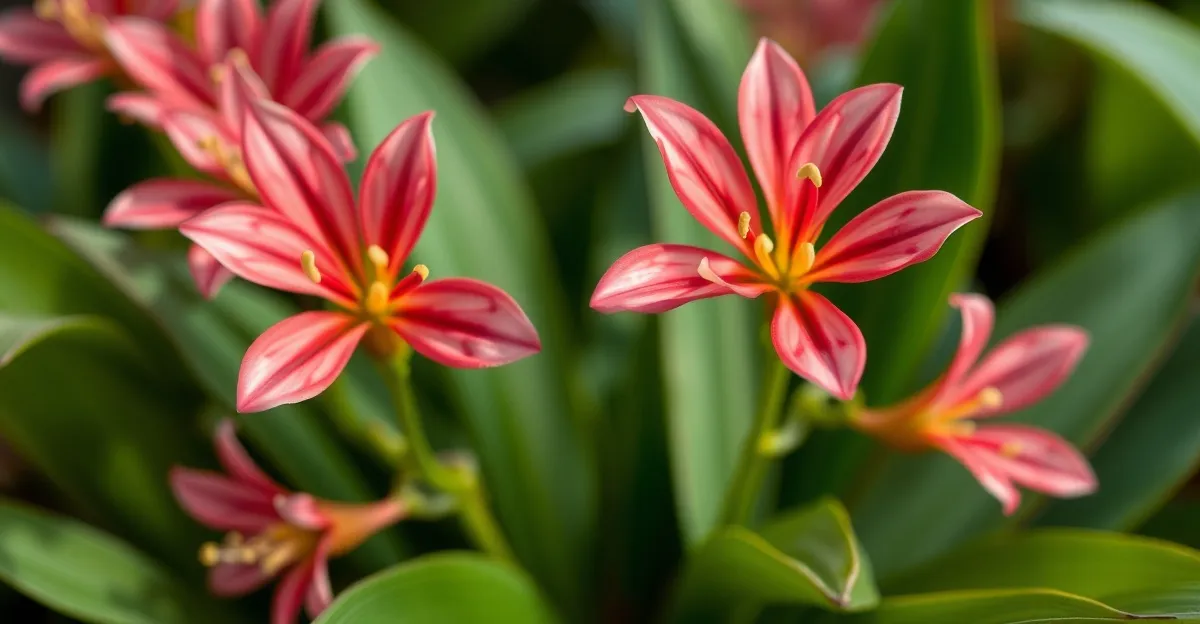
One of alstroemeria's most distinctive botanical features is its resupinate leaves — leaves that twist at the base so that what appears to be the upper surface is actually the lower surface of the leaf. This is an unusual adaptation, and it is why the leaf venation in alstroemeria looks inverted compared to most plants. Early botanists found this characteristic fascinating and distinctive, which helped draw scientific attention to the genus early in European botanical history.
The Naming: Baron Claus von Alströmer
The genus Alstroemeria was named in honour of Clas Alströmer (also spelled Claus von Alströmer), a Swedish baron and amateur botanist who was a close friend and student of the great Swedish taxonomist Carl Linnaeus.
The 18th-Century Botanical Expedition
Alströmer was one of Linnaeus's most prized students. In the 1750s and 1760s, Linnaeus was systematically cataloguing the plants of the world through networks of students — his "apostles" — who were sent to remote corners of the globe to collect specimens. Alströmer returned from travels in South America with plant specimens and seeds from Peru, which he sent to Linnaeus in Uppsala.
Linnaeus was sufficiently impressed that he named the new genus after his student and patron. The first formal botanical description of Alstroemeria was published by Linnaeus in 1762 in his work Species Plantarum, establishing the genus under his binomial naming system.
The Naming Convention
It is worth noting that the plant honours Claus Alströmer rather than being named for its place of origin — a common practice in Linnaean taxonomy for plants discovered through the patronage networks of 18th-century science. The common name "Peruvian lily" or "lily of the Incas" reflects its South American origins more directly, though botanically it is not a true lily (it belongs to its own family, Alstroemeriaceae).
From Discovery to Cultivation: The Journey to European Gardens
The 18th century saw enormous interest in exotic plants from the Americas, and alstroemeria quickly attracted attention from European horticulturists and aristocratic garden owners.
Early European Cultivation
By the late 18th century, alstroemeria species were being cultivated in European botanical gardens and private greenhouses. They were initially treated as exotic hothouse specimens — requiring protection from European winters and careful management of moisture and temperature. The flowers attracted interest for their unusual spotted markings, their extraordinary colour range, and their durability as cut flowers, which was noted early.
The 19th Century: A Victorian Favourite
During the Victorian era, when flower symbolism was at its most elaborate and the language of flowers was a sophisticated cultural code, alstroemeria established itself as a symbol of friendship, devotion, and lasting bonds. The striped inner markings of the petals were romanticised as representing the trials and challenges that strengthen relationships — a reading that gave the flower an emotional narrative that helped cement its popularity.
Victorian plant breeders began developing hybrid varieties, selecting for flower size, colour variation, and disease resistance. By the second half of the 19th century, alstroemeria had moved from greenhouse curiosity to established garden favourite in Britain and continental Europe.
The Modern Era: Cut Flower Revolution
The real transformation of alstroemeria from garden flower to global commercial cut flower happened in the second half of the 20th century.
Dutch Breeding Programs
The Netherlands, which dominates the global cut flower trade through the enormous Amsterdam flower auction, became the centre of intensive alstroemeria breeding programs from the 1960s onward. Dutch breeders developed hybrid varieties specifically optimised for cut flower production: long stems, compact clusters, extraordinary colour range, and above all, extended vase life.
The vase life improvements were dramatic. Early alstroemeria varieties lasted perhaps five to seven days. Modern Dutch hybrids regularly achieve fourteen to twenty-one days in optimal conditions — making them one of the longest-lasting cut flowers commercially available.
The Colombian and Ecuadorian Expansion
From the 1970s onward, as cut flower growing shifted toward lower-cost tropical highlands — particularly in Colombia and Ecuador — alstroemeria became a major export crop. The Colombian Andes, at elevations similar to the flower's native Andes habitat, proved ideal for commercial production. Colombia is now one of the world's largest exporters of alstroemeria alongside the Netherlands.
Indonesia's Domestic Supply Chain
Within Indonesia, alstroemeria production developed in the highland areas of West Java — particularly around Bandung and Lembang — where altitude-cooled conditions approximate the flower's preferred growing climate. This domestic supply chain makes alstroemeria available at accessible prices in Indonesian markets, including Bali.
For context on how this compares to other flowers with fascinating botanical histories, the history and origin of the lily traces a parallel journey from ancient Mediterranean cultures through modern floristry.

The team
your florists
weekly subscription · Bali
We write about flowers because we love them. We deliver them because someone should — properly, weekly, across Bali.
— heyflowerPay once for 3, 6, or 12 months, no auto-renewal.
Alstroemeria in Contemporary Floristry
Today, Alstroemeria is grown commercially in over 30 countries and is one of the most-traded cut flowers globally. The genus now includes around 120 known species and hundreds of cultivated hybrids.
What Makes It Special for Florists
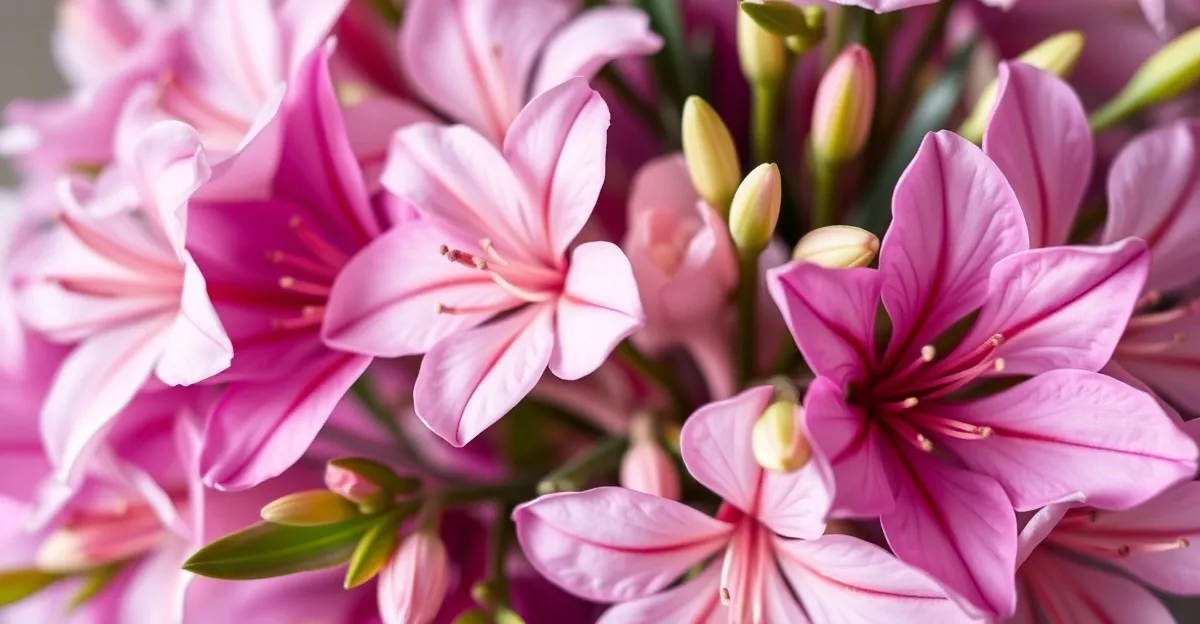
For working florists, alstroemeria offers a combination of qualities that few flowers match: colour versatility, long vase life, good availability throughout the year, relatively gentle pricing, and an ease of combination with virtually any other bloom. It is the florist's reliable friend — always there, always performative, always appreciated.
The Meaning Endures
Perhaps what is most durable about alstroemeria is that its Victorian symbolism of friendship and devotion has not faded in the way that some flower meanings have. People who know nothing about Victorian flower language still tend to feel that alstroemeria is a warm, friendly, enduring kind of flower. That quality — built into the flower's character over centuries of cultivation and use — is part of what makes it a pleasure to work with.
Frequently Asked Questions
Is alstroemeria related to real lilies?
No. Despite being commonly called the Peruvian lily or lily of the Incas, alstroemeria belongs to its own botanical family, Alstroemeriaceae. True lilies belong to the family Liliaceae. The visual resemblance is there, but the botanical relationship is distant.
How many species of alstroemeria exist?
Around 120 wild species are recognised, with Chile having the highest concentration. However, most flowers sold commercially are complex hybrids developed from multiple species, and the number of named cultivars runs into the hundreds.
Did the Incas use alstroemeria in their culture?
Alstroemeria grew across Inca-controlled territories in the Andes, and it is likely the flower was familiar to Andean peoples for centuries before European discovery. However, documented records of specific Inca cultural use are limited, and much of the association with Inca culture in flower marketing is somewhat romanticised.
When did alstroemeria first arrive in Bali?
Alstroemeria arrived in Bali's commercial flower market relatively recently — as part of the expansion of the Indonesian domestic cut flower trade in the late 20th century, alongside the island's growth as a tourism and hospitality destination. It would not have been a common flower here before the 1980s.
Why does the name sometimes appear as "alstroemeria" and sometimes as "alstroemeria"?
Both spellings appear in usage, reflecting the original Swedish surname Alströmer. The most botanically correct transliteration is "Alstroemeria" but common usage varies. In Indonesian floristry, alstroemeria is the standard spelling.
From the cloud forests of the Andes to the warmth of a Canggu villa reception — the journey of alstroemeria through human history is a testament to how a beautiful, durable flower finds its way to wherever people gather to celebrate the moments that matter. Explore our current alstroemeria arrangements at heyflower.co, delivered across Bali seven days a week.
More on Alstroemeria