How to Care for Alstroemeria in Bali's Humid Climate
Alstroemeria is one of the longest-lasting cut flowers even in Bali's tropical climate. Here's how to get the full two weeks from these remarkable blooms.
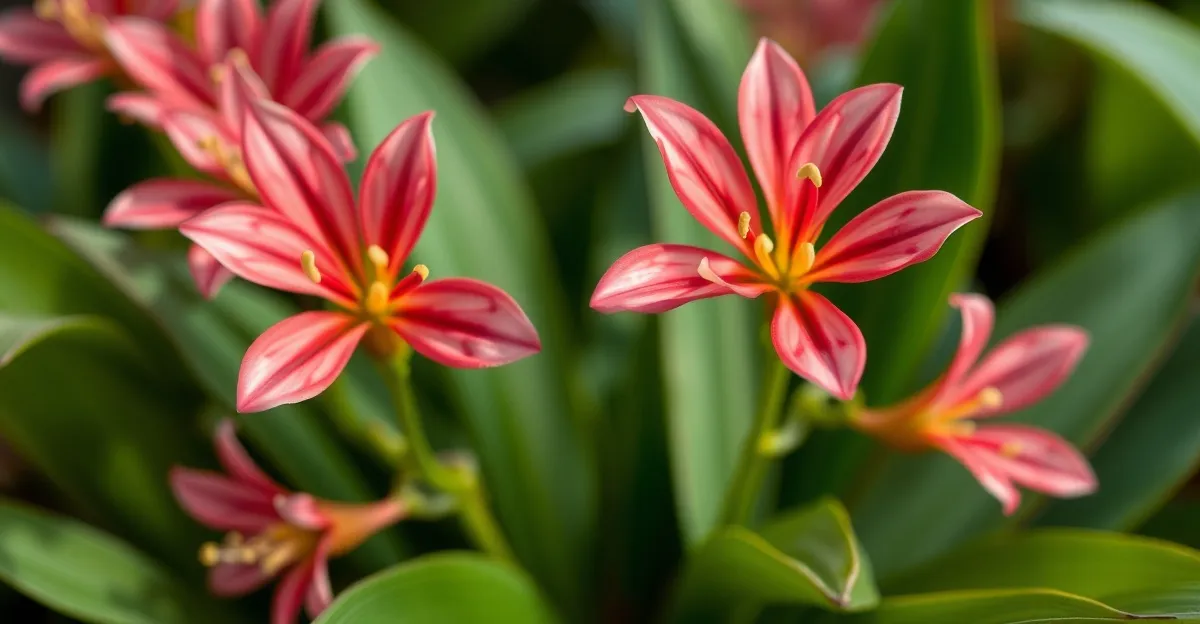
Alstroemeria is the sleeper hit of the cut flower world. While more glamorous flowers like ranunculus and peonies get the headlines, alstroemeria quietly delivers something that matters just as much: exceptional lasting quality. In Bali's tropical climate, where many cut flowers struggle past the first week, alstroemeria genuinely earns its keep — lasting 10 to 14 days in an air-conditioned interior with proper care.
That longevity isn't accidental. It's a function of alstroemeria's biology and some specific properties that make it more heat-resilient than many alternatives. But "more resilient" doesn't mean "indestructible" — Bali's heat and humidity still require thoughtful care to get the most from these flowers. This guide covers everything you need to know.
Why Alstroemeria Lasts Well in Tropical Conditions
Alstroemeria (Alstroemeria spp.) has several biological properties that give it an edge as a cut flower in tropical conditions:
Thick, waxy petals: Compared to ranunculus or sweet peas, alstroemeria's petals are relatively thick and waxy, which reduces moisture loss through evaporation. This is particularly valuable in Bali's climate, where the combination of heat and sometimes low interior humidity (in air-conditioned spaces) can dry out delicate flowers quickly.
Strong, hollow stems: Alstroemeria stems are relatively sturdy and hollow, allowing for efficient water uptake. This structural advantage means the flower can continue hydrating effectively even as conditions become challenging.
Multiple buds per stem: Each alstroemeria stem carries five to seven blooms in various stages of development. As earlier blooms fade, new ones open, extending the arrangement's overall visual life — even if individual flowers last only a few days each.
Lower ethylene sensitivity: Alstroemeria is relatively less sensitive to ethylene gas (which accelerates aging in many flowers) than species like roses or carnations, making it more robust in situations where ethylene exposure is difficult to control.
Essential Care Practices for Bali's Climate
On Arrival: The First Steps Matter Most
The care you give alstroemeria in the first hour after receiving it significantly affects how long it lasts.
Recut stems immediately: Cut each stem at a 45-degree angle under running water, removing 2–3cm from the base. This opens fresh vascular tissue and removes any air lock or bacterial blockage that formed during transit. Do this under running water rather than in open air to prevent new air locks.
Remove all foliage below the waterline: Alstroemeria typically arrives with leaves on the stems, and any leaves sitting below the waterline will rot within 24–48 hours in Bali's temperatures. Rotting foliage is the primary driver of bacterial growth in vase water. Strip these leaves before placing stems in the vase.
Use a clean vase: Bacteria in an unclean vase will colonise fresh water quickly. Wash the vase with a solution of one part bleach to ten parts water, then rinse thoroughly with clean water before filling.
Start with fresh, cool water: Room temperature water is fine; avoid very cold water. If you have a commercial flower food sachet, add it now — it contains nutrition, an acidifier, and a biocide that collectively extend vase life.
Daily Maintenance
Change the water every day: In Bali's ambient temperatures (even with air conditioning), bacteria multiply in vase water within 24 hours. Daily water changes prevent this bacterial buildup from blocking stem vascular tissue. Each time you change the water, recut stems by a few millimetres to maintain fresh uptake points.
Clean the vase with each water change: A quick rinse and wipe removes bacterial buildup from vase walls. Don't allow the vase to go more than two days without proper cleaning.
Remove spent blooms promptly: As individual blooms fade and drop from the stems, remove them from the arrangement and clean any fallen petals from the vase and water. Decomposing petals accelerate bacterial growth.
Positioning in Bali's Environment
Air conditioning is the single biggest factor: The difference in alstroemeria vase life between an air-conditioned interior (22–25°C) and outdoor ambient Bali temperature (30–33°C) is roughly three to five additional days. If you have air conditioning, keep your arrangement in the air-conditioned space.
Away from direct sun: Even through a window, direct sun causes petal bleaching, petal drying, and water heating in the vase. Position arrangements where they receive bright, indirect light.
Away from air conditioning vents: Vents direct dry, cool air that dries petals even faster than warm air does. Place arrangements away from vents to avoid this specific form of moisture stress.
Away from ethylene sources: Keep arrangements away from fruit bowls (particularly apples, bananas, and pears), ripening vegetables, and other flowers that produce ethylene as they age. Even with alstroemeria's relative ethylene tolerance, chronic exposure still shortens life.
Away from ceiling fans: Constant airflow, while helpful in many Bali contexts, accelerates moisture loss from petals. Ceiling fans don't help cut flowers.
Understanding Alstroemeria's Bloom Cycle
Unlike hibiscus (where each bloom lasts only one day) or roses (where the bloom opens and holds), alstroemeria operates as an arrangement that evolves over its lifespan. Understanding this rhythm helps you appreciate the arrangement at each stage.
Days 1–3: Earlier buds from the stem open while tighter buds remain closed. The arrangement has a mix of open flowers and upcoming blooms — dynamic and changing.
Days 4–7: The arrangement is at its most abundant. All or most blooms have opened, creating maximum visual impact. Some earlier blooms may be at their most full-face; newer blooms are still fresh.
Days 8–10: Earlier blooms begin to drop petals. New blooms from buds that were tight on arrival may still be opening. The arrangement is past its peak but still has beauty.
Days 11–14: The final phase. The freshest buds that opened last are still presentable. Earlier blooms are fading. With good care in air conditioning, you can realistically reach this point.
Dealing with Common Problems
Wilting Before Expected
If alstroemeria wilts faster than expected, check:
- Is the vase water cloudy or smelling? This indicates bacteria have blocked stem vascular tissue. Recut all stems under running water, change to completely fresh water, and clean the vase thoroughly.
- Is the arrangement in direct sun or near a heat source? Move to a cooler location.
- Were leaves removed from below the waterline? If not, do this now.
Petals Turning Brown at Edges
This typically indicates either ethylene exposure or air dryness stress. Check for nearby fruit and remove. If the room is particularly dry from air conditioning, a light fine-mist of water on petals (not stems) once daily can help.
Buds Not Opening
Very tight buds that don't open despite fresh water are either too immature (harvested too early before being ready to open as cut flowers) or have been exposed to excessive cold during transit. Place the arrangement in a slightly warmer location for 24 hours — not direct sun, but warmer than the air conditioning setting. Slightly warmer water can also help encourage bud development.

The team
your florists
weekly subscription · Bali
We write about flowers because we love them. We deliver them because someone should — properly, weekly, across Bali.
— heyflowerPay once for 3, 6, or 12 months, no auto-renewal.
Alstroemeria vs. Other Popular Flowers in Bali's Heat
| Flower | Expected Life in Air-Conditioned Interior | | ------------------- | ----------------------------------------- | | Alstroemeria | 10–14 days | | Anthurium | 14–21 days | | Orchid (dendrobium) | 10–14 days | | Bird of paradise | 7–14 days | | Ranunculus | 7–10 days | | Garden rose | 5–8 days | | Lily | 5–7 days | | Hibiscus | 3–5 days (arrangement) |
Alstroemeria's position in this table is genuinely impressive. It competes with orchids and approaches anthurium in longevity while offering a warmer, more classically floral quality than either.
Is Refrigeration Worth It?
For alstroemeria, brief refrigeration can be useful — particularly during Bali's dry season peak when temperatures reach 33–35°C even in sheltered indoor spaces. Placing the arrangement in the coolest part of the refrigerator overnight (especially during extended heat periods) can add one to two days to overall life.
Caveats: avoid storing near ethylene-producing fruit; don't let the arrangement get below 5°C (which can damage tropical-adapted stems); and remove from the fridge in the morning so the blooms can open in normal conditions.
This isn't a necessary practice for most Bali conditions with air conditioning — it's primarily useful during particularly hot periods or if your air conditioning isn't working well.
Frequently Asked Questions
Do I need to remove all the leaves from alstroemeria stems?
Remove only the leaves that will sit below the waterline. Leaves above the waterline can remain and actually contribute to the arrangement's overall beauty. The key is ensuring no submerged foliage is decomposing in your vase water.
Why are the leaves on my alstroemeria twisted?
This is completely natural and not a sign of poor health. Alstroemeria's leaves undergo resupination — they rotate 180 degrees along the stem, causing them to appear twisted or growing upside down compared to the stem's orientation. This is a normal botanical characteristic of the species.
Can I use alstroemeria from a bouquet in a new arrangement?
Yes — when refreshing an arrangement, remove any spent alstroemeria blooms but keep stems with unopened or freshly opening buds. Recut the stems, change the water, and the remaining good stems can continue in a refreshed arrangement.
What's the best vase type for alstroemeria in Bali?
Any clean vase works well. Alstroemeria has relatively long, straight stems that work in tall vases as single-stem groupings or in shorter, wider vases for more horizontal arrangements. For Bali's aesthetic, clear glass vases that show the clean stems are popular, as are earthy ceramics that complement the tropical setting.
Is alstroemeria pollen a problem for allergies?
Alstroemeria pollen is much less of an allergy trigger than lily pollen (which is notorious for staining and allergies). Some people with specific sensitivities may react, but in general it's considerably safer than true lilies. The stamens can be removed if you're concerned — this also extends the flower's life by redirecting energy.
Two Weeks of Beauty in Your Bali Home
Alstroemeria's combination of extraordinary longevity, rich symbolic meaning, and genuine visual beauty makes it one of the most rewarding flowers to have in your Bali home. With the care practices described here, you can realistically enjoy 10 to 14 days of beautiful blooms from a single arrangement — a return on your investment that few other flowers can match.
At heyflower.co, we include alstroemeria in many of our mixed arrangements precisely because of its longevity and beauty. Explore our seasonal collections or set up a flower subscription for regular deliveries of fresh tropical arrangements to your Bali home. For more on gifting alstroemeria, see our full alstroemeria meaning and symbolism guide.
More on Alstroemeria