Sweet pea in Balinese ceremonies: traditional uses in Bali
Sweet peas aren't native to Bali's ceremonial flower tradition, but they've found a place in modern Balinese celebrations. Here's where they fit and where they don't.
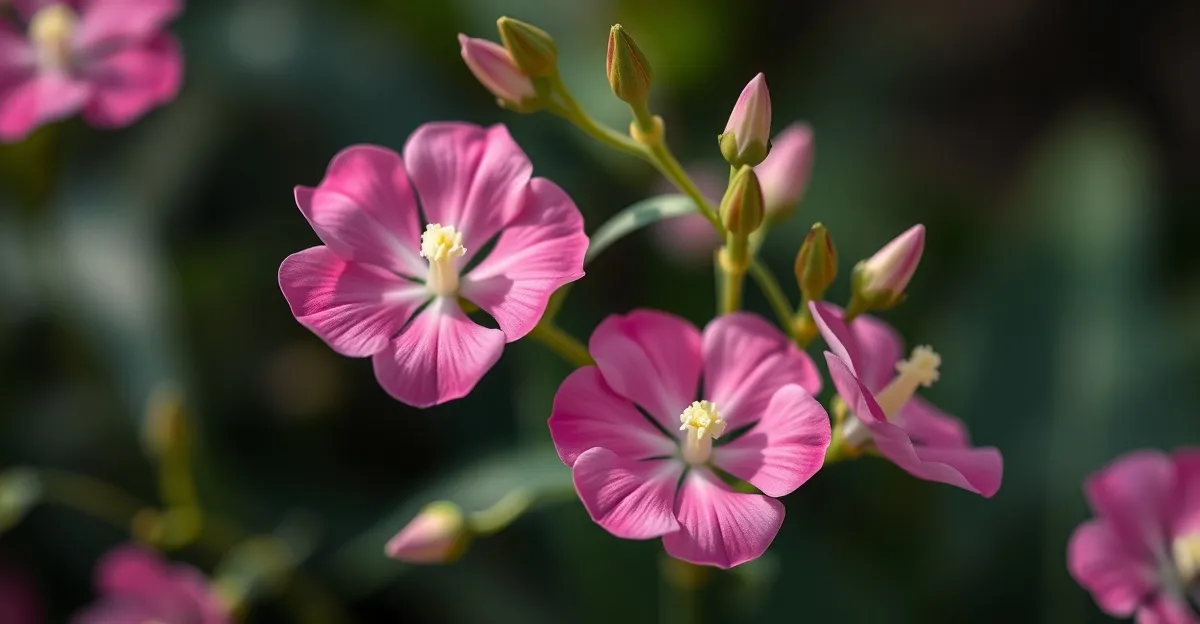
Bali has one of the world's most sophisticated flower cultures. The island's Hindu-Balinese tradition places flowers at the centre of daily spiritual life — in the small canang sari offerings placed at doorsteps each morning, in the elaborate banten offerings at temple ceremonies, in the flower headdresses worn at weddings and coming-of-age rituals, in the flower-strewn processions of a ngaben cremation. Flowers are not decoration in Bali. They are communication.
Sweet peas, however beautiful and fragrant, are newcomers to this tradition. They arrived in Bali's flower markets relatively recently — a product of the island's growing wedding industry and the demand from tourists and expatriates for flowers that feel European and romantic. Understanding where sweet peas sit within Bali's ceremonial flower culture requires understanding both the tradition they're entering and the ways that tradition is adapting.
The traditional Balinese ceremonial flower vocabulary
To understand sweet peas' place, you first need to understand which flowers traditionally dominate Balinese ceremony.
Frangipani (jepun): The most sacred flower in Bali, used in virtually every ceremony. White frangipani represents purity and spiritual offering. The scent of frangipani is inseparable from the smell of Balinese religion.
Marigold (gemitir): Used extensively in offerings for its bright yellow and orange colours, which represent specific directional deities in the Hindu-Balinese cosmology. Bali is one of the largest marigold producing areas in Southeast Asia — see can marigold grow in Bali for more on this local crop.
Jasmine (melati): White jasmine is used in both religious offerings and secular celebrations. It's threaded into hair, woven into garlands, and included in many offering types. Its fragrance is associated with purity.
Hibiscus (pucuk): Red hibiscus has ceremonial significance in Balinese tradition. Yellow hibiscus is specifically associated with certain ceremony types.
Water lily and lotus (teratai): Associated with deities and used in specific high-level ceremonies.
Sweet peas appear nowhere in this traditional vocabulary. They are a cool-season European plant that has no historical presence in Bali's agricultural or spiritual landscape.
Where sweet peas have entered modern Balinese celebrations
Despite their absence from traditional ceremony, sweet peas have found genuine footing in certain contemporary celebration contexts in Bali.
Wedding reception decor. The distinction matters here: the traditional Balinese pawiwahan ceremony uses traditional flowers, but the reception — often a hybrid event serving both Balinese family and international guests — increasingly incorporates contemporary florals. Seminyak and Ubud wedding receptions at villas and boutique hotels regularly feature sweet peas in table arrangements, bud vases, and floral installations.
Hotel and resort welcome decorations. Many of Bali's luxury resorts — particularly in Nusa Dua, Jimbaran, and Seminyak — use sweet peas in room welcome arrangements during dry season when they're available. These aren't ceremonial uses in the religious sense, but they're meaningful hospitality gestures.
Modern sukacita (joy) celebrations. Balinese culture has a strong tradition of communal celebration for births, birthdays, engagements, and professional achievements. These celebrations are increasingly styled with contemporary florals alongside traditional elements. A family in Kerobokan might have a traditional canang offering at the family temple while also ordering a contemporary floral arrangement including sweet peas for the reception table.
Ngaben support flowers. While sweet peas are not appropriate as primary cremation flowers (which remain traditional), some families in more cosmopolitan areas of Bali have incorporated contemporary cut flower arrangements in the reception area for guests attending a ngaben. Sweet peas would be used here as general decoration rather than ritual offering.
The ceremony of canang sari and why sweet peas don't fit
The daily canang sari offering — a small palm-leaf tray containing flowers, rice, incense, and sometimes small food offerings — is the most visible expression of Balinese Hindu faith. Every morning, Balinese Hindu women (primarily) place these offerings at household shrines, doorsteps, and sacred points throughout their property.
The flowers chosen for canang sari are selected by colour according to the four cardinal directions:
- White flowers for east (Iswara)
- Red flowers for south (Brahma)
- Yellow flowers for west (Mahadewa)
- Mixed/dark flowers for north (Wisnu)
Sweet peas can technically provide white and purple-pink colours, but they're simply not the right flower for this offering. The flowers used in canang sari are typically inexpensive, locally available, and specifically associated with the tradition — white frangipani, red hibiscus, yellow marigold. Sweet peas are a premium imported flower. Using them in canang sari would be unusual at best, and most Balinese would find the choice odd rather than reverential.
Odalan temple anniversary ceremonies
Odalan ceremonies, which celebrate the anniversary of a temple's founding according to the 210-day Balinese calendar, are among the most elaborate ceremonial occasions on the island. The floral decorations at an odalan are highly specific — elaborate arrangements of traditional flowers woven into symbolic forms, stacked offering towers (gebogan), and flower-strewn temple courtyards.
Sweet peas would not appear in a traditional odalan setting. However, if you're attending an odalan as a guest and want to bring a gift, a contemporary floral arrangement (including sweet peas) as a personal gift to the host family is entirely appropriate — it just wouldn't be used in the ceremonial context itself. For more on odalan traditions, the odalan temple anniversaries guide covers the ceremonial flower traditions in detail.

The team
your florists
weekly subscription · Bali
We write about flowers because we love them. We deliver them because someone should — properly, weekly, across Bali.
— heyflowerPay once for 3, 6, or 12 months, no auto-renewal.
Sweet peas in the context of Bali's evolving flower culture
Bali's flower culture is not static. It has absorbed influences from across Indonesia and from the island's historical trade connections with India, China, and Java. The addition of sweet peas to the contemporary Balinese floral palette is simply the latest layer of this ongoing evolution.
What's notable is how gracefully this happens in Bali. Traditional ceremony continues with its specific flowers, unchanged and deeply meaningful. Contemporary celebrations layer on top, incorporating international aesthetics. A Balinese family can have a completely traditional temple ceremony and then a reception with sweet pea centrepieces, and neither element diminishes the other. The two floral vocabularies coexist without tension.
For visitors and expatriates, understanding this distinction — that sweet peas are appropriate for the secular celebration layer but not the sacred ceremony layer — is the key to navigating Bali's floral culture thoughtfully.
FAQ
Are sweet peas used in traditional Balinese Hindu ceremonies? No. Sweet peas are not part of the traditional Balinese ceremonial flower vocabulary, which centres on frangipani, marigold, jasmine, and hibiscus. They're a modern import used in contemporary celebrations rather than religious ceremonies.
Can I bring a sweet pea bouquet to a temple ceremony? As a personal gift to the host family, yes. As an offering for the ceremony itself, no — use traditional flowers. Most Balinese would find a sweet pea offering unusual; it's not offensive, just culturally incongruous.
Are sweet peas used at Balinese weddings? At the traditional pawiwahan ceremony, no. At the reception, particularly for cosmopolitan or mixed-culture events, increasingly yes. Sweet peas are a popular choice for Bali wedding receptions, particularly in Seminyak, Ubud, and Canggu.
Do Balinese people appreciate sweet peas as gifts? Yes, generally. The fragrance in particular tends to be appreciated. For personal gifting — birthdays, housewarming, congratulations — sweet peas are a warm and well-received choice for Balinese recipients.
Where can I find sweet peas in Bali during ceremony season? Ceremony season in Bali is concentrated around major holidays on the Balinese calendar (Galungan, Kuningan, Nyepi, various odalan cycles). During these periods, demand for traditional flowers spikes. Sweet peas are imported flowers and may actually be easier to source than traditional ceremonial flowers during peak ceremony periods. Ask your florist about availability.
Ready to bring fresh flowers to your Bali home or event? Explore our weekly flower subscription and get handpicked blooms delivered to your door every week.
More on Sweet pea