Sustainable flower care: reducing waste at home
Fresh flowers don't have to mean waste. Learn how to extend vase life, compost properly, and make sustainable choices when enjoying flowers in Bali.
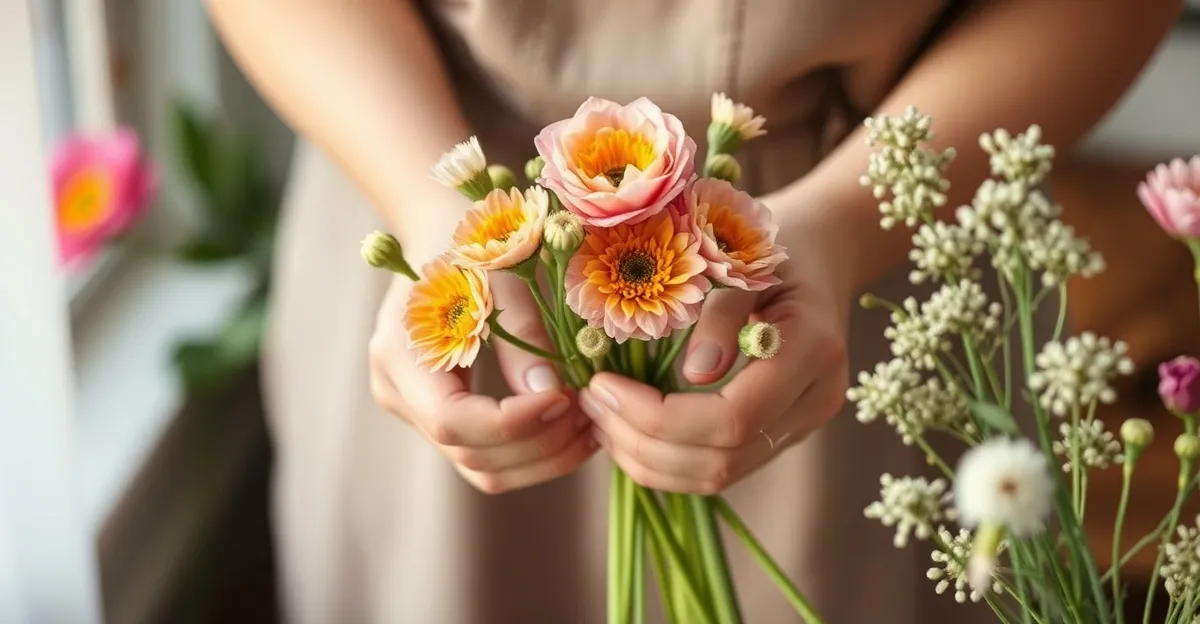
Flowers are biodegradable and beautiful, but the way most people care for them — or don't — creates unnecessary waste. Flowers tossed after three days when they could have lasted eight. Packaging thrown straight in the bin. Vase water dumped rather than used. In Bali, where environmental consciousness is growing alongside the island's tourism and expat communities, these small choices add up.
Sustainable flower care isn't about giving up the pleasure of fresh flowers. It's about being thoughtful with them — making them last longer, wasting less, and using what remains productively.
The biggest sustainability win: making flowers last longer
The most sustainable flower choice is a long-lasting one. A bouquet that lives in your home for ten days uses far fewer resources — in terms of flowers grown, water used in cultivation, transport energy — per day of enjoyment than a bouquet that wilts in four.
The foundation of this is proper care: fresh water daily (especially important in Bali's heat), clean vases, proper stem cuts at 45 degrees, and placement out of direct sun and heat. These steps aren't complicated, but they dramatically extend vase life. See our full guide on when to change the water in your flower vase for the optimal routine in tropical conditions.
Beyond basic care, a few additional steps make a meaningful difference:
Buy flowers in bud. Tight buds have more display life ahead of them than fully open blooms. In Bali's markets, you can often choose between various stages of opening — always choose the tighter option for longer vase life.
Choose locally grown varieties. Flowers grown in the Bedugul highlands or other Bali farming areas travel shorter distances to reach florists in Denpasar, Seminyak, or Ubud. Less transport time means fresher flowers and lower emissions. Locally grown also means you're supporting Bali's farming communities rather than flowers imported from Java or further afield.
Avoid foam. Floral foam (oasis) is a single-use petroleum-based plastic product that never decomposes. It's still common in traditional floral design, but many florists are moving away from it toward water-based arrangements, chicken wire, or natural materials. Ask your florist to use foam-free alternatives if possible.
Composting flowers properly in Bali
When flowers are genuinely spent, composting is the obvious next step — they're plant material that will break down effectively. In Bali's warmth, composting happens faster than in temperate climates.
What to compost: Spent flower stems and petals, foliage, and any natural packaging materials (tissue paper, newspaper, kraft paper, natural twine). Basically anything organic without synthetic dyes or coatings.
What not to compost (or compost carefully): Flowers treated with synthetic pesticides or chemical preservatives ideally shouldn't go into compost that will be used for food gardens. For most flowers bought from Balinese market vendors and local florists, pesticide levels are low enough not to be a concern for general garden composting. Flowers from commercial commercial supply chains may have higher chemical treatment levels.
Bali composting options:
- Many villas and home gardens have composting systems or kitchen compost bins
- Bali's organic waste pickup services in areas like Canggu, Seminyak, and Ubud increasingly include separate organic waste collection
- If you don't have composting access at home, flower waste can go in organic waste bins for municipal composting
Stem material from thick tropical flowers (heliconias, birds of paradise) takes longer to break down — chop stems into smaller pieces before composting to speed the process.
Repurposing vase water
Every time you change vase water, you're discarding water that contains dissolved plant compounds — essentially dilute organic fertilizer. Rather than pouring this down the drain, vase water can be used to water garden plants or potted plants around your home.
The dissolved organic matter and trace minerals from stems are mildly beneficial to soil health. It's not a rich fertilizer but it's not harmful either, and using it for plants means the water has a second purpose before it's discharged.
One caveat: if you've used commercial flower food sachets in the water, the biocide components may be mildly harmful to soil microbiomes in large quantities. Use vase water treated with flower food sparingly on garden beds but freely on hard surfaces (steps, paths) where it can evaporate rather than entering soil.
Sustainable packaging choices
When buying flowers in Bali, the packaging waste varies enormously. A bouquet wrapped in multiple layers of cellophane, plastic bags, and ribbon generates significant plastic waste for a short-lived wrapping. A bouquet in kraft paper with natural twine generates only recyclable or compostable materials.
You can ask your florist for minimal or paper-only packaging if you're collecting in person. For delivery, explain your preference — many florists are happy to accommodate, particularly those catering to environmentally conscious customers.
Cellophane is technically recyclable but rarely actually collected for recycling in Bali. Kraft paper is more reliably compostable and widely used by quality florists already.
Extending flowers' life for secondary uses
Even flowers past their vase prime have secondary uses worth considering before composting:
Petals in the bath: Rose petals, frangipani, and hibiscus petals that are slightly aging but still fragrant and colorful make beautiful additions to a bath. This is standard practice at Bali's spa culture and something easily replicated at home. The petals don't need to be perfect for this — just fragrant and clean.
Dried petal potpourri: Spread spent petals on a tray and let them dry completely in a warm, ventilated spot. Once fully dry, they retain some fragrance for months in a bowl or fabric sachet. Frangipani petals are particularly good for this.
Table scatter: Fresh petals from roses or large tropical flowers can be scattered on dining tables before a dinner party, along pathways for an event, or placed decoratively in bowls. This uses flowers at the moment they're most beautiful and extends their purpose beyond the vase.
Pressing and preserving: Flowers that are still fresh enough but would otherwise be discarded from a changing arrangement can go into a flower press rather than compost. See our guide on pressing tropical flowers: a beginner's guide for details.

The team
your florists
weekly subscription · Bali
We write about flowers because we love them. We deliver them because someone should — properly, weekly, across Bali.
— heyflowerPay once for 3, 6, or 12 months, no auto-renewal.
Choosing a sustainable florist in Bali
Sustainable practices among Bali florists are growing. Some things worth asking when choosing a florist:
- Do they use locally sourced flowers when possible?
- Do they offer foam-free arrangements?
- What packaging materials do they use — is paper an option over plastic?
- Do they have any relationship with local highland farmers?
A florist who can answer these questions positively has thought about their impact beyond just making beautiful arrangements. These are the businesses worth supporting.
FAQ
Is a flower subscription more sustainable than buying bouquets individually? Generally yes — subscriptions enable better supply chain planning. A florist who knows they're delivering to regular customers can order more precisely from growers, reducing unsold and wasted stock. Individual one-off purchases involve more unpredictable demand and often more waste at the florist level.
What about the water used in flower farming? Cut flower cultivation is water-intensive. Choosing flowers grown in Bali (where highland growing areas have adequate rainfall) over imported flowers involves less water in arid growing regions. It's not a perfect calculation, but local sourcing is generally a more sustainable choice overall.
Can I plant bulbs or rhizomes from store-bought flowers? Some bulb flowers (like lilies) can have their bulbs replanted after the cut flower is spent. This only works for flowers that still have their root bulb attached, which is rare for cut flowers. Tropical rhizomes (ginger family flowers) occasionally can be propagated this way if they're fresh enough.
Are there Bali flower farms I can visit or buy directly from? Yes — the Bedugul area and some areas around Tabanan have flower farms that occasionally welcome visitors or sell directly. It requires some research and may need Indonesian language communication, but it's worth exploring for a more direct relationship with where your flowers come from.
Is it sustainable to receive flowers weekly? With a responsibly sourced subscription using locally grown flowers and minimal packaging, weekly flower delivery can be quite sustainable — especially compared to the waste involved in buying multiple single-stem items from various sources impulsively.
Flowers that are worth caring about
Sustainable flower care starts with beautiful, responsibly sourced blooms. Explore our weekly flower subscription and get handpicked Bali flowers delivered to your door every week — locally inspired, thoughtfully delivered.



