When to change the water in your flower vase
Knowing when and how often to change vase water keeps flowers fresh longer. In Bali's tropical heat, the rules differ from temperate climates.
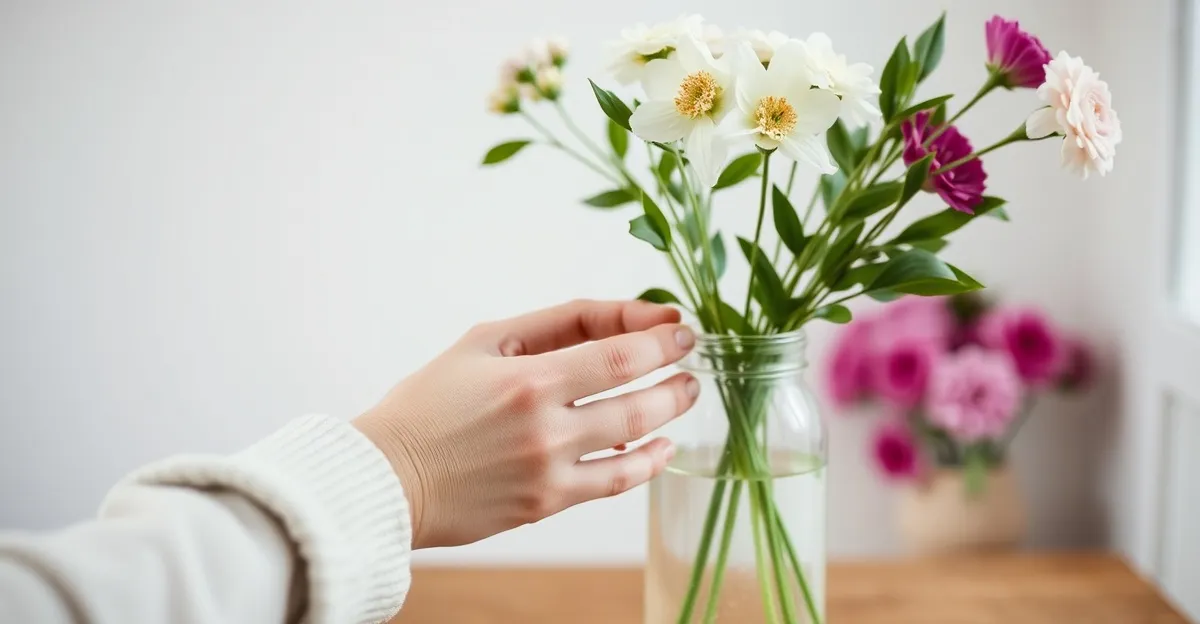
Most people change vase water when they notice it's looking cloudy or smells a bit off. By that point, the damage is already done — bacteria levels have peaked, stems are partially blocked, and your flowers have been struggling for a day or two. The good news is that managing vase water isn't complicated once you understand what's actually happening in there.
In Bali, the rules are different from what you'd follow in a cooler climate. The heat speeds everything up — bacterial growth, water evaporation, stem degradation. What works for a London living room in winter isn't what works for a villa in Canggu in January.
What's happening in the water
Fresh tap water is relatively clean and flower-friendly. But the moment you put stems in, the clock starts on a microbiological process. Bacteria from the stems, the cut ends, and even the air begin to multiply in the warm water. Within 24 to 48 hours at Bali temperatures, bacterial counts can reach levels that start clogging the tiny capillaries at the stem end.
At the same time, stems naturally release sugars and compounds into the water that feed further bacterial growth. Dead leaves or any foliage below the waterline decay and add to the problem.
The visual sign — cloudy or discolored water — is a lagging indicator. The bacterial load you can't see is already causing problems before the water looks bad.
In Bali heat: change water every day
In a temperate climate, changing vase water every two days is a reasonable rule. In Bali, where ambient temperatures sit at 28–33°C through most of the year, the answer is every day.
At those temperatures, bacteria roughly double in population every hour in ideal conditions. A vase of water that was clear in the morning will be noticeably cloudy by evening. Doing a daily water change — fresh tap water, clean vase, no leftover residue — resets the bacterial count and gives your flowers a clean environment to absorb water from.
This sounds like a lot of effort, but it's a 30-second task once it becomes routine. The payoff is significant: flowers that might last three or four days in unchanged water can last six to eight days with daily changes in the same Bali conditions.
The right way to do a water change
It's not just about pouring old water out and refilling. A proper water change includes:
Rinse the vase. Old vases accumulate bacterial biofilm on the glass or ceramic surface — a thin, sometimes slippery layer that you can feel but not always see. A quick rinse with hot water and a swipe with a clean cloth removes this before you refill.
Recut the stems. Each water change is an opportunity to trim a centimeter or two from each stem end. This removes the blocked capillary layer that formed since the last cut and improves water uptake immediately. See our full guide on cutting stems the right way to extend vase life for proper technique.
Remove any dying foliage. Pick out any leaves that have yellowed or wilted, and remove anything that's fallen into the water. These decompose quickly and feed bacterial growth.
Check the waterline. Flowers drink more in warm conditions than you might expect. If the water is low, stems may be sitting partially exposed to air, which causes rapid wilting.
Signs your water needs changing immediately
Even with a daily schedule, there are signals that the water needs replacing right now regardless of timing:
- Visibly cloudy or milky water
- Any smell, even a faintly sour or swampy odor
- Stems looking slimy at the cut end
- Flowers wilting despite full water level
If you see any of these, don't wait for your scheduled change. Replace the water, clean the vase, recut the stems, and the flowers may recover within a few hours if they haven't been too badly stressed.
Does the type of water matter?
In Bali, tap water quality varies by area. In Seminyak and Kuta, the water is generally treated and reliable. In more rural areas of Ubud or Tabanan, the quality can be harder to predict. Most expats and villa owners in those areas use a filtered water supply for drinking.
For flowers, filtered water is better than unfiltered tap water — it has fewer dissolved minerals and chlorine compounds that can interfere with stem uptake over time. If you have a filter already in your kitchen, use it for vase water too. Bottled mineral water is overkill and unnecessary.
Whatever water you use, keep it at room temperature rather than ice cold. Very cold water can shock tropical flower stems and cause them to close up temporarily.

The team
your florists
weekly subscription · Bali
We write about flowers because we love them. We deliver them because someone should — properly, weekly, across Bali.
— heyflowerPay once for 3, 6, or 12 months, no auto-renewal.
What about flower food packets?
Many bouquets come with small flower food sachets — white powder or liquid that you add to the vase water. These typically contain three things: sugar (to feed the flower), an acidifier (to lower the pH and slow bacteria), and a biocide (to kill bacteria directly).
They work, but they don't replace water changes. In Bali's heat, even water treated with flower food turns within 48 hours. Use the packet for the first fill, then continue with plain water for subsequent changes. Don't add more powder each time — the mineral buildup from repeated doses can actually harm stems.
If you don't have flower food, a home substitute that works reasonably well: add one teaspoon of white sugar and two drops of white vinegar per litre of vase water. Not as effective as commercial packets but better than plain water alone.
FAQ
Can I use the same water if I add more to the vase? Topping up is better than letting the water drop, but it's not a substitute for a full change. Old bacterial-laden water diluted with fresh water still has a high bacterial count — you need to empty the vase fully.
Do different flowers need different change schedules? Mostly the same daily schedule applies in Bali heat, but some flowers are more sensitive. Tropical varieties like anthuriums and heliconias are hardier than roses or lisianthus. Delicate blooms may benefit from twice-daily checks on the water level even if you do one full change per day.
Should I put my vase in the fridge overnight? If you have space and the vase fits, yes — storing flowers in a cool environment overnight (around 10–15°C) slows bacterial growth significantly and extends vase life. Many professional florists do this. Just make sure there's no ethylene-producing fruit in the fridge, as it accelerates flower aging.
Why do my flowers wilt even with clean water? Clean water is necessary but not sufficient. Check: are the stems cut properly at an angle? Is the vase in direct sunlight or near an air conditioning vent? Are there ripening fruits nearby? Any of these can cause wilting independently of water quality.
Is distilled water better for flowers? Distilled water actually works slightly worse than clean tap or filtered water for flowers because it lacks trace minerals that flowers use. Moderately filtered water is ideal.
Keep your home filled with fresh flowers every week
Managing vase water is easier when you're working with genuinely fresh flowers to begin with. Explore our weekly flower subscription and get handpicked blooms delivered to your door every week — so you're always starting with the freshest possible stems.



