Pressing tropical flowers: a beginner's guide
Pressing tropical flowers in Bali requires adapting techniques for humidity and thick petals. This beginner's guide covers tools, timing, and the best species to press.
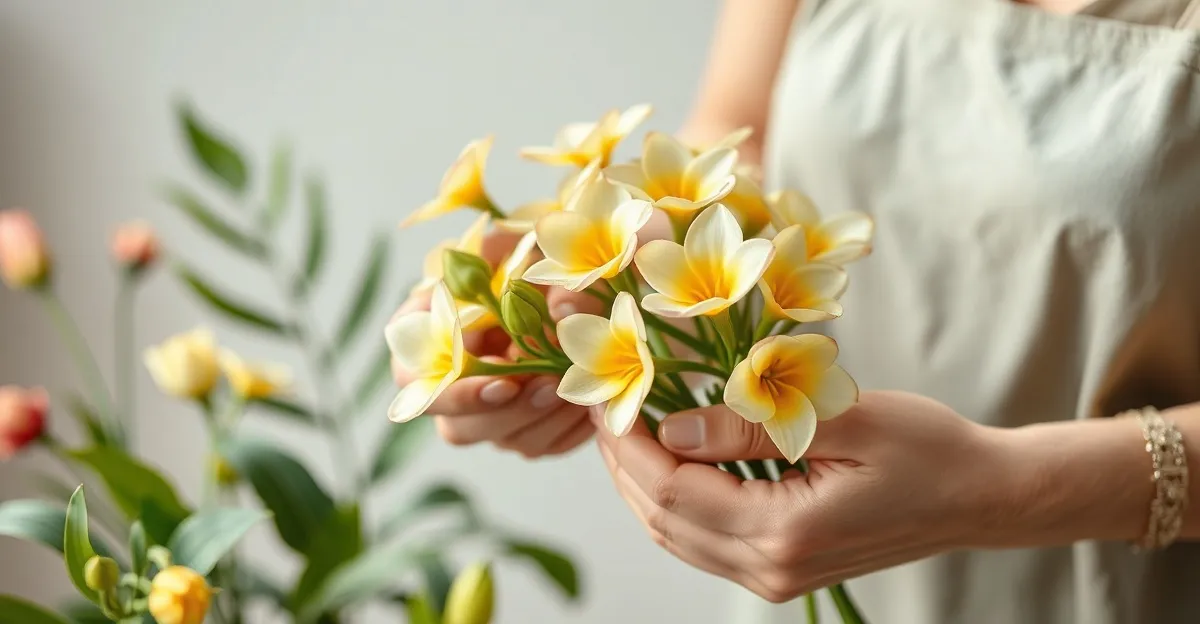
Pressing flowers is one of the oldest ways to preserve natural beauty, and in Bali there's no shortage of beautiful subjects — from frangipani and hibiscus to bougainvillea and heliconia. But pressing tropical flowers isn't quite the same as pressing a pansy from an English garden. The thick petals, high moisture content, and relentless Bali humidity all make this a slightly different project than you might expect.
The good news is that once you understand the differences, pressing tropical flowers is entirely achievable at home. This guide covers everything you need to get started.
Why tropical flowers are different to press
Flowers from temperate climates — think violets, daisies, or pressed pansies — are relatively thin and contain less moisture per gram than tropical varieties. A pansy pressed between two sheets of blotting paper in a heavy book will dry cleanly in one to two weeks.
A Bali hibiscus petal contains significantly more water. Its cells are larger and more hydrated to cope with the heat and sun of the tropics. Put that petal in a book and it will still be moist after two weeks of Bali humidity — providing a perfect environment for mold to form in the middle of your press.
The solution is two-fold: choose appropriate press materials that actively absorb moisture, and change those materials frequently during the first week.
What you need
You don't need specialty equipment to start pressing flowers in Bali. A basic setup:
Press boards: Two pieces of smooth, flat wood, hardboard, or thick cardboard at least A4 size. Old chopping boards work well.
Absorbent paper: This is critical. Coffee filter paper works extremely well and is available everywhere in Bali. Alternatively, use newspaper, recycled paper without glossy coating, or blotting paper if you can find it at art supply shops in Denpasar or Ubud's Jalan Hanoman area.
Books or weight: Heavy books work for small presses. Stack three or four thick ones on top of your press. Alternatively, use a G-clamp or bungee cords around the boards.
Tweezers: For handling delicate flowers without bruising them.
Labels: Mark which flower is pressed and when — you'll be surprised how similar pressed specimens look after a few weeks.
Choosing which flowers to press
Not all tropical flowers press equally well. Some guidelines based on what grows abundantly in Bali:
Best for pressing:
- Bougainvillea bracts (the colored parts — technically not the flower itself, but they press beautifully and hold color well)
- Frangipani petals separated from the base (not whole flowers — see below)
- Small orchid faces
- Hibiscus petals laid flat individually
- Marigold petals (pull individual petals from the head)
- Small daisy-like flowers from garden centers
More challenging:
- Whole frangipani flowers — the thick base where petals join doesn't dry at the same rate as the petals
- Heliconia bracts — too thick for flat pressing, better for 3D drying techniques
- Bird of paradise — similar issue with thickness and structure
Avoid:
- Flowers with hollow or very thick stems — they don't press flat and can mold
- Anything already starting to wilt or brown — pressing doesn't halt deterioration
For thick flowers like hibiscus, you can cut the bloom in half through the center and press each half separately — you get a "profile" view that works beautifully for botanical-style artwork.
The pressing process step by step
Step 1 — Harvest at the right time. Pick flowers in mid-morning after any moisture from overnight humidity has dried off but before the heat of the day peaks. Choose flowers at peak freshness, fully open but not yet past their prime.
Step 2 — Prepare your press. Lay out your bottom board. Place two to three sheets of absorbent paper on top.
Step 3 — Arrange the flowers. Place flowers face-down on the absorbent paper. For petals you've separated, lay them flat without overlapping. Leave at least 2cm between each specimen. Use tweezers for delicate work.
Step 4 — Cover and weight. Add two to three more layers of absorbent paper over the flowers. Then the top board. Then your weight.
Step 5 — Change paper frequently. This is where beginners often go wrong. In Bali's humidity, change the paper every two days for the first week. Carefully peel back layers, replace wet paper with dry, and replace the flowers (which will be partially dried and a bit fragile by day three or four). After week one, change every four to five days.
Step 6 — Wait. Depending on thickness and Bali's current humidity, tropical flowers typically take two to four weeks to fully press. They're ready when they feel papery and dry throughout and no longer feel cool to the touch (coolness indicates remaining moisture).
Dealing with Bali's humidity
Humidity is the main challenge for pressing flowers in Bali. Even when the visible dry season (June–September) reduces rain, relative humidity rarely drops below 70%, and in the rainy season (October–April) it sits at 80–90% regularly.
Practical strategies:
Press in an air-conditioned room. The drier air significantly speeds the process and prevents mold. A room regularly used with AC is drier than an outdoor or naturally ventilated space.
Use silica gel in the press. Tuck a small packet or layer of silica gel crystals into your press alongside the absorbent paper. Silica gel actively absorbs moisture from the air and from the flowers, cutting drying time roughly in half.
Press during the dry season. June to September is the best time of year in Bali for pressing flowers — lower humidity, less risk of mold.
If mold does appear, remove the affected flower immediately. Mold spreads very quickly between pressing layers in humid conditions.

The team
your florists
weekly subscription · Bali
We write about flowers because we love them. We deliver them because someone should — properly, weekly, across Bali.
— heyflowerPay once for 3, 6, or 12 months, no auto-renewal.
What to do with pressed tropical flowers
Pressed Bali flowers make stunning keepsakes. Some ideas that work particularly well:
Framing: Arrange pressed flowers on watercolor paper or light fabric and frame under glass. Pressed bougainvillea in shades of pink and purple against cream paper is a simple, beautiful result.
Resin: Pressed flowers embedded in clear resin create coasters, jewelry, bookmarks, and ornaments. Several craft studios in Ubud, particularly along Monkey Forest Road and around Tegallalang, offer workshops for this. See our related guide on epoxy ornaments with pressed Bali flowers for specifics.
Greeting cards: Pressed flowers on handmade paper or card stock, secured with a thin layer of white glue and left to dry, make beautiful handmade cards for occasions like Galungan gifts or thank-you notes.
Botanical journals: If you're walking Bali's trails or visiting different areas regularly, pressing specimens from different areas — a frangipani from Ubud, a lotus petal from a temple pond, bougainvillea from a Seminyak garden — creates a beautiful personal botanical record.
FAQ
Can I press flowers in a microwave instead of waiting weeks? Microwave flower pressing is possible with a specialist microwave press (available online). It's fast — minutes rather than weeks — but requires some trial and error with tropical flowers, which can scorch easily. If you have the equipment, it's worth experimenting with petals before committing whole flowers.
My pressed flowers turned brown. What went wrong? Browning usually means the flowers were either past their prime when pressed, the press wasn't changed frequently enough in the first week, or humidity caused partial decomposition. Choose the freshest possible specimens and change paper more frequently.
How long do pressed flowers keep their color? Stored properly (framed under glass or in an album away from direct light), pressed tropical flowers typically hold good color for one to two years. UV-filtering glass or plastic significantly extends this.
Can I press flowers from a received bouquet? Yes — this is a lovely way to preserve a gifted bouquet. Act quickly (within the first two days of receipt when flowers are freshest), and choose blooms that are just opening rather than fully open.
Do I need a specialist flower press or is a book fine? A book works perfectly for starting out. A specialist wooden press with tightening screws gives more even pressure and is easier to manage multiple layers with, but it's not necessary for beginners.
Fresh tropical flowers for your home
Pressing flowers preserves a moment, but living flowers change a space. Explore our weekly flower subscription and get handpicked Bali blooms delivered to your door every week — always fresh, always beautiful.



