Pairing statice with other blooms: a florist's guide
Learn how to pair statice with roses, lisianthus, tropical flowers, and more for bouquets that work in Bali's climate and aesthetic.
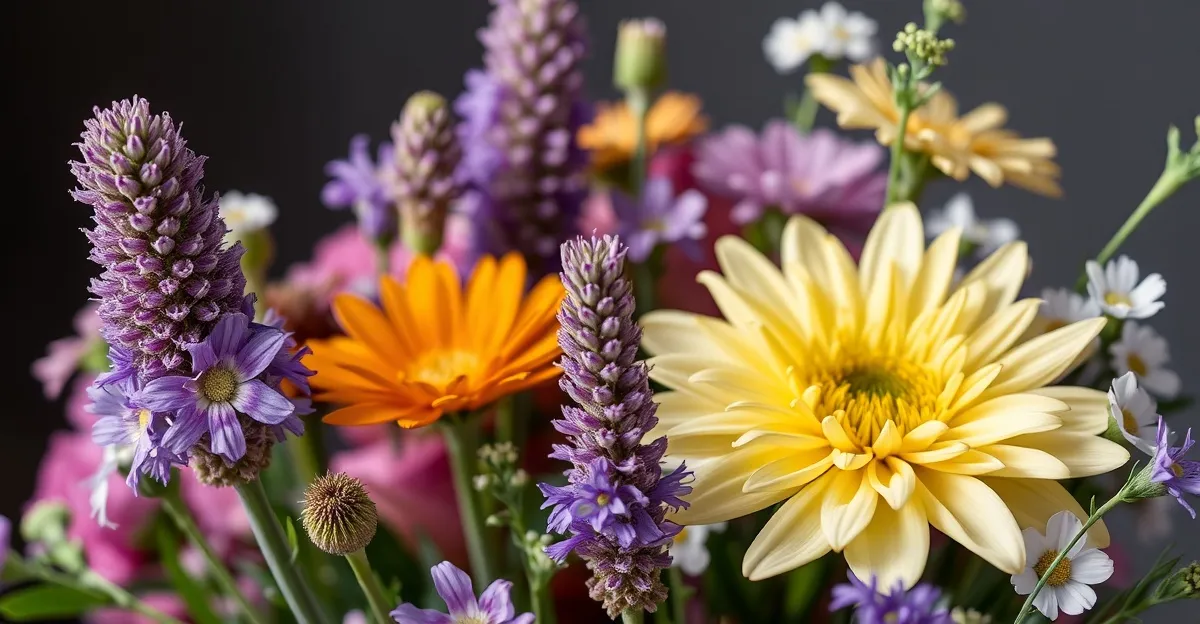
Statice is one of those flowers that earns its place in every arrangement without ever demanding the spotlight. Working with Bali's florists, you quickly learn that statice is less a supporting player and more a structural backbone — the bloom that ties wildly different flowers together, softens hard lines, and adds the kind of textural complexity that elevates a bouquet from pretty to genuinely considered. Here's how to pair it well.
Why statice works as a pairing bloom
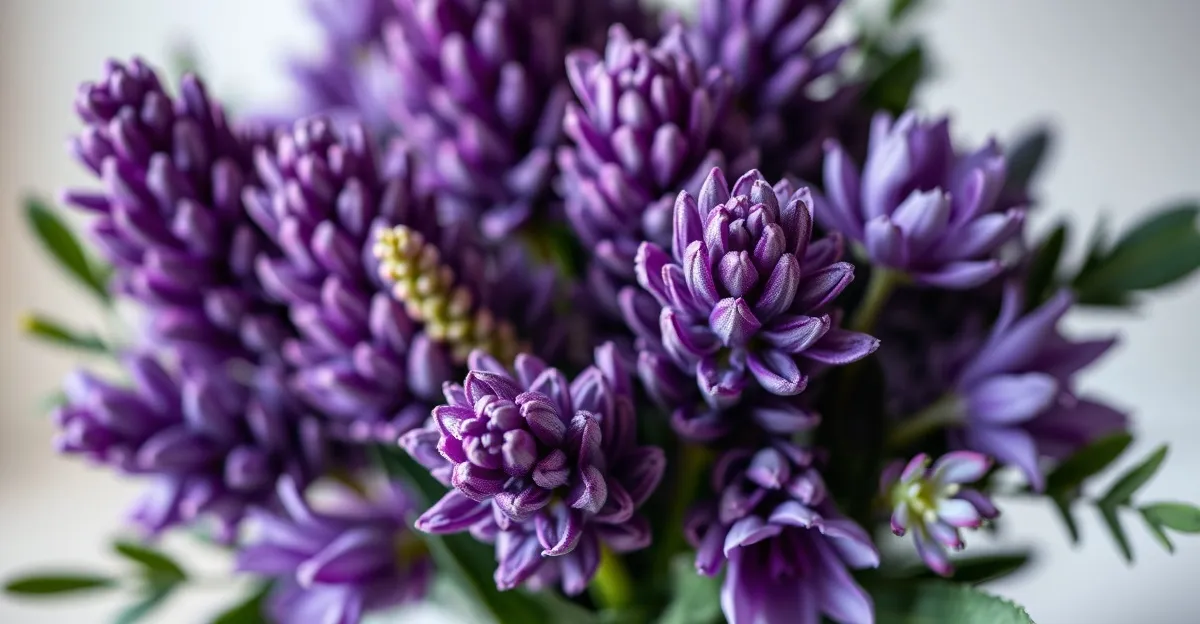
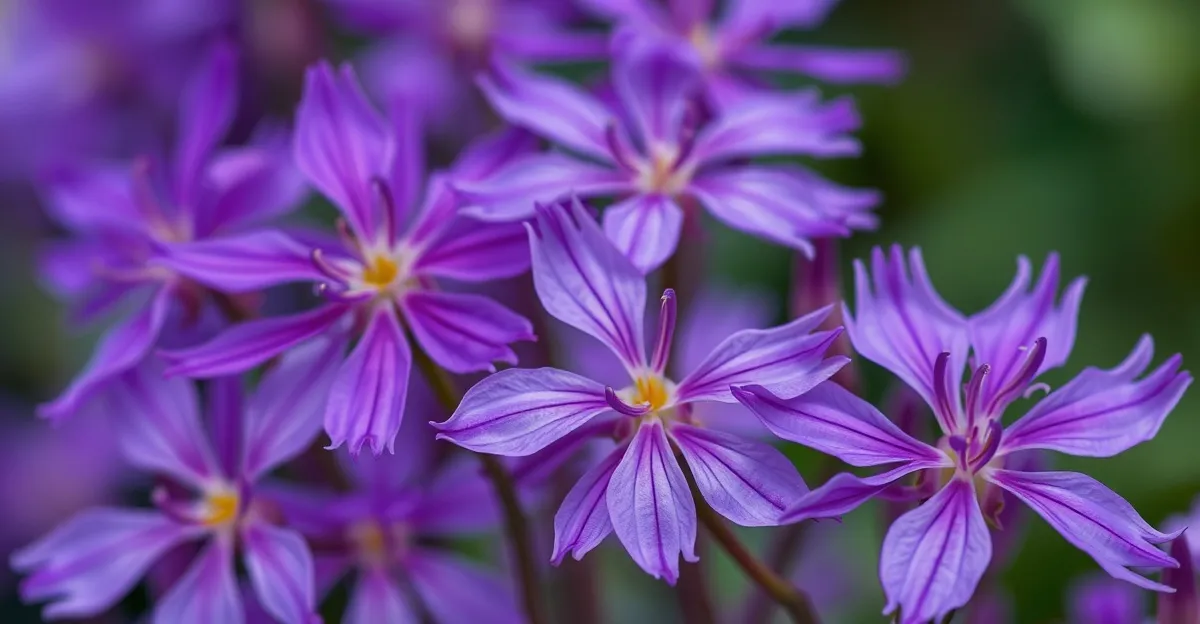
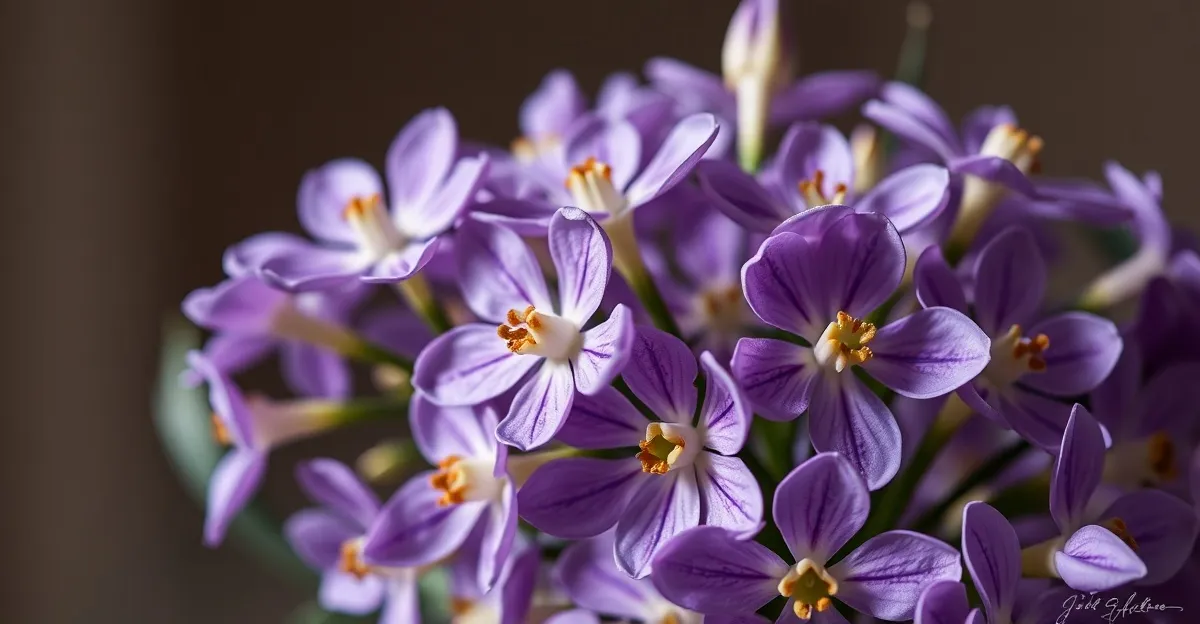
The key to statice's versatility is its form: tiny clusters of papery florets on branching stems that fill space without visual heaviness. Unlike large filler foliage such as ruscus or eucalyptus, statice adds color while filling volume. Its dusty, muted shades — lavender, white, soft pink — don't compete with focal flowers but create a tonal bridge between them.
Statice also has practical advantages for Bali's climate. In humidity above 80% (standard for most of the year, particularly during the wet season from November through March), many fillers turn limp within hours. Statice holds its structure remarkably well, which is why you'll see it used heavily for outdoor events in Seminyak, beachside ceremonies in Jimbaran, and long-day weddings in Ubud where arrangements need to last from morning setup through to the late-night reception.
Pairing statice with roses
This is the classic combination, and it works because roses and statice occupy different visual scales. A rose is a single large focal bloom; statice breaks up the space between stems and softens the arrangement edges. Purple statice with blush or cream roses creates a romantic, slightly vintage feel — popular for Bali's boho-chic villa weddings in Canggu and Berawa. White statice with red or deep burgundy roses produces a clean, sophisticated contrast.
The practical tip here: statice outlasts roses in a vase by several days, so arrangements with both will look their best for the first four to five days. After that, roses may droop while statice stays firm. If you're using the arrangement as room decor for a longer period, you can remove the spent roses and the statice will continue looking good on its own.
Pairing statice with lisianthus
Lisianthus and statice are natural companions because they share a similar soft, papery quality. Both have muted, romantic tones and a slightly antique appearance. Pairing them creates an arrangement with exceptional texture — you're essentially layering different scales of papery bloom.
For a Bali context, this pairing works beautifully in arrangements destined for villa interiors, hotel lobbies, or spa reception areas. Mixing lavender statice with white or pale purple lisianthus creates a monochromatic study in texture. For a more dynamic arrangement, try deep purple lisianthus with white statice, or blush lisianthus with lavender statice. Lisianthus meaning and symbolism: a full gifting guide goes deeper on what lisianthus communicates in different contexts if you're building a gift arrangement.
Pairing statice with tropical flowers
This is where Bali florists have a real advantage. Combining statice — a Mediterranean flower with a delicate, dried quality — with bold tropical blooms like heliconias, ginger flowers, or bird of paradise creates striking contrast. The trick is to let the tropical flowers be the stars and use statice as color punctuation rather than structure.
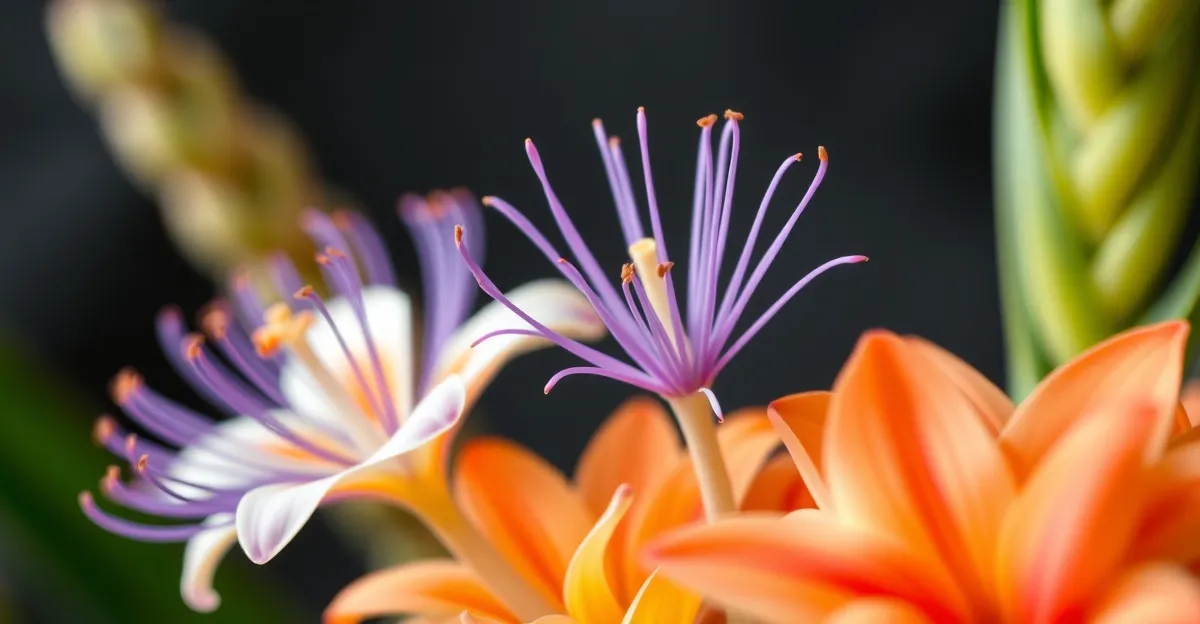
White statice with deep red heliconias and dark foliage creates a dramatic, high-contrast arrangement that reads as locally rooted but globally sophisticated — the visual language of Bali's best luxury properties. Purple statice with orange torch ginger and green tropical leaves produces a rich, warm palette suited for large statement pieces in restaurant entrances or event spaces.
The challenge with tropical pairings is scale. Tropical blooms are typically large and architectural; statice is small and delicate. You generally need a generous amount of statice to hold its own visually — florists often use statice in full branch clusters rather than individual stems when working alongside heliconias or large gingers.
Pairing statice with garden flowers
Garden-style arrangements are extremely popular in Bali right now, particularly for weddings that want to look effortlessly abundant rather than formally structured. Statice fits naturally alongside ranunculus, sweet peas, cosmos, and garden roses in these loose, overflowing designs.
In this context, color choice matters more than in tropical pairings. The palette should feel cohesive: pink statice with blush ranunculus and peach sweet peas, or white statice with cream roses and pale lilac sweet peas. Avoid mixing multiple statice colors in a garden-style arrangement — the muted papery tones can start to look muddy if you combine purple, pink, and white all at once.
Pairing statice with dried and preserved flowers
Statice dries naturally without any treatment — it simply holds its form and color as moisture leaves it. This makes it the ideal bridge between fresh flowers and dried or preserved blooms in a mixed arrangement. Pairing fresh statice with dried pampas grass, preserved lunaria, or dried banksia creates an arrangement that ages gracefully rather than wilting.
For Bali's villa and rental market, where arrangements may not be changed for a week or more, this kind of mixed fresh-and-dried design is practical. The fresh flowers add life and fragrance initially; the dried elements maintain the arrangement's structure after the fresh blooms are spent. How to air-dry a rose bouquet covers the basics of drying your own blooms at home if you want to experiment with this at home.

The team
your florists
weekly subscription · Bali
We write about flowers because we love them. We deliver them because someone should — properly, weekly, across Bali.
— heyflowerPay once for 3, 6, or 12 months, no auto-renewal.
Color pairing principles for statice
A few rules of thumb when planning statice combinations:
Analogous pairings work reliably: purple statice with violet lisianthus and blue delphiniums; pink statice with blush roses and pale coral dahlias. These feel harmonious and intentional.
Contrast pairings create drama: white statice against deep burgundy dahlias; yellow statice alongside deep blue irises or dark purple anemones. Use these for bold statement arrangements.
Tonal pairings create sophistication: lavender statice with dusty mauve roses and grey-green eucalyptus. The desaturated palette feels modern and works well for minimalist Bali interiors.
Avoid pairing bright, saturated statice (if you can find it — most varieties are naturally muted) with other bright, saturated blooms. The resulting arrangement tends to feel busy rather than bold.
FAQ
Does statice work in a single-flower arrangement or is it always a filler? Statice can absolutely carry an arrangement on its own — a mass of purple statice in a ceramic vase looks deliberately understated and beautiful. It's just more commonly used as a textural element alongside other blooms.
How much statice should I use relative to focal flowers? As a rough guide: for a medium-sized bouquet with three to five focal roses, two to three full stems of branching statice (which give multiple small clusters) creates good balance. Adjust based on how full you want the arrangement to look.
Does statice have a strong scent that might overpower other flowers? Statice has a very faint, slightly earthy scent — nothing that competes with roses, gardenias, or freesias. It's a good choice for people who prefer visually rich arrangements without heavy fragrance.
Can statice be used in table centerpieces for outdoor Bali events? Yes, and it's one of the best choices for this because it holds its form through heat and humidity. Keep centerpieces out of direct midday sun if possible, but statice will outlast most other fillers in outdoor Bali conditions.
Are there statice varieties that don't work well as pairing flowers? The main statice variety used in Bali (Limonium sinuatum) is universally versatile. Sea lavender (Limonium latifolium), a less common relative with a more cloud-like form, pairs especially well with soft, romantic arrangements but can overwhelm very structured, formal designs.
Ready to bring fresh flowers to your Bali home or event? Explore our weekly flower subscription and get handpicked blooms delivered to your door every week.
More on Statice