Pairing baby's breath with other blooms: a florist's guide
Learn how to pair baby's breath with roses, tropicals, and seasonal blooms for stunning arrangements in Bali, from our Canggu florist team.
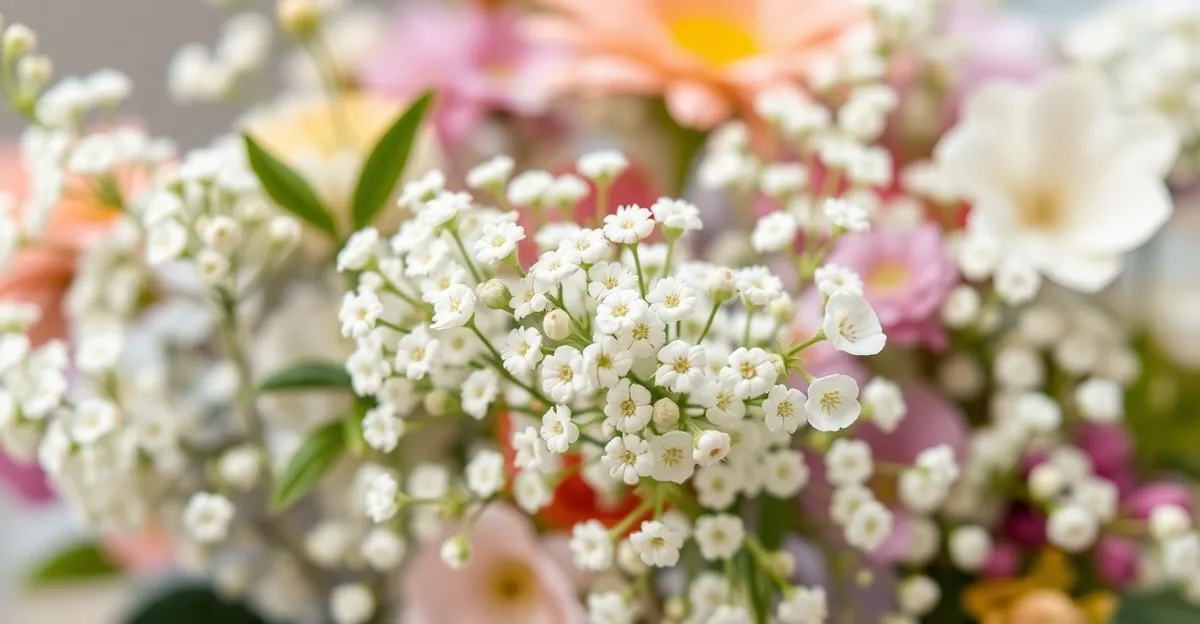
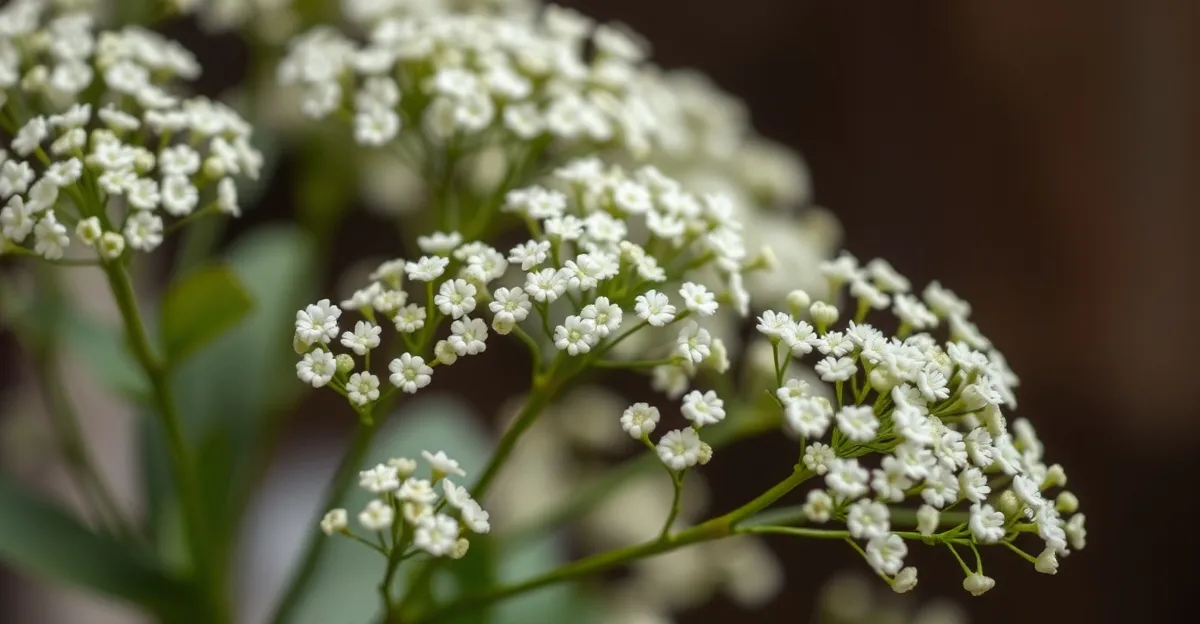
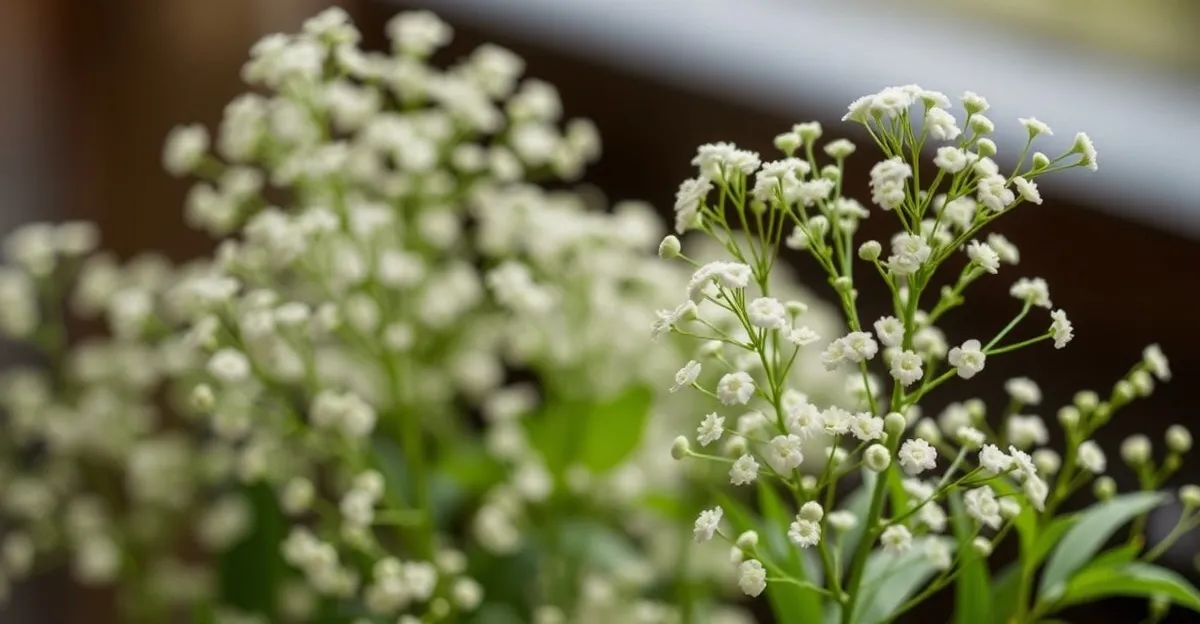
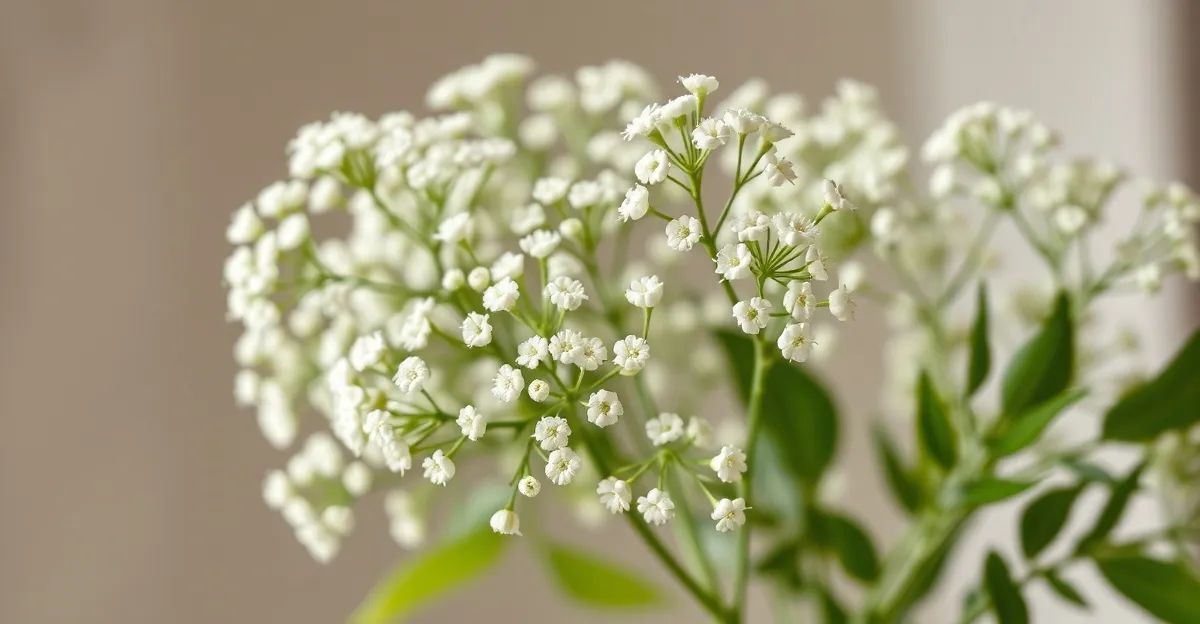
There is a kind of florist snobbery that treats baby's breath as a cheap filler — something you add to bulk out a bouquet when you haven't got enough roses. This attitude misses something important. Baby's breath is one of the most technically useful and aesthetically versatile flowers a designer can work with. When it's used well, it doesn't just fill space: it creates atmosphere, adds movement, and makes the flowers around it look more beautiful than they would on their own.
At heyflower.co, we work with baby's breath constantly. It comes through our Canggu studio in generous quantities every week, and over time we've developed a clear sense of what it does well, what it struggles with, and how to pair it in ways that create something genuinely memorable. This guide shares that knowledge directly.
Understanding What Baby's Breath Does in an Arrangement
Before we get into specific pairings, it helps to understand the functional role baby's breath plays in floral design.
It Creates Visual Air
Dense arrangements without filler can feel heavy and claustrophobic. Baby's breath introduces negative space — the visual equivalent of a breath. It breaks up solid masses of colour and lets the eye move through the arrangement rather than getting stuck.
It Softens Hard Edges
Many focal flowers have strong, defined silhouettes. Proteas. Anthuriums. Large-headed roses. Baby's breath, with its diffuse, cloud-like form, softens those edges and makes the arrangement feel more organic and alive.
It Adds Texture
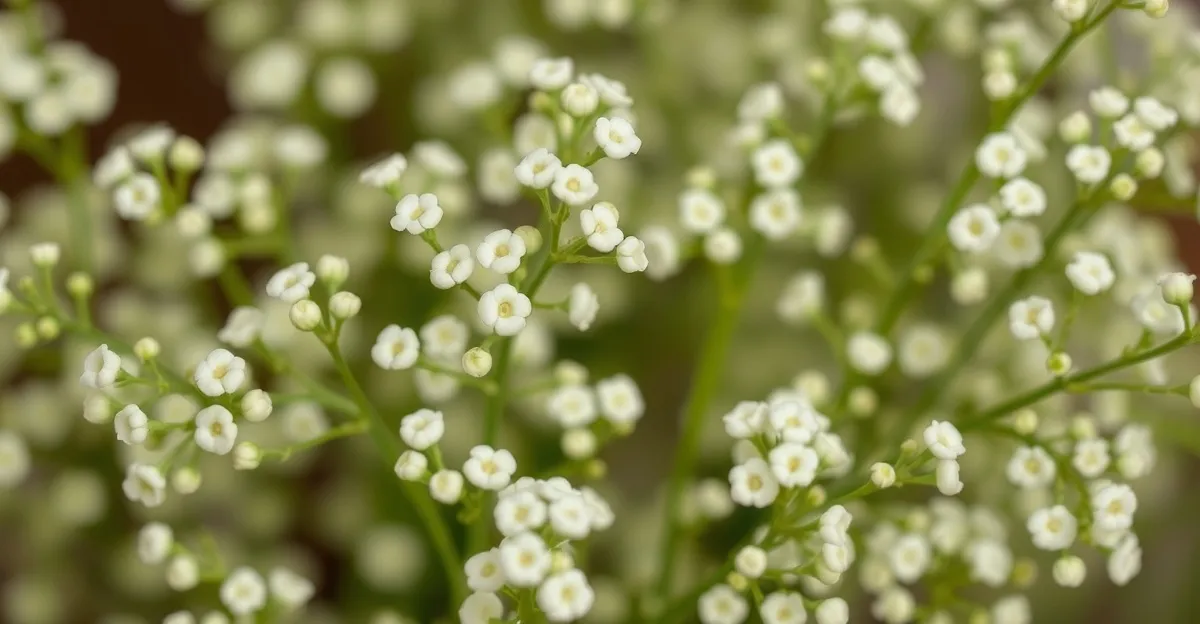
The hundreds of tiny individual florets on a baby's breath stem create a fine, almost powdery texture that contrasts beautifully with the smooth petals of most focal flowers. That contrast is part of what makes the combination so satisfying visually.
It Provides Volume Economically
From a purely practical standpoint, baby's breath generates a lot of visual volume per stem. This is useful when you're working with expensive focal flowers — you can use fewer of them without the arrangement feeling sparse.
Pairing Baby's Breath with Classic Flowers
Baby's Breath and Roses
This is the most classic pairing in Western floristry, and it endures because it simply works. The smooth, layered petals of a garden rose provide a focal point, while baby's breath creates a soft, diffuse surround that emphasises the rose's form.
For white roses: White baby's breath creates a monochromatic arrangement with subtle tonal variation. The effect is elegant and bridal. Add a few stems of silver eucalyptus for a contemporary edge.
For pink or peach roses: Blush baby's breath in a matching or slightly lighter tone creates warmth. White baby's breath with pink roses creates contrast that makes the rose colour pop.
For red roses: White baby's breath is the traditional choice and it works. But consider lavender Gypsophila instead for something unexpected — it cools the intensity of red slightly without diminishing it.
Baby's Breath and Peonies
Peonies are round, soft, and incredibly full-headed. Baby's breath mirrors that cloudlike quality and creates an arrangement that feels genuinely romantic. The key is using baby's breath generously here — don't be shy. A peony-heavy arrangement with flowing baby's breath throughout has a romantic, garden-picked quality that's hard to achieve any other way.
Baby's Breath and Ranunculus
Ranunculus are smaller and more delicate than peonies, with layered petals that have a jewel-like quality. Baby's breath around ranunculus creates something that looks like a jeweller's setting — the small, precise flowers set into a soft cloud of Gypsophila. This combination works particularly well for wedding bouquets and small table arrangements.
Baby's Breath and Sunflowers
Sunflowers are bold, sunny, and casual. Baby's breath softens that casualness into something more polished without removing the warmth. For a birthday bouquet for someone cheerful and unpretentious, sunflowers with white or yellow baby's breath is an excellent combination. See also our guide on sunflower colors and what each one symbolises for more ideas on working with these blooms.
Pairing Baby's Breath with Tropical Bali Flowers
This is where the pairing guide gets interesting, because Bali offers access to a range of tropical blooms that most florists outside Southeast Asia rarely encounter. Baby's breath creates unexpected and beautiful combinations with many of them.
Baby's Breath and Anthurium
Anthuriums — those waxy, heart-shaped flowers in red, pink, white, or orange — have a smooth, lacquered quality that is completely different from the airy delicacy of baby's breath. The contrast is dramatic and works extremely well for contemporary arrangements.
Use baby's breath generously around a few anthurium stems and the result feels almost architectural — the hard geometry of the anthurium against the soft cloud of Gypsophila. This pairing is well-suited to modern villa interiors and minimalist table arrangements.
Baby's Breath and Birds of Paradise
Birds of paradise (Strelitzia) are among the most architecturally striking flowers available in Bali. Their angular, geometric form is the visual opposite of baby's breath's diffuse cloudiness. Used together, they create a strong tension that feels bold and considered.
This combination works best in large, statement arrangements — a tall vase piece for a hotel lobby or a significant event installation. The baby's breath adds softness without undermining the structural drama of the Strelitzia.
Baby's Breath and Heliconia
Heliconia, with its vivid red and yellow boat-shaped bracts, is one of Bali's most available tropical flowers. It can be overpowering on its own. Baby's breath acts as a visual buffer, introducing enough softness to make the heliconia feel curated rather than raw. White Gypsophila is the best pairing here — it doesn't compete with the bold colours of the heliconia.
Baby's Breath and Frangipani
This might be the most Bali-specific pairing in this guide. Frangipani blossoms are delicate and fragrant but short-lived as cut flowers. Using them fresh in a small arrangement with baby's breath — perhaps floating in a shallow bowl rather than in a traditional bouquet — creates something that feels genuinely local and special. The sweet, rich scent of frangipani with the delicate visual texture of baby's breath is a very beautiful combination.
Pairing Baby's Breath with Foliage and Greenery
Foliage pairings matter as much as flower pairings, and baby's breath has strong preferences here.
Baby's Breath and Eucalyptus
Silver dollar eucalyptus is one of the most popular greenery choices in contemporary floral design, and it partners beautifully with baby's breath. The smooth, round eucalyptus leaves provide structure and a muted grey-green tone that makes white baby's breath glow. This combination also carries a pleasantly herbaceous scent.
Baby's Breath and Ruscus
Ruscus (Italian ruscus or butcher's broom) provides dark green, small oval leaves on branching stems. It gives structure and depth to arrangements while letting baby's breath float above it. This is a classic supporting pairing for bouquets where baby's breath is one of the primary elements.
Baby's Breath and Fern
Maidenhair fern has a delicate, layered quality that complements baby's breath visually. Both are fine and feathery, but fern adds a rich green depth that white Gypsophila doesn't provide on its own. This pairing creates a very organic, garden-fresh aesthetic.
Baby's Breath Alone with Foliage
One of our favourite design approaches at heyflower.co is combining baby's breath with only foliage — no additional focal flowers. A generous cloud of white baby's breath with silvery eucalyptus and dark green ruscus is a complete, sophisticated arrangement that doesn't need anything else.

The team
your florists
weekly subscription · Bali
We write about flowers because we love them. We deliver them because someone should — properly, weekly, across Bali.
— heyflowerPay once for 3, 6, or 12 months, no auto-renewal.
Design Principles for Baby's Breath Pairings
Proportion
Baby's breath should generally make up 20 to 40 percent of the total volume of an arrangement. Too little and it disappears; too much and it overwhelms the focal flowers. In all-Gypsophila arrangements, the proportion becomes 100 percent by definition, but in that case the arrangement succeeds by eliminating the need for focal flowers entirely.
Colour Temperature
Match the temperature of your baby's breath to your other flowers. Warm focal flowers (peach roses, yellow sunflowers, orange anthurium) pair best with warm-toned baby's breath (white, blush, yellow). Cool focal flowers (lavender, blue, purple) pair with cool baby's breath (white, lavender, blue).
Scale Contrast
The contrast between large focal blooms and the tiny florets of baby's breath is part of what makes the pairing so effective. Keep that contrast intact: avoid putting baby's breath next to flowers of similar small scale, where it can feel cluttered rather than airy.
Pairings to Avoid
A few combinations worth skipping:
- Baby's breath and very small-flowered fillers: If you're already using waxflower or statice, adding baby's breath creates visual noise. Choose one or the other.
- Baby's breath and heavily textured tropicals without a transition element: Some rough-textured flowers (like protea) need a middle-ground element between them and baby's breath. A smooth foliage like eucalyptus acts as that bridge.
- Baby's breath and flowers with competing fine texture: Mimosa and baby's breath, for example, create a muddied texture because they're too similar in scale.
Frequently Asked Questions
Can baby's breath be the main flower in a bouquet?
Absolutely. A full cloud arrangement of baby's breath — in one colour or a mix — is a statement bouquet in its own right. The trend for single-variety Gypsophila arrangements has grown significantly, and they're among the most photographed bouquet styles in the Bali wedding scene.
What's the best foliage to pair with baby's breath?
Eucalyptus (silver dollar or seeded) is our top choice for most contexts. It provides structure, a beautiful grey-green colour, and a light scent. For more tropical or organic arrangements, maidenhair fern works beautifully.
Does baby's breath pair well with orchids?
Yes, particularly with dendrobium orchids which have a similar delicate, airy quality. White baby's breath with white or purple dendrobium is elegant and slightly exotic. The key is ensuring the orchid has clear visual prominence — don't bury it in baby's breath.
How do I stop baby's breath from overpowering my focal flowers?
Keep baby's breath behind and below the focal flowers when building a bouquet, and ensure the focal blooms are positioned to project outward. Use baby's breath to create a backdrop and softening edge rather than competing at the same visual level as your statement flowers.
Is baby's breath good for dried floral pairings?
Yes, it's one of the best. Baby's breath dries beautifully and maintains its form almost indefinitely. It pairs well with dried roses, dried pampas grass, dried protea, and preserved eucalyptus in dried arrangements. If you're creating something for long-term display in a Bali villa or studio, a mixed dried arrangement featuring baby's breath is an excellent choice.
Custom Arrangements, Crafted in Canggu
Whether you want a classic rose-and-Gypsophila bouquet or a more adventurous pairing with tropical Bali blooms, our team at heyflower.co brings the knowledge and care to create something genuinely beautiful.
We also offer weekly and fortnightly flower subscriptions — arrangements that change with what's beautiful and available, delivered to your Bali door. Explore our options at heyflower.co/#subscriptions and let us take care of the flowers.
More on Baby's breath