Low-maintenance flower setups for a yoga studio
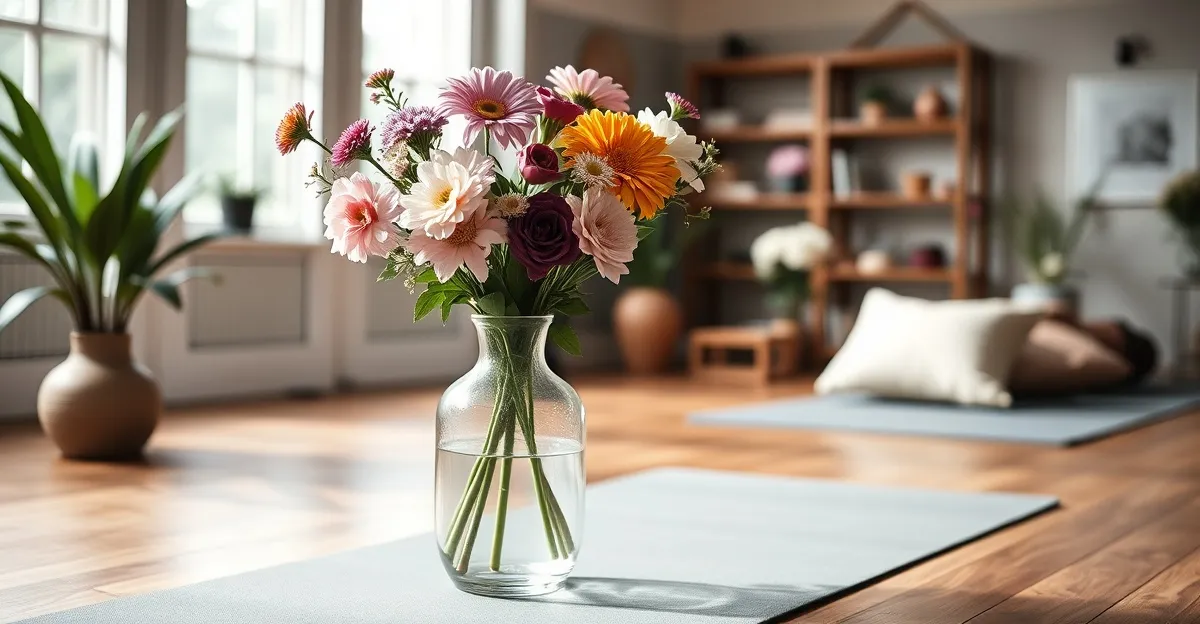
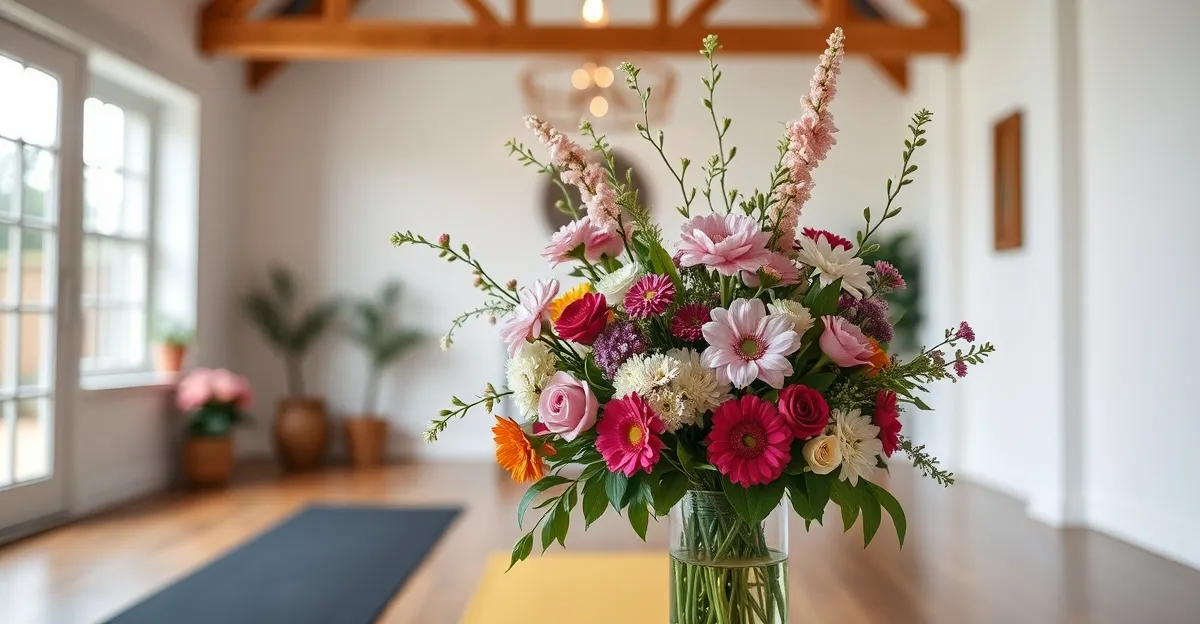
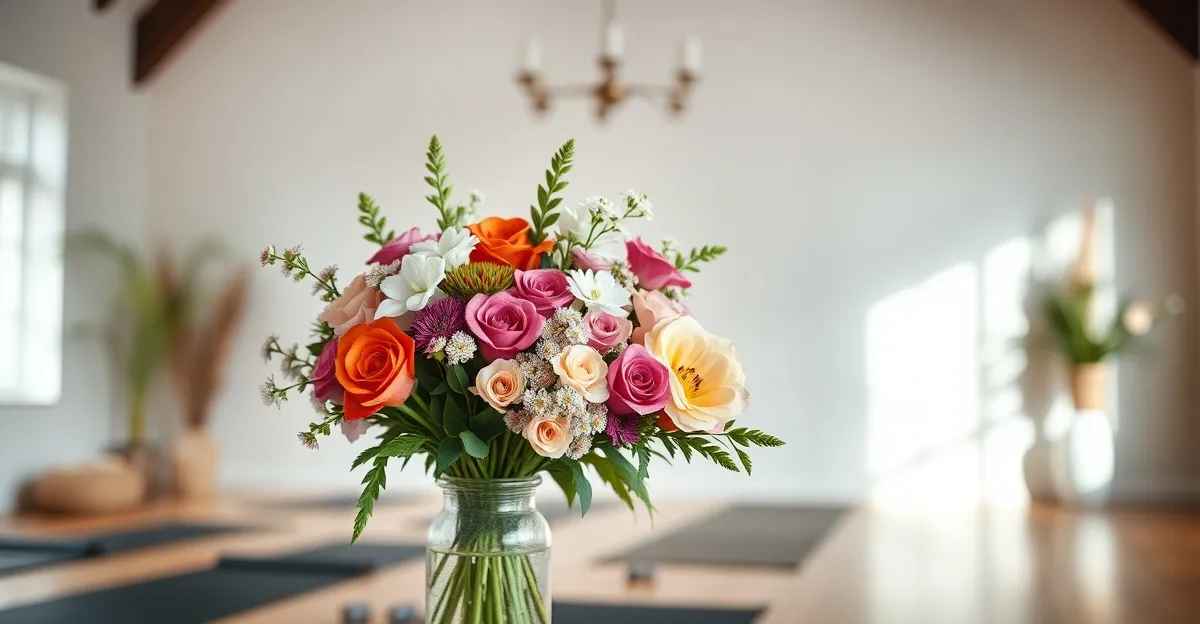
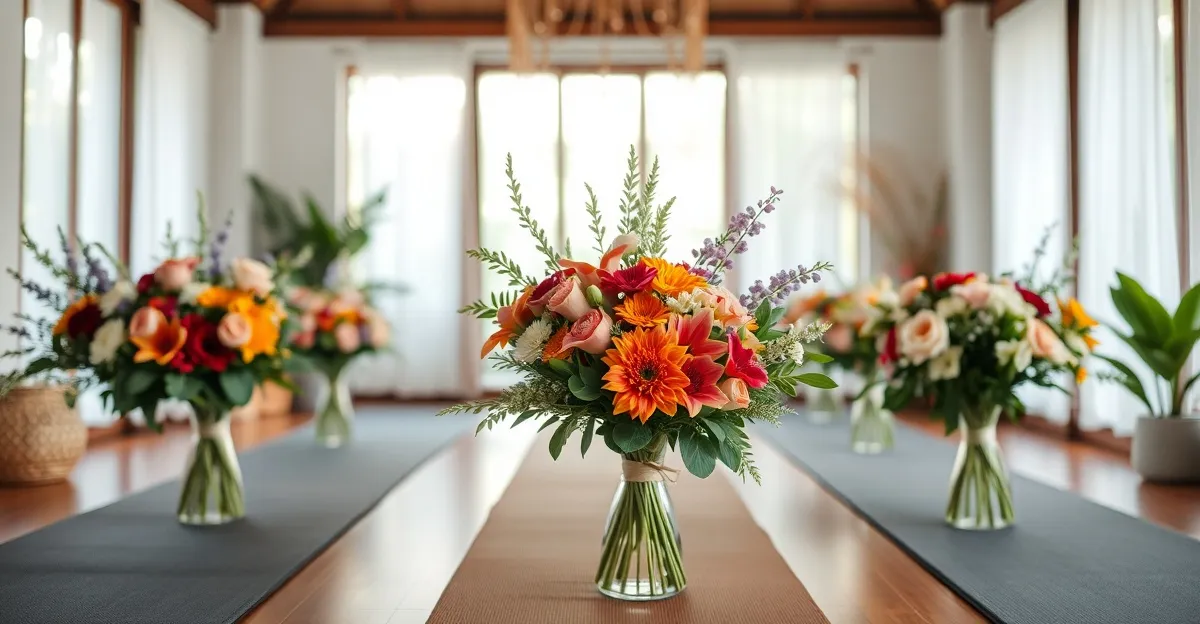
Fresh flowers elevate a yoga studio without disrupting practice. Low-maintenance setups that thrive in Bali's tropical conditions and fit the wellness aesthetic.
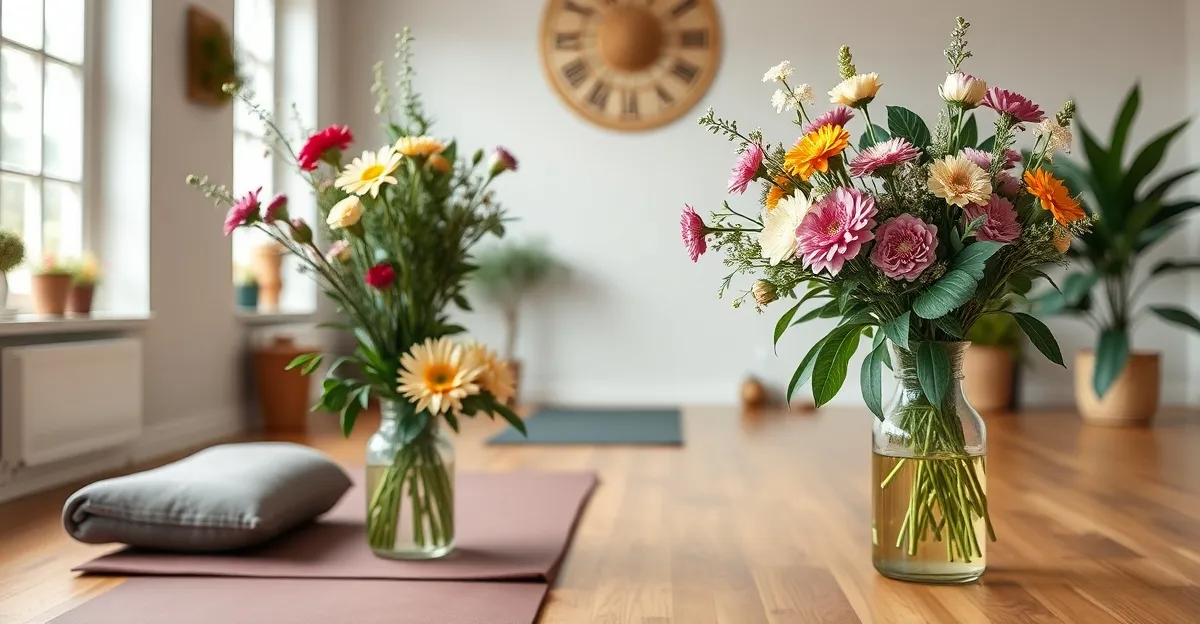
A yoga studio in Bali is a curated space. Every element — the mat placement, the light quality, the scent, the sound — is calibrated to support practice. Flowers, when they're right, add a grounding beauty that deepens the atmosphere. When they're wrong — drooping, browning, sitting in murky water — they do the opposite.
The specific challenges of a yoga studio flower setup are different from a home or office. The space is used intensively, sometimes multiple times a day. Scent is a particularly sensitive concern when practitioners are breathing deeply. And the aesthetic of most Bali yoga studios — natural materials, earthy tones, connection to the landscape — calls for a particular kind of floral approach.
Here's how to get it right with minimal ongoing effort.
The yoga studio environment
Bali's yoga studios range from fully open-air shalas in Ubud's rice fields to air-conditioned studios in Seminyak and Canggu built for the international retreat market. The flower approach should match the specific environment.
Open-air studios (typical in Ubud, Pererenan, and rural areas) sit in high humidity with natural airflow. Tropical varieties thrive here. The main maintenance consideration is rain during the wet season (November–March), which can batter delicate flower arrangements. Hardy tropical specimens — heliconias, gingers, anthuriums, large foliage — are ideal.
Air-conditioned studios (common in Seminyak, Canggu, Sanur, and areas catering heavily to tourist retreats) have the dry-air challenge. Low-humidity-tolerant varieties work best: chrysanthemums, carnations, orchids, and foliage-forward arrangements.
Semi-open studios — covered shalas with open sides — sit between the two. They get natural humidity without direct rain exposure. This is actually the most forgiving environment for flowers, and the widest range of varieties works here.
Scent rules for yoga spaces
Yoga practitioners are breathing deeply and intentionally. Strong flower fragrance that would be pleasant in a social space can become distracting or even overwhelming during practice.
The rule for yoga studio flowers: no strong scent. This rules out lilies, hyacinths, tuberose, and some gardenia varieties. It means choosing carefully with roses — many modern roses are bred for appearance and have little scent, which is actually ideal here.
Low-scent or no-scent flowers that work beautifully in yoga studios:
- Anthuriums (no scent)
- Chrysanthemums (minimal scent)
- Tropical foliage (no scent)
- Orchids (minimal to no scent)
- Carnations (very light clove note, not intrusive)
- Heliconias (no scent)
The exception: very subtle, grounding scents can actually enhance the yoga atmosphere. A single stem of frangipani near the entrance to the studio (not within the practice space) contributes the quintessential Bali scent without interfering with practice. Many Bali yoga studios use frangipani at the threshold precisely for this effect.
Low-maintenance placement strategies
Altar or focal point arrangements: Most Bali yoga studios have a focal point — a small altar, a statue of Ganesha or the Buddha, a decorative wall feature. Flowers placed at this focal point get the most attention from practitioners but are also the most visible when they're looking tired. Use your most long-lasting varieties here: anthuriums, orchids, or a compact foliage arrangement with a few flower accents.
Entry and transition spaces: Flowers in the changing room, the reception area, or the approach to the shala require less longevity pressure because they're in the periphery of attention. These are good spots for a weekly rotation of whatever's freshest and most beautiful — even roses, which don't last as long as anthuriums but are more visually welcoming as an arrival gesture.
Corners and edges of the practice space: Floor-level placements or corner vases work well in yoga studios because they don't intrude on the practice space itself. A tall tropical arrangement in the corner of a shala — a bunch of heliconias in a terracotta pot, or large alocasia leaves in a stone vessel — creates presence without occupying the central space.
For studio owners thinking about flowers as part of a wider gift or welcome program for retreat guests, new baby flower subscription ideas that keep giving demonstrates subscription thinking that can be adapted to a studio context — regular, reliable flower delivery that removes the sourcing burden.
The best varieties for yoga studio longevity
Anthuriums: Already covered, but worth repeating. They're grown locally in Bali, handle both humidity and dry AC environments, last 14–21 days, and look exactly right in the earthy-natural aesthetic of most Bali yoga studios. Their sculptural form is meditative in itself.
Tropical foliage: The single most low-maintenance option. A vessel of large tropical leaves — monstera, heliconia, alocasia, banana leaf — lasts 2–3 weeks and requires nothing but occasional water top-ups. The green, living quality of a foliage arrangement is perfectly aligned with the yoga aesthetic.
Potted orchids: A phalaenopsis orchid in a natural ceramic pot is the ultimate yoga studio companion. No cut stems, no vase water to change, no petals dropping on the floor during savasana. Water every 10 days. Blooms for months. In indirect light (which most shalas have in abundance), they maintain beautifully.
Lotus flowers: If you can source them — from water gardens in Ubud or from florists who maintain ponds — a single lotus bloom in a shallow bowl of water is deeply aligned with the spiritual dimension of yoga practice. Lotus doesn't last long as a cut flower (replace every 2–3 days), but the maintenance effort is worth it for the effect. Lotus in Balinese Hinduism: meaning and ritual use covers the significance of this flower in the Balinese context that your studio is situated within.

The team
your florists
weekly subscription · Bali
We write about flowers because we love them. We deliver them because someone should — properly, weekly, across Bali.
— heyflowerPay once for 3, 6, or 12 months, no auto-renewal.
Setting up a practical weekly rhythm
For a yoga studio with regular classes, a simple weekly rhythm keeps flowers consistently beautiful without becoming a time burden:
Monday (or the start of your class week): Full refresh — change water in all vases, remove any tired stems, replace with fresh flowers. Wednesday or Thursday: Quick check — add water if low, remove any single wilted stems. The main arrangement should still look good. Weekend: The arrangement carries through. A well-chosen setup with long-lasting varieties should still be fresh enough for weekend retreat sessions.
With anthuriums or orchids as the primary element, this rhythm is achievable. With roses as the primary element, you'll need to plan for a mid-week touch-up more often.
Adapting flower style to studio aesthetic
Ubud jungle shala: Large tropical foliage with one or two anthurium or heliconia stems. Earthy terracotta or woven rattan vessels on the floor or on low wooden stands. Nothing too formal or structured — let the arrangement feel like the jungle has arrived in the room.
Canggu surf/wellness studio: Casual and confident. A bunch of single-variety flowers in a recycled ceramic or concrete vessel. More color is acceptable here — terracotta oranges, burnt yellows, sage greens.
Luxury retreat studio: This is where more elaborate arrangements are appropriate. A weekly arrangement from a skilled local florist, coordinating with the brand palette of the retreat. Fresh daily flowers in the reception area. Lotus or gardenia in the relaxation space.
FAQ
What flowers are safe to have in a yoga studio without disrupting practice? Choose low-scent or scent-free varieties: anthuriums, chrysanthemums, orchids, tropical foliage, and heliconias. Avoid lilies, tuberose, and hyacinths in the practice space.
How often should yoga studio flowers be replaced? With the right varieties (anthuriums, orchids), every two weeks is achievable. With shorter-lived flowers, weekly replacement is more realistic.
Are there flowers that complement the spiritual atmosphere of a yoga studio? Lotus flowers are the most symbolically resonant. White flowers generally — white orchids, white chrysanthemums, white anthuriums — have a quality of clarity that suits meditative spaces.
What vase style works best in a yoga studio? Natural materials — terracotta, stone, raw ceramic, rattan with an insert — suit the aesthetic. Avoid anything too contemporary or commercial-looking. The vessel should feel like it belongs to the space.
Can I use artificial flowers in a yoga studio? Not recommended. The authenticity of natural materials is part of the yoga studio environment in Bali. Artificial flowers are immediately noticeable and undercut the quality of the space.
Ready to bring fresh flowers to your Bali home or event? Explore our weekly flower subscription and get handpicked blooms delivered to your door every week.
More on yoga studio