Picking the right vase for your yoga studio
Choose the perfect vase for your Bali yoga studio — shapes, materials, and sizes that bring calm, intentional beauty to a practice space.
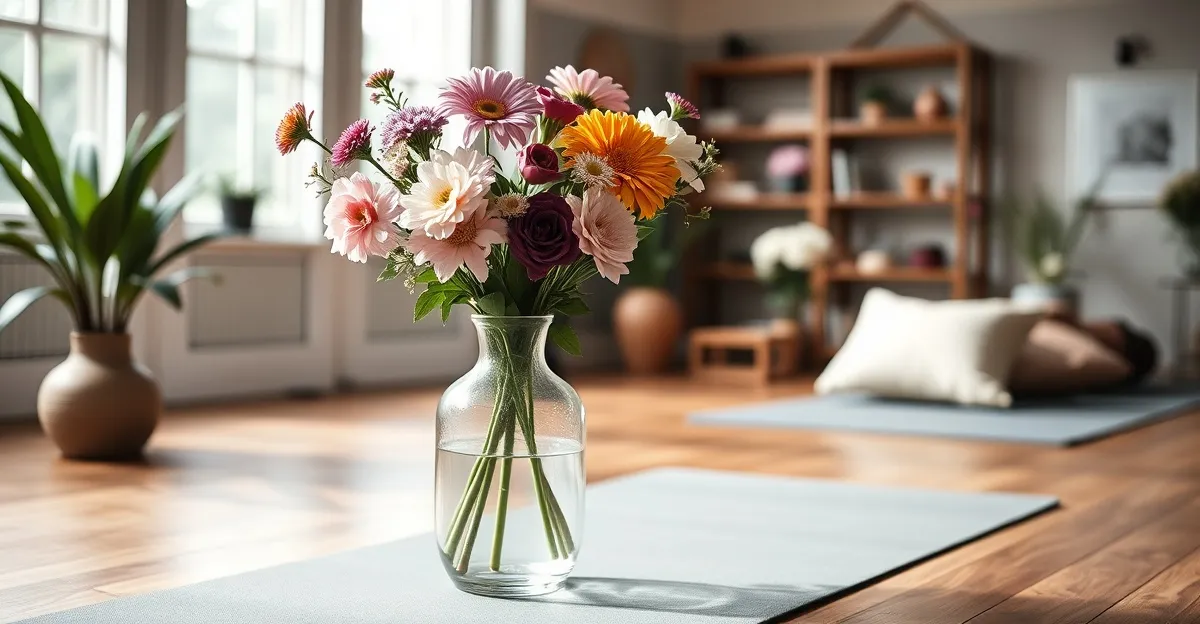
The intentional vase: why it matters for a yoga studio
In a yoga studio, every object carries weight. The props are neatly stacked. The floor is swept. The light is considered. When flowers are present, the vessel that holds them should match the care that's been applied to everything else in the space.
A mismatched vase — a recycled plastic bottle, a random supermarket jar, even a generic clear glass cylinder that doesn't suit the studio's character — undermines the intentionality that good studio design conveys. It doesn't need to be expensive. It needs to be considered.
This guide walks through what to look for in a yoga studio vase, with Bali-specific context for where to find pieces that suit the various studio aesthetics common across the island.
Aesthetic alignment: matching the studio's character
Yoga studios in Bali span a wide design spectrum, and the vase choice should respond to the specific space.
Ubud natural/spiritual style: Ubud studios tend to reflect the surrounding forest and rice terraces — raw materials, natural tones, Balinese craft influence. Handmade terracotta, carved wooden vessels (teak or coconut wood), or simple stone bowls suit this aesthetic. Avoid anything too polished or industrial. The surfaces should feel textured and made by hand.
Canggu/Seminyak modern minimalist: These studios often feature concrete floors, exposed timber, and a clean contemporary aesthetic with nods to Balinese culture. Architectural ceramics — smooth matte white or grey, geometric shapes, consistent with the design language of the space — are ideal here. A matching pair of clean-lined vessels in the same matte finish creates visual coherence.
Traditional Balinese spiritual studio: Some studios in Sanur, Tabanan, and more traditional areas are deliberately designed around Balinese spiritual aesthetics — altars, carvings, incense, offerings. In these spaces, ceremonial or craft-tradition vessels are the right choice: low carved stone bowls, traditional Balinese clay vessels, or woven holders with glass inserts. The vessel should feel like it belongs on an altar.
Beachside/resort style: Studios in Nusa Dua, Jimbaran, and resort complexes have a more polished, hospitality aesthetic. High-quality ceramics or glass in a simple, elevated style suit these spaces — nothing too rustic, but also nothing too stark or industrial.
Shape considerations for a practice space
Shape matters more in a yoga studio than in many other settings, because it affects both visual weight and practical safety in an active environment.
Low and wide: The safest and visually most appropriate for the main studio floor. A low bowl or squat planter is harder to knock over, keeps the visual centre of gravity near the floor (aligned with the studio's grounded aesthetic), and doesn't create a tall obstacle. For altar arrangements, where the flowers are at height on a shelf or raised surface, you have more latitude.
Narrow and tall: Appropriate only when the vessel is placed where it cannot be knocked over — on a built-in shelf, in a recessed wall niche, or on a surface protected from foot traffic. A single tall elegant vessel with one or two orchid stems on the reception desk creates a refined impression.
Bud vases: Small bud vases placed thoughtfully around the space — on windowsills, beside the altar candle, on bathroom counters — are very effective in a yoga studio context. They're intimate in scale, non-threatening physically, and easy to maintain. A set of three or four identical small ceramic bud vases in matte white scattered through the space is a simple, professional-looking approach.
Material and texture: the sensory dimension
In a yoga studio, the materials in the space contribute to sensory experience in ways that are often subconscious. Stone and terracotta read as grounded, earthy, and substantial. Glass reads as clear and transparent. Ceramic reads as refined and controlled. Wood reads as warm and organic.
Consider what qualities you want the flower vessel to reinforce in the studio's atmosphere.
For most yoga studios, grounded and organic qualities are the priority — this suggests stone, terracotta, unglazed ceramic, or natural wood as the best choices. Highly polished or reflective surfaces, while attractive in other contexts, don't necessarily support the feeling of interiority and focus that a yoga studio ideally creates.
That said, a clean matte ceramic in a quality shape is entirely appropriate and is probably the most versatile option across studio aesthetics. The matte finish avoids reflective light, the quality of form signals intentionality, and the neutral palette doesn't compete with the space's colour scheme or the flowers themselves.
Practicality in a high-traffic environment
Yoga studios are not static environments. Classes happen, mats are rolled out and put away, students move around. The vase choice needs to account for this.
Stability first: Never use tall, narrow vases that could tip if nudged. This applies especially to anything placed on or near the floor.
No sharp edges: Ceramic or glass with sharp rims or edges is a foot hazard in a barefoot environment. Choose pieces with smooth, rolled, or rounded edges.
Easy to clean: Vases that can be rinsed quickly are practical for a busy studio. Avoid highly textured interiors that trap algae and require deep cleaning.
Not too precious: If a vase will be near high foot-traffic areas, it needs to be the kind of piece you won't be devastated to lose. Beautiful studio vessels don't need to be expensive — there are excellent handmade terracotta pieces in Bali for IDR 70,000–150,000 that look exactly right in a studio setting and are easily replaced if broken.

The team
your florists
weekly subscription · Bali
We write about flowers because we love them. We deliver them because someone should — properly, weekly, across Bali.
— heyflowerPay once for 3, 6, or 12 months, no auto-renewal.
Where to find good yoga studio vases in Bali
Ubud ceramics and crafts: Jalan Monkey Forest and Jalan Gootama have multiple shops selling handmade ceramics from local artisans — low bowls, bud vases, and tall simple cylinders in earthy glazes.
Kerobokan furniture district: The design and furniture workshops along Jalan Raya Kerobokan and Jalan Gunung Tangkuban have high-quality contemporary ceramics and concrete pieces suited to modern studio aesthetics.
Sukawati craft market: A large market south of Ubud with a wide range of traditional craft items including terracotta vessels, woven holders, and carved wooden accessories at reasonable prices.
Pasar Seni Ancol and antique shops along Jalan Raya Kuta: These carry a mix of vintage and reproduction vessels that can add character to studio spaces with a more eclectic or spiritual design language.
For the best flower choices to pair with your chosen vessels, flower arrangement ideas for your yoga studio covers what works best in the practice space context.
FAQ
What vase shape is safest in a yoga studio? Low, wide, and stable. A squat bowl or wide-based ceramic planter with a low centre of gravity is the safest form in an environment where people move around barefoot.
Can I use glass vases in a yoga studio? Yes, but choose thick-walled glass without sharp edges, and place in positions where they won't be knocked over. Frosted or textured glass is often more visually appropriate for the studio atmosphere than bright clear glass.
How many vases does a typical yoga studio need? Usually three to five distinct positions: entrance/reception, focal wall or altar, the studio floor (one or two peripheral positions), and bathroom. Each position has different scale and placement requirements.
Should vases in a yoga studio match each other? Consistency is preferable to perfect matching. A set of vessels in the same material or finish creates a coherent visual language, even if shapes vary slightly. Completely mismatched vessels look unintentional.
What is a good budget for yoga studio vessels in Bali? IDR 75,000–200,000 per piece for handmade terracotta or craft ceramics. IDR 150,000–400,000 for quality studio-grade ceramics or concrete pieces. You don't need to spend more than this to have vessels that look genuinely good in a Bali studio.
Ready to bring intentional, beautiful flowers to your Bali yoga studio? Explore our weekly flower subscription and get handpicked blooms delivered to your studio every week.
More on yoga studio