How to preserve a stock flower bouquet after the event
Don't let your wedding or event bouquet fade away. These preservation methods work in Bali's tropical climate and help stock flower last far beyond the day.
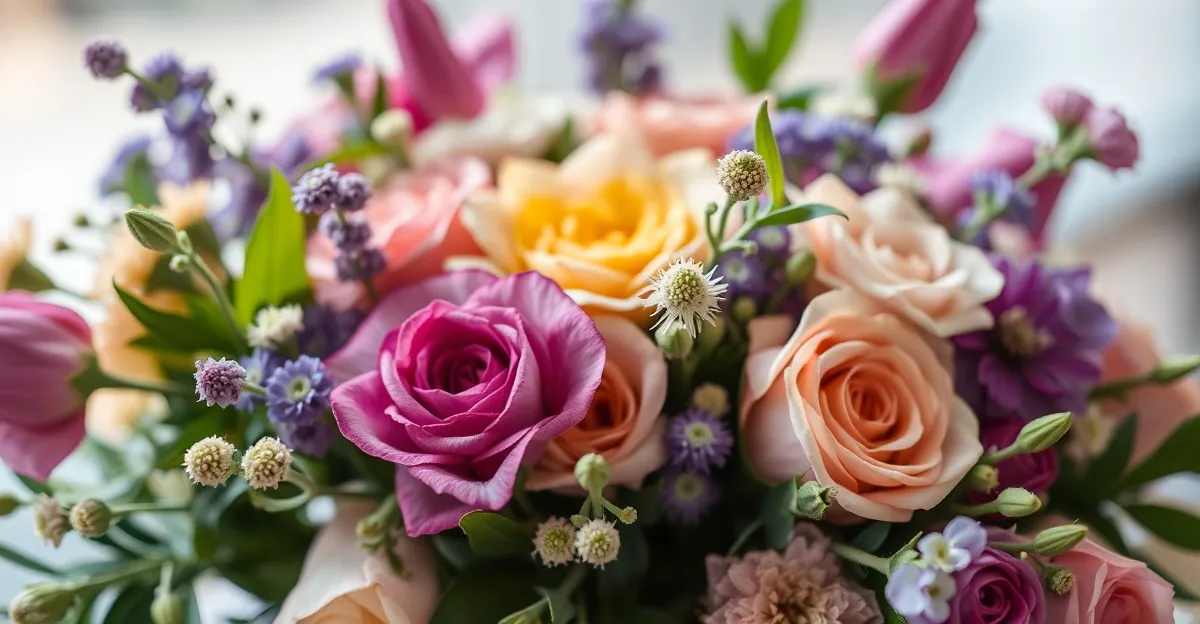
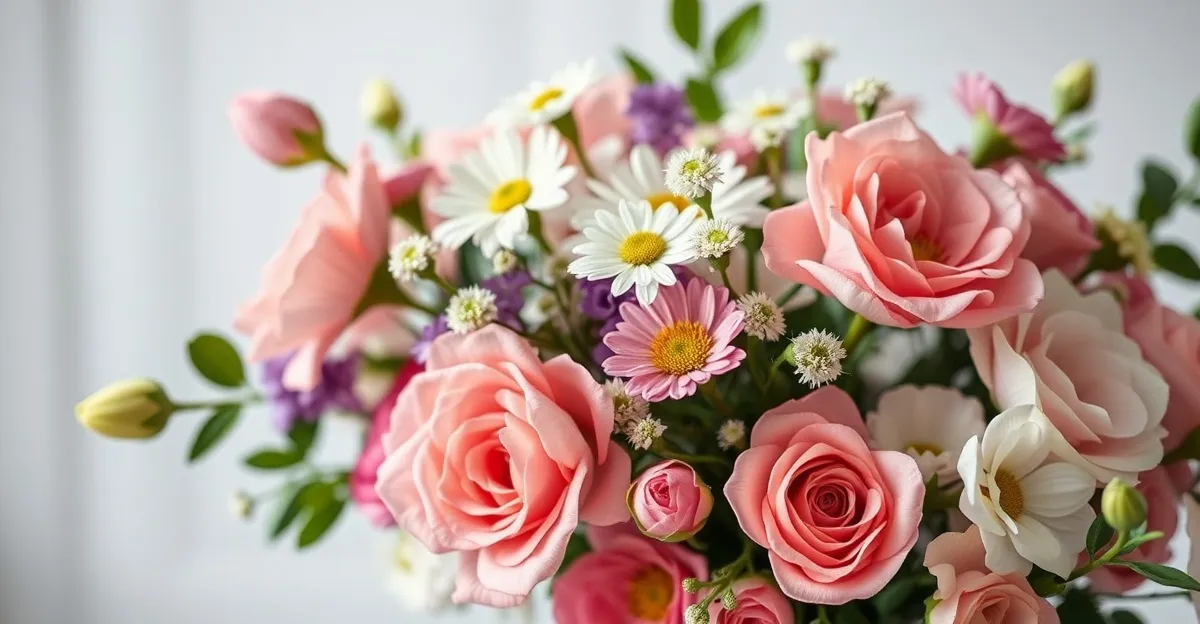
After the ceremony, after the reception, after the goodbye hugs at the villa gate — your bouquet sits on the table and you realise you don't want to just let it wilt. If it was your wedding bouquet, or a gift from someone meaningful, there's a natural impulse to hold onto it. Stock flower, with its fragrance and soft, nostalgic texture, is particularly worth preserving.
The challenge in Bali is the climate. Humidity above 70%, temperatures that rarely drop below 25°C even at night, and intermittent rain during the wet season all work against the traditional preservation methods developed in temperate countries. But with some adjustments, several approaches can work well here.
Understanding what preservation actually does
Before choosing a method, it's useful to know what you're working against. Fresh flowers contain water — a lot of it. After cutting, they gradually lose moisture. In a temperate climate, this happens slowly and evenly, which is why air-drying works so well in countries like England or the Netherlands. In Bali, the combination of heat (which drives evaporation) and humidity (which slows it, unevenly) creates a more complicated situation.
The goal of preservation is to remove water quickly and completely before the flower deteriorates, or to stabilise it chemically while it's still in good condition. The longer you wait to start preserving after the event, the more the flowers will have already deteriorated.
Key rule: Start within 24 hours of the event, ideally the same day. Fresh flowers preserve far better than wilted ones.
Method 1: Silica gel drying
This is the most effective method for preserving shape and color in humid climates, and it's my top recommendation for Bali. Silica gel is a desiccant — it absorbs moisture rapidly. You can find it in bead form at craft stores in Denpasar, or order it online for delivery to your Seminyak or Ubud address.
How to do it:
- Select your best stems while the flowers are still fresh — typically within 6–8 hours of the event
- Cut the stems short (5–8cm is enough — you're preserving the flower head primarily)
- Pour a 3–4cm layer of silica gel beads into an airtight container
- Place the flower heads face-up on the silica gel, ensuring they don't touch each other
- Gently pour more silica gel around and over the flowers, being careful not to crush the petals
- Seal the container tightly
- Leave in a cool, dry place (air-conditioned room is ideal) for 3–5 days
Stock flower's dense florets along the stem require careful coverage — make sure silica gel gets between the individual florets to prevent moisture being trapped. For a full spike of stock, you may need to lay it horizontally in a long container.
The result is a flower that holds its shape and color remarkably well. Stock preserved this way often retains a slight fragrance, which is unusual for dried flowers.
Method 2: Air drying (only for certain conditions)
Traditional air drying — hanging flowers upside down in a dry, airy space — works beautifully in temperate climates. In Bali, it works sometimes, under specific conditions.
The requirements are strict: a genuinely air-conditioned room (below 24°C), good air circulation from a fan, and low-humidity months (July–September). Even then, Bali's humidity can cause flowers to mold before they fully dry, particularly around the dense florets of stock.
If you want to try air drying:
- Bunch stems loosely (no more than 3–5 together)
- Hang upside down in your most air-conditioned room
- Run a ceiling fan on low to improve air movement
- Check daily for mold — remove any affected flowers immediately
- Expect 2–3 weeks for complete drying
The result tends to be more rustic than silica-dried flowers — a natural, faded look rather than a color-preserved look. Stock dries to a muted, dusty version of its original color, which has its own charm.
Method 3: Resin and epoxy casting
For a truly permanent keepsake, flowers can be cast in clear resin or epoxy. This is increasingly popular in Bali, where several craft studios offer this as a service and there's a strong tradition of working with local materials. You can keep the flower's three-dimensional shape while encasing it in something completely permanent.
For epoxy casting, the flowers need to be fully dried first (via silica gel or professional freeze-drying). Placing fresh flowers in resin causes them to rot inside the resin as the moisture activates bacterial growth.
A single stock floret or a small cluster of florets makes a beautiful resin piece — a coaster, a paperweight, or a pendant. Epoxy ornaments with pressed Bali flowers goes into more detail on the local craft options if you want to explore this approach.
Method 4: Pressing
Pressing works for individual stock florets rather than whole stems — the spike form is too thick to press intact. But individual florets from the spike can be pressed beautifully.
Between the pages of a heavy book (or better, a flower press), covered with absorbent paper on both sides, stock florets will press well over 2–3 weeks. For Bali conditions, place the press or books in an air-conditioned room to aid drying.
Pressed stock florets can be used in picture frames, bookmarks, or cards. The color fades somewhat but a soft, papery version of the original pink or white is retained.
Method 5: Professional freeze-drying
Available in some larger Indonesian cities though not commonly in Bali, freeze-drying is the gold standard for preservation. Flowers are frozen rapidly and then placed in a vacuum chamber that removes the ice as vapour, bypassing the liquid phase entirely. The result is a perfectly preserved flower that looks almost identical to the fresh bloom.
If this option interests you, the logistical path typically involves shipping (or flying) the bouquet to a freeze-drying service in Jakarta or Surabaya and having the finished product couriered back. This requires careful planning — the flowers need to be frozen immediately and shipped on dry ice. Expensive and complex, but for a once-in-a-lifetime wedding bouquet it's worth considering.

The team
your florists
weekly subscription · Bali
We write about flowers because we love them. We deliver them because someone should — properly, weekly, across Bali.
— heyflowerPay once for 3, 6, or 12 months, no auto-renewal.
After preservation: displaying in Bali's climate
Once preserved, your flowers still need protection from Bali's humidity. Preserved flowers are brittle and will absorb ambient moisture over time, causing color to fade and flowers to soften and eventually deteriorate.
Display tips:
- Enclose in a glass cloche or sealed display box rather than leaving flowers open to the air
- Add silica gel sachets to the display case to absorb moisture
- Keep away from windows — UV light fades preserved flowers quickly in tropical sun
- Air-conditioned rooms are ideal for long-term display; avoid humid bathrooms or outdoor areas
A beautifully preserved wedding bouquet can last years in these conditions. Without care, Bali's climate can degrade even well-preserved flowers within months.
Choosing what to preserve
If you can't preserve the whole bouquet, prioritize:
- The most meaningful blooms — often the centerpiece flower (roses, peonies, or in this case the stock spikes)
- Flowers with structural integrity — closed or semi-open blooms preserve better than fully open ones
- The freshest stems — examine the bouquet and select the best-looking flowers for preservation
FAQ
Can I start preserving flowers a few days after my event? You can try, but the results will be significantly better if you start within 24 hours. By day three, most stock flowers in Bali's climate will have already begun to deteriorate.
Does silica gel work in a humid Bali environment? Yes, but the container must be airtight. Open or loosely covered containers won't work — the silica gel will absorb ambient humidity rather than drawing moisture from the flowers.
Can I preserve a whole stock spike or just the florets? Whole spikes can be preserved with silica gel in a long, deep container. The key is ensuring silica gel gets between each floret along the spike.
How long do silica-dried flowers last? In an enclosed, dry display environment, 2–5 years. With exposure to Bali's humidity, considerably less — hence the importance of sealed display cases.
Are there florists in Bali who offer preservation services? A few florists in Seminyak and Ubud offer basic drying and arrangement services. Epoxy casting studios exist in the craft-heavy areas around Ubud. For professional freeze-drying, you'll need to look to Java.
Ready to bring fresh flowers to your Bali home or event? Explore our weekly flower subscription and get handpicked blooms delivered to your door every week.
More on Stock flower