How to care for stock flower in Bali's humid climate
Stock flower care tips for Bali's heat and humidity. Keep your Matthiola blooms fragrant and fresh longer with these florist-tested techniques.
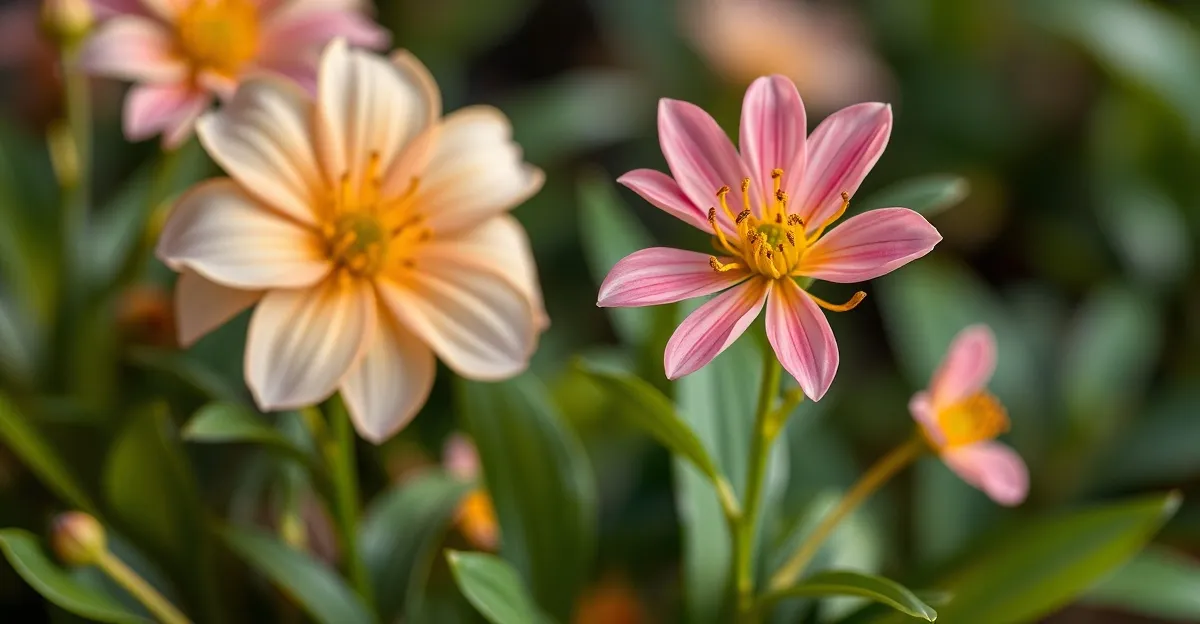
Stock flower (Matthiola incana) has one significant challenge in Bali: it doesn't love the heat, and the heat here is significant. As a cool-season, Mediterranean plant cultivated primarily for the cut flower trade in Bali's highland regions around Bedugul, stock arrives on the coast having already made a demanding journey from altitude to tropical sea-level conditions. Every hour it spends in high temperature and humidity after that journey is drawing down its vase life.
The good news is that stock is reasonably forgiving if you know what it needs, and a few consistent care habits can take vase life from two days to a much more satisfying five or six. Here's what actually works.
Understanding why stock struggles in tropical conditions
Stock evolved in the cool, semi-arid conditions of the Mediterranean and Central Asia. It likes cool roots, good drainage, and relatively dry air. Bali's coastal conditions — 30°C+ daily highs, 80%+ humidity, and warm nights that don't drop much below 24°C — are essentially the opposite of everything stock is designed for.
The main enemy is bacterial growth. Stock's stems are somewhat porous and provide good conditions for bacteria to colonise in warm water. Once bacteria build up in the stem and block the vascular tissue, water uptake stops and the flower wilts even if the vase still appears full. This process happens much faster in warm water than in cool water.
Secondary challenges include dehydration (stock's blooms transpire moisture quickly in warm conditions) and ethylene sensitivity. Stock is one of the more ethylene-sensitive flowers — it ages faster when exposed to ethylene gas from ripening fruit or other aging flowers. In Bali's kitchens and markets, where tropical fruit is abundant, this is worth bearing in mind.
Preparation: the first thirty minutes matter most
When your stock flowers arrive, re-cut the stems immediately at a 45-degree angle. This creates a fresh surface with full water uptake capacity. Cut under water if possible — even holding the stem under running water from a tap while you cut prevents air lock, which happens when a freshly cut stem is exposed to air before entering the vase.
Remove all leaves that would sit below the waterline. Submerged leaves decay rapidly in warm water and are one of the primary drivers of bacterial buildup. Keep only the foliage above the waterline.
Place the freshly cut stems immediately in a vase of cool, clean water. If you have cut flower food, add it — the biocide component is particularly valuable in tropical conditions. If not, a few drops of plain bleach per litre of water (tiny amounts — you want the water to look clear, not smell of bleach) provides some bacterial control.
Temperature: your single biggest lever
More than almost anything else, temperature determines how long your stock will last. An air-conditioned room extends vase life significantly; a hot, naturally-ventilated room does the opposite.
Ideal storage temperature for stock is between 2°C and 8°C — this is what commercial cold rooms run at, and it's not realistic at home. But even getting the ambient temperature down from 32°C to 22°C makes a measurable difference. An air-conditioned living room in Seminyak or Canggu, held at around 22-24°C, gives your stock flowers a real chance.
If you have a spare spot in a cool fridge (not the main compartment where food produces ethylene), placing the flowers overnight extends their life. A wine fridge is ideal. Even a few hours of cool storage each day makes a difference.
Water management
Change the vase water completely every second day — not just topping it up, but emptying, rinsing, and refilling with fresh cool water. In Bali's heat, vase water clouds and develops bacterial bloom faster than in temperate climates. When you change the water, also re-cut the stems by about a centimetre.
Use the cleanest water available. Bali's tap water can carry mineral content that affects flower food chemistry. If you're using bottled or filtered water, that's genuinely beneficial for stock and other sensitive flowers.
The vase itself matters. Residual bacteria from previous flower arrangements shortens the life of new flowers significantly. A quick wash with a drop of bleach solution followed by thorough rinsing before each use is good practice.
Location in the home or villa
Keep stock away from:
- Direct sunlight (heats water and blooms, accelerates decay)
- Bowls of fruit (ethylene production)
- Air conditioning vents that blow warm or cold air directly onto the flowers
- Areas with strong airflow that could dry the blooms
A table in the corner of a cool room, away from windows that get direct afternoon sun (west-facing windows in Bali's tropical sun are particularly intense), is a good default position.
Bali's afternoon heat — roughly noon to 5pm — is the hardest part of the day for cut flowers. If you know your villa or home gets significantly warmer in the afternoon, position the flowers in the coolest spot available during these hours.

The team
your florists
weekly subscription · Bali
We write about flowers because we love them. We deliver them because someone should — properly, weekly, across Bali.
— heyflowerPay once for 3, 6, or 12 months, no auto-renewal.
Signs your stock needs attention
The clearest early signal is when the lower blooms on the spike start to fade and drop. This is normal progression for stock — the flowers open from the bottom of the spike upward — but if it happens rapidly (within a day or two of purchase), it often indicates water uptake issues.
Stem softening near the base is a more serious sign. If the stem feels soft or waterlogged just above the cut, re-cut significantly higher up the stem (remove the compromised portion entirely) and place in fresh water. This sometimes rescues the arrangement.
Yellowing leaves can indicate either age or ethylene exposure. Remove them as they yellow — they don't contribute aesthetically and their decomposition adds to bacterial load.
Pairing for extended arrangement life
Pairing stock with longer-lasting flowers means that even as the stock peaks and fades, the arrangement remains worth looking at. Pairing stock flower with other blooms covers specific companion flowers in detail, but generally: chrysanthemums, anthuriums, and sturdy tropical foliage all outlast stock and hold an arrangement together after the stock blooms pass their peak.
FAQ
How long does stock flower last in Bali? In an air-conditioned room: five to seven days. In a warm, naturally ventilated room: two to four days. The temperature difference is the primary variable.
Can I keep stock flowers in the fridge? Yes, briefly — a wine fridge or a fridge section away from ethylene-producing fruit works well. Avoid placing stock near apples, pears, or tropical fruits, all of which produce ethylene that shortens flower life.
Why does my stock wilt quickly even though the vase has water? Most likely bacterial stem blockage. Re-cut the stems significantly, change the water, and add a drop of bleach or flower food. If the stem is soft near the base, cut above the soft section.
Does misting help stock flower in Bali? Not significantly. Unlike some flowers, stock doesn't benefit greatly from misting in humid conditions and can actually develop fungal spotting on the blooms if misted in warm, humid air. Focus on cool water and clean vases instead.
Is stock sensitive to any other household products? Yes — ethylene gas (from ripening fruit) ages stock faster than many flowers. Keep your stock arrangement away from fruit bowls. Also avoid placing near other aged flowers that are dropping petals, as these also produce ethylene.
Ready to bring fresh flowers to your Bali home or event? Explore our weekly flower subscription and get handpicked blooms delivered to your door every week.
More on Stock flower