How to preserve a baby's breath bouquet after the event
Step-by-step guide to preserving and drying baby's breath bouquets in Bali's tropical climate, so your flowers last for months or years.
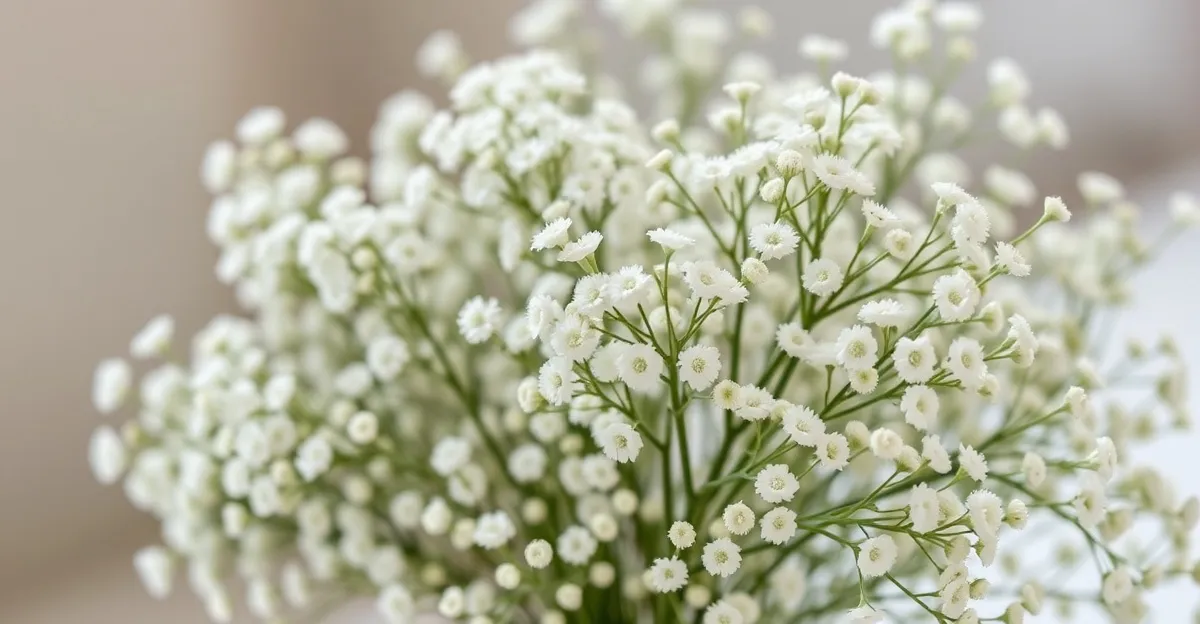
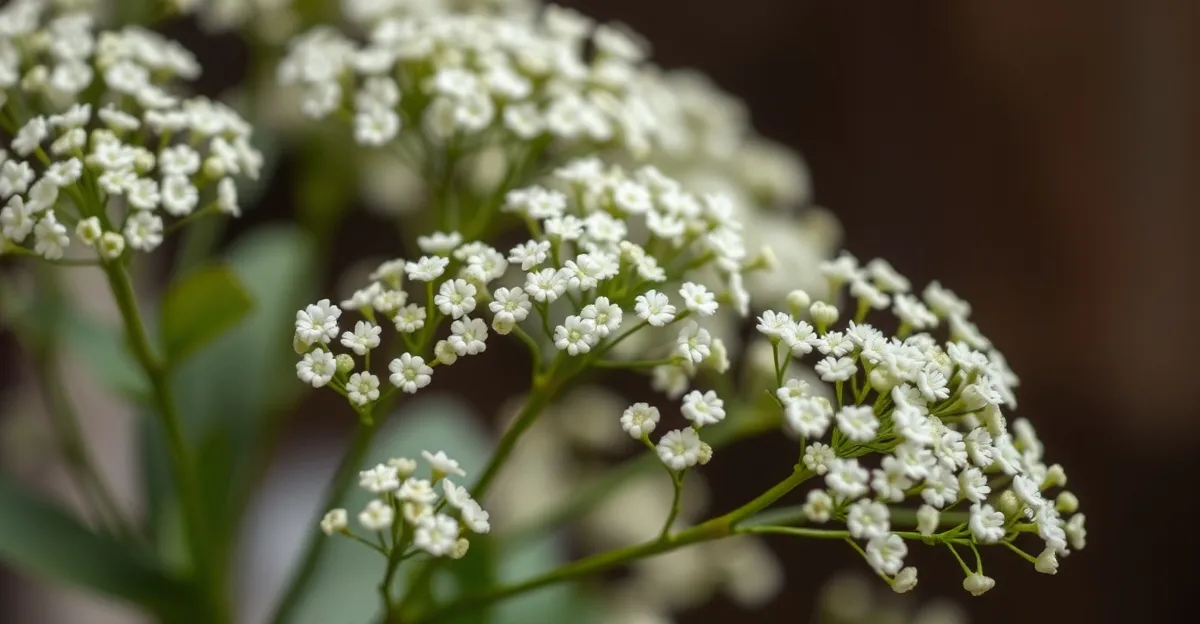
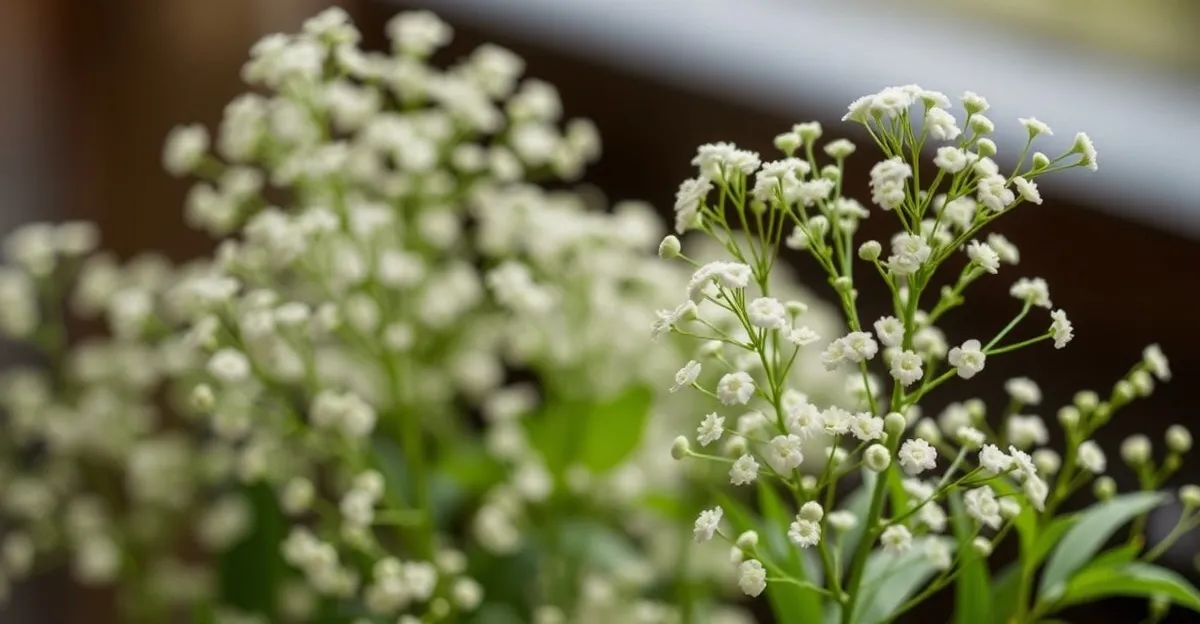
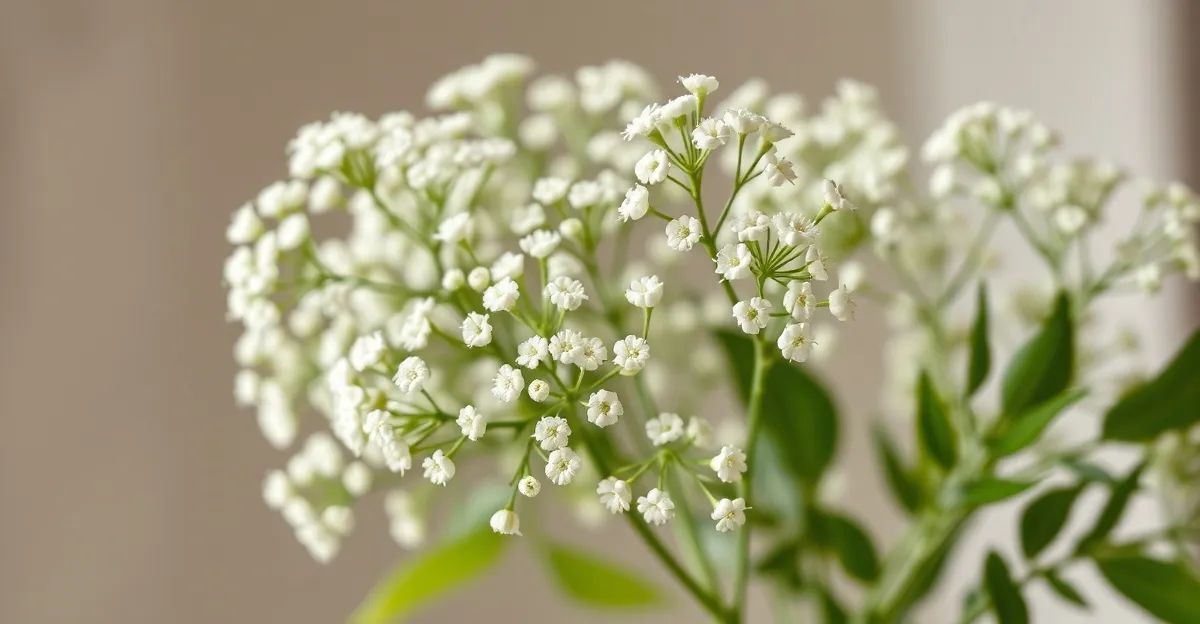
The bouquet from a wedding, a birthday, a graduation — there are moments we want to hold onto, and the flowers from those moments can be a beautiful, tangible way to do that. Baby's breath is perhaps the best flower in the world for preservation. It dries beautifully, holds its cloud-like form with astonishing fidelity, and remains genuinely lovely for months or even years after the event.
In Bali, where the tropical climate creates some challenges for fresh flower longevity, preservation actually works in your favour: the warmth and airflow that makes fresh flowers fade faster also speeds up the drying process, turning your bouquet into a lasting keepsake within a week rather than two.
This guide covers every method for preserving baby's breath in Bali's conditions, from the simplest hang-dry approach to more involved silica gel techniques.
Why Baby's Breath Preserves So Well
Before we get into methods, it's worth understanding why baby's breath is such an exceptional candidate for preservation.
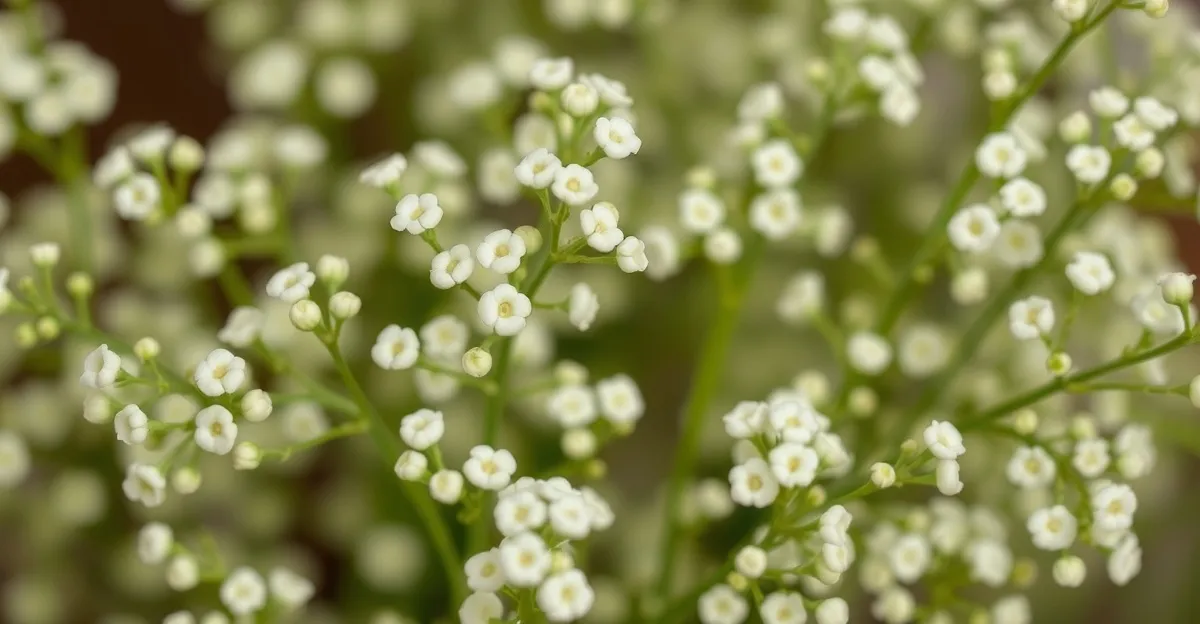
The individual florets of Gypsophila are very small and have minimal water content relative to their surface area. This means they lose moisture quickly and completely during the drying process, with very little shrinkage or distortion. Large-petalled flowers like roses or peonies contain a lot of water, which causes them to collapse and distort during drying unless carefully supported.
Baby's breath also has a lignified (slightly woody) stem structure that doesn't collapse when the moisture leaves. The stems hold their shape well, and the overall bouquet form is maintained through drying.
The result: dried baby's breath looks almost like fresh baby's breath — just slightly smaller, slightly warmer in colour, and with a papery texture. Many people find the dried version even more beautiful than the fresh.
Method 1: Hang Drying (The Simplest Approach)
This is the easiest method and works reliably in Bali's climate. The warm temperatures and good airflow that are constant features of Bali living make hang drying faster and more effective here than in cooler climates.
Step-by-Step
Step 1: Prepare the bouquet immediately after the event Don't let the bouquet sit in water for days before preserving — the longer it stays fresh, the more the cellular structure softens, which can affect how it holds during drying. Ideally, start the preservation process within twenty-four to forty-eight hours of receiving the flowers.
Step 2: Remove foliage from stems Strip any leaves from the lower stems. Foliage tends to dry more slowly and can become mouldy in Bali's humidity, potentially contaminating the flowers. Keep any foliage that's part of the bouquet design in the flower heads — only remove stem foliage below the flower clusters.
Step 3: Bundle the stems loosely If you have a large bouquet, divide it into smaller bundles of three to five stems each. This allows air to circulate around each stem during drying. Use rubber bands rather than tight string — rubber bands accommodate the shrinkage in stem diameter as moisture leaves.
Step 4: Hang upside down The upside-down position is important: it allows the flower heads to maintain their natural form as they dry, rather than drooping. It also encourages any remaining vase water to drain away from the flower heads rather than pooling in them.
Step 5: Choose the right drying spot This is the most important decision in Bali conditions. You want:
- Warm and dry (not the bathroom, not a damp corner)
- Good airflow (a covered veranda, a well-ventilated room, near an open window)
- No direct sunlight (sun bleaches the flowers to an unflattering grey-white rather than the beautiful warm ivory of naturally dried Gypsophila)
- Low traffic (to prevent accidental disturbance while flowers are fragile from drying)
A covered outdoor area in the shade, or an indoor room with open windows and ceiling fan, is ideal in most Bali homes.
Step 6: Wait In Bali's climate, baby's breath typically dries fully within five to ten days. Check by touching the stems — when they feel crisp and the flowers rustle dryly, the process is complete.
After Drying
Handle dried baby's breath gently — it's fragile once completely dry. Reassemble the bouquet if you separated it into bundles. You can secure it with a ribbon or wire. Display it in a vase (without water), hang it on a wall, or display it under a glass dome.
Method 2: In-Vase Drying (The Passive Approach)
If you want to preserve a bouquet without the effort of hang drying, in-vase drying is a gentler alternative. Simply place the bouquet in a vase without water and allow it to dry in place.
When This Works Best
This method works well when the flowers are already a few days past peak freshness — they've begun to dehydrate naturally and will continue drying rather than deteriorating. A wedding bouquet brought back to a villa after the ceremony is a good candidate.
The Process
Remove the bouquet from water. Pat the stems dry gently. Place in a dry vase in a well-ventilated spot out of direct sun. The flowers will slowly dry over the next one to two weeks.
Limitations
In-vase drying in Bali's humidity carries slightly more risk of mould on the stems compared to hang drying, because the stems aren't receiving as much airflow. Check every few days, and if you notice any mould beginning on stems (usually visible as a grey or white fuzz), remove those stems and increase airflow.
Method 3: Silica Gel Drying (For Maximum Preservation)
Silica gel is a desiccant — a substance that absorbs moisture — available from craft shops and some pharmacies in Bali (check shops in Denpasar or order online). This method produces the most perfect preservation results, with flower colour and form preserved with remarkable fidelity.
When to Use Silica Gel
Silica gel is particularly worth the extra effort when:
- You want to preserve a specific, sentimental bouquet as perfectly as possible
- The bouquet includes other flowers alongside baby's breath that are more fragile
- You want to keep individual stems intact for a display or craft project
Step-by-Step
Prepare a container: Use an airtight container large enough to lay your flower stems without crowding. A plastic storage box with a lid works well.
Pour a base layer of silica gel: About 2 to 3 centimetres of silica gel in the bottom of the container.
Place stems: Lay stems gently on the silica gel, flower heads up. For baby's breath, you can cluster stems gently — the small florets make it manageable even in groups.
Cover with silica gel: Carefully pour silica gel around and over the flower heads, filling all the spaces between florets. Work gently to avoid crushing the clusters.
Seal the container: Close the lid tightly and leave for three to five days in a warm spot.
Uncover carefully: When you open the container, gently lift the flowers and brush away remaining silica gel with a soft paintbrush.
Reusing Silica Gel
Silica gel changes colour when it's saturated with moisture (typically from blue to pink, or from orange to green depending on the type). To reuse it, spread it on a baking tray and heat in an oven at low temperature (around 100°C) until it returns to its original colour. This can be done multiple times.

The team
your florists
weekly subscription · Bali
We write about flowers because we love them. We deliver them because someone should — properly, weekly, across Bali.
— heyflowerPay once for 3, 6, or 12 months, no auto-renewal.
Method 4: Pressed Baby's Breath
Baby's breath also presses beautifully, though the effect is different from dried preservation — flatter and more graphic, suitable for framing or incorporating into cards and art pieces.
Place individual stems between sheets of blotting paper or parchment paper, then sandwich between heavy books. In Bali's warmth, pressing happens relatively quickly — five to seven days for most stems.
Pressed baby's breath makes beautiful additions to framed botanical art, particularly layered with pressed leaves and other flower fragments.
Displaying Preserved Baby's Breath in Bali
Dried and preserved baby's breath is well-suited to Bali's interior aesthetic. It pairs naturally with rattan furniture, natural wood textures, and the earthy, organic quality of much Bali villa décor. A few display ideas:
Simple vase display: A tall, simple ceramic or glass vase filled with dried baby's breath is effortlessly beautiful. The warm ivory of dried Gypsophila looks particularly good against terracotta or natural stone surfaces.
Hanging wall installation: A bundle of dried baby's breath tied with a ribbon and hung on a bare wall is a natural Bali-appropriate art piece. Consider combining with dried pampas grass, dried tropical leaves, or preserved eucalyptus.
Glass dome display: A glass dome (available from home décor shops in Denpasar and Seminyak) over a dried bridal bouquet is a classic and beautiful way to preserve and display a wedding keepsake.
Wreath: Dried baby's breath woven into a circular wreath base creates an elegant, longlasting wall or door decoration. In Bali's climate, a dried wreath can last for a year or more.
Frequently Asked Questions
How long does dried baby's breath last in Bali?
Properly dried and displayed baby's breath can last for one to two years or more in Bali conditions. Humidity is the main enemy of dried flowers — if your display space is unusually damp, the flowers may reabsorb moisture and begin to deteriorate. Air conditioning or good natural ventilation in the display space helps significantly.
Does baby's breath change colour when dried?
Yes, slightly. Fresh white baby's breath dries to a warm ivory or cream colour — the change is subtle and generally considered beautiful. The natural ageing process creates a warmer, more antique tone that many people prefer to the stark white of fresh Gypsophila. Dyed varieties (pink, lavender, yellow) generally hold their colour well during drying, fading only slightly.
Can I use hairspray to preserve baby's breath?
Hairspray is sometimes recommended as a quick fixative for dried flowers. It helps prevent petals from crumbling and can add a slight sheen. For baby's breath, a light coat of hairspray after drying can help stabilise the fragile dried florets. Use it very sparingly from a distance — heavy application can mat the florets together and diminish the cloud-like effect.
Is it possible to rehydrate preserved baby's breath?
No. Once fully dried, baby's breath cannot be rehydrated to return to its fresh state. The cells have lost their structural integrity. The dried form is permanent and should be treated as a dried decoration rather than something that can be revived.
What's the best way to clean dusty dried baby's breath?
Use a hair dryer on the coldest, lowest setting, held well away from the flowers, to gently blow dust away. Alternatively, a very soft paintbrush can dust individual clusters. Avoid wiping or brushing with anything firm, as dried baby's breath is extremely fragile.
Preserve the Memory, Keep the Beauty
At heyflower.co, we love knowing that the flowers we send out into Bali become lasting parts of people's stories. A bridal bouquet preserved and displayed in a villa, a birthday arrangement dried into a wall piece, a weekly subscription arrangement that gets kept and dried when the next one arrives.
Baby's breath makes this beautifully possible. If you'd like a regular source of beautiful flowers to fill your home — and occasionally preserve — explore our subscription options at heyflower.co/#subscriptions and let us bring consistent beauty to your Bali life.
More on Baby's breath