How to Care for Rose in Bali's Humid Climate
Roses wilt fast in Bali's tropical heat without proper care. Follow these tips to keep your rose bouquet fresh for up to two weeks in any season.
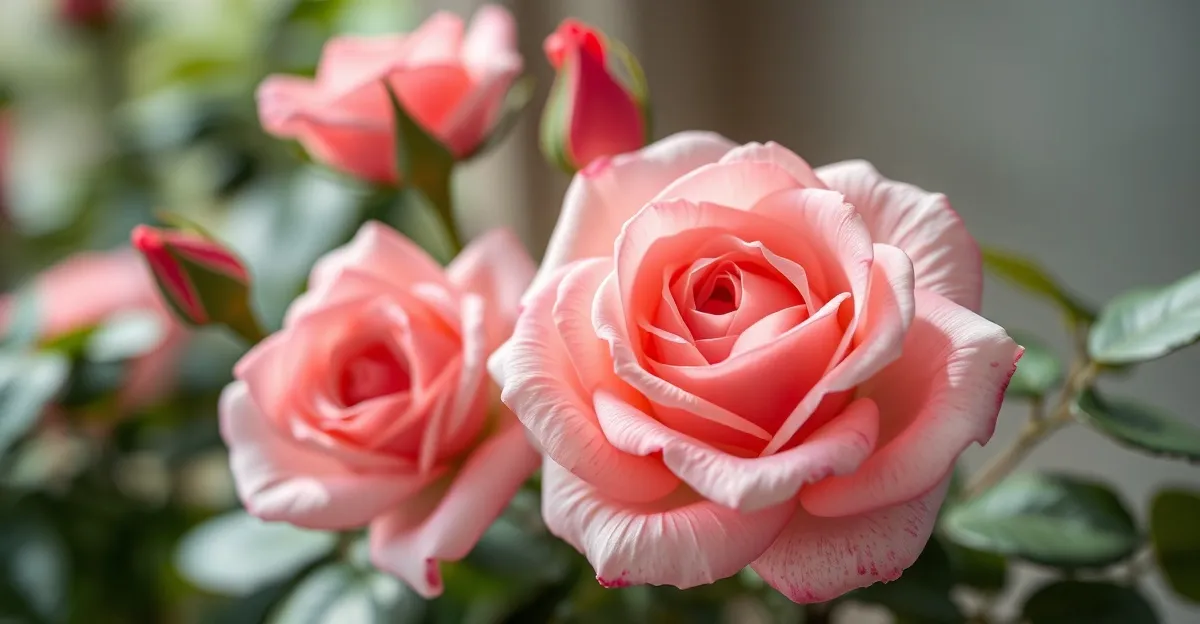
Roses are among the most beloved flowers in the world, but they're not tropical by origin. A rose designed for a cool European climate stepping into Bali's heat and humidity faces real challenges. Without the right care, a beautiful bouquet can start looking tired within two to three days — well short of the week or more it should last.
The good news: caring properly for roses in Bali's climate isn't complicated. A few specific practices make the difference between flowers that stay beautiful for five to seven days and ones that collapse by Thursday. This guide gives you exactly what you need to know.
Why Bali's Climate Is Challenging for Roses
Roses come from temperate regions — the mountain valleys of Persia and Central Asia, European cottage gardens, the cool highlands of East Africa (where most commercial roses are now grown). They perform best in temperatures between 15–25°C. Bali's lowland average sits between 27–32°C throughout the year, with high relative humidity, particularly during the wet season (November to March).
In these conditions, cut roses face several challenges:
- Bacterial growth: Warm water encourages bacteria that block the stems and prevent water uptake
- Dehydration: High temperatures increase the rate at which petals lose moisture
- Petal burn: Direct tropical sun or strong heat from air conditioning can cause petal edges to brown
- Premature opening: Heat accelerates blooming, which is sometimes desirable but often means the roses go from bud to fully open to overblown very quickly
Understanding these challenges tells you exactly what to counter.
The Moment the Roses Arrive
What you do in the first 30 minutes after your roses are delivered has the biggest impact on their overall vase life. This isn't an exaggeration — stem conditioning on arrival can extend vase life by two to three days.
Step 1: Get Them Into Water Immediately
Don't admire them, photograph them, or arrange them before they're in water. The longer cut stems are without water in the tropical air, the more air bubbles form in the cut end, blocking water uptake. Speed matters.
If you need to photograph the delivery before placing them in a vase, do it quickly — within five minutes. Then get them in water.
Step 2: Trim the Stems
Before placing stems in water, cut approximately 2–3cm off the bottom of each stem at a 45-degree angle. Use sharp scissors or a knife — crushed stems don't draw water as effectively. Cut under running water or submerged in water if possible, which prevents air from entering the fresh cut immediately.
Remove any leaves that will sit below the waterline. Submerged leaves decay and feed bacteria in the water.
Step 3: Choose the Right Vase and Water
Use a clean vase — bacteria from a previously used vase is one of the most common causes of premature wilting. Rinse with a little white vinegar, then clean water, before filling.
Fill the vase with cool water. Not cold (don't use ice), but cooler than room temperature. In Bali's heat, water at room temperature warms up quickly and becomes a bacterial breeding ground. Cooler initial water extends the useful period between changes.
Add a flower food packet if one came with your delivery. If not: a small pinch of sugar (energy for the flowers), a few drops of bleach or a copper coin (antibacterial), and a teaspoon of vinegar (pH balance) works effectively.
Positioning: Where to Place Your Roses
Location is critically important for rose longevity in a tropical climate.
What to Avoid
Direct sunlight: Bali's sun is fierce. Even through a window, direct sun will cause rose petals to dehydrate rapidly and brown at the edges. Keep roses out of direct sun.
Air conditioning directly: A/C blows dry air, which dehydrates roses faster than natural tropical air. Don't place roses directly in the path of an air conditioning unit.
Near fans: Similar issue — moving air accelerates moisture loss from petals. Gentle natural air movement is fine; a fan pointed at your roses is not.
Near fruit bowls: Ripening fruit emits ethylene gas, which accelerates flower aging. Keep roses away from bananas, apples, and other ripening fruit.
What Works
The ideal spot for roses in Bali is a bright but not sunny location, with good natural air circulation and no strong artificial air streams. An indoor space away from direct windows, or a shaded covered outdoor area, works well.
If you're keeping roses in a room with air conditioning, position them toward the centre of the room rather than near the vents, and keep the temperature moderate (25–26°C rather than 20°C) when the roses are in use.
Ongoing Care Through the Week
Water Changes
In Bali's warmth, change the vase water every two days rather than every three to four. Each time you change the water:
- Empty and rinse the vase
- Re-cut the stems (2–3mm off the bottom is sufficient for subsequent cuts)
- Refill with cool, clean water and a small amount of flower food
This two-day rhythm keeps bacterial levels low and stem uptake efficient.
Misting
In very hot or dry conditions (during the dry season, particularly in rooms with air conditioning), light misting of the rose petals with clean water helps maintain humidity around the blooms. Use a fine spray bottle. Don't soak the petals — just a light mist once or twice daily.
Removing Aging Blooms
As individual roses in a bouquet age at different rates, remove wilted or browned blooms promptly. Decaying flowers release ethylene gas that accelerates aging in adjacent blooms. Keeping the arrangement curated — removing what's past — prolongs the life of the remaining flowers.
Managing Roses in the Wet Season
The wet season (November through March) brings challenges different from the dry season. Humidity spikes, sometimes reaching 90%. In very high humidity conditions, roses can actually absorb excess moisture, causing petals to become soft and bruise more easily.
In these conditions:
- Ensure good air circulation around your arrangement (not direct fan air, but ambient movement)
- Change water more frequently — every day or every other day
- Keep arrangements away from areas where humidity is highest (directly above boiling water, near a swimming pool)
High humidity also encourages mould growth on petals and in vase water. Keep vases scrupulously clean during the wet season.
Reviving Wilting Roses
If your roses start to wilt earlier than expected, try the overnight soak revival technique before giving up:
- Fill a large bucket or bathtub with cool water
- Re-cut the stems (removing at least 3–5cm to get past any blockage)
- Submerge the entire rose — stem, leaves, and bloom — in the water
- Leave overnight (8–12 hours)
- Remove, shake gently, and return to a clean vase with fresh water
This works for roses that are wilting due to dehydration or stem blockage. It won't revive roses that have already browned and dried. But for roses that drooped prematurely, it's surprisingly effective.

The team
your florists
weekly subscription · Bali
We write about flowers because we love them. We deliver them because someone should — properly, weekly, across Bali.
— heyflowerPay once for 3, 6, or 12 months, no auto-renewal.
Extending Vase Life With Simple Additions
Beyond standard care, a few simple additions help roses last longer in tropical conditions:
Aspirin: A crushed aspirin in the vase water lowers pH, creating conditions less hospitable to bacteria. Use one regular aspirin per litre of water.
Apple cider vinegar: A teaspoon per litre of vase water serves a similar function.
Copper coin: A copper coin (or a small piece of copper pipe) in the vase acts as a natural antibacterial. Traditional and surprisingly effective.
Sprite or lemonade: A small amount (5ml per litre) of clear lemon-lime soda provides sugar for energy and acidic pH. This sounds odd but has been scientifically validated.
These additions work as complements to proper care, not replacements for it. Water changes and stem trimming remain the most important practices.
Rose vase life in the tropics: how long do they last? dives deeper into the specific lifespan data for different rose varieties in Bali's climate — useful if you're comparing varieties for longevity.
What to Expect: Realistic Timelines
With good care, roses in Bali should last:
- Locally grown roses: 5–7 days
- Quality imported roses (Kenya, Colombia, Java highlands): 7–10 days
- Premium long-stem imported roses: 10–14 days with excellent care
Without care: 2–3 days in the heat. The difference care makes is not marginal.
How to preserve a rose bouquet after the event covers what to do once the vase life is over and you want to keep the flowers in some form — pressing, drying, or other preservation methods.
Frequently Asked Questions
Why do my roses wilt so much faster than in other countries?
Primarily temperature. The warm tropical climate accelerates bacterial growth in vase water and increases the rate of moisture loss from petals. The same roses that last two weeks in a 18°C European kitchen will last one week in Bali's warmth. Good care can't change the climate, but it can close a lot of the gap.
Should I use cold water from the refrigerator?
Cool water is good; ice-cold water is not recommended. Extremely cold water can cause temperature shock in roses. Aim for pleasantly cool — like a cold glass of water you'd be happy to drink, not like ice water. Some people store roses briefly in a cool room (not freezing) overnight, which can extend life.
My roses are in a very air-conditioned room. Is that better or worse for them?
A moderately air-conditioned room (around 22–24°C) is better than a hot room without A/C. But a strongly air-conditioned room where the air is very dry and cold-blowing is worse. The ideal is moderate, stable temperature with minimal air movement directly on the blooms.
What's causing the brown edges on rose petals?
Brown petal edges (called "petal burn") are usually caused by dehydration, either from heat, direct sun, or air conditioning drafts. Less commonly, it can be caused by chemical sensitivity — if your tap water has high fluoride or chloride content, try filtered water. Some very delicate rose varieties show browning more quickly than others.
Do roses need to be in a completely dark space at night?
No. Roses don't need darkness, but they do benefit from cooler temperatures at night. If you have the option of moving roses to a cooler room overnight (or turning down air conditioning slightly), this extends their life. It's a minor factor compared to water quality and stem care.
Keep your Bali roses looking their best all week. heyflower.co delivers fresh roses and mixed arrangements to Canggu, Seminyak, Berawa, Pererenan, and Kerobokan — with care instructions included with every order.
More on Rose