Can calla lily grow in Bali? A florist's perspective
Calla lily can grow in Bali, but the tropical heat creates real challenges. A Bali florist explains where it thrives, how it's sourced, and what to realistically expect.
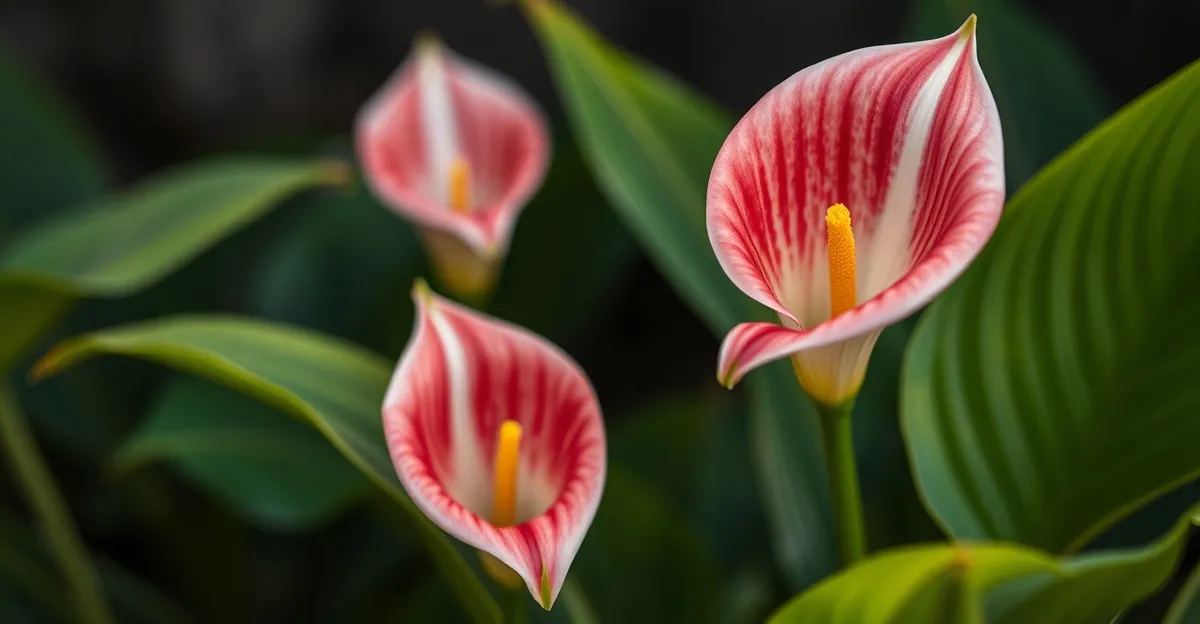
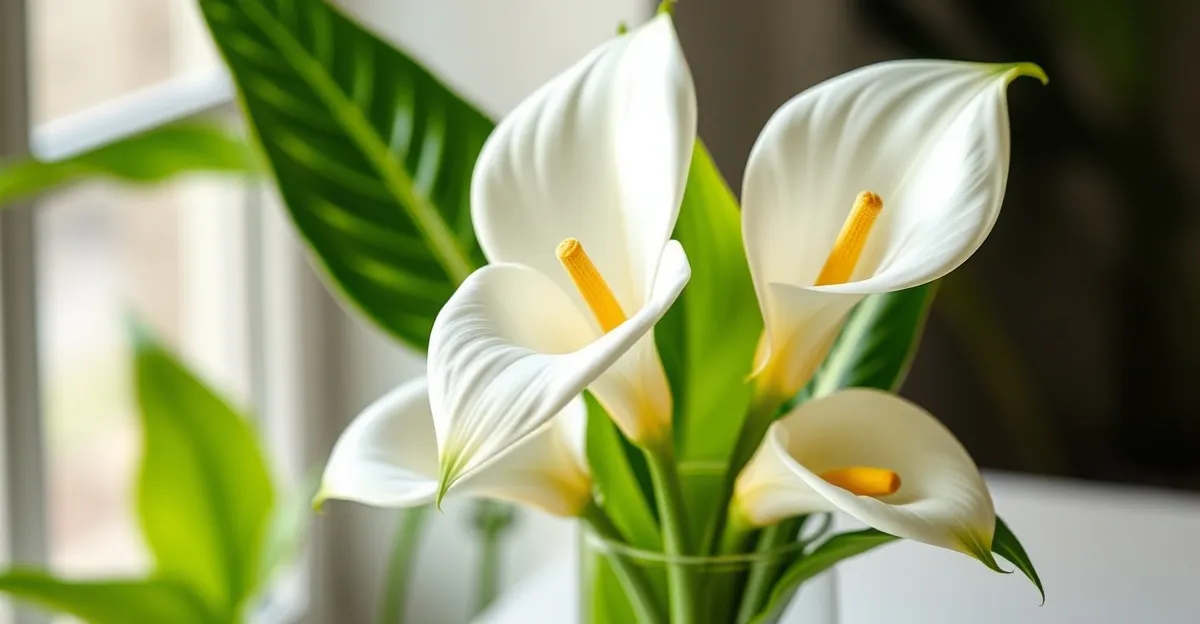
Calla lily (Zantedeschia aethiopica) is one of the most requested flowers by couples planning Bali weddings and events. Its clean architectural lines, range of colours, and association with elegance make it an obvious choice. But when those same clients ask whether they can grow calla lily in their Bali villa garden — or wonder where the flowers in their arrangement actually come from — the answer requires some explaining.
The short version: yes, calla lily can grow in Bali, but it prefers the island's highlands and struggles at sea level in the full tropical heat. Most of what you see in Bali's florists comes from Java or imported through Denpasar's wholesale flower market.
What calla lily actually needs
Calla lily is native to southern Africa — specifically the marsh areas of South Africa and Lesotho — and its natural habitat gives important clues about its growing requirements. It evolved in seasonally wet conditions with moderate temperatures, good drainage when not in active growth, and a distinct dormancy period.
The plant prefers temperatures between 15°C and 25°C. Below 10°C it goes dormant; above 30°C it begins to struggle — leaves yellow, flowering stops, and rhizomes can rot if the soil is also wet. This upper temperature threshold is the main challenge in Bali, where coastal areas regularly reach 32°C–35°C and humidity is consistently high.
Calla lily also requires full sun to partial shade and well-draining, slightly acidic to neutral soil. It performs best with consistent moisture during the growing season but resents waterlogged conditions between growing cycles.
Where in Bali calla lily performs well
The Kintamani area — the volcanic highland around Gunung Batur in the Bangli regency, sitting at 1,000–1,500 metres above sea level — has temperatures consistently 8–10 degrees cooler than Bali's coast and represents the most suitable growing environment on the island. Farmers in this area grow a range of temperate-leaning vegetables and flowers alongside their traditional crops, and calla lily is among the commercially viable flowers here.
Bedugul, in the Tabanan highlands (around 1,200 metres), similarly supports calla lily cultivation. The Bedugul area is Bali's main source of temperate flowers — carnations, gladiolus, marigold, and some varieties of lily including calla are grown here and sold at the Candikuning market, which supplies florists across the island.
At lower elevations — Ubud (around 300 metres), Sanur (sea level), Seminyak (sea level) — calla lily will grow but will generally not flower as reliably. In a shaded, well-managed garden with irrigation control and good air circulation, you may get blooms during the cooler months (June–September), but the results are less consistent than in the highlands.
Container growing at lower elevations
Container growing gives you temperature flexibility that in-ground planting cannot match. Large pots in shaded locations — on a covered terrace, under a pergola, or in a shaded courtyard — can sustain calla lily through Bali's hot season by giving you control over moisture, drainage, and microclimate.
The key for container calla lily in coastal Bali is airflow and afternoon shade. Morning sun with shade from around 11am onwards significantly reduces heat stress. A good quality, free-draining potting mix with added perlite keeps the rhizomes healthy without waterlogging in the wet season.
Calla lily in containers will typically grow through Bali's cooler, drier months (May–October) and go into a partial dormancy during the hottest, wettest period (November–March). This is not failure — it is the plant following its natural cycle. Remove dead foliage, reduce watering, and the rhizome will regenerate when temperatures moderate.
How Bali's florists source calla lily
Most calla lily sold by Bali florists comes through the Denpasar wholesale flower market (Pasar Bunga), which aggregates supply from across Indonesia and international sources. Java — particularly the Dieng Plateau in Central Java and the highlands around Lembang in West Java — is the primary domestic source. These highland growing areas have the temperature profile that calla lily needs, and Java's size and agricultural infrastructure support commercial-scale production.
International supply also arrives in Denpasar, primarily from China, the Netherlands (which exports flowers globally through Aalsmeer), and Ecuador. Cut calla lily is one of the flowers where international supply can sometimes offer better quality consistency than domestic highland production, particularly for the coloured varieties (black, purple, orange, pink) that are less commonly grown in Indonesia.
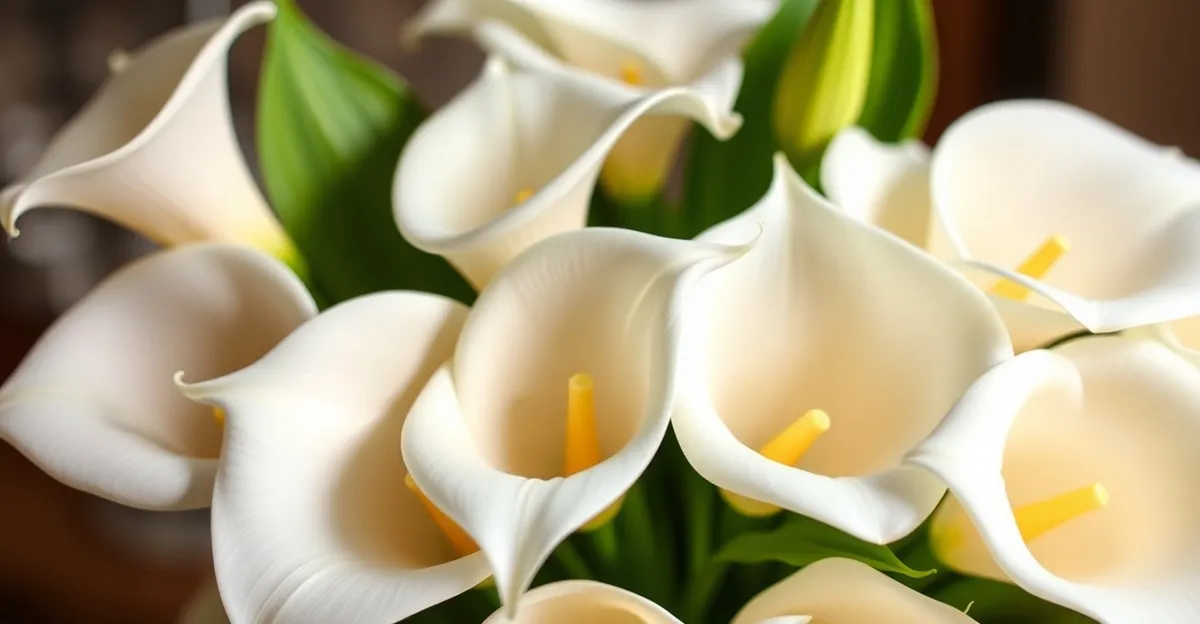
What this means practically: the white calla lily in a Bali wedding bouquet is likely either from Java's highlands or imported. Locally grown highland Bali calla lily exists but represents a small fraction of the total market supply.

The team
your florists
weekly subscription · Bali
We write about flowers because we love them. We deliver them because someone should — properly, weekly, across Bali.
— heyflowerPay once for 3, 6, or 12 months, no auto-renewal.
Growing tips for Bali conditions
If you want to try growing calla lily in your Bali home or villa garden:
Choose your location carefully — anywhere above 500 metres elevation gives you a meaningful advantage. In Ubud or higher, you have a realistic chance of consistent blooms.
Plant in well-drained, slightly raised beds — Bali's wet season rainfall (up to 300mm in January) can waterlog root zones that would be fine in drier climates.
Use rhizomes, not seedlings — rhizomes from a local highland nursery or the Candikuning market will have acclimatised to Indonesian conditions better than imported seedlings.
Time planting for the dry season — plant rhizomes at the start of the dry season (April–May) so the plants establish before the peak heat and then bloom through the cooler months.
Fertilise conservatively — over-fertilising with nitrogen encourages lush leaf growth at the expense of flowers. A low-nitrogen, balanced fertiliser encourages blooms.
For context on pairing calla lily with other blooms: a florist's guide, we cover how to use calla lily most effectively once you have it.
FAQ
Can I buy calla lily plants at Bali nurseries? Yes — highland nurseries around Kintamani and Bedugul, and some of the larger nurseries in Ubud and the Sanur nursery belt, stock calla lily rhizomes and occasionally small plants. The selection of colours varies but white (Zantedeschia aethiopica) is the most consistently available.
Will calla lily survive Bali's wet season? In highland locations with good drainage, yes. At sea level with heavy clay soil, root rot during the wet season is a common problem. Reduce watering dramatically when the plant is not actively growing, and ensure the rhizome can drain freely.
What is the best month to plant calla lily in Bali? April through June — at the start of the dry season. This gives the rhizome time to establish, pushes growth through the cooler dry months, and positions the plant for flowering during the optimal period (August–October).
Why does my coastal Bali calla lily not flower? Usually temperature. At sea level in Bali's heat, calla lily will produce leaves but may not initiate flowers. The plant needs temperatures below 25°C to set flower buds reliably. If your garden never gets below 28°C, even during the "cool" season, consistent flowering is unlikely without shade management and regular irrigation to cool the root zone.
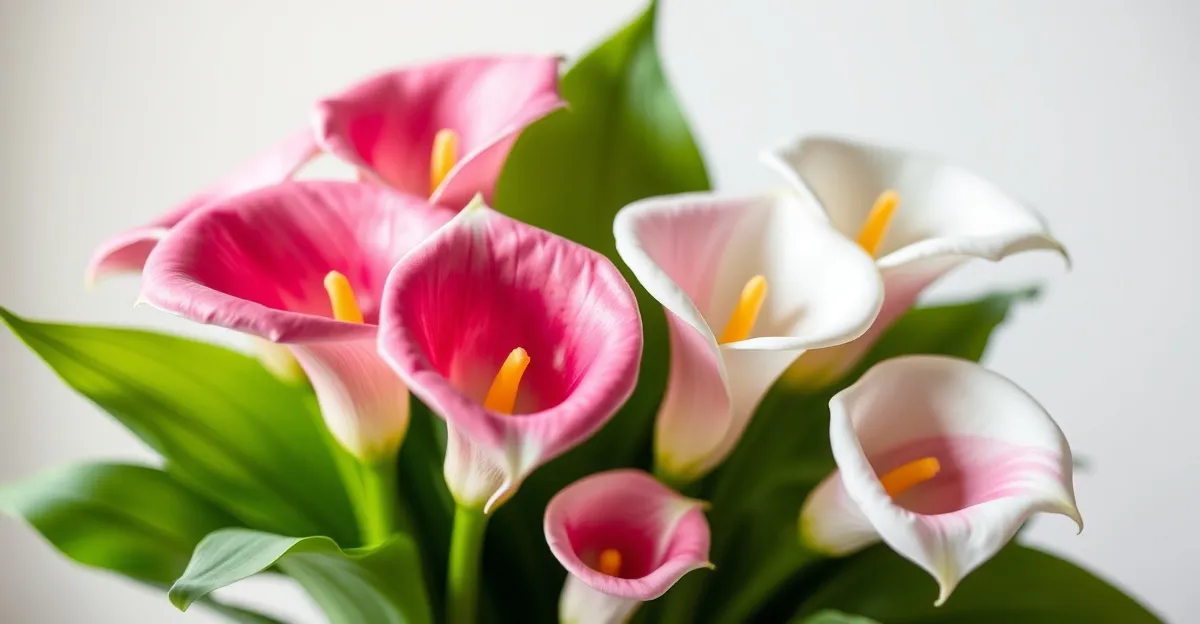
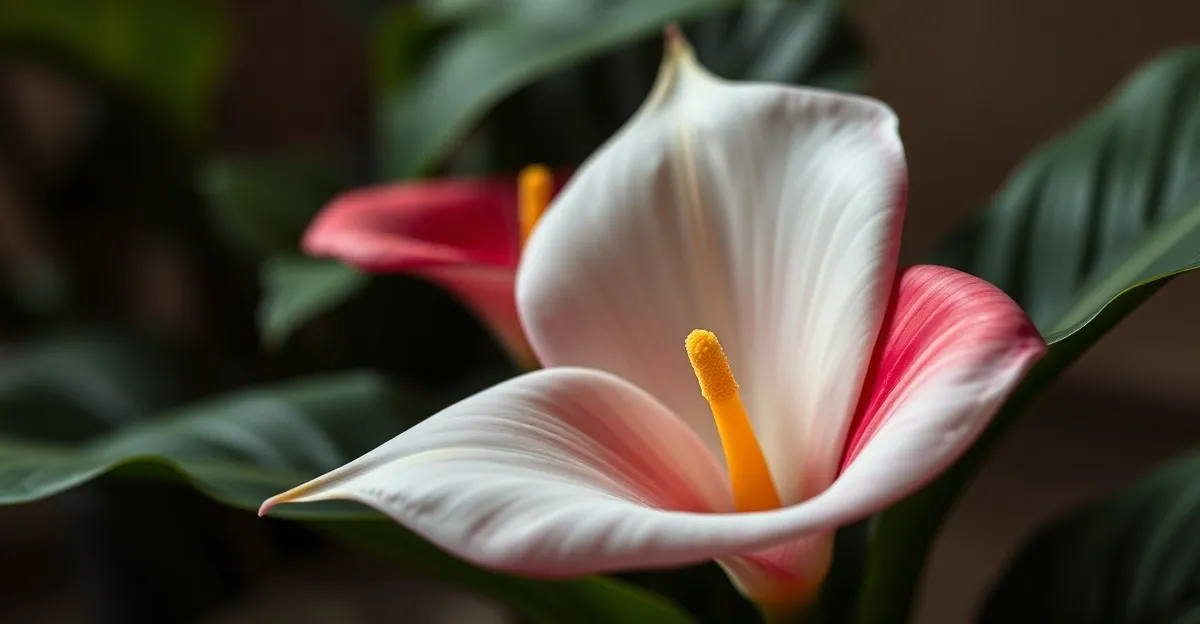
Are coloured calla lily varieties harder to grow in Bali than white? Generally yes. The common white calla lily (Zantedeschia aethiopica) is the most heat-tolerant of the species. The coloured hybrid varieties — pinks, purples, oranges — are typically from Zantedeschia hybrids developed from other species, and these tend to be more sensitive to heat, requiring even cooler conditions to flower consistently.
Ready to bring fresh flowers to your Bali home or event? Explore our weekly flower subscription and get handpicked blooms delivered to your door every week.
More on Calla lily