Ginger Flower in Balinese Ceremonies: Traditional Uses in Bali
Discover how the ginger flower plays a sacred role in Balinese Hindu ceremonies, from temple offerings to wedding celebrations across the island.
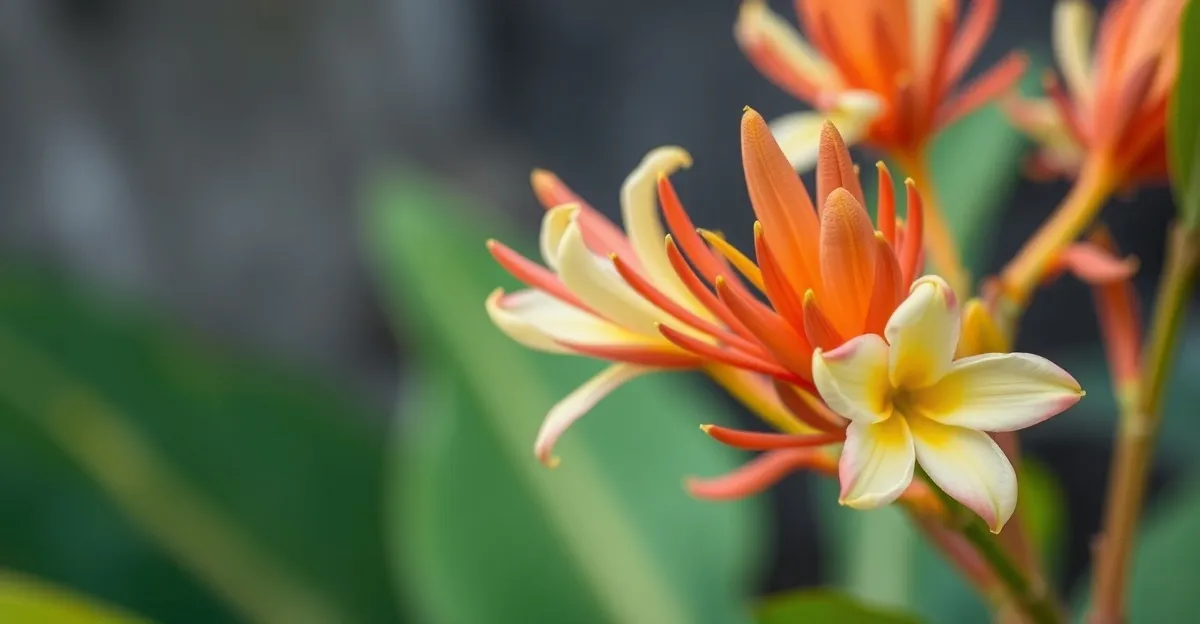
Walk through any Balinese market at dawn and you will find ginger flowers bundled beside frangipani blossoms, marigolds, and tuberose — all destined for the first offerings of the day. The kecombrang, as locals call it, occupies a particular place in Balinese Hindu ceremonial life that goes well beyond decorative arrangement. It is a bloom with spiritual weight, practical function, and deep cultural memory. Understanding how it is used gives visitors and residents alike a richer window into the island's daily relationship with the sacred.
This guide explores the ginger flower's role across the main categories of Balinese ceremony — from daily household rituals to large temple festivals — and explains why this dramatic tropical bloom has remained so central to Bali's spiritual life for centuries.
The Foundation: Why Flowers Matter in Balinese Hinduism
Balinese Hinduism is a uniquely Balinese synthesis of Hindu, Buddhist, and indigenous animist traditions that evolved on the island over roughly a thousand years. At its heart is yadnya — sacred offering — the act of giving back to the divine forces, ancestors, and natural spirits that maintain cosmic balance. Flowers are among the most important offering materials, chosen for their colour, fragrance, and symbolic resonance.
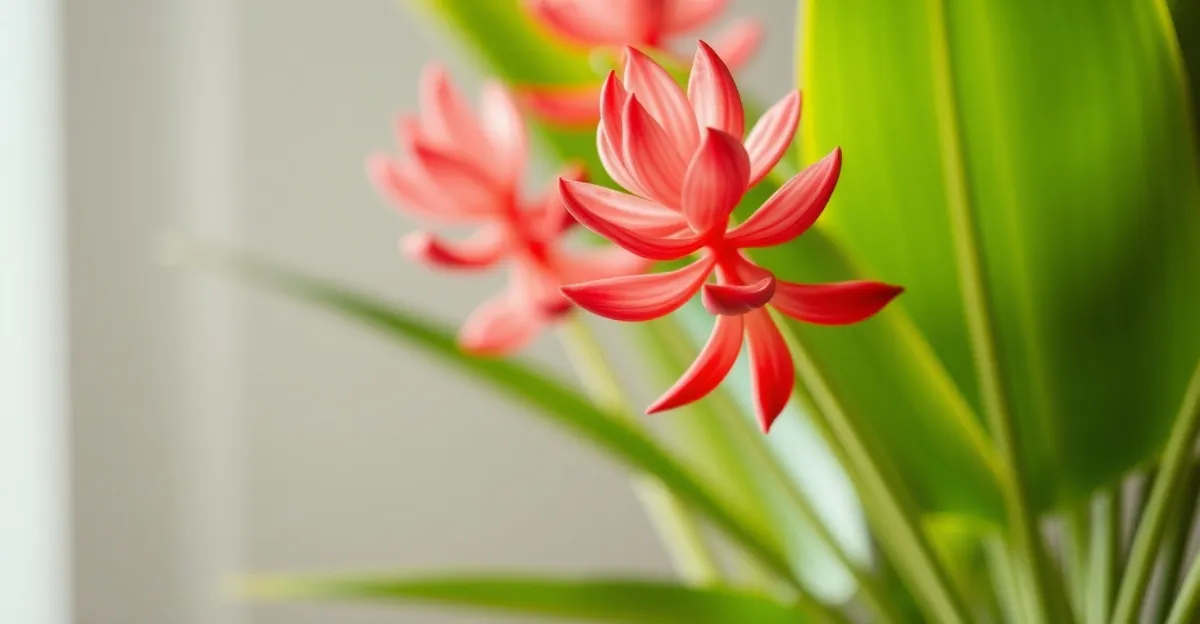
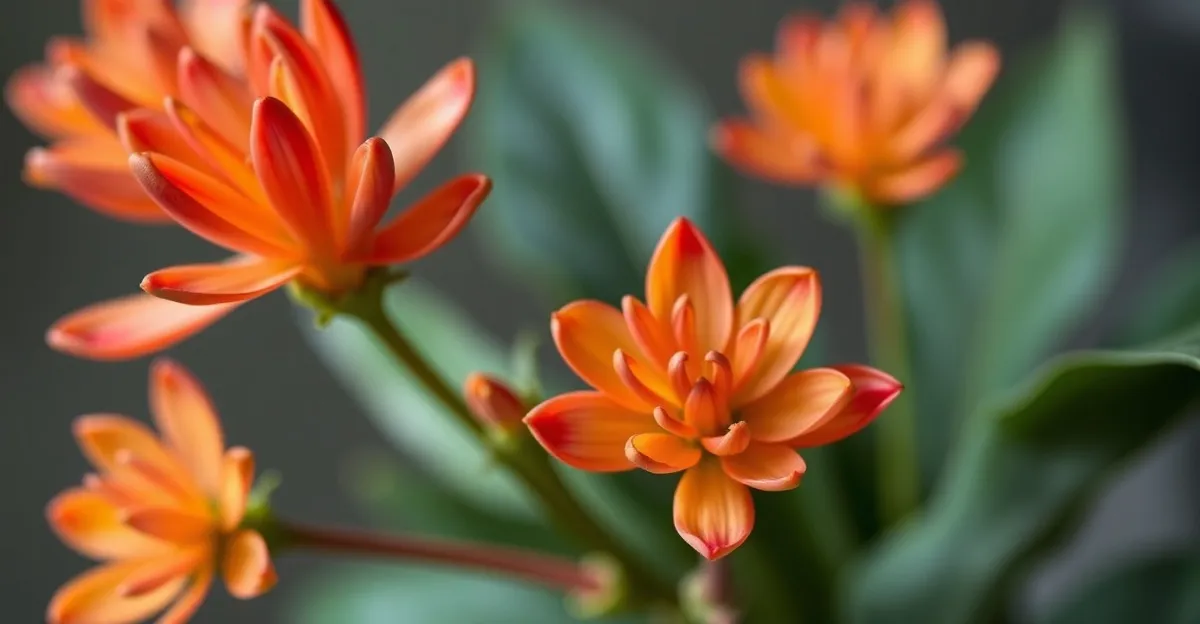
Unlike the cut flowers of a secular bouquet, offering flowers are not primarily about aesthetic beauty. They carry meaning in their form, their colour, and their origin. The ginger flower's bold red and pink tones, its upward-pointing shape suggesting ascent toward the divine, and its long-lasting freshness all make it specifically suited to ceremonial use.
The Tri Hita Karana Connection
Balinese Hindu life is organised around Tri Hita Karana — three sources of wellbeing: harmony with the divine, harmony with people, and harmony with nature. Flowers connect all three. Growing in the natural world, placed in offering to the divine, and shared in the context of community ceremony, they embody this principle in physical form. The ginger flower, rooted in Bali's volcanic soil and growing wild in its forests, represents this connection in particularly direct terms.
Daily Offerings: The Canang Sari
The most common ceremonial use of flowers in Bali is the canang sari, the small woven palm-leaf offering placed daily by Balinese Hindus at household shrines, business entrances, on the ground for earth spirits, and at crossroads. These offerings are made three times a day — at sunrise, midday, and dusk — and contain flowers arranged by colour corresponding to the four cardinal directions.
Ginger flowers are used in canang sari when available, particularly the smaller red varieties, which correspond to the south direction and the deity Brahma. Their durability means they stay fresh in the offering longer than more delicate blooms. In households that grow ginger flowers in the garden — extremely common in rural Bali — fresh flowers can be gathered from the backyard each morning, making them both practically convenient and deeply tied to place.
Temple Festivals: Odalan and Major Piodalan
Every temple in Bali holds an odalan, or anniversary festival, roughly every 210 days according to the Balinese Pawukon calendar. During an odalan, the temple is decorated lavishly with fresh flowers, and large tower offerings called gebogan are built by women of the banjar and carried on their heads to the temple.
Ginger flowers are a staple of gebogan decoration, woven into the structure of the tower alongside palm leaf ornaments, fruit, rice cakes, and other offering components. Their bold form gives visual structure to these elaborate arrangements, and their waxy petals hold their colour and form through an entire day of ceremony even in direct sun.
For major ceremonies such as Galungan — the festival celebrating the victory of dharma over adharma that occurs every 210 days — ginger flowers appear in quantity throughout villages across Bali. If you want to understand the scale of floral use during these periods, the guide to Galungan flower subscription ideas that keep giving offers some context on how Bali's flower supply is managed during peak ceremonial seasons.
Wedding Ceremonies: Pawiwahan
Balinese Hindu weddings, known as pawiwahan, are elaborate multi-day rituals that involve both families, the local banjar, and the village priest. Flowers play a defining role throughout.
The Mejauman and Mungkah Lawang Rituals
The mejauman ritual, in which the bride is purified and prepared, involves the use of specific flowers placed on her body and at her feet. Ginger flowers, associated with feminine energy and purity, are often incorporated into the elaborate floral arrangements that accompany this ritual.
Mungkah lawang, the ritual opening of the door to the groom, involves specific flower offerings placed at the threshold. The symbolism here is one of abundance and auspicious welcome, and ginger flowers — with their torch-like upright form suggesting illumination and generosity — are a natural fit.
Wedding Flower Arrangements
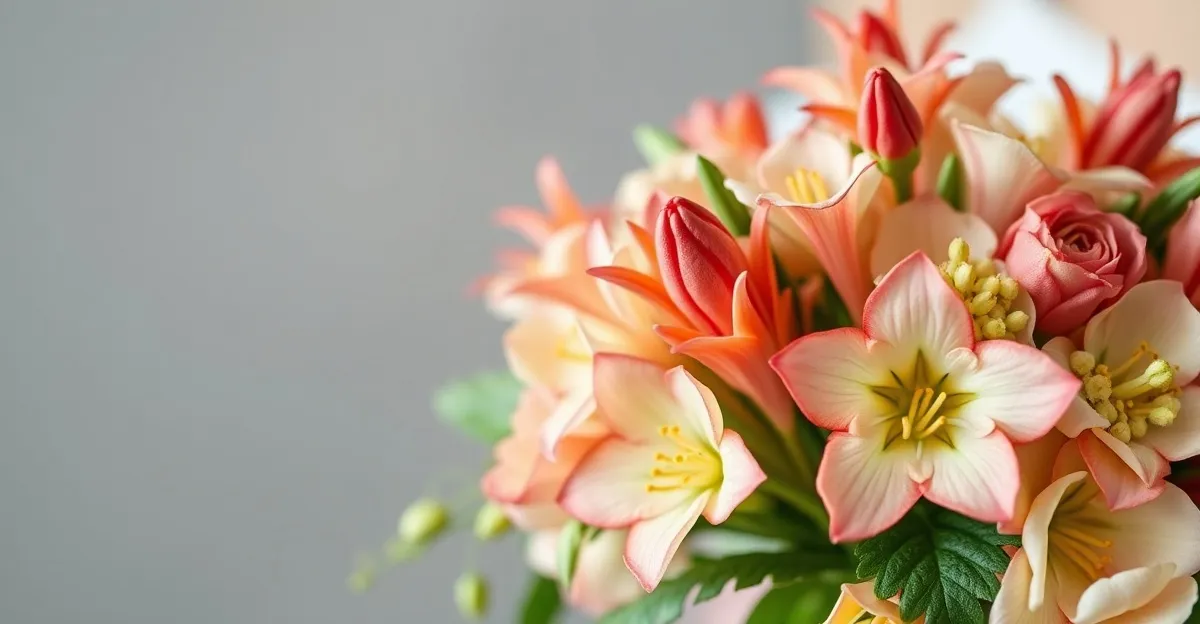
Beyond ritual function, ginger flowers are mainstay of Balinese wedding floristry in the secular sense too. Paired with tropical greens, white frangipani, and lush leaves, they create arrangements that are unmistakably Balinese. In contemporary Canggu and Seminyak weddings, ginger flowers often form the statement blooms in ceremony archways and reception centrepieces.
Ngaben: Balinese Cremation Ceremony
Perhaps the most significant ceremony in the Balinese lifecycle is ngaben, the cremation ritual that releases the soul for its next incarnation. These ceremonies are both solemn and celebratory — death in Balinese Hinduism is understood as a transition, not an ending, and the cremation should be joyful and colourful as a gift to the departing soul.
Flowers are essential to ngaben, adorning the bade (cremation tower), the coffin, and the ritual space. Ginger flowers appear in the elaborate floral compositions that decorate these towers. Their bold colour, which resonates with the symbolic language of fire and transformation, makes them symbolically appropriate for this context.
Melukat: Purification Rituals
Melukat is a Balinese purification ritual performed in rivers, at springs, or at sea. It is used to cleanse spiritual impurities, release negative energy after illness or misfortune, and as part of life transition ceremonies. Flowers are essential to melukat preparations, placed as offerings at water sources and used to create ceremonial arrangements that accompany the prayers.
Ginger flowers appear frequently in melukat offerings, particularly at river or spring sites where the plants grow naturally along the banks. There is a deeply practical symmetry here: the flowers that grow at water's edge are the same ones offered to the water spirits.

The team
your florists
weekly subscription · Bali
We write about flowers because we love them. We deliver them because someone should — properly, weekly, across Bali.
— heyflowerPay once for 3, 6, or 12 months, no auto-renewal.
The Role of the Market in Ceremonial Flower Supply
The scale of flower consumption in Bali for ceremonial purposes is staggering. A single village odalan festival might require hundreds of gebogan towers, thousands of canang sari, and elaborate temple decorations — all using fresh flowers. The daily ceremonial flower market in Denpasar's Pasar Badung, starting before dawn, supplies much of this demand.
For visitors and expats who want to bring flowers into their homes with an eye on Balinese ceremonial meaning, understanding the seasonal rhythm of the island's flower calendar is valuable. Flower demand spikes dramatically in the weeks before major ceremonies, and knowing this helps in planning. Local services like flower delivery in Sanur: a complete local guide can offer sourcing guidance around these peak periods.
Ginger Flowers and the Balinese Sensory World
What the ginger flower's ceremonial role ultimately reflects is a broader truth about Balinese ceremonial aesthetics. The Balinese sense of the sacred is deeply multisensory — it includes not just what is seen but what is smelled, touched, and heard. The ginger flower's fragrance, its distinctive waxy texture, and the visual drama of its torch-like form all contribute to a complete sensory offering that engages devotion on multiple levels.
For those living on the island or spending extended time here, developing a relationship with the ceremonial plant world — including the ginger flower — is one of the most rewarding ways to deepen understanding of Balinese culture.
Frequently Asked Questions
What is the Balinese name for the ginger flower?
The ginger flower (Etlingera elatior) is commonly called kecombrang in Indonesian and Balinese. It is also sometimes referred to as honje in Sundanese-influenced regions of Bali, or simply as torch ginger in English.
Is it respectful for non-Balinese people to buy and use ginger flowers from the ceremonial market?
Yes. Balinese ceremonial flower markets sell to all customers, and it is entirely appropriate to purchase these flowers for home arrangements or gifts. The only respectful boundary is to avoid directly repurposing completed ritual offerings (such as a finished canang sari) as decorative items.
Do ginger flowers represent anything specific in Balinese colour symbolism?
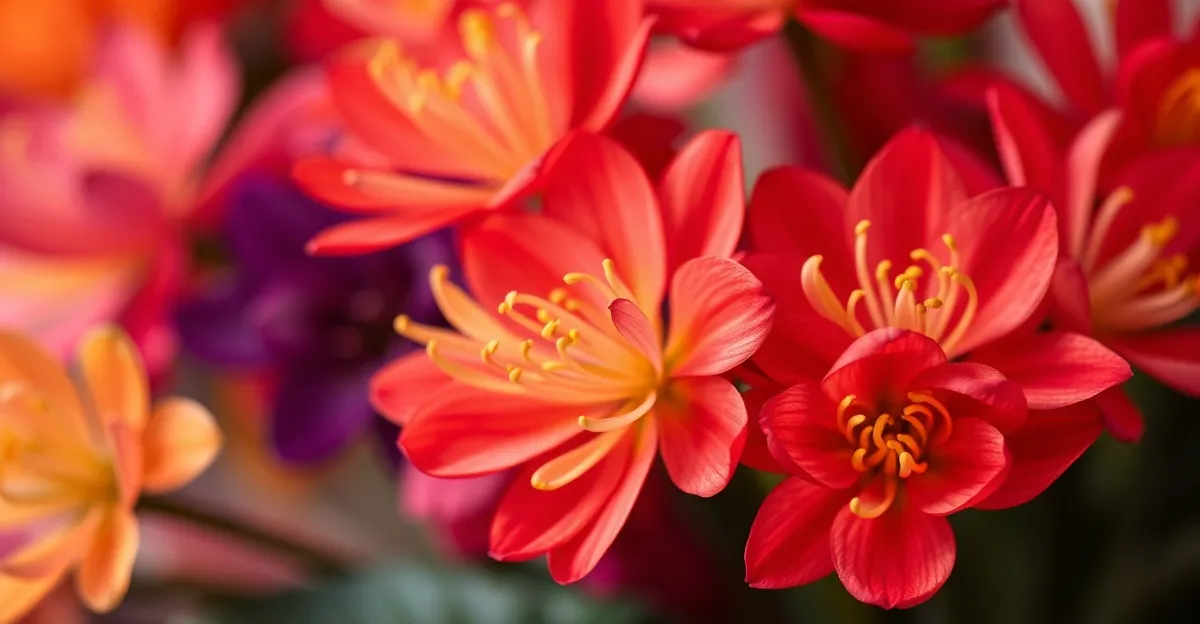
Red and pink ginger flowers correspond to the south direction and Brahma in Balinese ceremonial colour coding. This makes them appropriate for the south-facing position in the canang sari and for offering contexts associated with creation and fire energy.
Are ginger flowers used in Nyepi preparations?
Nyepi, the Balinese Day of Silence, is preceded by the Melasti purification ceremony and the Ogoh-Ogoh parade, both of which involve significant floral use. Ginger flowers appear in the floral decorations and offerings of the Melasti ritual, which is conducted at the sea or major water sources.
Can visitors participate in making canang sari offerings?
Many temples and cultural centres across Bali offer workshops in making canang sari. Participation is welcomed respectfully. The process of learning to create these small offerings, including selecting and arranging the flowers correctly, provides direct experiential insight into how ceremony works in daily Balinese life.
Want to bring the beauty of Bali's ceremonial blooms — including ginger flowers at their freshest — into your own home or venue? heyflower.co delivers premium tropical arrangements sourced from local Balinese growers. See our subscription options and let the island's floral traditions become part of your everyday.
More on Ginger flower