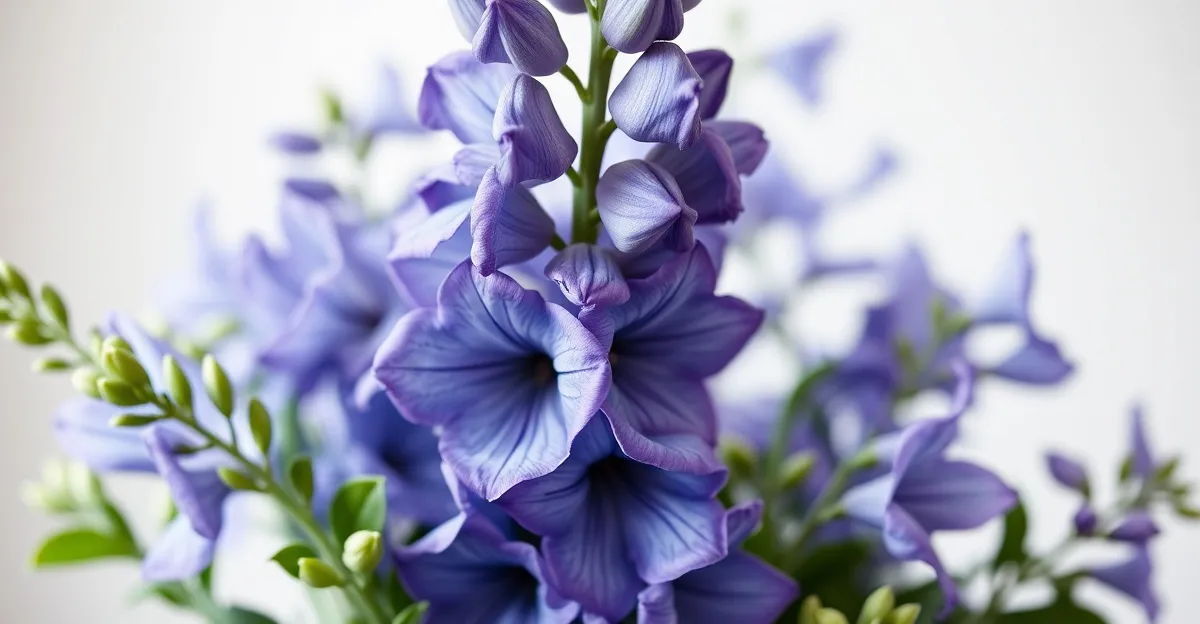
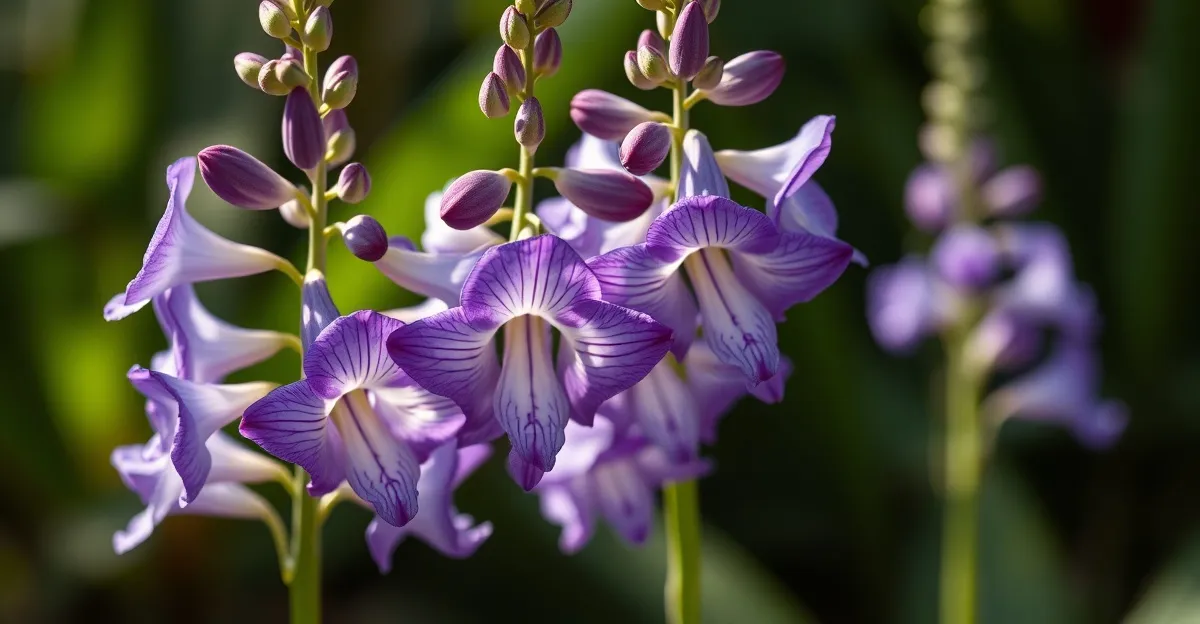
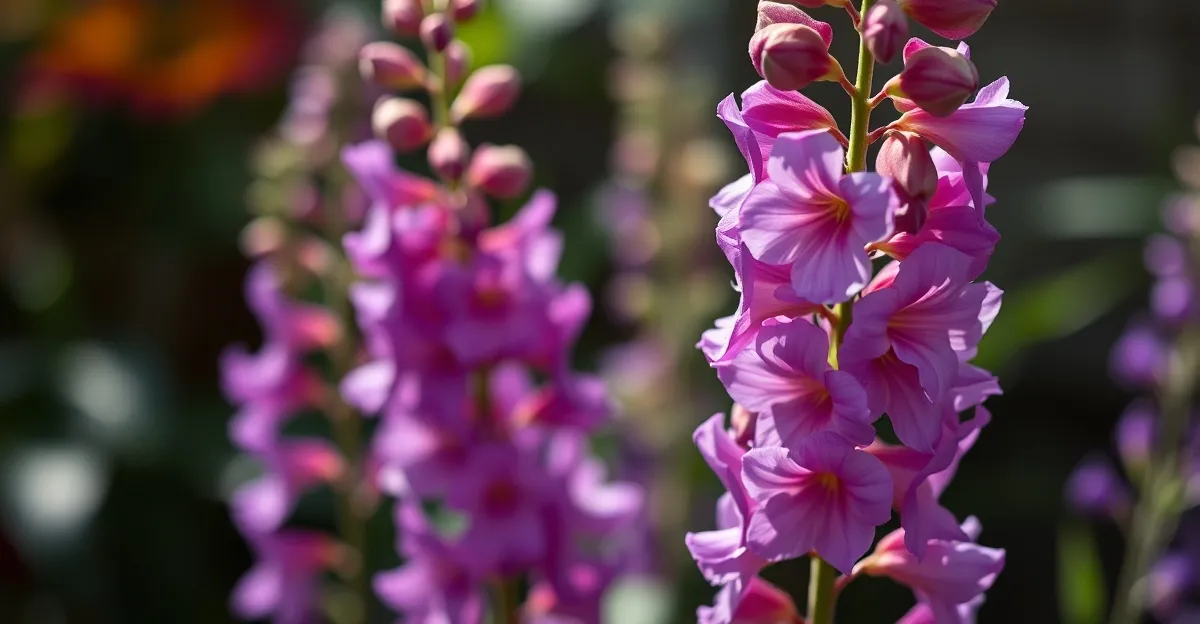
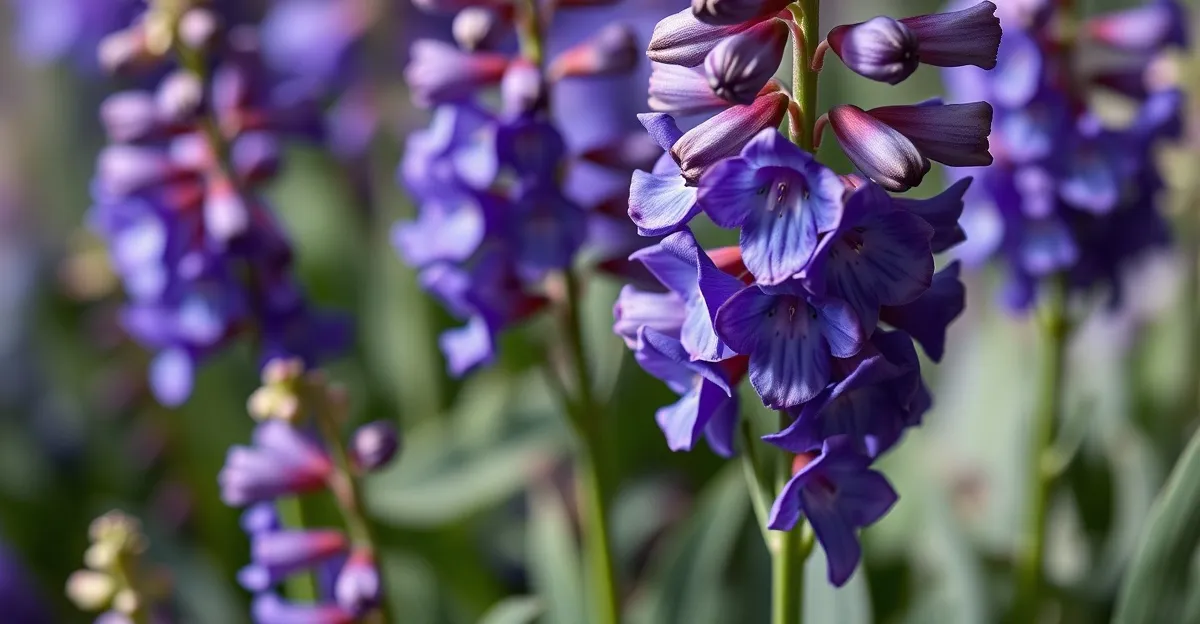
Delphinium vase life in the tropics: how long do they last?
Delphinium is beautiful but heat-sensitive. Here's an honest guide to how long it lasts in Bali's tropical climate and how to extend its vase life.
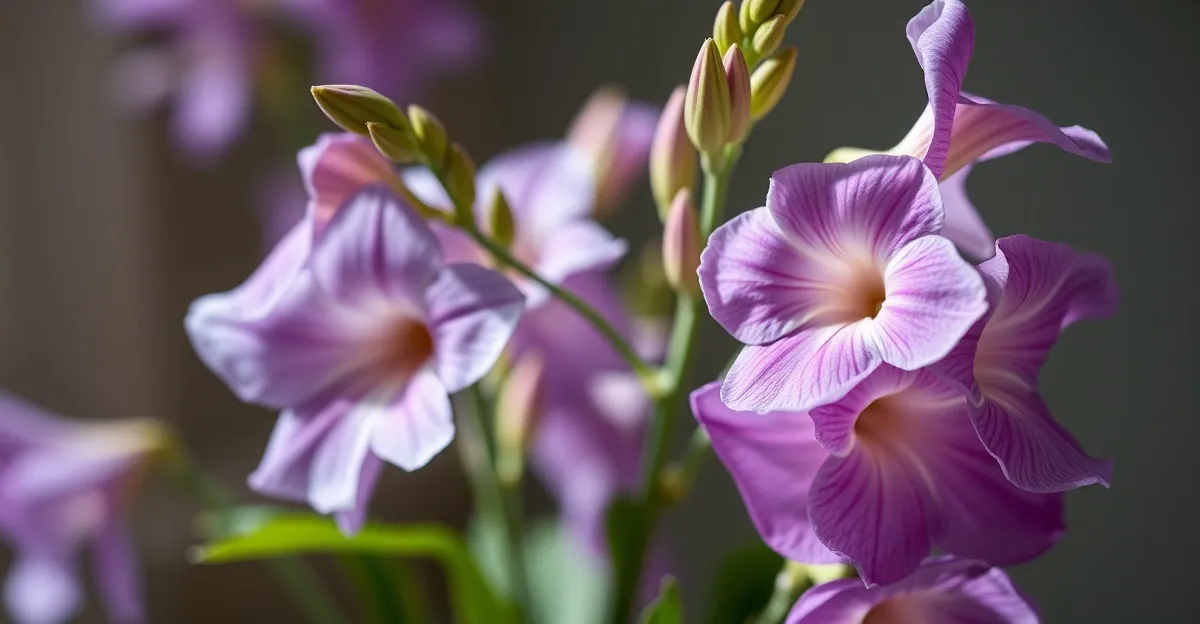
Delphinium is one of the more demanding cut flowers when it comes to tropical conditions. Its tall spikes and closely packed individual florets look dramatic and impressive in an arrangement, but the same structure that makes them beautiful also makes them sensitive to Bali's heat and humidity. Getting a good vase life from delphinium here requires understanding what the flower needs, applying the right care from the moment it arrives, and being realistic about what is achievable in a climate that was not designed with delphinium in mind.
The honest answer is: with good care, five to seven days of peak appearance in Bali's tropical climate. That is still respectable, and there are meaningful steps you can take to maximize every day.
What makes delphinium challenging in tropical conditions
Delphinium's florets are small and numerous, which means the flower has a large surface area relative to its stem. In high heat and humidity, water loss through those many florets is significant. Unlike lisianthus, which has a more compact petal structure and holds moisture well, delphinium florets can wilt fairly quickly if water uptake is compromised for any reason.
The flower also has a naturally hollow stem in many varieties — a structure that makes it more susceptible to the air blocks that form when stems are cut and left out of water, even briefly. In Bali's heat, where air temperature is consistently 28 to 33 degrees Celsius, an air block in a delphinium stem forms faster than in cooler climates, which is why the conditioning step at arrival is particularly critical.
The long stem length — commercial delphinium spikes can reach 80 to 100 cm — means there is more physical distance for water to travel from the cut end to the florets. This journey becomes harder as the stem ages, which is why delphinium's lower florets often begin to fade before the upper buds have even fully opened.
Conditioning delphinium properly in tropical conditions
The right start makes more difference with delphinium than with almost any other flower. When your delphinium arrives:
Recut the stems immediately: Cut two to three centimeters from the base, ideally underwater or with the stem held over the sink so you can move it directly into fresh water. For delphinium's hollow stems, some florists recommend turning the stem upside down, filling the stem cavity with water, and plugging it with a small piece of cotton wool before placing it upright in the vase. This technique — though it sounds fussy — genuinely helps water reach the upper florets faster.
Remove lower foliage: Leaves below the waterline decompose quickly in tropical warmth, releasing bacteria that attack stem tissue. Remove all foliage that will be submerged.
Use flower food: Commercial flower food sachets are more genuinely helpful for delphinium than for many other flowers. The acidifier reduces bacterial growth, and the sugar provides some energy to the florets. Both of these matter more in tropical conditions than in cooler climates.
Place in a clean, deep vase: The length of delphinium stems means a tall, deep vase allows maximum water coverage. The more stem is in water, the better the uptake.
Expected vase life at different temperatures
Air-conditioned room, 22 to 24 degrees Celsius: Seven to nine days of good appearance, with lower florets fading somewhat in the final two or three days while upper florets are still opening. This is the best achievable outcome in Bali.
Naturally ventilated room, 27 to 30 degrees Celsius: Five to seven days. The heat accelerates floret aging noticeably. Daily water changes become important here rather than just beneficial.
Hot or poorly ventilated space, above 30 degrees: Three to five days. Wilting of lower florets can begin within two to three days. Not recommended for displaying premium delphinium if avoidable.
Daily care that makes a real difference
Change the water every one to two days: Delphinium is more susceptible to bacterial build-up than many flowers. Fresh water every day or two keeps the stem clear and extends the life of the upper florets significantly.
Recut the stems when you change the water: Two to three millimeters of fresh cut each time you change the water keeps the stem end open and clear of the bacterial build-up that would block water uptake.
Remove fading lower florets: As the lowest florets on the spike begin to age and fade, remove them by pinching them off. This keeps the arrangement looking fresh and, critically, keeps the remaining florets from having to share water with material that is already declining.
Keep away from fans directed at the arrangement: Airflow is generally good for flowers, but a fan blowing directly onto delphinium florets accelerates moisture loss and wilting. Indirect, gentle airflow is fine — a directional fan aimed at the flowers is not.
When delphinium disappoints: what goes wrong
The most common delphinium disappointment in Bali is upper florets that never open because the lower half of the spike aged and wilted before water could travel that far up the stem. When this happens, the cause is usually an air-blocked stem from incorrect conditioning at arrival. If your delphinium arrived with great lower florets but the upper buds never opened, the stem was blocked.
The fix for future purchases: insist on stems being cut and placed in water immediately at the point of sale, or do the recuting yourself the moment you get home.
The second common problem is florets falling off before the spike has properly aged. This usually indicates that the delphinium was poorly handled or stored before you received it — either exposed to excessive heat, ethylene gas from nearby fruit, or physically bumped in transit. It is not something conditioning at home can fully rescue.

The team
your florists
weekly subscription · Bali
We write about flowers because we love them. We deliver them because someone should — properly, weekly, across Bali.
— heyflowerPay once for 3, 6, or 12 months, no auto-renewal.
Maximizing value from delphinium in a subscription context
If you receive delphinium as part of a regular flower subscription in Bali, timing your placement in the home matters. Position delphinium in the coolest, most indirectly lit part of your living space. If you have air conditioning in a main living area, that is where delphinium will perform best.
For context on how delphinium compares to other flowers in a tropical climate, it is significantly more demanding than statice or alstroemeria but comparable in lifespan (if handled correctly) to lisianthus and somewhat more demanding than most orchids.
FAQ
Why do my delphinium florets fall off within two days of arrival? This usually means the flowers were stored at incorrect temperatures (too warm) or exposed to ethylene gas during transport. Fresh, properly stored delphinium should not shed florets that quickly. Ask your florist about their storage conditions.
Is delphinium worth buying in Bali given its shorter tropical vase life? For arrangements where you want the visual impact of height and those saturated blues or purples, absolutely. Plan for five to seven days of peak appearance and enjoy the flower for what it is rather than comparing it to temperate-climate performance.
Can I put delphinium in the fridge overnight to extend its life in Bali? A few hours in a cool (not cold) refrigerator at night can help. Avoid placing near produce, and do not let the florets freeze — even brief exposure to near-freezing temperatures damages the delicate floret tissue.
Does delphinium die faster in Bali's wet season compared to the dry season? The humidity difference between wet and dry season is relatively small in Bali's lowlands. The heat differential matters more than the humidity for delphinium. The dry season's slightly cooler nights may give marginally better results.
What is the minimum care requirement for delphinium to last five days in Bali? Properly recutting the stems on arrival, placing in clean water with flower food, keeping in a reasonably cool space (under 28 degrees ideally), and changing the water on day two or three. That minimum gives you a realistic five-day vase life.
Ready to bring fresh flowers to your Bali home or event? Explore our weekly flower subscription and get handpicked blooms delivered to your door every week.
More on Delphinium