Daisy in Balinese Ceremonies: Traditional Uses in Bali
Do daisies have a place in Balinese ceremony? A local florist explores where modern daisies meet ancient tradition and how they are used in Bali today.
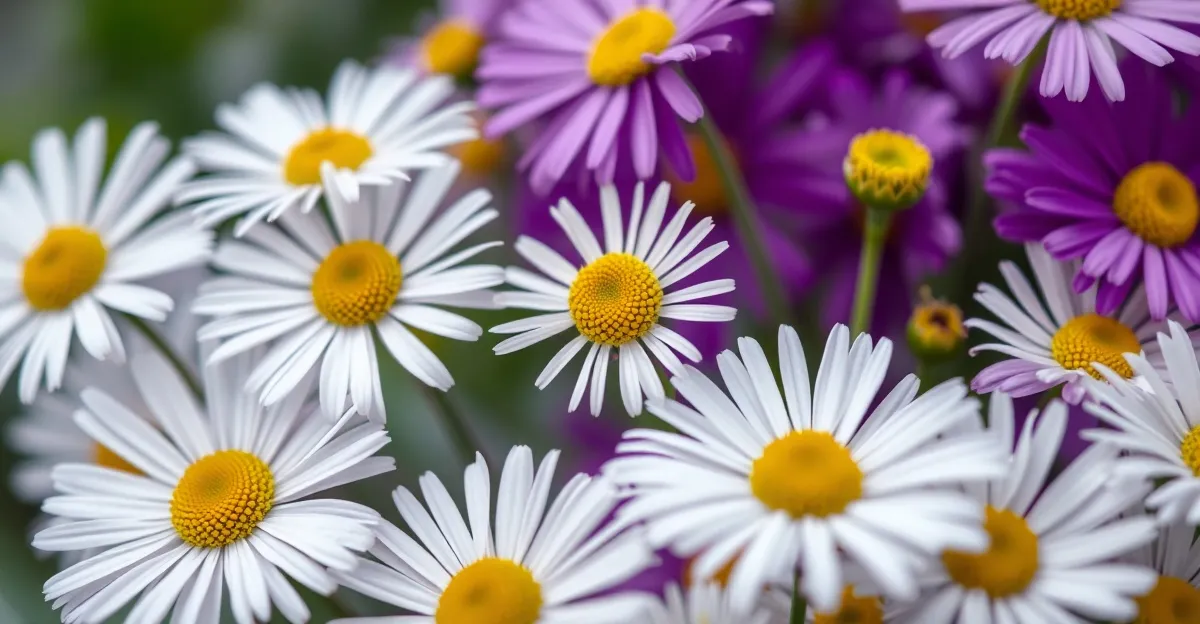
When we think about flowers in Balinese ceremony, the names that come first are the deeply traditional ones: frangipani, jasmine, gardenia, marigold, hibiscus. These are the flowers that have been placed on temple altars, woven into offerings, and strung into ceremonial garlands for generations beyond counting. The daisy — particularly the gerbera daisy in its brilliant, modern colours — is a relative newcomer to Bali's flower vocabulary, arriving with the island's cut flower industry in the twentieth century.
So the honest answer to "do daisies appear in Balinese ceremonies?" is: not in the established traditional way that older flowers do — but increasingly, in the spaces where tradition and contemporary Bali overlap, daisies are finding their place.
Understanding this distinction is important both for appreciating Bali's genuine ceremonial traditions and for seeing how the island's living culture continues to evolve.
The Foundation: What Flowers Mean in Balinese Hinduism
In Balinese Hindu practice, flowers are not decorative objects used symbolically. They are considered genuine offerings — real gifts of beauty given to deities, ancestral spirits, and the sacred forces that the Balinese believe permeate and sustain life. The selection of flowers for offerings is governed by principles that go back to the island's oldest texts and oral traditions.
Key principles that govern ceremonial flower use in Bali:
Colour associations with deities: Different colours of flowers are associated with specific deities (the Nawa Sanga — nine directions/deities that together represent the divine order of the cosmos). White is associated with Iswara (East), red with Brahma (South), yellow with Mahadeva (West), black or dark blue with Wisnu (North), and so on. Offerings placed facing specific directions should include the appropriate colour flowers.
Fragrance as divine communication: The Balinese believe that fragrance carries prayers upward to the divine. This is why strongly fragrant flowers — jasmine, gardenia, frangipani — hold such important positions in offerings. A flower that smells as it looks beautiful is considered especially powerful as an offering.
Purity of form: Flowers used in offerings should be unblemished, fully open, and fresh. Wilted, damaged, or partially bloomed flowers are considered inappropriate for ceremonial use.
Traditional Ceremonial Flowers in Bali
The established ceremonial flowers of Balinese Hinduism include:
Jepun (Frangipani): The most iconic ceremonial flower of Bali. The yellow-hearted white frangipani is particularly sacred and appears in virtually every offering and ceremony context.
Cempaka (Magnolia/Champaca): Intensely fragrant yellow flowers, highly prized for their scent and considered especially pleasing to the divine.
Kamboja (another frangipani variety): The broader family of Plumeria varieties, used extensively in both ceremonial and aesthetic contexts.
Kenanga (Ylang-ylang): Strong, sweet fragrance makes this a valued ceremonial flower.
Marigold (Tagetes): Bright orange-yellow colour makes marigolds significant for Brahma associations, and their availability year-round makes them a workhorse of daily offerings.
Jasmine: Pure white, intensely fragrant — ideal for the Iswara/white/purity associations and widely used in hair adornment for ceremonial occasions.
The daisy as a category is not part of this traditional inventory, which means gerberas and other daisy varieties do not carry the same established ceremonial weight as these older, tradition-embedded flowers.
Where Modern Daisies Do Appear in Ceremonial Contexts
Despite not holding an established traditional role, daisies have found their way into several corners of Bali's ceremonial life through natural cultural evolution.
Modern Canang Sari Offerings
The canang sari — the daily palm-leaf tray offering that Balinese women prepare each morning — requires flowers in specific colours corresponding to specific directional positions. While the traditional flowers for each position are well-established, modern Balinese practice has become somewhat more flexible about which flowers can fulfil each colour requirement.
Gerbera daisies in the appropriate colour can appear in modern canang sari offerings, filling the orange or red position (for Brahma) or the yellow position (for Mahadeva) when traditional marigolds or other flowers are less available. This is a pragmatic adaptation rather than a traditional prescription — the principle is that the colour and the sincere intention of the offering matter more than strict adherence to specific flower species.
In the Canggu-Seminyak-Kerobokan areas, where many Balinese families live and work amid an intensely cosmopolitan environment, this kind of flexible interpretation is increasingly common in everyday domestic offerings.
Ceremonial Decoration and Gebogan
Gebogan and banten tegeh — the tall, elaborate stacked fruit and flower offerings carried in ceremonial processions — increasingly incorporate gerbera daisies as decorative elements alongside traditional flowers. Their bold colours and structural integrity (they hold their form well in the tall arrangements) make them practical and visually striking additions.
The vibrant reds, oranges, and yellows of gerberas work particularly well against the yellowing palm leaf framing of traditional Balinese offering structures. Contemporary gebogan made by younger Balinese women often incorporate gerberas as a vivid, modern element within an otherwise traditional form.
Temple Festival Decoration
During major temple festivals (odalan) and significant ceremonial periods like Galungan and Kuningan, temples and village spaces are decorated extensively with flowers. This decoration — as opposed to the specific ritual offerings placed on altars — has always been somewhat more flexible in its flower choices.
In this decorative context, gerbera daisies appear increasingly frequently. Their long stem life, available colour range, and visual impact make them practical choices for village and community decoration. You will see them strung into garlands, arranged in large temple jars, and incorporated into the floral gates (penjor) that line roads during major festivals — not in the ritual offering position, but in the decorative/beautification role.
Balinese Wedding Florals
Contemporary Balinese weddings increasingly blend traditional ceremonial elements with modern floral aesthetics, and daisies are one of the flowers that has made a natural transition into this mixed environment. A Balinese couple getting married today might have their mekala-kalaan ceremony with traditionally prescribed flowers on the offering mat while choosing gerbera daisies for the table centrepieces at the reception that follows.
This mixing is not seen as disrespectful to tradition — rather, it reflects Bali's extraordinary ability to hold old and new in the same moment without contradiction.
The Significance of What Is Not Traditional
It is worth pausing to note why the distinction between traditional ceremonial flowers and newcomers like the daisy matters — and why it is interesting rather than merely technical.
Bali's ceremonial flower traditions encode thousands of years of observation about the island's flora, the properties and behaviour of specific plants, and the associations that have accumulated through generations of use. When a Balinese grandmother selects white jasmine for an offering and explains its connection to purity and Iswara, she is drawing on a living tradition that connects her to her grandmothers and to the priests and scholars who developed these practices.
The gerbera daisy, arriving in Bali's cut flower markets a few decades ago, does not carry that accumulated weight. What it brings instead is beauty, colour, and the freshness of the contemporary island — which is also part of Bali's story.
Understanding this helps you appreciate both: the depth of tradition when you see a carefully prepared canang sari with its traditional flowers, and the vitality of evolution when you see a modern temple festival decoration incorporating bright gerbera reds alongside ancient floral forms.

The team
your florists
weekly subscription · Bali
We write about flowers because we love them. We deliver them because someone should — properly, weekly, across Bali.
— heyflowerPay once for 3, 6, or 12 months, no auto-renewal.
Practical Guide: Flowers for Participating in Balinese Ceremonies
If you are visiting or living in Bali and want to participate appropriately in ceremonial contexts, here is a practical guide to flower choices.
For a canang sari offering: Traditional markets sell pre-selected flower sets for canang sari, specifically including the right varieties for each colour position. Buy from a market or ask a Balinese friend to guide your first attempt. Gerbera daisies can supplement if needed, but use established ceremonial flowers as your foundation.
When visiting a temple: Modest donations at the entrance often go toward ceremonial expenses including flowers. If you wish to bring flowers to leave at a temple, white or yellow flowers are broadly appropriate; frangipani from the garden is always welcome.
For a Balinese friend's ceremony: Ask what kind of support is most appreciated. As discussed in our guide on when not to gift daisy: cultural considerations, practical support often matters more than flower arrangements in ceremonial contexts.
The Growing Role of Florists in Ceremonial Bali
As Bali's economy and community have grown more complex, a professional flower industry has emerged that serves both the traditional ceremonial market and the contemporary lifestyle and gifting market. Florists like heyflower.co exist at this intersection — deeply familiar with what traditional ceremony requires and equally equipped to create contemporary arrangements that reflect Bali's modern face.
For more context on traditional flower use in Balinese ceremonies, our article on gardenia in Balinese ceremonies: traditional uses in Bali explores one of the genuinely traditional ceremonial flowers and its deep roots in Balinese ritual life.
Frequently Asked Questions
Is it respectful to offer daisies at a Balinese temple?
Daisy offerings are not traditional and would not carry the same ceremonial appropriateness as traditionally established flowers. If you want to make a genuinely respectful gesture at a temple, offer frangipani, jasmine, or a small cash donation. The gesture is appreciated for its intention, and using traditional flowers shows cultural awareness.
Do Balinese flower offerings have to use specific flowers or are substitutions acceptable?
Traditional Balinese ceremonial practice does specify preferred flowers for each colour/direction position, but modern practice is somewhat flexible, particularly for everyday household offerings. For major ceremonies officiated by a pemangku (temple priest), closer adherence to tradition is expected. For personal daily offerings at home, sincere intention and the correct colours matter most.
Can gerbera daisies be used in Galungan and Kuningan decorations?
Yes, in the decorative (non-ritual) aspects of these festivals. Gerberas appear in garlands, gate decorations, and community space beautification during major festivals. They would not typically appear in the specific altar offerings, where traditional flowers are maintained.
Where can I learn more about traditional Balinese flower offerings?
The best sources are Balinese people themselves — particularly older women who maintain traditional offering-making practices. Bali's museums (Museum Bali in Denpasar, Neka Art Museum in Ubud) also have educational displays about ceremonial traditions. The Yayasan Bali Galang and similar cultural organisations run workshops on traditional Balinese arts including offering preparation.
Are there any taboos around daisies in Balinese culture?
No specific taboos attach to daisies in Balinese culture. The main consideration is simply that they are not traditionally established ceremonial flowers, meaning they carry no special ceremonial meaning and would not be the appropriate choice for specifically ritual flower offerings. For secular, contemporary, and gift contexts, daisies are entirely positive.
Bali's relationship with flowers is ancient, layered, and continuing to evolve. The daisy's story here is just beginning — it does not yet carry the ceremonial depth of jasmine or frangipani, but it has found its way into the island's contemporary floral life with genuine warmth and vitality.
At heyflower.co, we are part of that living tradition. We source beautiful local flowers — including fresh highland-grown gerberas — and deliver them to homes, villas, and offices across Bali. Explore our flower subscription plans and bring a little of Bali's extraordinary floral culture into your everyday life.
More on Daisy