Carnation colors and what each one symbolises
Every carnation colour carries a distinct meaning. This complete guide helps you choose the right shade for every gifting occasion in Bali.
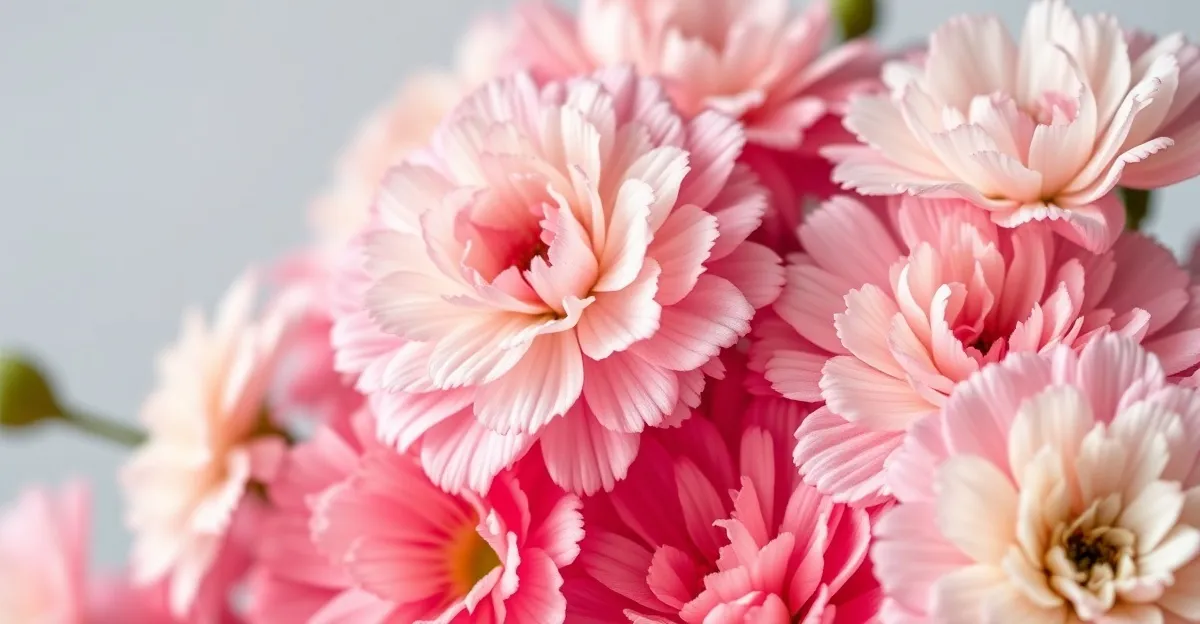
Of all common cut flowers, carnations have one of the most developed colour-symbolism vocabularies. The tradition of assigning specific meanings to carnation colours dates back to Victorian flower language (floriography), which was taken more seriously in its time than most people realise — giving flowers was a way of communicating what couldn't be said aloud, and getting the colour wrong carried genuine social consequences.
Today, the most extreme Victorian interpretations have softened. But carnation colour meanings persist and are more culturally widespread than most people know — particularly in Korean culture, where carnation colour selection is practiced with real intention on major gifting occasions. If you're choosing carnations in Bali, here's what each colour says.
White carnations: purity, remembrance, and new beginnings
White is the most symbolically significant carnation colour and the most context-dependent.
In many Western traditions, white carnations represent pure love, good luck, and innocence — they're appropriate at weddings, baptisms, and occasions marking significant new beginnings. They communicate something pristine and earnest.
In Korean culture, white carnations carry a specific and powerful meaning: they are worn by adults on Parents' Day whose parents have died. This is a widely observed and emotionally significant practice. Gifting white carnations to someone Korean requires awareness of this — it's not negative to gift them, but it will read as a memorial gesture in that cultural context.
In Catholic traditions, white carnations are associated with the Virgin Mary and carry sacred connotations. They appear at religious ceremonies including first communion and confirmations.
When to choose white carnations: Weddings, new beginnings, memorial occasions (in appropriate cultural contexts), religious ceremonies, any occasion where purity and sincerity need to be communicated.
Pink carnations: gratitude and motherly love
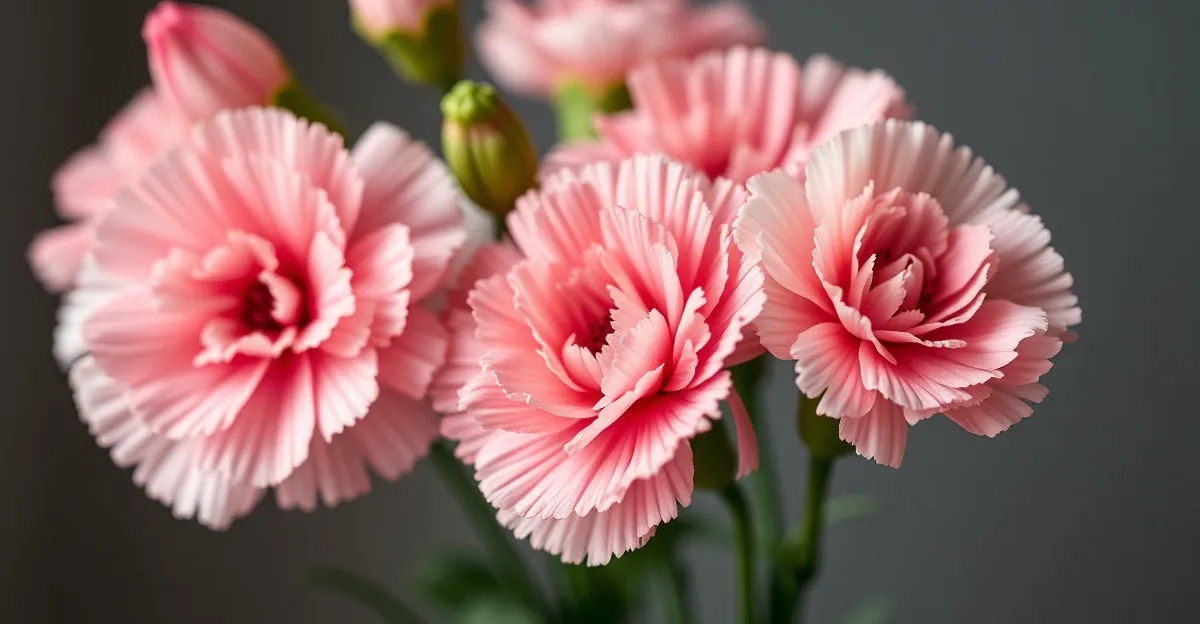
Pink carnations are among the most broadly positive flower colours in any culture. Their symbolism is warm, generous, and clear.
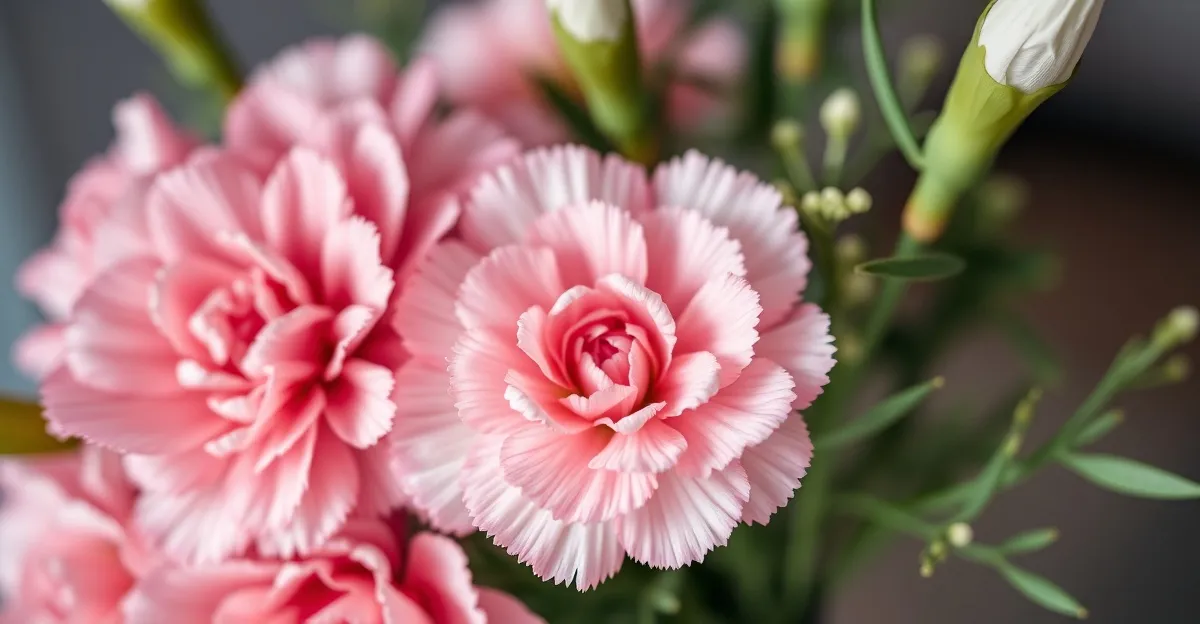
Soft pink carnations are the classic Mother's Day flower globally — a tradition that has spread from the United States to become one of the most universally practiced floral rituals in the world. Soft pink carnations say: I am grateful for you. I admire you deeply. You are important to me.
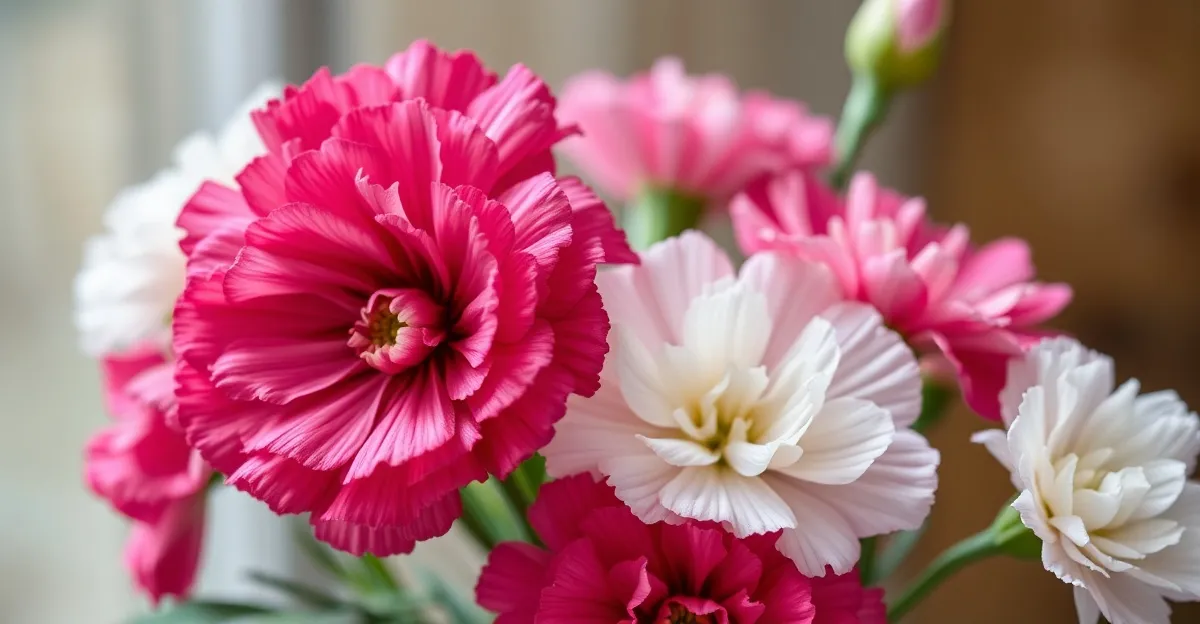
Medium pink carnations have a slightly more energetic quality — they're celebratory and warm, appropriate for birthdays, congratulations, and occasions where you want to express genuine affection without romantic intention.
Hot pink carnations are bold and vivid. They communicate enthusiasm, excitement, and active celebration. They work well for birthdays and graduations where you want the arrangement to feel energetic.
Korean context: Pink and red carnations are the standard Parents' Day flowers in Korea (May 8th). If you're gifting to Korean recipients in Bali around this date, pink carnations are specifically appropriate.
When to choose pink carnations: Mother's Day, thank-you occasions, birthdays, graduations, new baby celebrations, Parent's Day for Korean recipients.
Red carnations: deep love and admiration
Red carnations occupy interesting symbolic territory. They share the colour of passionate love with red roses, but they carry a different quality — where red roses are intensely romantic, red carnations have a warmer, more generous energy that sits between romantic love and deep admiration.
Red carnations have historically been associated with:
- Passionate love and deep romantic feeling
- Deep admiration for someone's courage or character
- Labour movement solidarity in early 20th century Europe — the red carnation was a symbol worn on May Day by workers across the continent
For gifting purposes, red carnations are excellent for Valentine's Day (historically appropriate as a Valentine's flower before roses dominated), for expressing deep admiration for a person's character or achievements, and for romantic occasions where you want to avoid the clichéd rose.
When to choose red carnations: Valentine's Day, expressing deep love or admiration, graduation (expressing pride in achievement), birthdays for bold, confident recipients.
Coral and orange carnations: energy and enthusiasm
Orange and coral carnations — a vibrant middle ground between red and yellow — carry the warmth of red without its intensity and the energy of yellow without its problematic connotations (more on that below). They're enthusiastic, warm, and celebration-ready.
Coral carnations are increasingly popular in contemporary floral design because they work beautifully in warm palettes — paired with eucalyptus, tropical greenery, or other warm-toned flowers. They're particularly beautiful in Bali's golden-hour light.
When to choose coral/orange carnations: Birthday celebrations, new business openings, housewarming gifts, occasions marking new beginnings with energy and optimism.
Yellow carnations: the significant caution
Yellow carnations are where the Victorian flower language creates a real consideration. Yellow carnations traditionally symbolise disappointment, rejection, and disdain — they were sent in the Victorian era to signal that a romantic advance was not welcomed, or to express displeasure with someone's actions.
This meaning is less universally known today than it was in the Victorian period, but it persists enough to be worth taking seriously. Many people who know flower symbolism will read yellow carnations as a negative message, even if you intended them simply as cheerful flowers.
The practical advice: unless you specifically want to express disappointment or you're very confident your recipient won't know the symbolism, avoid yellow carnations as gifts. For arrangements purely for your own home, the meaning becomes irrelevant.
When to choose yellow carnations: Home arrangements only, unless specifically intending the traditional meaning. Not recommended for gifting to people who take flower symbolism seriously.
Purple and lavender carnations: capriciousness and uniqueness
Purple carnations have historically been associated with capriciousness, impulsiveness, and changeability in Victorian flower language. Like yellow, this is a mildly negative meaning.
That said, in contemporary contexts, purple carnations are simply striking and unusual. Deep purple carnations in a modern arrangement read as sophisticated and interesting, not as a message about someone's character. The key factor is whether your recipient is versed in Victorian flower language — for most people in Bali's contemporary context, purple carnations are just beautiful purple flowers.
Lavender carnations specifically have softer, more romantic connotations — associated with first love and enchantment. They're genuinely lovely for early romantic gestures.
Green carnations: luck and St Patrick's Day
Green carnations are dyed rather than naturally green. They're primarily associated with St Patrick's Day in Irish and Irish-American cultural contexts, where wearing green and gifting green carnations is traditional.
Outside that specific cultural context, green carnations are unusual and interesting — a choice for someone who appreciates the unconventional. They don't carry strong negative meanings, just the slight surprise of unexpectedness.

The team
your florists
weekly subscription · Bali
We write about flowers because we love them. We deliver them because someone should — properly, weekly, across Bali.
— heyflowerPay once for 3, 6, or 12 months, no auto-renewal.
Striped and bicolour carnations: the refusal code
In Victorian flower language, striped carnations meant refusal or "I cannot give my love." Bicolour varieties were used to signal that a love was unrequited or could not be reciprocated.
Again, this meaning is less commonly known today. Striped carnations are now often used simply for visual interest and variety in arrangements. They're beautiful; just be aware if your recipient is the type to know their Victorian flower codes.
Quick reference: colour guide
| Colour | Primary Meaning | Gifting Occasions | | ------------ | ------------------------------ | ------------------------------------- | | White | Purity, remembrance, good luck | Weddings, memorials, new beginnings | | Soft pink | Gratitude, maternal love | Mother's Day, thank you, admiration | | Hot pink | Warm celebration | Birthdays, congratulations | | Red | Deep love, admiration | Valentine's Day, bold appreciation | | Coral/orange | Energy, enthusiasm | New beginnings, celebrations | | Yellow | Disappointment (caution) | Home arrangements only | | Purple | Capriciousness / uniqueness | Contemporary arrangements | | Green | Luck, St Patrick's Day | Irish context or novelty arrangements |
At heyflower.co, we create carnation arrangements thoughtfully — choosing colours that match your intention and occasion. We deliver across Canggu, Berawa, Seminyak, Pererenan, and Kerobokan. For subscription options and one-off arrangements, visit /#subscriptions.
Frequently Asked Questions
Do all cultures assign the same meanings to carnation colours?
No. While pink for maternal love and white for purity/remembrance are fairly consistent in Western and Korean traditions, other colour meanings vary. Chinese cultural associations with carnation colours are less prescribed. In Bali's Balinese Hindu and general Indonesian context, specific carnation colour symbolism isn't deeply embedded — flowers are generally read by their overall colour energy rather than precise Victorian code.
Can I mix carnation colours in one arrangement?
Yes. Mixed arrangements are beautiful and don't compound the symbolism in a confusing way — recipients won't generally read a mixed carnation bouquet as sending multiple conflicting messages. For gifting, avoid yellow carnations in the mix even if you're including other colours.
Are white and cream carnations the same symbolically?
Cream carnations (a warm off-white) are close to white in symbolism but slightly warmer and more celebratory. Pure white has stronger memorial and sacred associations; cream is more universally celebratory and works well at weddings and significant occasions without the stronger mourning connotation that pure white can carry in some contexts.
What carnation colour is best for a romantic gift?
Red carnations are the classic romantic choice. For a more contemporary romantic gesture, coral or deep pink carnations have warmth and beauty without the Victorian intensity of red. Lavender carnations are sweet for early-stage romance.
Are carnation colour meanings still widely understood?
The most common meanings — pink for Mother's Day, white for weddings and memorials, red for love — are widely understood. The more specific Victorian codes (yellow for disappointment, striped for refusal) are less universally known but persist enough to be worth avoiding in gifting contexts if you don't intend them. Korea maintains the most specific and practiced carnation colour tradition globally.
More on Carnation