Can stock flower grow in Bali? A florist's perspective
Stock flower prefers cool climates, but Bali's highland areas offer surprising possibilities. A local florist breaks down what actually works.
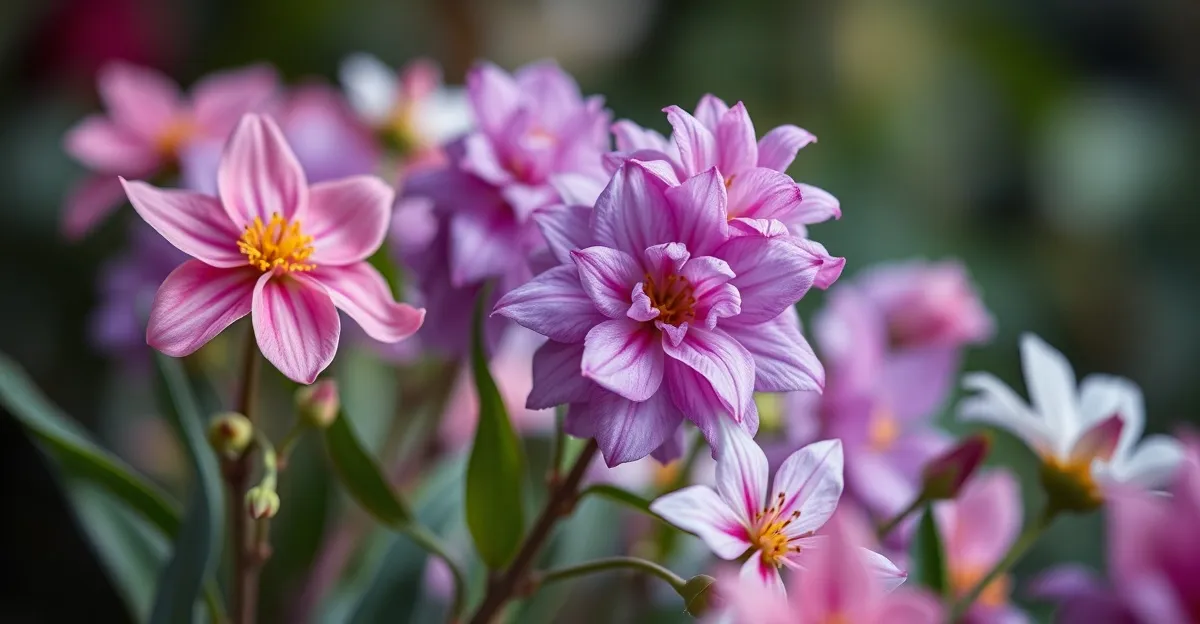
Every few months, someone asks me whether they can grow stock flower in their Bali garden. Usually it's an expat who's moved into a villa in Berawa or Sanur, misses having cut flowers in the house, and has seen stock at the local market and fallen in love with its fragrance and tall, graceful spikes. The question is fair — but the honest answer is complicated.
Stock flower (Matthiola incana) is not naturally suited to Bali's lowland tropical climate. It evolved in the rocky coastal areas of southern Europe and prefers cool, dry conditions with temperatures between 10–20°C. Bali's southern lowlands sit at 28–33°C for most of the year with humidity that rarely drops below 70%. That's essentially the opposite of what stock wants.
But Bali isn't just lowlands. And the answer changes dramatically once you go uphill.
What stock flower actually needs to thrive
Before discussing whether it can work in Bali, it's worth understanding what the plant requires:
Temperature: Stock does best in cool weather. It's what's called a "cool-season annual" — it germinates, grows, blooms, and sets seed in temperatures between 10°C and 18°C. Above 25°C, flowering is suppressed and plants often bolt or die prematurely.
Light: Full sun to part shade, 6+ hours of direct light per day.
Soil: Well-drained, slightly alkaline soil with good organic content. Stock does not tolerate waterlogged roots.
Humidity: Low to moderate. High humidity promotes fungal disease, particularly Botrytis mold and damping-off in seedlings.
Water: Regular, but not excessive. Consistent moisture without sitting water.
Looking at this list, Bali's lowlands fail on almost every count. The temperature alone makes commercial production essentially unworkable in Seminyak, Kuta, or Denpasar.
Where in Bali could it actually work?
The island's geography creates meaningful microclimates. As you gain altitude, temperatures drop — roughly 6°C for every 1,000 metres of elevation. This means Bali's highlands are genuinely cooler than the coast.
Kintamani and surrounds (1,000–1,500m elevation) sees average temperatures of 18–22°C during the day and sometimes as low as 12°C at night in the dry season (July–August). This is within the range where stock flower can potentially be grown.
Bedugul / Danau Beratan area (1,240m) is Bali's primary highland vegetable-growing zone. Farmers here grow cabbage, capsicum, strawberries, and flowers that wouldn't survive for a week on the coast. The Bukit Mungsu flower market in Bedugul supplies much of Bali's fresh flower trade, and growers there have experimented with stock with mixed results.
Munduk (900–1,100m) is slightly lower but still cooler than coastal Bali. The combination of altitude and frequent cloud cover keeps temperatures moderate enough for some temperate plants.
Even in these highland areas, success with stock flower is not guaranteed. The challenge isn't just temperature — it's also the lack of a true dry season cold snap, which is when stock naturally initiates flowering in its native habitat.
What highland growers in Bali actually do
I've spoken with growers in the Bedugul area who have tried stock. The approach that works best:
- Plant in June/July, when highland temperatures are at their lowest
- Use seeds rather than seedlings, as transplanting is stressful and the delicate roots don't love disturbance
- Provide excellent drainage — raised beds or sloped ground to prevent waterlogging in Bali's wet season
- Apply dilute fungicide preventatively, as the ambient humidity encourages mold even at altitude
- Expect shorter plants and fewer florets than you'd see in a commercial stock growing operation in Java's highlands or in Kenya (which exports stock to Bali's florist market)
Even with all of this, lowland Bali florists largely source stock from Java's highland growing regions around Malang and Batu, or through import from Kenya. These areas consistently produce the long, full stems with dense florets that you see at the Denpasar wholesale market.
The economics of growing versus buying
If you're a home gardener in Ubud or Canggu, the honest answer is: growing stock is more of an experiment than a reliable supply strategy. You might get a few beautiful stems during Bali's dry season if you're willing to create the right conditions — raised beds, sharp drainage, morning sun without afternoon heat.
If you're a commercial florist, the maths rarely work out unless you're based in the highlands. The cost of cooling systems, the failure rate in the heat, and the competition from well-priced imported stems make local production hard to justify in most of Bali's south.
For home decorators who want regular stock in the house, the practical answer is usually a weekly delivery subscription or regular visits to a reputable florist who sources well. Fresh, properly stored stock from a florist who keeps a cool room is going to outlast anything grown in marginal conditions.

The team
your florists
weekly subscription · Bali
We write about flowers because we love them. We deliver them because someone should — properly, weekly, across Bali.
— heyflowerPay once for 3, 6, or 12 months, no auto-renewal.
Growing from seed: what to expect
If you want to try regardless — and I respect that, because there's something satisfying about cutting from your own garden — here's a realistic plan for a lowland Bali gardener:
- Start in June when ambient temperatures are lowest
- Grow in pots rather than ground, so you can move them to your coolest, most shaded spot during the hottest part of the day
- Sow seeds directly into well-draining, slightly alkaline potting mix (add garden lime if your soil is acid)
- Water at the base rather than overhead to reduce humidity around the leaves
- Expect 10–14 weeks from seed to flower — and be prepared for the possibility that plants will bolt without flowering if there's a hot spell
Highland Bali gardeners have a much more realistic chance of success. If you're in Ubud at 300m elevation, you're still on the warm edge but better positioned than the coast.
It's also worth reading about how calla lilies integrate into Balinese ceremony traditions — another flower with specific growing requirements that has found its niche in Bali's highland growing areas.
The florist's honest verdict
Can stock flower grow in Bali? Yes, in the right highland conditions, during the right months, with the right care. Can it thrive in a lowland Bali garden year-round? Realistically, no. The climate works against it at sea level, and even in cooler upland areas it's a seasonal project rather than a reliable garden staple.
What stock flower does brilliantly in Bali is live beautifully in a vase for 7–10 days when it arrives fresh. Growing it yourself is admirable. Buying it well is often the smarter choice.
FAQ
Can I grow stock flowers in Seminyak or Canggu? It's very difficult. The heat and humidity work against stock at sea level. You might get brief success during the dry season with careful positioning, but don't expect reliable results.
Which parts of Bali are best for growing stock? Bedugul, Kintamani, and Munduk — all above 900m elevation — give you the best chance with significantly cooler temperatures.
Where does the stock flower sold in Bali come from? Most fresh stock in Bali is sourced from Java's highland growing areas (Malang, Batu, Puncak) or imported from Kenya, which has ideal high-altitude growing conditions.
How long does stock take to grow from seed? Typically 10–14 weeks from sowing to flowering, though this extends in warmer conditions.
Is there a best time of year to try growing stock in Bali? June through September — Bali's dry season — gives the best chance with the lowest temperatures and reduced humidity.
Ready to bring fresh flowers to your Bali home or event? Explore our weekly flower subscription and get handpicked blooms delivered to your door every week.
More on Stock flower