Can statice grow in Bali? A florist's perspective
Discover whether statice can be grown in Bali's tropical climate, what challenges local growers face, and where Bali florists source their statice.
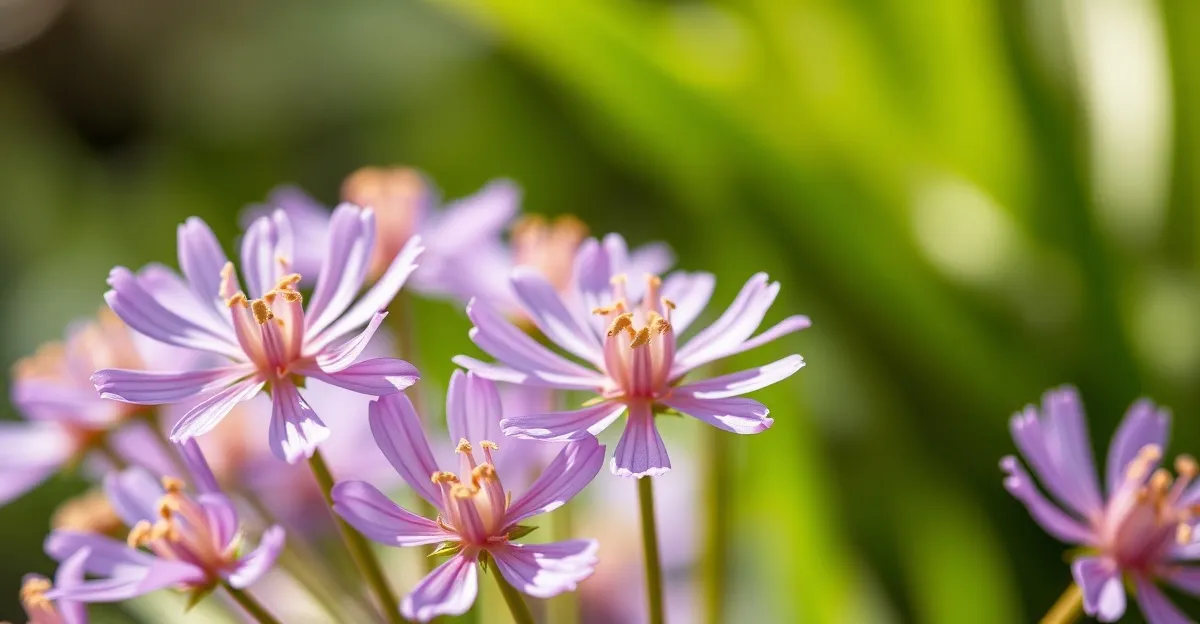
Whenever clients ask where our flowers come from, statice almost always prompts the most interesting conversation. Unlike marigolds or frangipani — which grow rampantly across Bali without any encouragement — statice is a flower that genuinely doesn't call this island home. And yet it's everywhere: in bouquets at Seminyak florists, in ceremony arrangements in Ubud temples, in subscription deliveries heading to villas across Canggu and Pererenan. So how does it get here, and could you grow it yourself?
What statice actually needs to grow well
Statice (botanically known as Limonium sinuatum) is a Mediterranean native. It evolved in the coastal cliffs and salt marshes of southern Europe and North Africa — sunny, dry, well-drained, and with cool seasons that trigger flowering. The plant is genuinely adapted to the kind of climate that Bali is almost the opposite of.
To grow well, statice needs:
- Cool temperatures during the growth phase: ideally 10–18°C overnight, with warm but not tropical daytime temperatures
- Low humidity: statice is highly susceptible to fungal disease (particularly botrytis and root rot) in high-moisture environments
- Excellent drainage: standing water, even briefly, causes root rot
- Strong light: full sun for most of the day
- A dry period: most statice varieties need a relatively dry spell to initiate flowering
Bali's lowland climate — hot (28–34°C year-round), humid (often 80%+ relative humidity), with two distinct seasons of wet and wetter — is not what statice wants. There's no cool season to initiate flowering, and the humidity creates near-constant risk of fungal issues.
Can it grow in Bali's highlands?
The most promising answer for statice in Bali points to the highlands: the Kintamani plateau and the areas around Bedugul and Candikuning, where temperatures drop to 15–18°C at night and humidity, while still significant, is somewhat lower than the coast. These areas already successfully grow temperate flowers including strawberries, hydrangeas, and some roses.
Statice can be grown in these cooler upland zones with careful management, but it remains challenging. Commercial growers in the Bedugul area have attempted statice cultivation with mixed results. The plants often establish and grow vegetatively but struggle to produce the abundant flower stems that make statice commercially viable. Without a genuine cold trigger, flowering can be sparse and uneven.
If you're a home gardener in Kintamani or Bedugul with the patience to experiment, statice is worth trying. Use well-drained raised beds, add coarse sand or perlite to the soil mix to improve drainage, and plant in the driest months (roughly June through September). Don't expect the same productivity you'd get in cooler climates, but you may get seasonal flushes of flowers.
Growing statice in coastal Bali: the honest assessment
For those living in Seminyak, Canggu, Sanur, Ubud, or anywhere in the lowlands: statice as a productive cutting flower is not realistic. You can attempt it in pots with exceptional drainage and position them where they get maximum airflow, but the combination of year-round heat and humidity will work against you.
That said, some adventurous home gardeners in Bali have had partial success with statice as an annual, treating it almost like a short-lived seasonal experiment during the driest months. They start seeds indoors (or in a cool, relatively dry room with a fan), transplant when established, and harvest whatever flowers appear before fungal pressure overwhelms the plant. It's not efficient, but it's possible.
Alternatively, the Statice suworowii (Russian statice, with its distinctive pink wand-like flowers) is somewhat more tolerant of heat than the common statice, and might be a more realistic choice for lower-elevation Bali gardens. It's less commonly available in Bali nurseries but worth seeking out if you want to experiment.
Where does Bali's statice actually come from?
Most of the statice used by Bali florists is sourced from two places: Java (particularly the cooler highland growing areas around Bandung and East Java's Bromo region) and imported from the Netherlands via Jakarta. Dutch statice, grown in controlled greenhouse conditions, tends to have very consistent quality and long vase life because it's been bred specifically for the cut-flower trade.
Java-grown statice varies more in quality depending on the season — highland growing areas in West Java produce good statice during the dry months, less reliably during the wet season. Prices reflect this: imported Dutch statice costs noticeably more per stem, while Java-grown statice is more affordable but potentially less consistent.
For those ordering weekly subscription flowers in Bali, the sourcing often depends on the florist's supply chain. Premium services that prioritize vase life and consistency typically use imported statice or source specifically from Java's highland specialists. Villa flower subscriptions: weekly blooms for short-term rentals touches on how sourcing decisions affect the quality you receive week to week.

The team
your florists
weekly subscription · Bali
We write about flowers because we love them. We deliver them because someone should — properly, weekly, across Bali.
— heyflowerPay once for 3, 6, or 12 months, no auto-renewal.
What grows similarly to statice in Bali?
If you want statice's qualities — papery texture, long vase life, good drying properties — but prefer flowers you can actually grow reliably in tropical conditions, a few alternatives exist:
Globe amaranth (Gomphrena globosa): Grows enthusiastically in Bali's heat, produces round papery flower heads in pink, purple, white, and orange, and dries as beautifully as statice. Widely grown in Bali for ceremony and ceremony-adjacent use.
Helichrysum (straw flowers): Another Mediterranean plant, but more heat-tolerant than statice. It can be grown in well-drained coastal Bali gardens in the dry season with some success.
Native dried grasses: Several ornamental grasses grow well in tropical Bali conditions and provide the structural, textural quality that makes statice so useful in arrangements.
These won't exactly replicate statice, but they fill a similar functional role while being genuinely suited to growing in Bali.
FAQ
Can I buy statice seeds or seedlings in Bali? Yes — you can occasionally find statice seeds at agricultural supply stores in Denpasar or online through Indonesian gardening retailers. Seedlings are less common and usually need to be started from seed yourself. For Bali lowland gardens, success is limited, but highland gardeners have a reasonable chance with the right conditions.
Does growing statice in Bali have any commercial potential? Limited in the lowlands, more plausible in the Bedugul/Kintamani highlands for someone willing to invest in drainage infrastructure and manage fungal risk carefully. Java's highland growers currently have the advantage of better-suited climates, and competing with Dutch imports on quality is very difficult.
Is there a heat-tolerant statice variety? Limonium perezii (sea lavender from the Canary Islands) is somewhat more heat-tolerant than the common statice, though still not truly tropical. It's less commonly grown for cut flowers but may have better prospects in Bali's upland areas.
Why does statice look so fresh at Bali market stalls if it doesn't grow here? Much of the statice at Bali markets has recently arrived from Java or has been imported and distributed through Denpasar's wholesale flower market. Papery flowers like statice also tolerate ambient temperature handling better than other flowers, so they can look good even without refrigeration during transit.
If I can't grow statice, what's the best alternative for my Bali garden with similar visual appeal? Globe amaranth is the most reliable choice for a papery, dried-quality flower you can grow in tropical Bali. It's heat-loving, drought-tolerant once established, and available in a range of colors that work well in both fresh and dried arrangements.
Ready to bring fresh flowers to your Bali home or event? Explore our weekly flower subscription and get handpicked blooms delivered to your door every week.
More on Statice