Can Stargazer Lily Grow in Bali? A Florist's Perspective
Can stargazer lilies grow in Bali's tropical climate? Our Canggu florists explain the challenges, highland possibilities, and how we source our freshest stems.
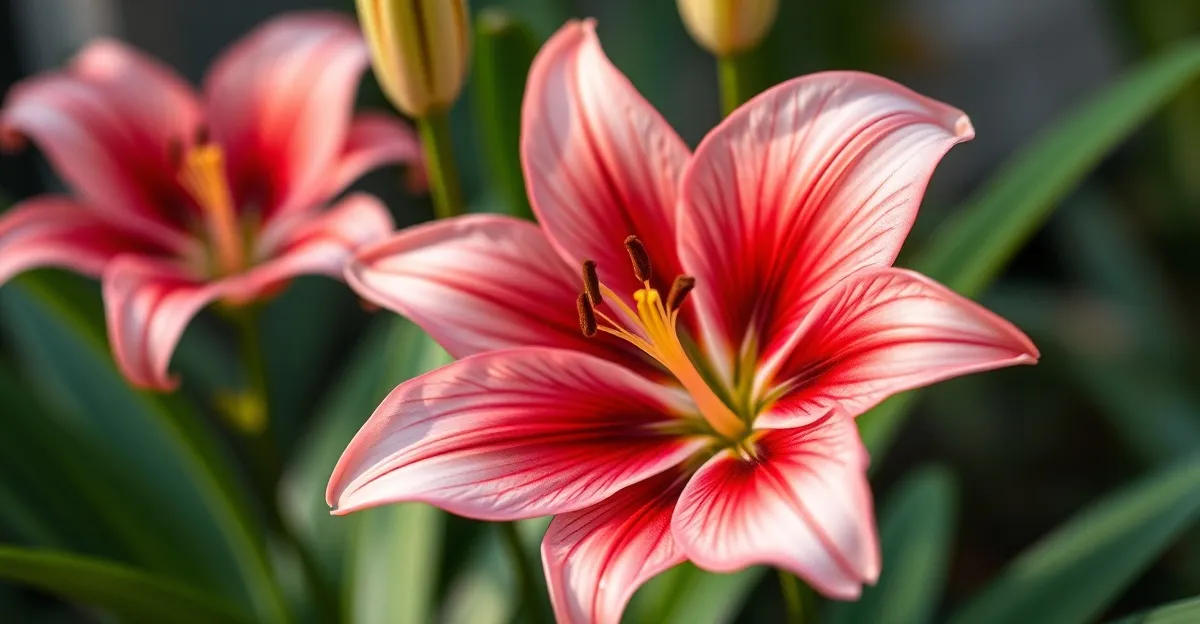
Of all the questions we receive from flower-curious residents and garden enthusiasts in Bali, the question of whether stargazer lilies can grow here is one of the most interesting — because the answer reveals so much about why Bali's flower market is the complex, fascinating thing it is. The short version: it is very difficult in coastal Bali, occasionally possible in the highlands, and not happening at commercial scale on the island. Here is the longer story.
The Stargazer Lily's Origins and Preferred Climate
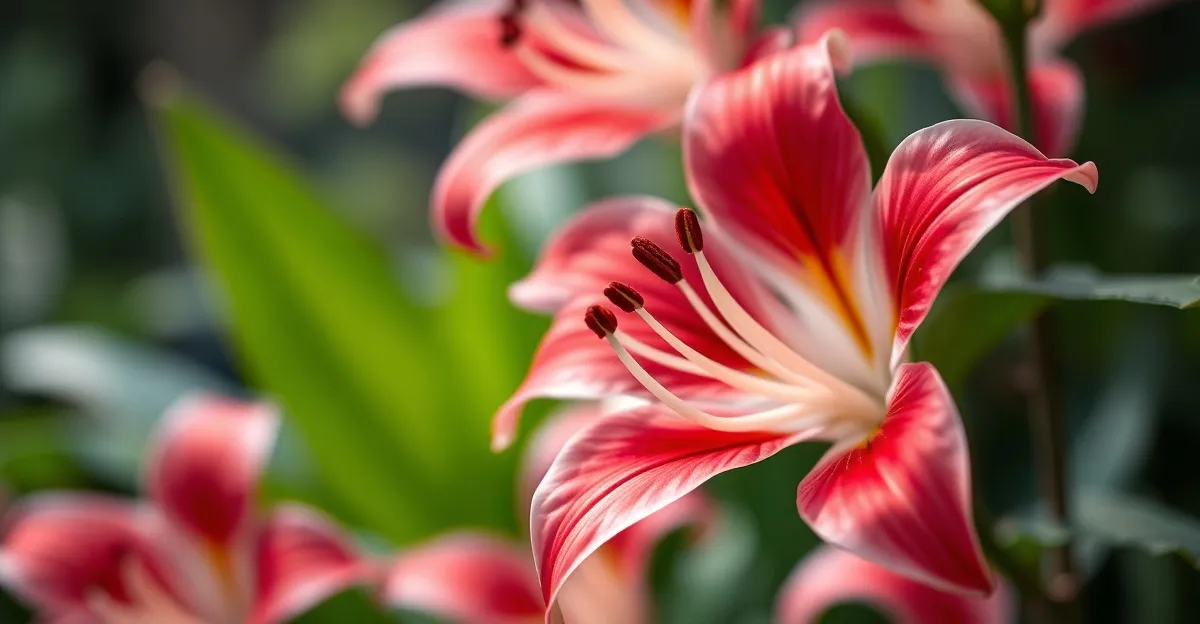
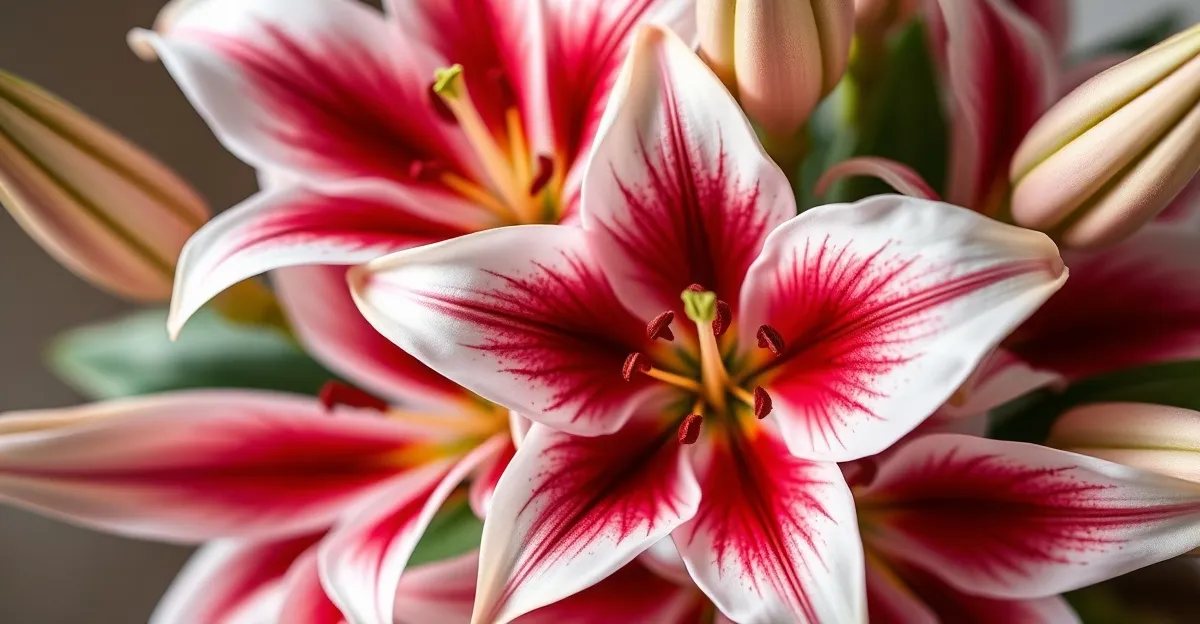
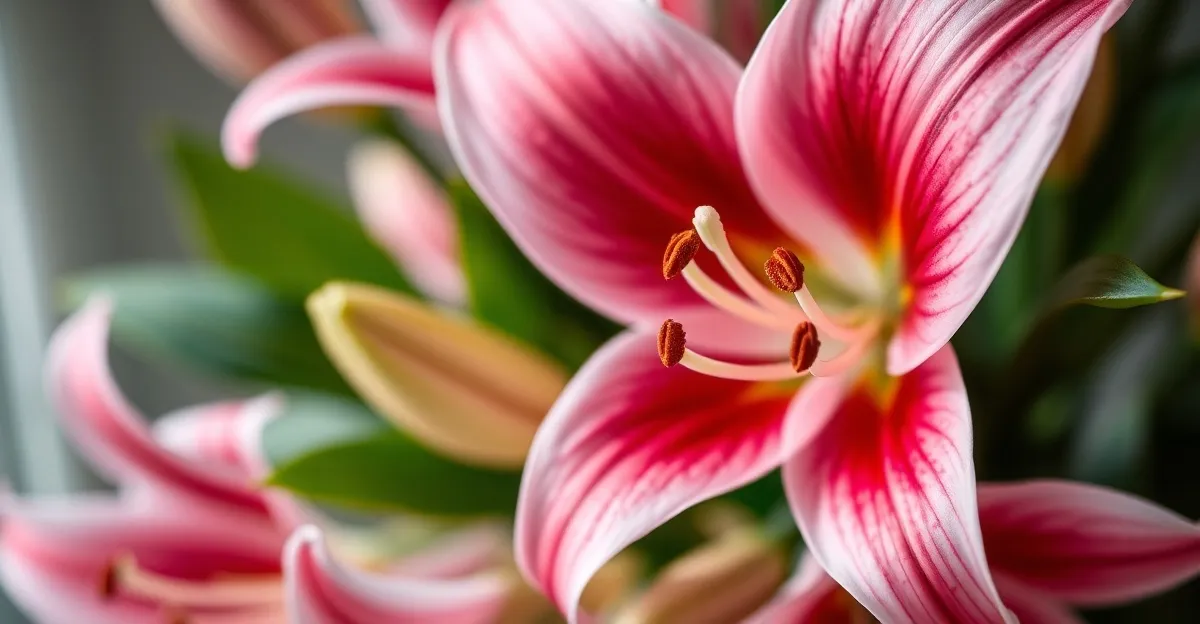
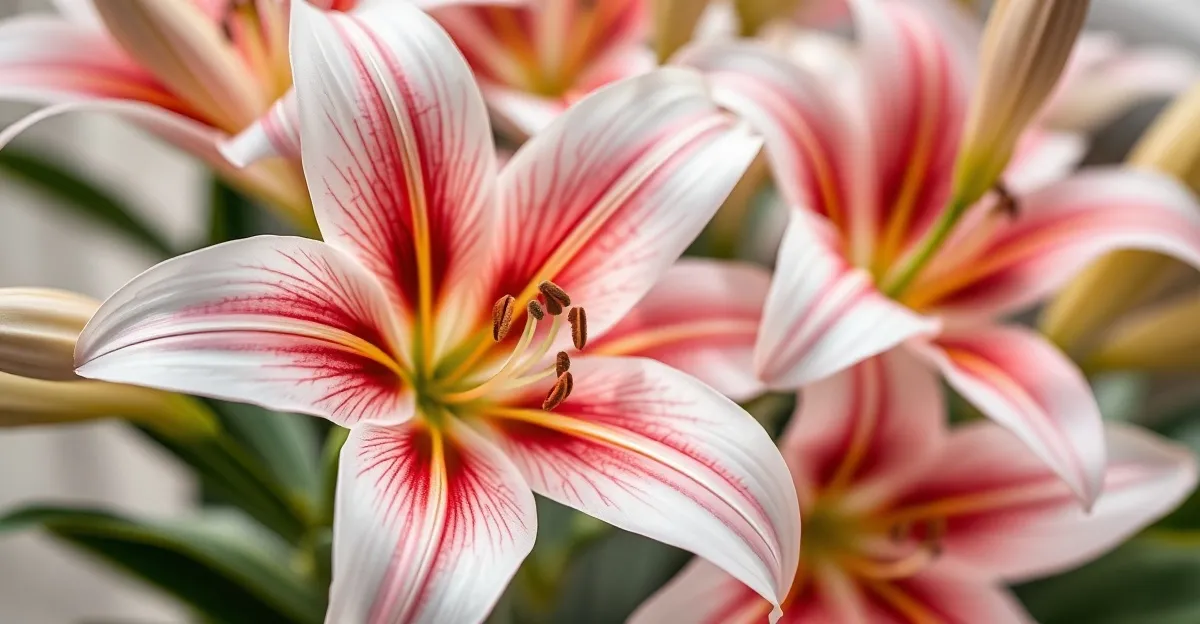
The stargazer lily is not a naturally occurring species. It is a cultivated hybrid created by California breeder Leslie Woodriff in the 1970s, developed from Oriental lily parentage originating in Japan, Korea, and eastern China. Its parent species are plants of mountainous, temperate East Asian environments — steep slopes, cool temperatures, moist but well-drained soil, and meaningful seasonal temperature variation.
Woodriff's specific achievement in developing the stargazer was breeding lilies with upward-facing blooms (most lilies face downward or outward), which made them dramatically more visually effective as cut flowers. The flower's popularity exploded almost immediately after its release, and intensive hybrid development followed.
The Ideal Growing Conditions
Stargazer lilies prefer:
- Temperatures of 16–25°C during active growth
- Night temperatures that drop meaningfully (at least 5°C cooler than daytime)
- Well-drained, slightly acidic soil
- Full sun with afternoon shade in warm climates
- Dry winters (the bulbs need a rest period)
- Low to moderate humidity
Compare that profile with Bali's coastal lowlands: temperatures of 25–33°C year-round, minimal day-night variation, year-round rainfall, high humidity, and heavy soils prone to waterlogging. The mismatch is profound.
Growing Stargazer Lilies in Coastal Bali
Can you keep a stargazer lily bulb alive in coastal Bali? With dedicated effort, sometimes. Can you get reliable flowering? Rarely. Can you grow them commercially to supply a florist's shop? Essentially no.
The Specific Problems
Heat stress: Stargazer lily bulbs go dormant when temperatures are consistently high. In Bali's coastal areas, temperatures almost never drop to the range where lilies naturally break dormancy and begin active spring growth. Bulbs planted in coastal Bali tend to remain semi-dormant, producing weak foliage and rarely flowering.
Humidity and bulb rot: Lily bulbs are highly susceptible to fungal diseases in wet, humid conditions. In Bali's warm, moist soil — especially during the wet season — bulbs frequently rot before they can establish and flower. Perfect drainage is essential, which requires careful soil preparation: raised beds with extremely free-draining mixes.
No cold period: Lily bulbs normally experience a cold winter period that resets their growth cycle. In tropical Bali, this never happens naturally. Without this cold reset, even bulbs that survive in the ground often produce progressively weaker growth over successive seasons.
Limited Success Scenarios
Some dedicated Bali gardeners have managed to grow stargazer lilies in large pots with excellent drainage (50% perlite or coarse sand in the potting mix), kept in a partially shaded position, with careful watering — wet enough to grow, dry enough to avoid bulb rot. These plants may produce a small number of flowers during Bali's dry season (June–August) when temperatures are slightly cooler and humidity decreases.
This is a gardening hobby rather than a practical supply solution.
Growing Stargazer Lilies in Bali's Highlands
The picture changes in Bali's highland areas, where altitude creates a meaningfully different climate.
The Bedugul Region
At around 1,400 metres altitude near Lake Bratan, Bedugul has average temperatures of 17–23°C, regular cool nights dropping to 15°C or below, and the kind of temperature variation that lily bulbs respond to. This is significantly closer to stargazer lily growing conditions than coastal Bali.
In Bedugul, lily cultivation is theoretically feasible. Some highland growers in the region do produce limited quantities of lilies for local and Bali-wide markets. The challenge is scale and consistency — highland Bali's growers focus predominantly on vegetables and more straightforward flower crops (chrysanthemums, carnations), and the market infrastructure for consistent highland lily supply to the coast is underdeveloped.
Kintamani
The Kintamani area around the Batur caldera, at 1,000–1,700 metres, has similarly cooler conditions. Hobby gardeners in this area have more success with temperature-sensitive plants than anywhere in coastal Bali.
Where Bali's Stargazer Lilies Actually Come From
The stargazer lilies in Bali's florist shops — including ours at heyflower.co — come primarily from two sources:
West Java Highlands (Bandung, Lembang, Cisarua): At altitudes of 700–1,500 metres, this region has genuine lily-growing capability. The commercial flower industry around Bandung produces significant quantities of Oriental lilies for the Indonesian domestic market. Road and air connections to Bali mean these flowers can arrive fresh within 24–48 hours of cutting.
Import via Surabaya or Bali's airport: Premium varieties, particularly those bred for extraordinary vase life or specific colours, enter Indonesia through commercial import — often from Colombia, the Netherlands, or other major lily-producing nations. These are used for high-end events and weddings.
Freshness and the Supply Chain
The most important variable in stargazer lily quality is not origin but handling. Lilies that are cut at the right bud stage, kept hydrated at correct temperatures throughout transit, and arrive at our studio with several days of bud development ahead of them will outperform any lily that was grown beautifully but handled carelessly.
This is why relationships with suppliers matter enormously. We choose suppliers based on their handling standards as much as their growing quality.
Attempts to Grow Stargazer Lilies in Coastal Bali: A Practical Account
Despite the challenges, some Bali residents with a genuine passion for gardening have attempted to grow Oriental lily varieties in coastal conditions. Their experiences offer useful practical insights.
Pot Culture Approach
The most successful documented attempts involve large containers (minimum 40cm diameter, deep) with extreme drainage engineering: a layer of gravel at the base, a mix of 50% coarse perlite with 50% quality compost, and an elevated position that prevents waterlogging during heavy rain. Bulbs are planted in June when conditions are at their least extreme.
Results
Most attempts produce foliage but minimal or no flowering. In the rare cases where flowers do emerge, they tend to be smaller than catalogue examples, bloom for a shorter period, and the bulbs do not typically regenerate vigorously for the following season. Replanting fresh bulbs each year is the practical approach for anyone committed to the experiment.
A More Rewarding Alternative
Gardeners in Bali who love the lily aesthetic but find stargazers frustrating in coastal conditions often find success with tropical alternatives. Crinum lilies (Crinum asiaticum) grow vigorously in tropical coastal conditions, producing large clusters of fragrant white blooms. Torch ginger (Etlingera elatior) provides dramatic tropical structure. Neither is a stargazer substitute precisely, but both reward their local climate conditions with genuine abundance.

The team
your florists
weekly subscription · Bali
We write about flowers because we love them. We deliver them because someone should — properly, weekly, across Bali.
— heyflowerPay once for 3, 6, or 12 months, no auto-renewal.
The Sustainability Question
As interest in locally grown and sustainably sourced flowers grows — a trend visible in Bali's progressive hospitality and lifestyle community — there is real value in developing Bali's own flower supply chains more meaningfully. A florist who can source from Bedugul or Kintamani growers reduces transport miles, supports local farming communities, and potentially offers fresher product.
The constraint is honest: for temperature-sensitive flowers like stargazer lilies, genuine local supply is limited by climate. Bali's most beautiful indigenous flowers — frangipani, hibiscus, tropical orchids, ginger flowers, heliconia — are the natural candidates for expanded local supply. For non-native flowers that require highland conditions, the most sustainable approach is building stronger relationships with Indonesian highland growers rather than looking to import.
For more on how climate shapes flower availability in Bali, can carnation grow in Bali? explores similar territory with a flower that faces comparable growing challenges.
Frequently Asked Questions
If I buy stargazer lily bulbs in Bali, will they grow?
They may survive, particularly in highland areas. In coastal Bali, expect significant challenges with heat and bulb rot. Plant in large pots with very free-draining mix, provide afternoon shade, and do not overwater. Manage expectations — this is a botanical challenge, not a guaranteed garden success.
Are the stargazer lilies sold in Bali's markets genuinely fresh?
Quality varies significantly. Reputable florists source through established channels with quality controls. Market flowers can be variable. Look for partially-closed buds, firm stems, clean white cut ends (not brown), and leaves without yellowing.
How can I tell if my stargazer lilies are locally grown or imported?
Honestly, it is very difficult to tell from the flower itself. Asking your florist directly is the best approach. Most Bali florists source from Java highlands; some premium lilies are imported.
Can stargazer lily bulbs survive between seasons in Bali?
In highland Bali (above 1,000 metres), possibly yes with careful management. In coastal Bali, bulbs typically do not survive long-term. If you want to try, lift bulbs after foliage dies back, store in a dry, cool place (perhaps a wine fridge), and replant after a six to eight week rest period.
Does heyflower.co ever source locally grown lilies?
We source from the best available quality, which currently means predominantly highland Java. We actively support the development of stronger local and Indonesian supply chains and will incorporate local highland flowers wherever quality is consistent.
The stargazer lily is one of those flowers that reveals Bali's position at the intersection of tropical island life and global floristry culture. It cannot easily grow here, yet it is everywhere — testament to the sophisticated supply chains and genuine florist expertise that bring the world's best flowers to this extraordinary island. See our current lily collections at heyflower.co and experience the difference proper sourcing and handling makes.
More on Stargazer lily